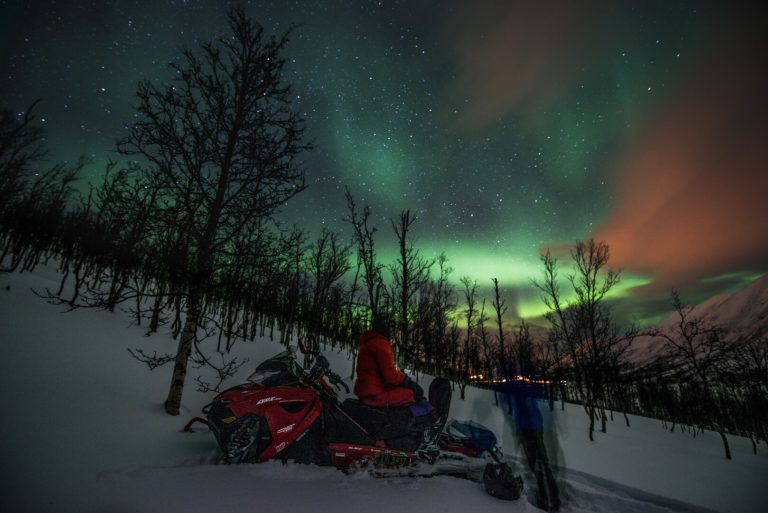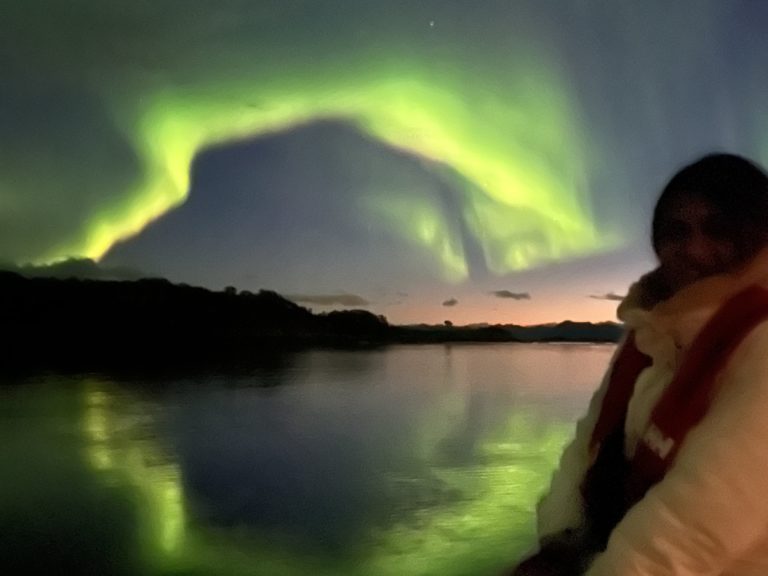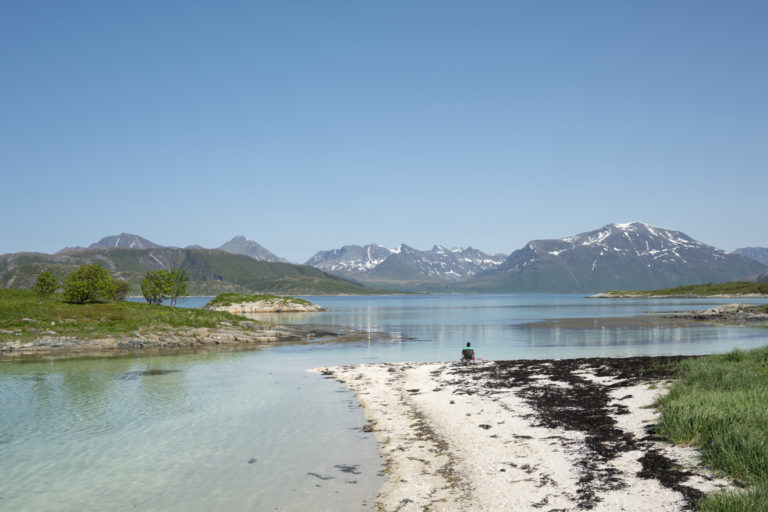
A campfire remains one of the great pleasures of an Arctic winter. Yet around Tromsø, the growing number of winter visitors means that even a simple fire can leave lasting traces in the landscape if it is lit directly on the ground.
The problem appears when the snow melts
In winter, a fire lit directly on the snow may seem harmless. The ground is covered, the landscape looks white and untouched, and any marks disappear under fresh snowfall.
Then spring arrives.
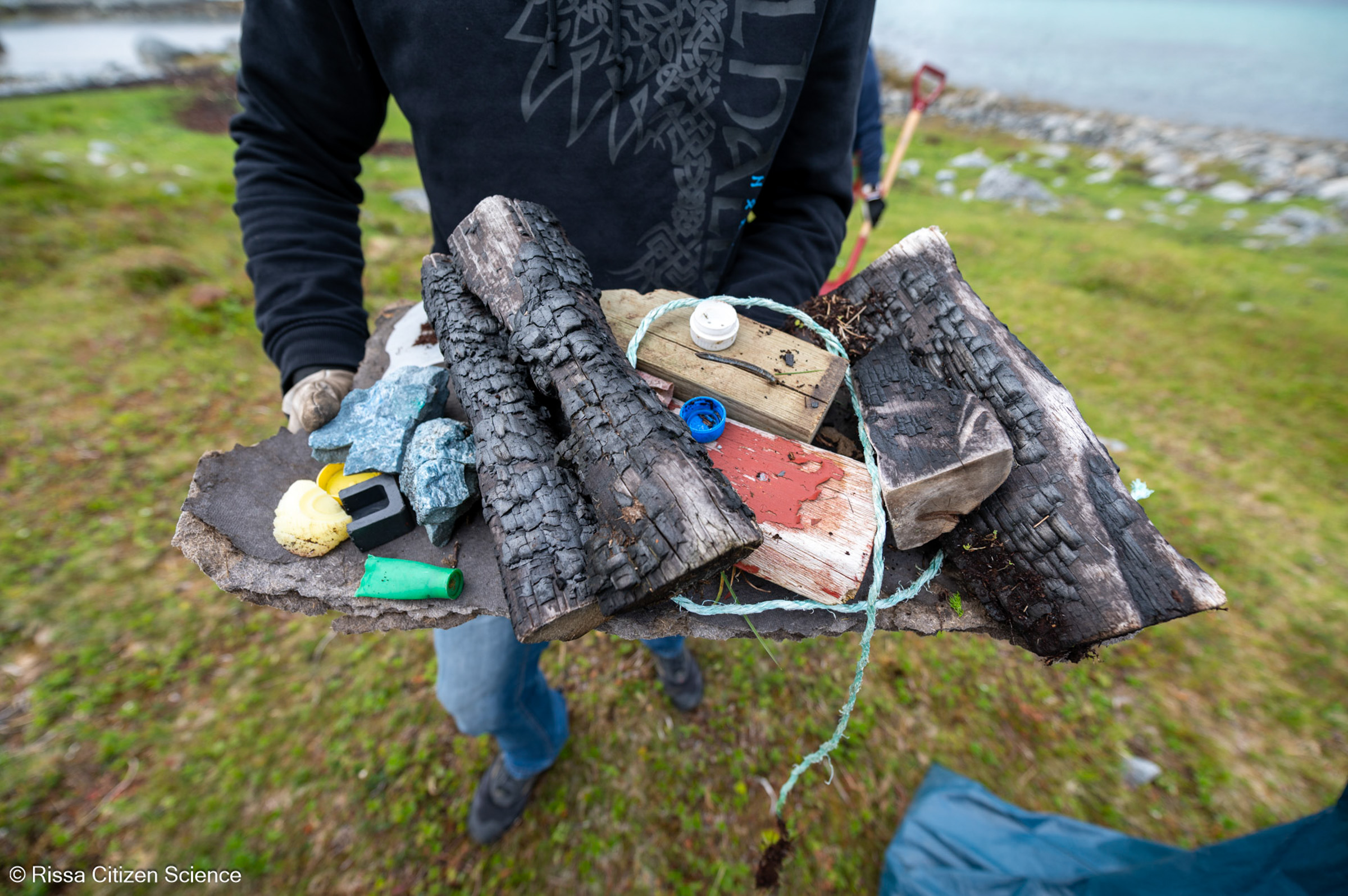
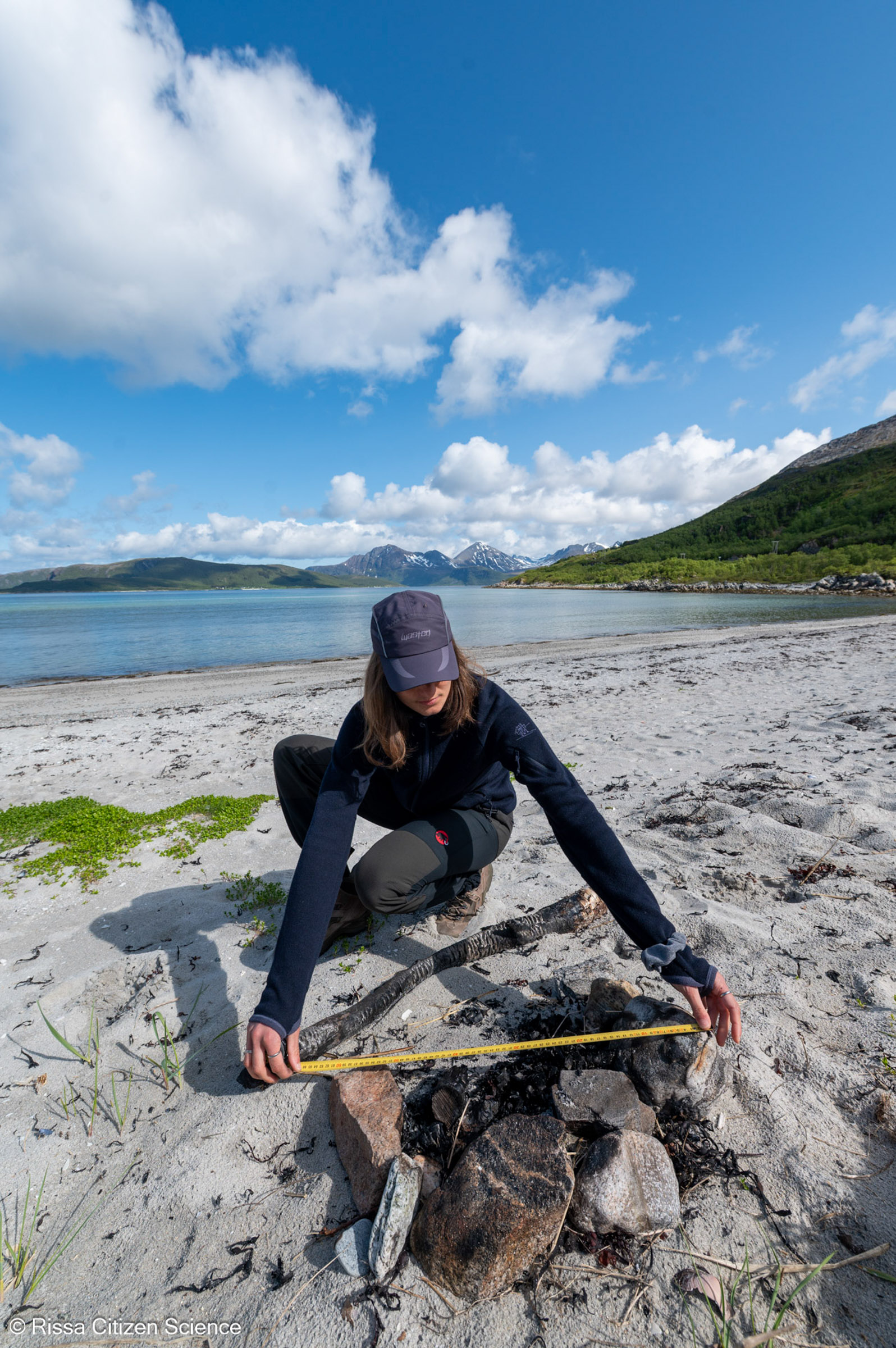
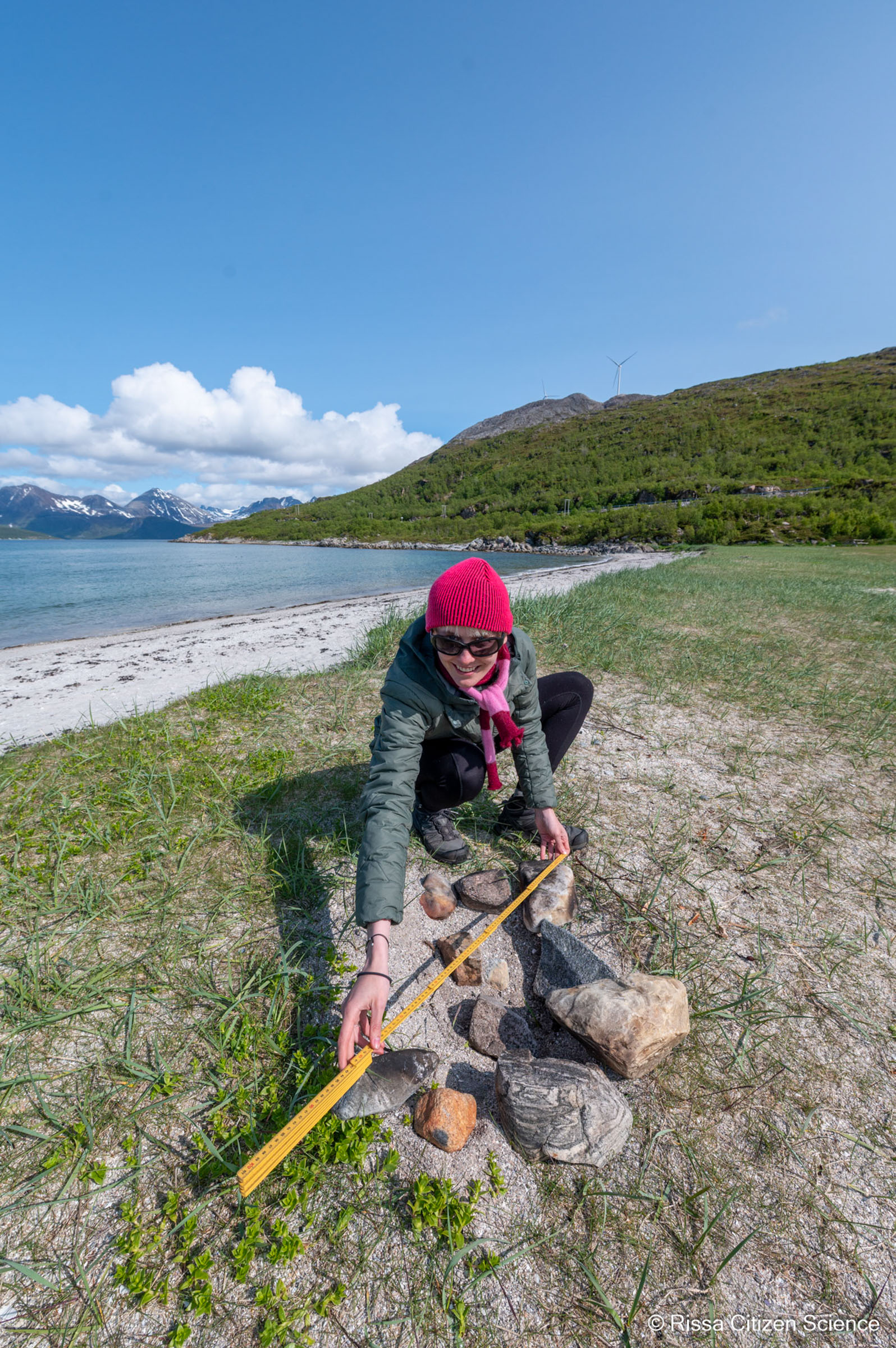
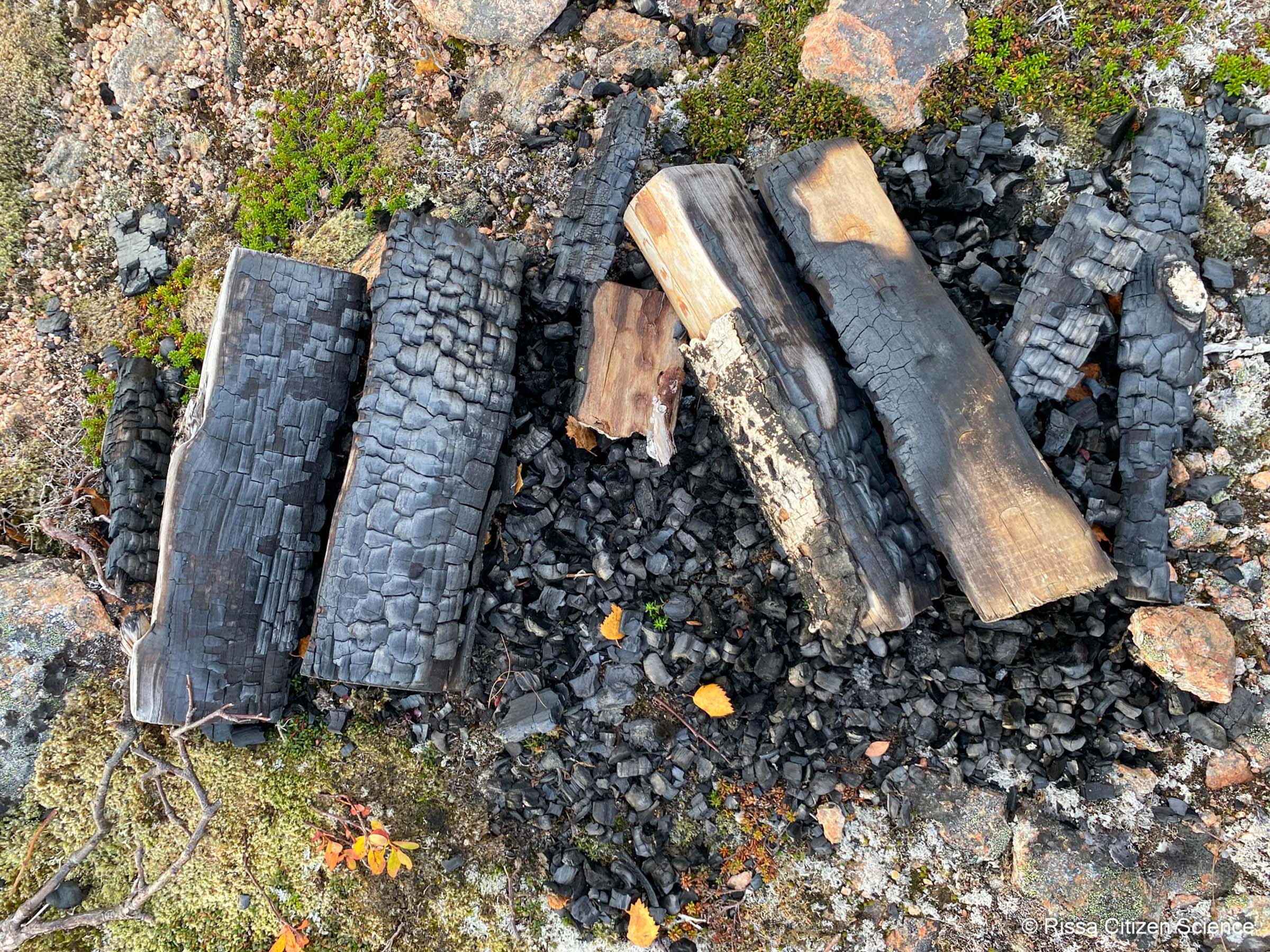
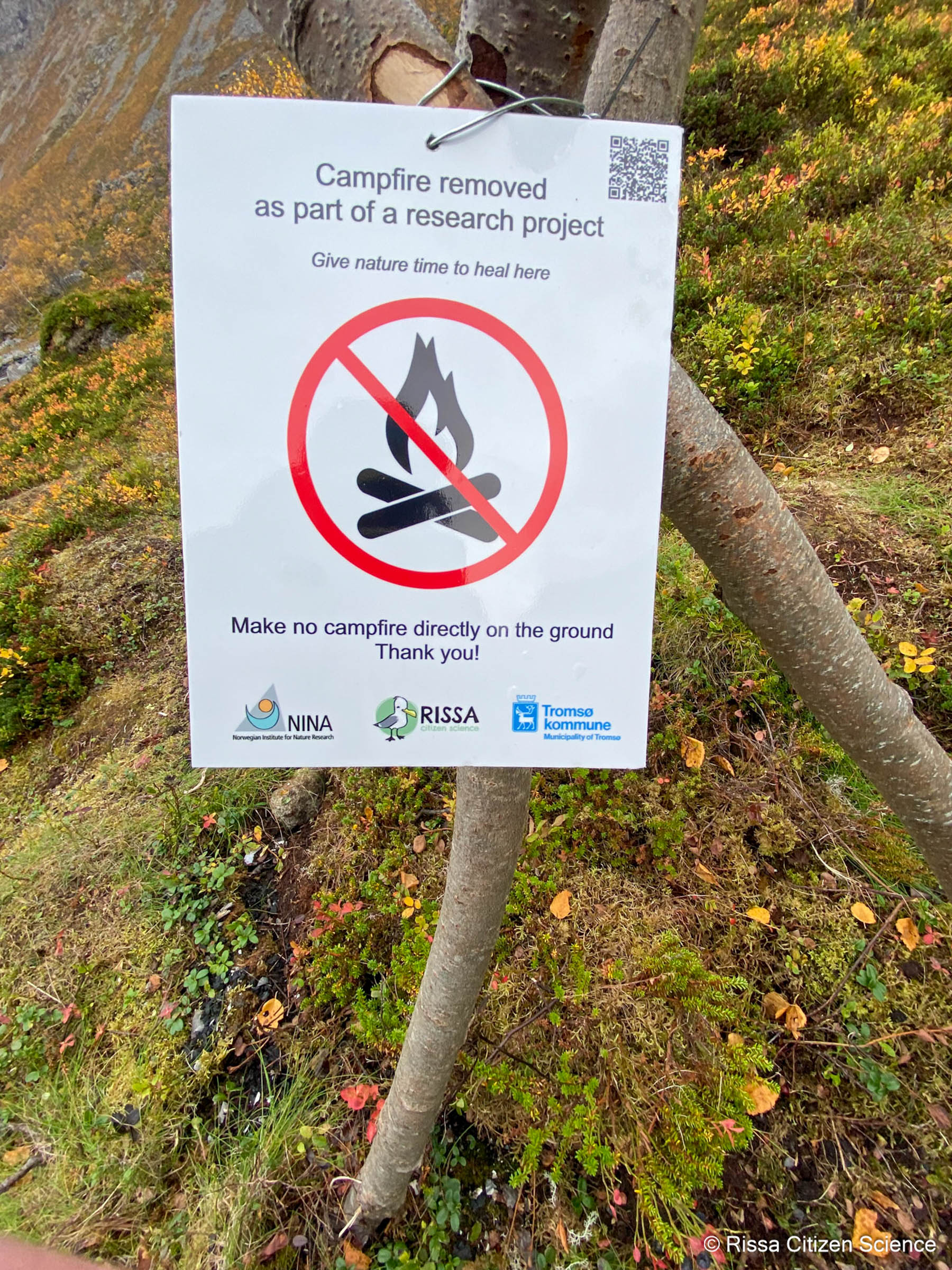
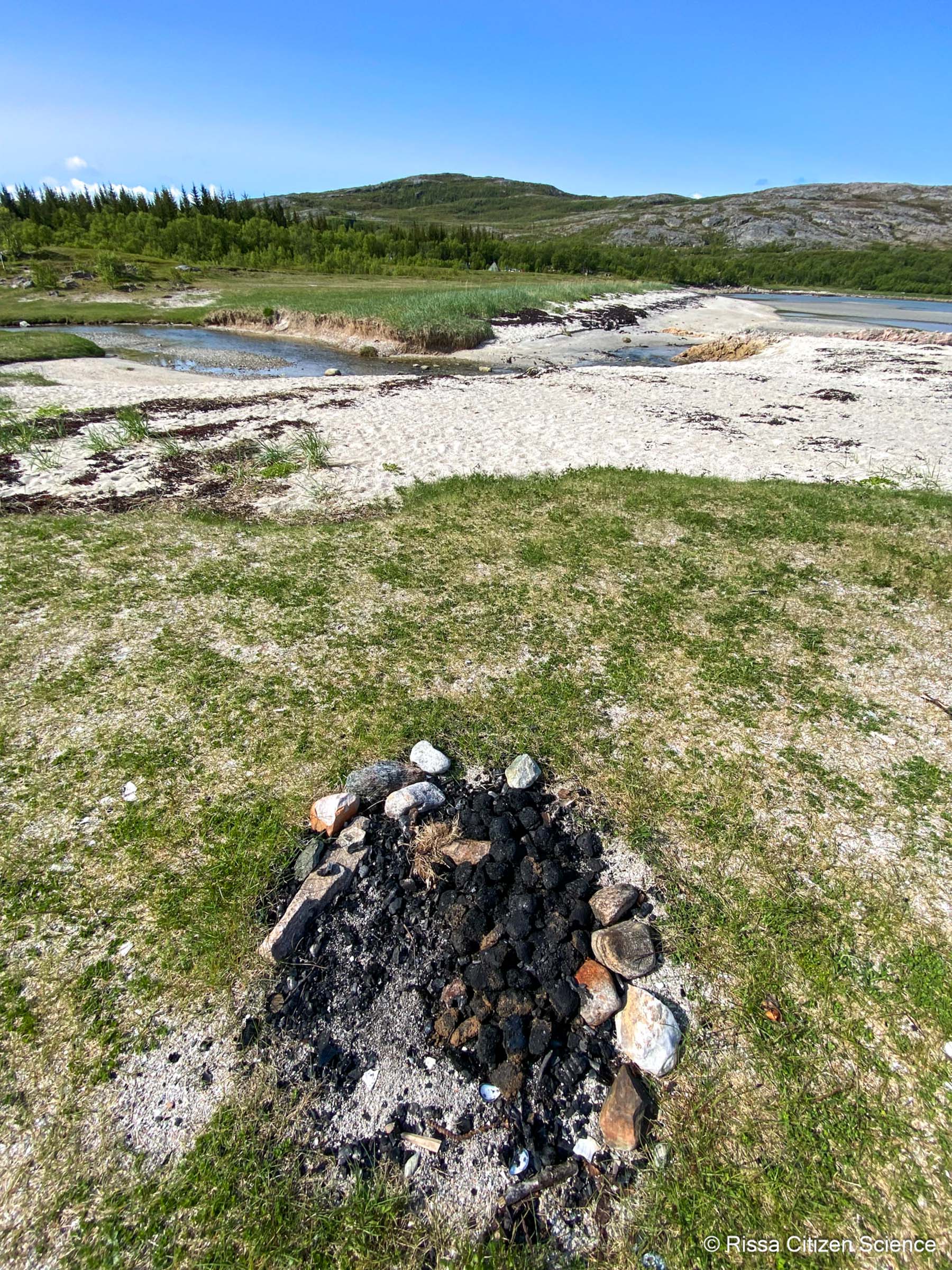
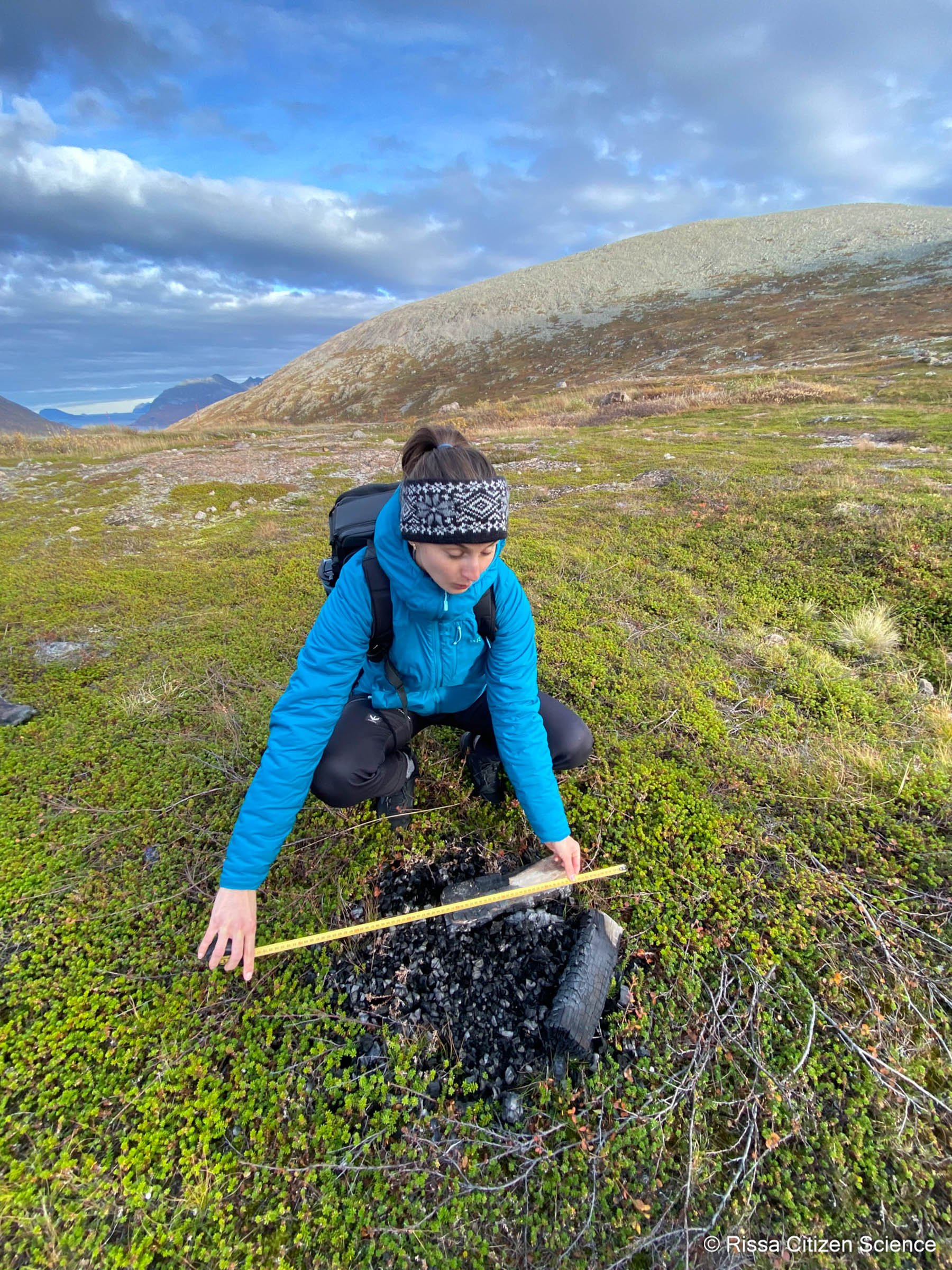
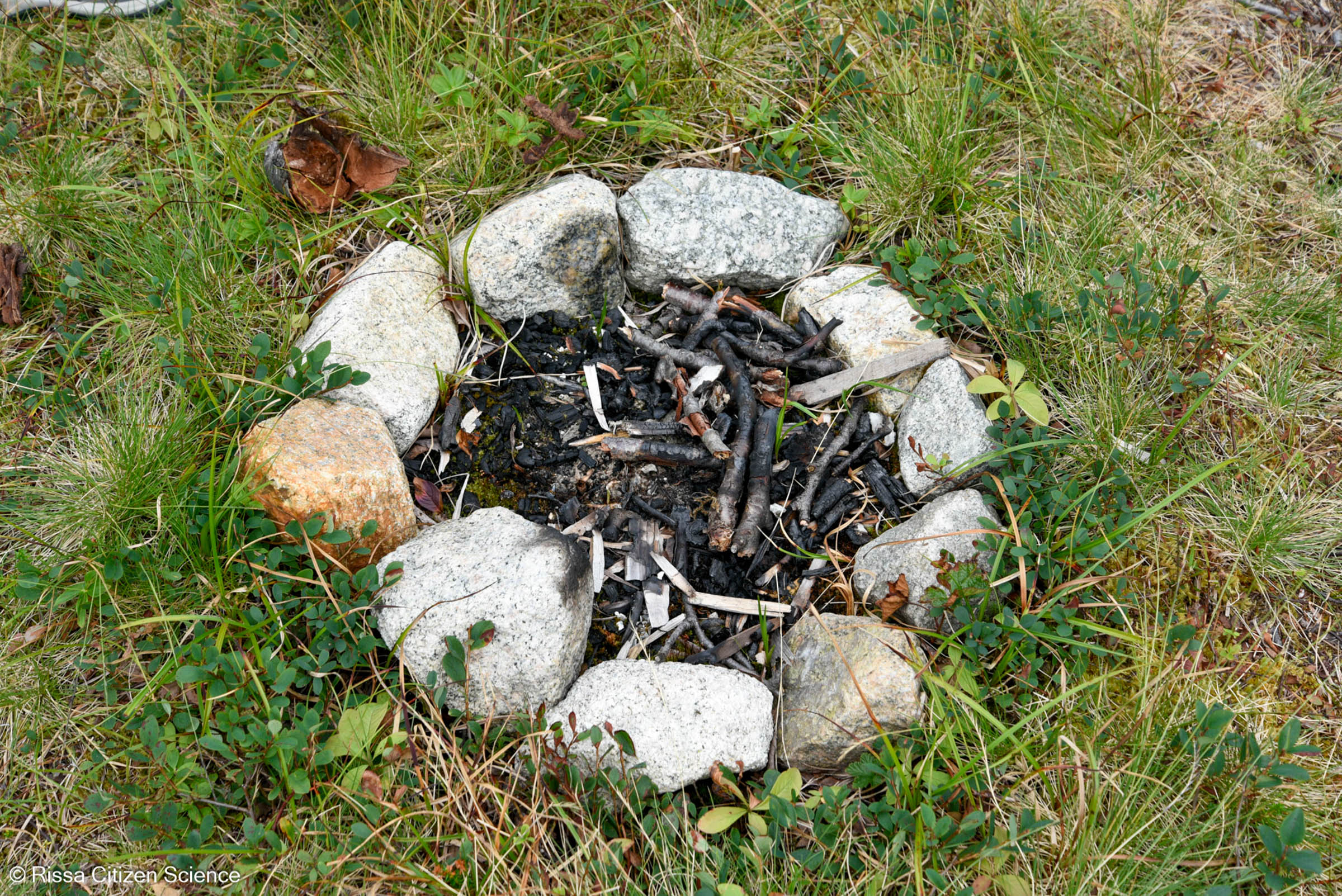
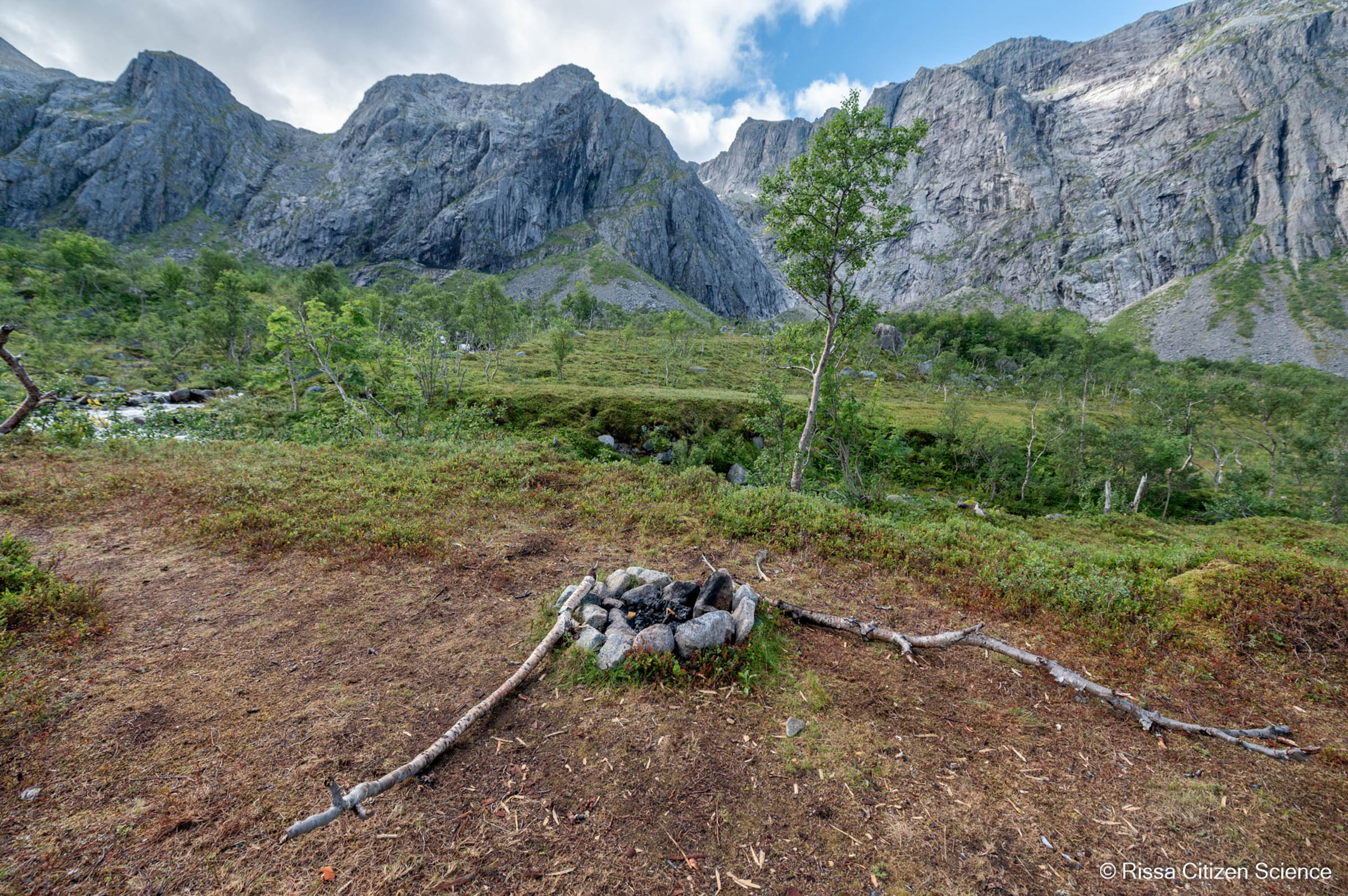
When the snow melts, the remains become visible: black fire scars, charcoal, stone rings, damaged vegetation and sometimes litter. In some places, birch trees have been damaged when people have collected bark or branches to start fires.
One fire may not seem like much. But the most beautiful places are rarely secrets for long. When many people stop at the same beaches, viewpoints and rest areas over the course of a winter, even small traces begin to add up.
Arctic nature grows slowly. A mark that takes minutes to make can remain visible for years.
Northern Lights tourism has changed the scale
The growth in Northern Lights tourism around Tromsø has been wonderful in many ways. It has created jobs, experiences and unforgettable meetings between visitors and the Arctic winter.
It has also changed how often certain places are used.
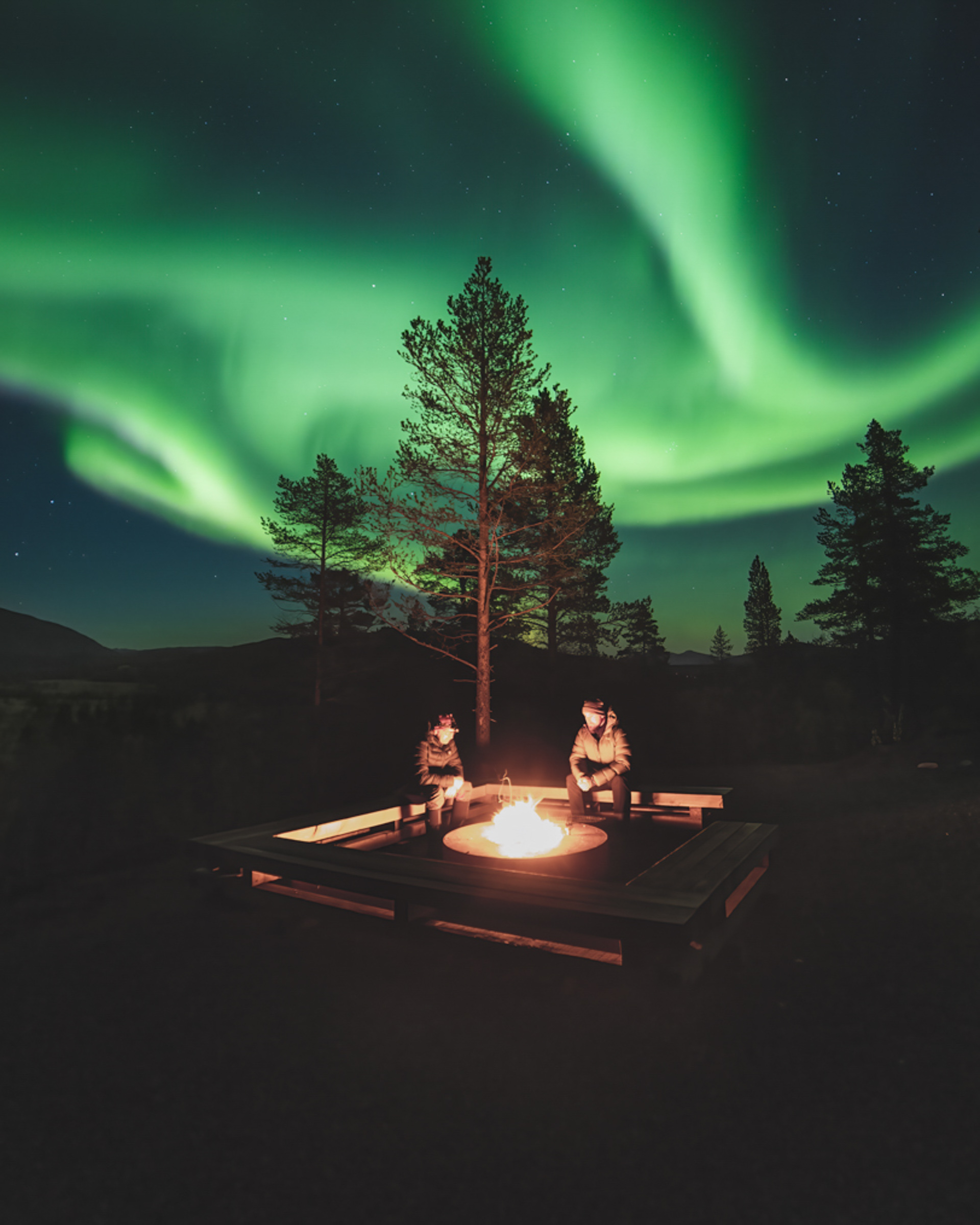
A quiet lay-by, a beach or a sheltered clearing may now receive several groups on the same evening. Visitors travelling independently may stop there too. If each group makes a new fire directly on the ground, the landscape soon starts to show it.
This is not about blaming visitors. Most people simply do not realise what remains after the snow has gone. The problem is easy to miss when you are standing in the middle of a winter night, wrapped in wool and optimism.
There are better ways to enjoy a fire
A winter fire does not have to damage the ground, though.
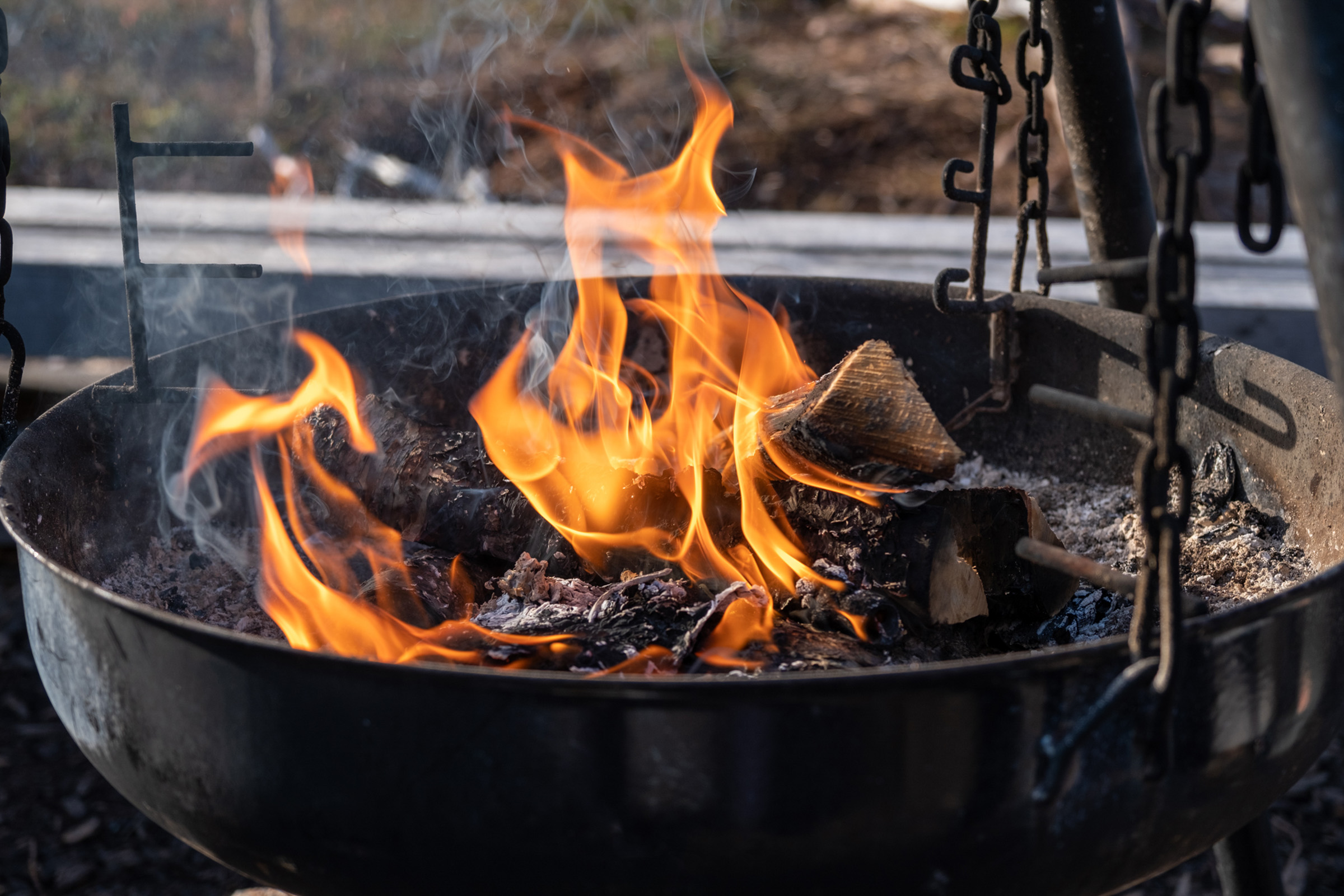
The best option is to use an established fireplace where one already exists. Another good solution is a portable fire bowl, the Norwegian bålpanne. It keeps the fire above the ground, protects the vegetation below, and makes it much easier to remove ash and charcoal afterwards.
For cooking or hot drinks, a camping stove is often the most practical choice. It gives warmth where you need it, without leaving a mark in the landscape.
The key idea is simple: avoid lighting fires directly on the ground, even in winter.
What organised tours can do
Many organised tours already work carefully to reduce their footprint. Some have introduced portable fire bowls, others have changed how they serve meals outdoors.
Tour companies have an important role because they visit the same areas often. Good practice from guides can make a big difference, and it also helps visitors understand how to behave outdoors in Arctic conditions.
A fire can still be part of the experience. It just needs to be done in a way that does not leave a black signature for spring to reveal.
What you can do as a guest
If your tour includes a campfire on the ground, letting your guide know that you prefer low-impact alternatives can be helpful. New guides arrive every winter, and not everyone is familiar with the latest ideas for enjoying a fire while leaving as little trace as possible.
Restoring the landscape
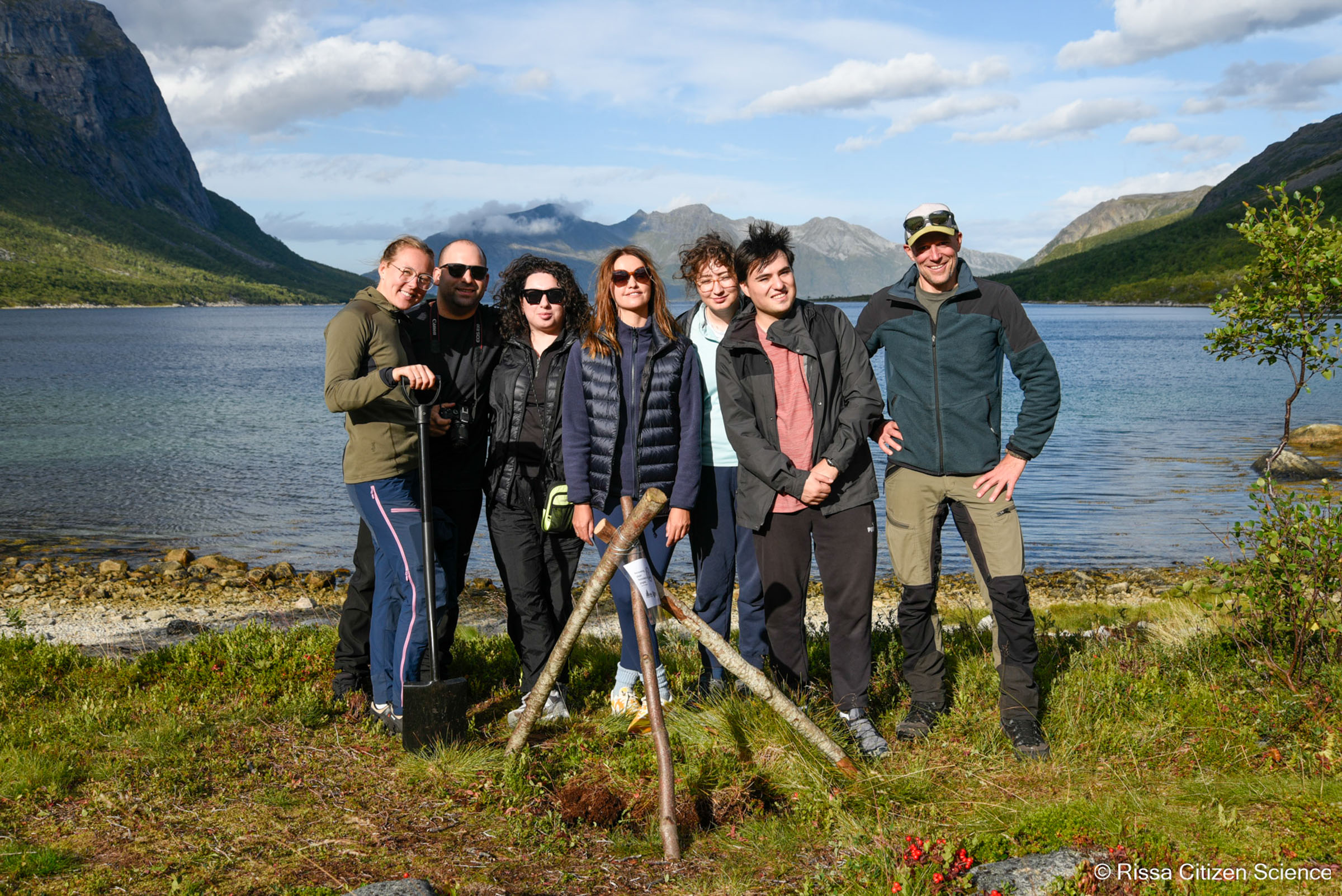
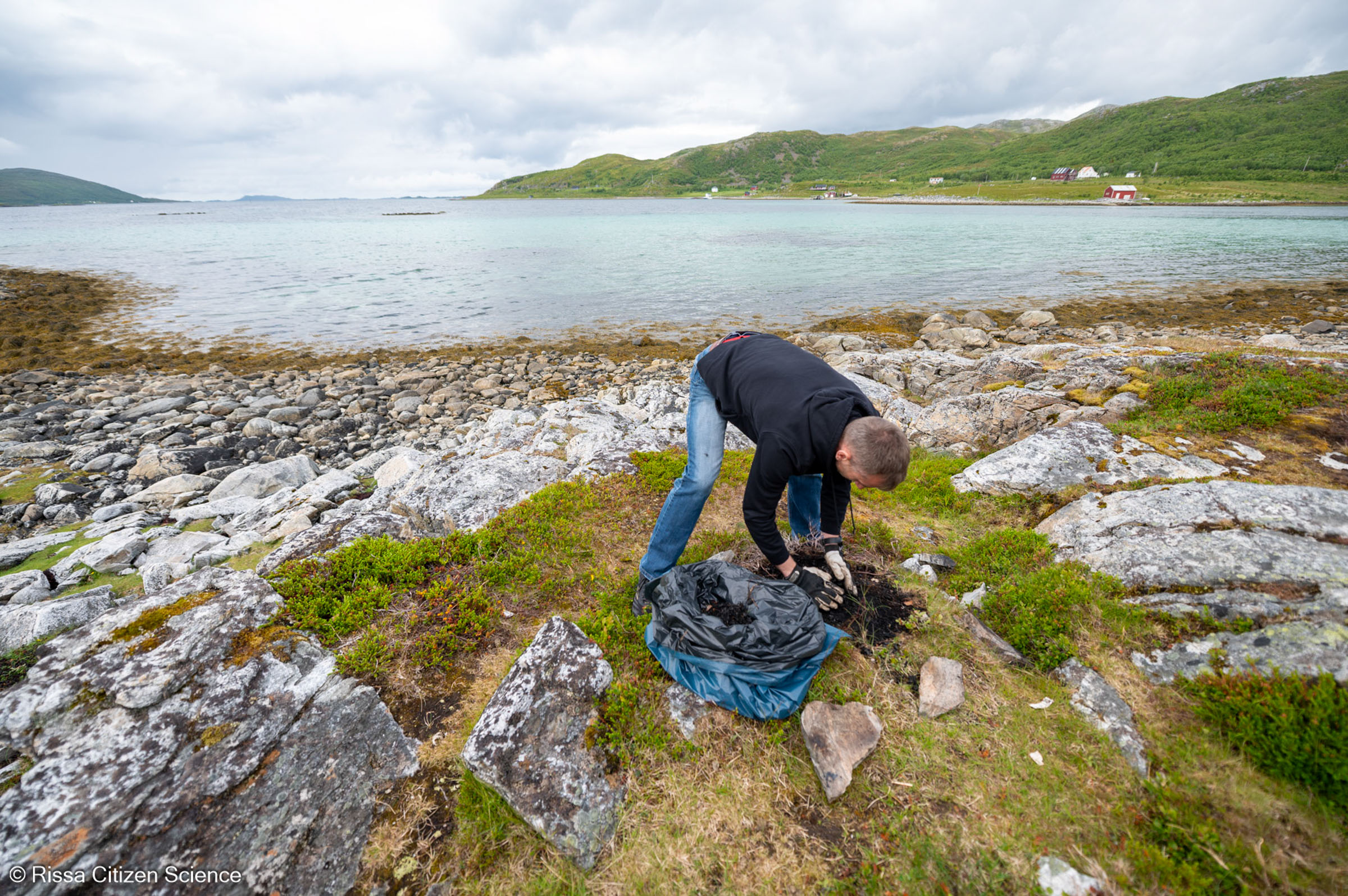
The Traceless Northern Lights Tourism Project have brought together the Norwegian Institute for Nature Research (NINA) ), Rissa Citizen Science , local authorities, tourism companies and local communities.. Their work combines research, practical restoration and public awareness. The aim is not to ban campfires, but to find ways of enjoying the outdoors without leaving lasting marks on the landscape.
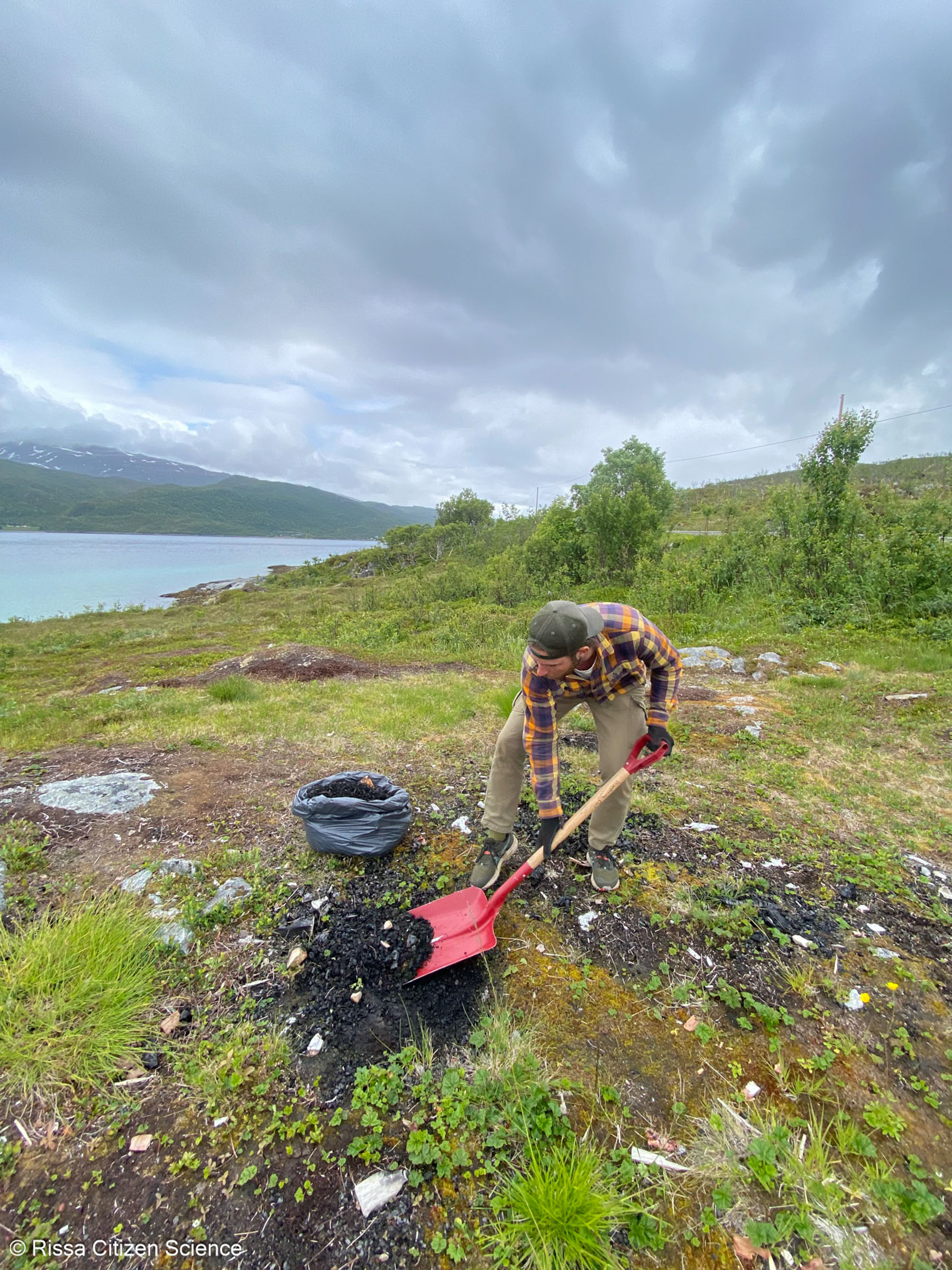
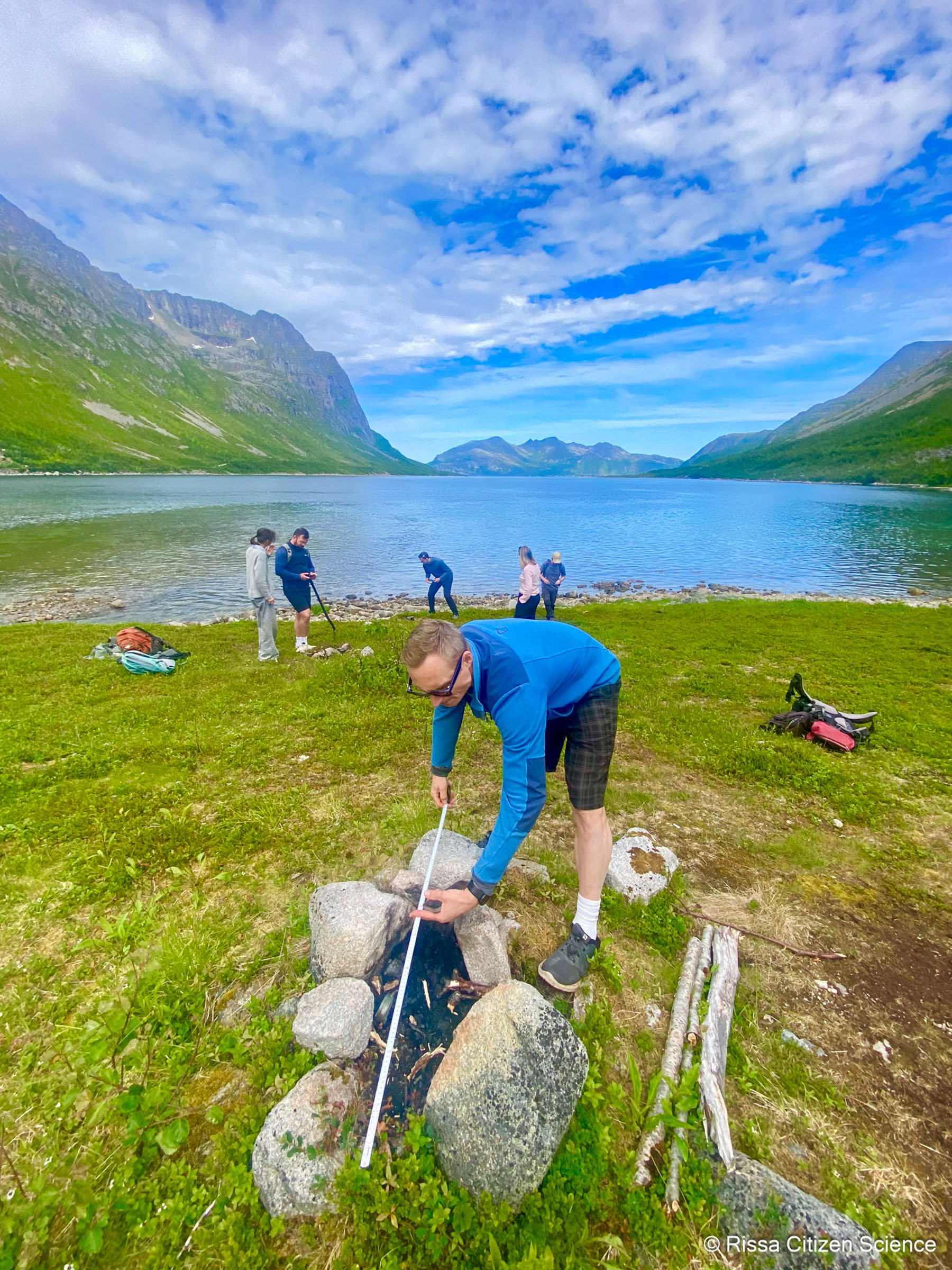
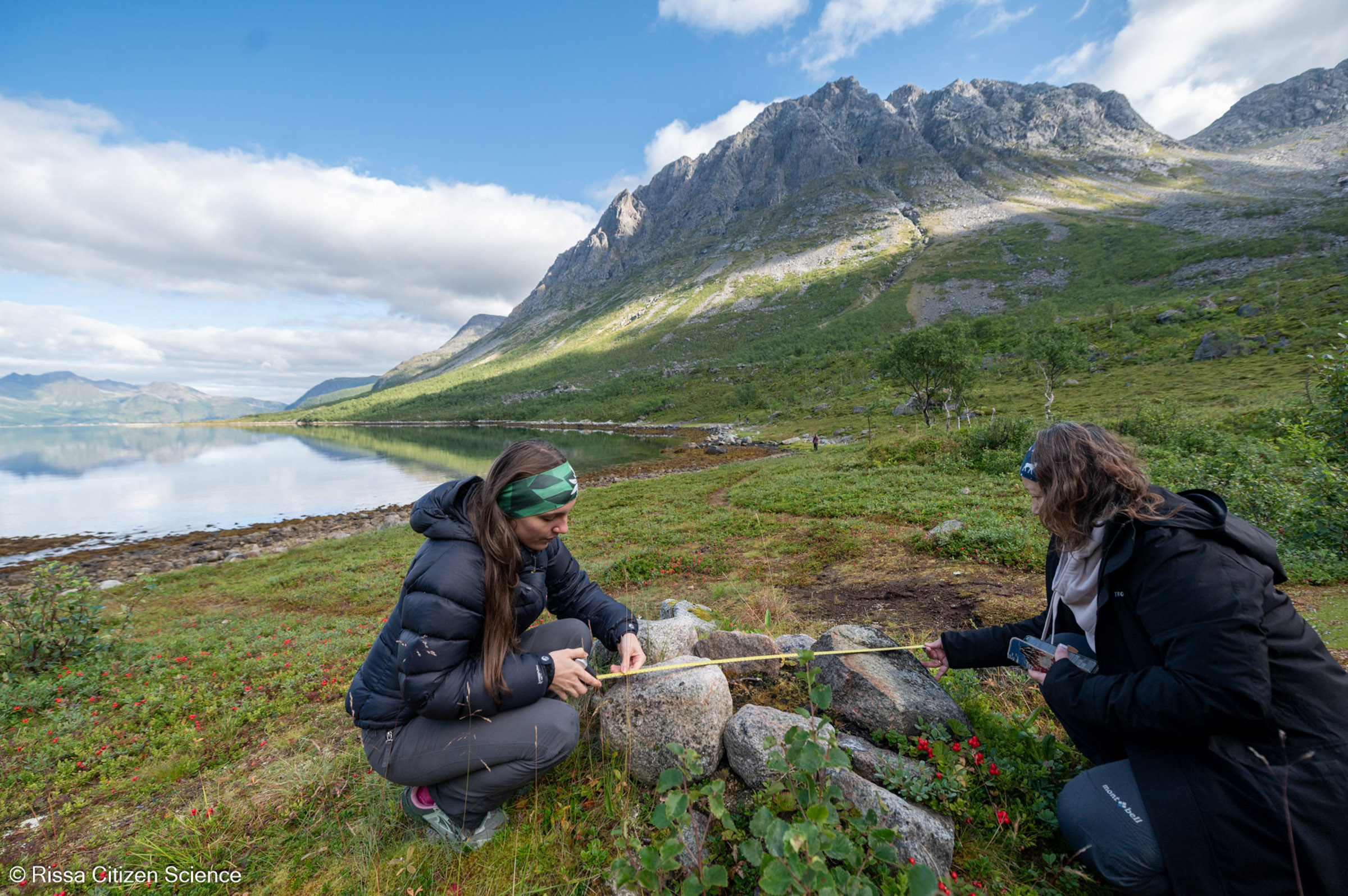
As part of the Traceless Northern Lights Tourism Project, northern lights guides work with NINA and Rissa Citizen Science to map campfire sites during their tours. The research helps identify where the pressure on nature is greatest and how visitors view campfires in the landscape. Some tourism companies also organise spring clean-ups, while Rissa Citizen Science leads volunteers and visitors in restoring damaged sites by removing fire rings and helping soil and vegetation recover. In the Arctic, nature takes time to heal.
Many local companies have embraced these ideas. Portable fire bowls and new ways to serve meals outdoor – several have taken part in clean-up and restoration efforts. Visitors, guides, researchers and local communities have all become part of the same conversation about how to care for the Arctic landscape while continuing to enjoy it.
It is an encouraging story. Practical solutions already exist, and many people are working together to ensure that the places we enjoy today remain just as welcoming for those who follow.
Spending time in nature enriches our lives and gives us experiences we carry with us for years to come. As more people seek out the same landscapes, a few thoughtful adjustments help ensure that the places we enjoy today remain just as welcoming for those who follow.
The Feel-Good Fjord Tour
This summer, visitors can explore the spectacular fjords west of Tromsø on guided restoration tours organised with Best Arctic as part of the Traceless Northern Lights Tourism Project. Along the way, participants help map and remove old campfire sites and contribute to the care of the Arctic landscape. The initiative shows how tourism can also give something back to the places people come to experience.
This article is based on reports and information by NINA – Norwegian Institute for Nature Research and Rissa Citizen Science, and has been written by Arctic Norway.
Good to know about winter campfires
In many places, yes. But a fire that seems harmless in deep snow can still damage the ground underneath. The challenge is not whether campfires are allowed, but how they are enjoyed without leaving lasting traces when the snow melts.
The heat from a fire can melt through the snow and scorch vegetation, soil and roots below. In spring, this may leave black fire scars, charcoal and damaged plants that can take years to recover in the Arctic climate.
A portable fire bowl, known in Norway as a bålpanne, is one of the best solutions. It keeps the fire above the ground and makes it easier to remove ash and charcoal afterwards. For hot drinks and simple meals, a camping stove is often an excellent option as well.
Absolutely. Sharing a meal, watching the Northern Lights and spending time outdoors are what people remember most. A portable fire bowl or camping stove provides the same sense of warmth and togetherness without leaving a mark on the landscape.
Many tour companies already use traceless solutions and work actively to reduce their environmental footprint. If your tour includes a fire on the ground, a friendly message afterwards can be helpful. New guides arrive every season, and not everyone is familiar with the latest recommendations and good practices.
Yes. Researchers, volunteers, tourism businesses and local communities have worked together through projects such as Sporløs Nordlysturisme and Traceless Campfires. Their work includes restoring damaged sites, promoting better solutions and sharing knowledge with both visitors and guides.
Not at all. Campfires are an important part of outdoor life in Northern Norway. The goal is simply to enjoy them in ways that protect the landscapes that make these experiences so special in the first place.
Yes. Choosing established fireplaces, using a portable fire bowl and sharing good ideas with guides and tour operators all help keep Northern Norway’s winter landscapes beautiful for everyone who comes after you.
If you would like to explore the topic in more detail, these projects and publications provide a good introduction to traceless campfires and sustainable winter tourism in Northern Norway:
Sporløs Nordlysturisme (Traceless Northern Lights Tourism) – a project led by the Norwegian Institute for Nature Research (NINA) focusing on campfire impacts, restoration work and sustainable outdoor practices around Tromsø.
Traceless Campfires – an initiative by Rissa Citizen Science and partners that promotes practical solutions such as portable fire bowls and helps restore sites that have seen heavy use.
The Traceless Campfires handbook – a practical guide with examples, recommendations and lessons learned from restoration projects and collaboration between researchers, guides and local communities.