We joined a boat trip out to Hornøya from the harbour in Vardø on a beautiful, sunny but ice-cold day in June. A few minutes after we rounded the breakwater in Vardø, we were greeted by the inhabitants of Hornøya. The sea was full of diving common guillemots, and puffins flapped frantically over the wave tops in their rather clumsy way. Just ten minutes later, we moored at the pier and were greeted by a veritable wall of noise.
The birds are not fazed by humans, but don’t get too close
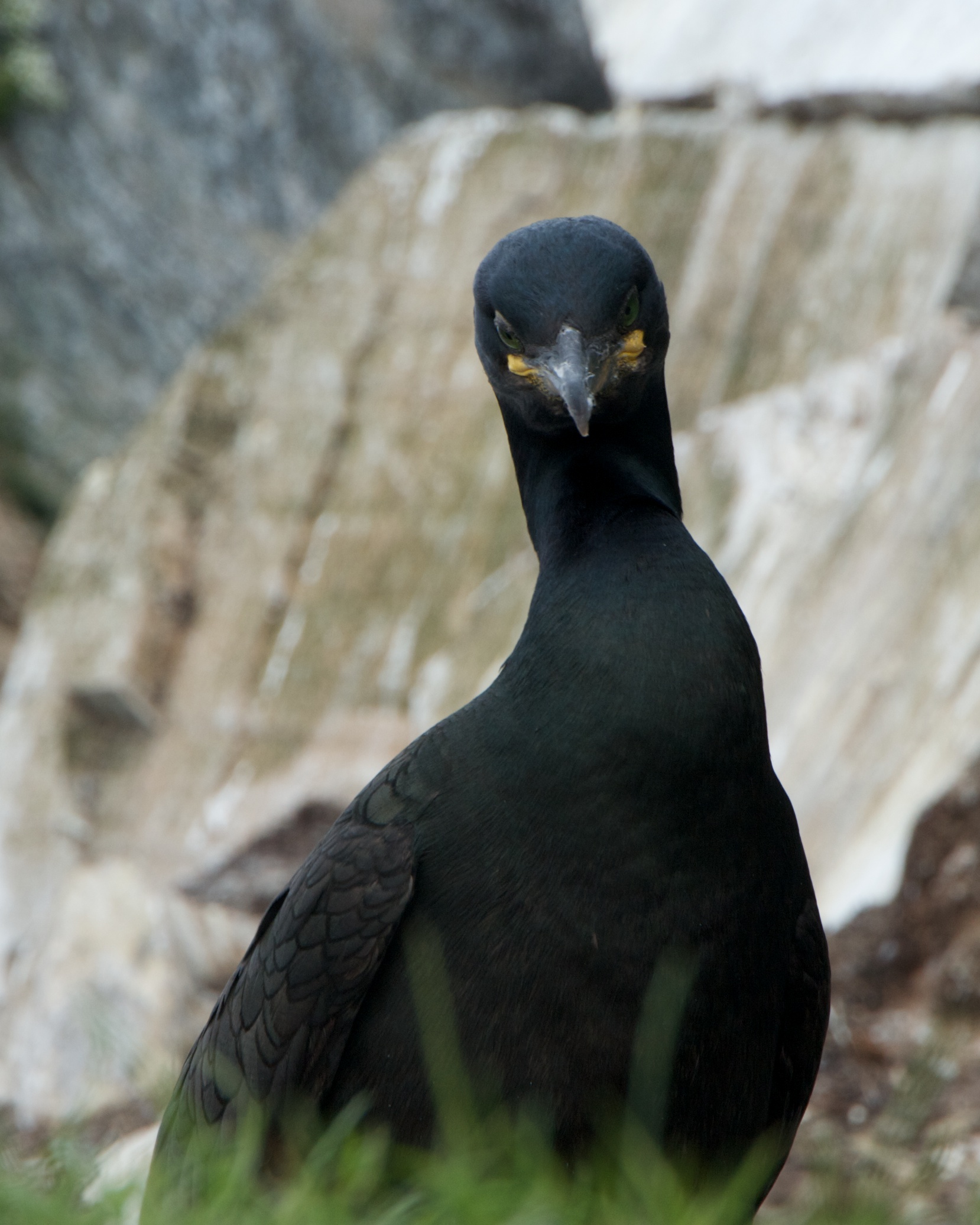
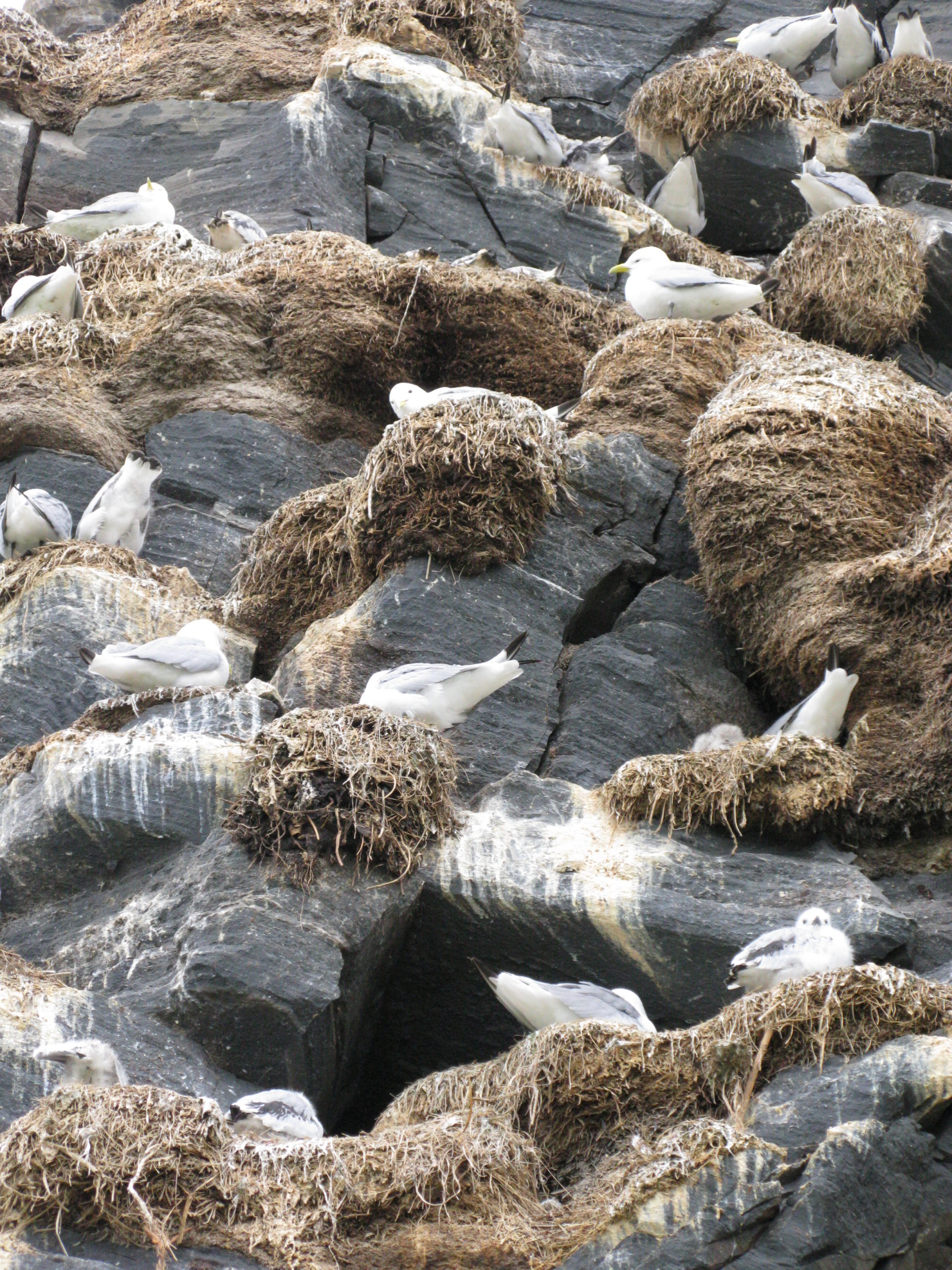
It is not possible to get very close on most bird cliffs. However, the birds on Hornøya are used to researchers walking amongst them and don’t notice visitors. Coconut mats have been laid, which you can follow. This enables visitors to get closer to the birds than at any other bird cliff in Norway. We were far more surprised than the local residents when we made eye contact with puffins, cormorants and kittiwakes.
Reinøya and Hornøya are a nature reserve, with strict traffic regulations on land and restrictions on the surrounding sea. Read more about this in the grey box below.
Practical information about Hornøya
Vardø is situated in the far north east of Norway and can be reached by bus, Hurtigruten or air via Kirkenes or Tromsø. Vardø is also on the Norwegian Scenic Route in Varanger so is easily accessible by car.
During the winter months visits are possible if requested as a group and in advance. This is completely weather dependent, as Hornøya is a very exposed island where winds can get to hurricane force during storms not to mention very high seas during the crossing. The calmest months are during the late Spring into Summer where seeing the birds nesting is possible.
As mentioned, Hornøya is protected, and visitor numbers should not exceed previous years’ visitor numbers. In some areas, for example in parts of Hornøya and Reinøya nature reserves in Finnmark, the land travel ban already starts 1 March. Read more at Ferdselsforbud: Kart og tips for å ta hensyn i hekketiden – miljodirektoratet.no
The access rules for the island were changed at the beginning of the 2026 season. This is regulated by the State Administrator of Finnmark; Tillatelser for transport og guiding i Hornøya og Reinøya naturreservat i 2026 | Statsforvalteren i Troms og Finnmark. Vardø Harbour’s list of companies and guides that have received permits in 2026 can be found at Bird Watching at Hornøya. | Vardø Port. Vardø Municipality says this about traffic zones; Midlertidig forbud mot tiltak – VARDØ KOMMUNE. Here you can see that there is an opening to add to the dock on Hornøya.
Access regulations for the island changed at the beginning of the 2026 season. At the moment, the tourist information office does not sell tickets directly. There is no longer a regular daily ferry service to the island. You must book your trip in advance and you need a guide with you. The previous drop-in system—buying a ticket at the counter before departure—is no longer available. If you would like to learn more about the reasons behind these changes, you can find a detailed explanation at https://www.visitvardo.no/hornoya.
For more information about the bird populations at Hornøya and also across Varanger, you can check out the Birding Varanger website. For information on the route that can take you along Varanger’s rugged coastline and more about activities and experiences to be had, simply check out the webpages of Visit Varanger and Norwegian Scenic Routes.

There is a bird hide on the island
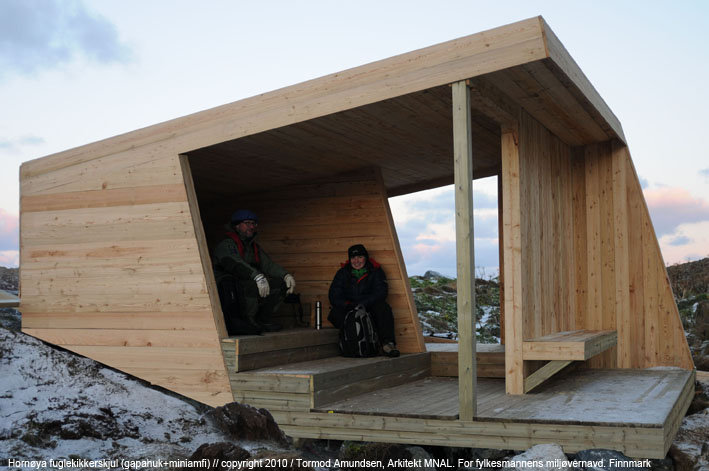
There is also a bird hide on the island. From here, you can watch the birds without them seeing you, while sheltering from the wind and warming yourself up a little if the cold north-easterly wind bites at your fingertips. The hide is part of a birdwatching initiative in East Finnmark and was designed by birdwatcher and architect Tormod Amundsen.
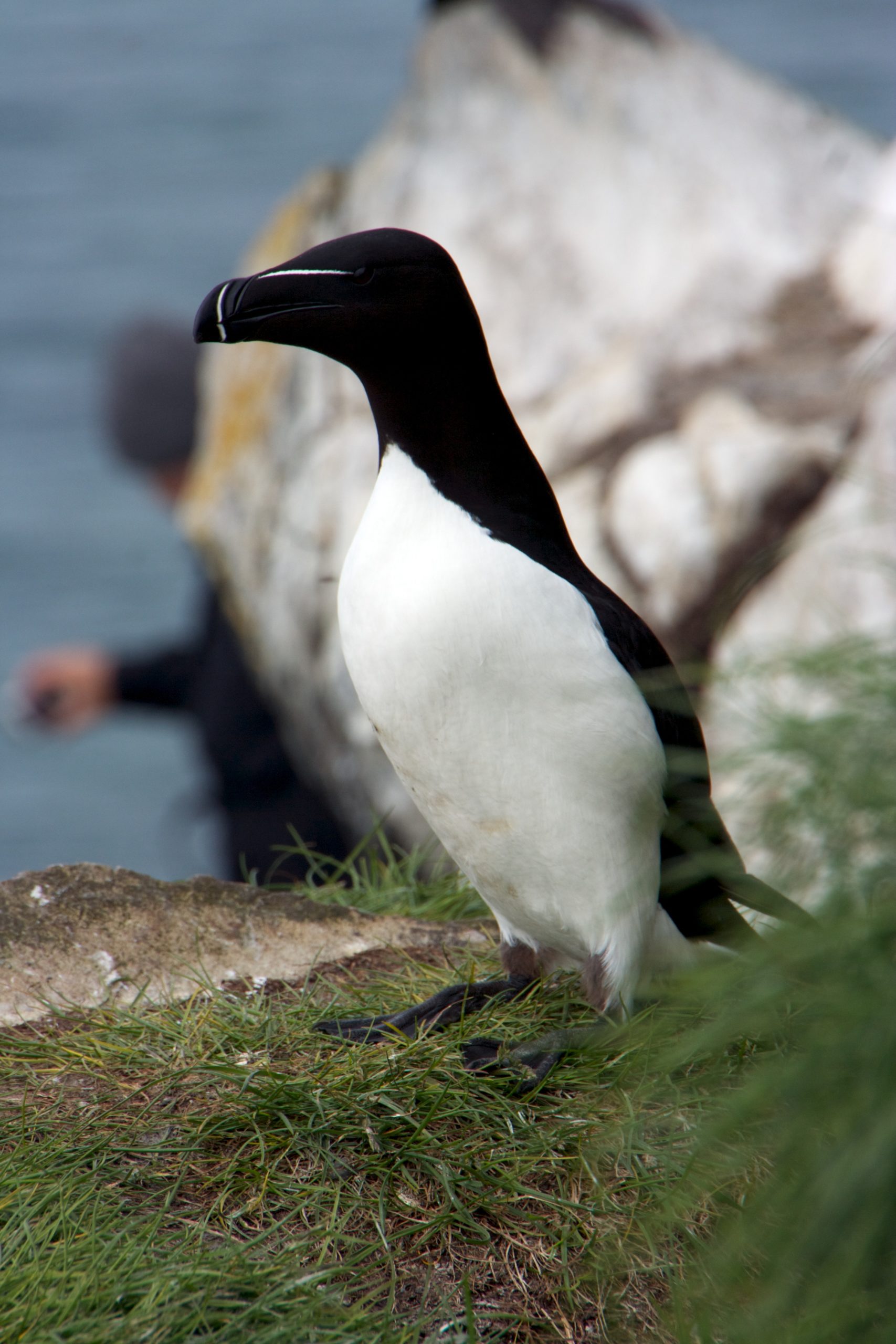
It is the best place in the world to see the thick-billed murre
The thick-billed murre mostly breeds on the bird cliffs of Bjørnøya, on Svalbard and in other high-Arctic regions. In Norway itself, it only breeds in East Finnmark, with Hornøya being home to the largest colony. The thick-billed murre is similar to the common guillemot, except that it is a little smaller and can be recognised by the white stripe along its beak. On Hornøya, the thick-billed murre inhabits the steepest cliffs. Birdwatchers from across Europe come to Hornøya to see the most easily accessible thick-billed murres anywhere in the world.
There is an enormous variety of bird species
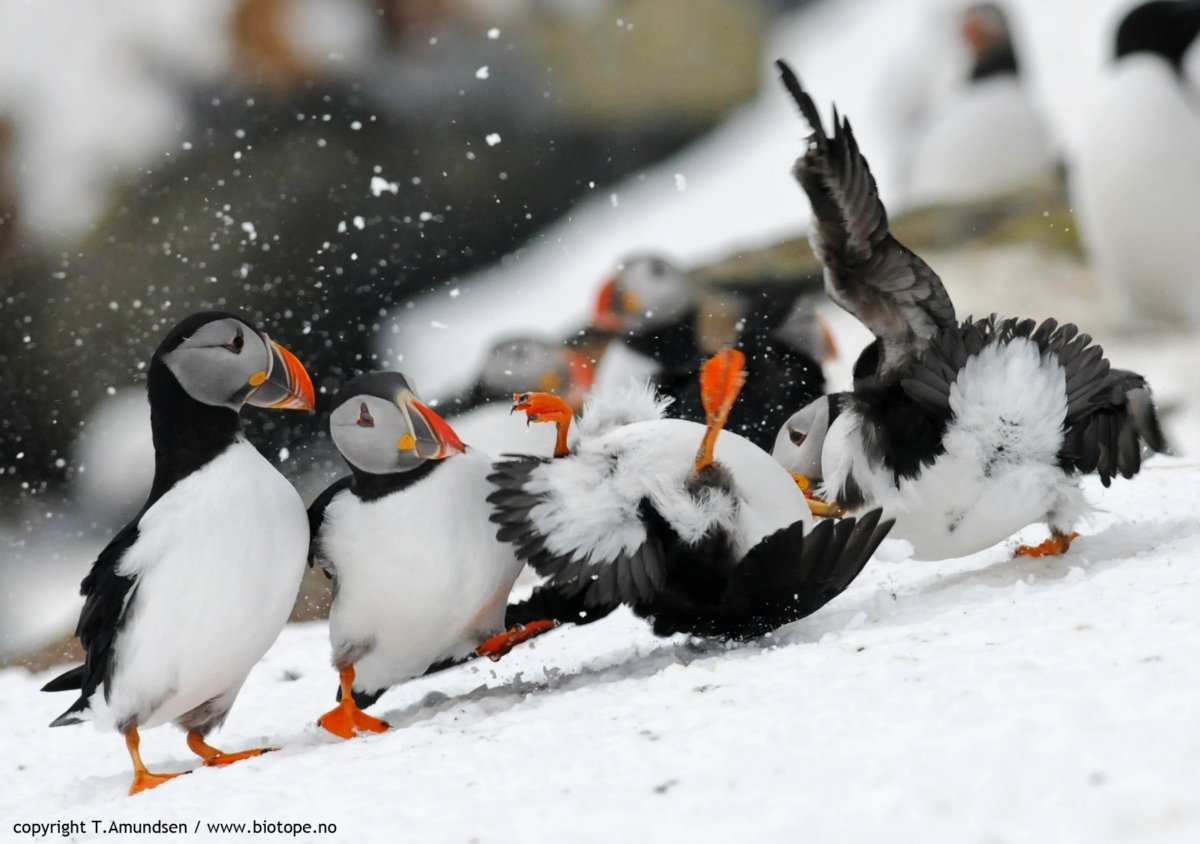
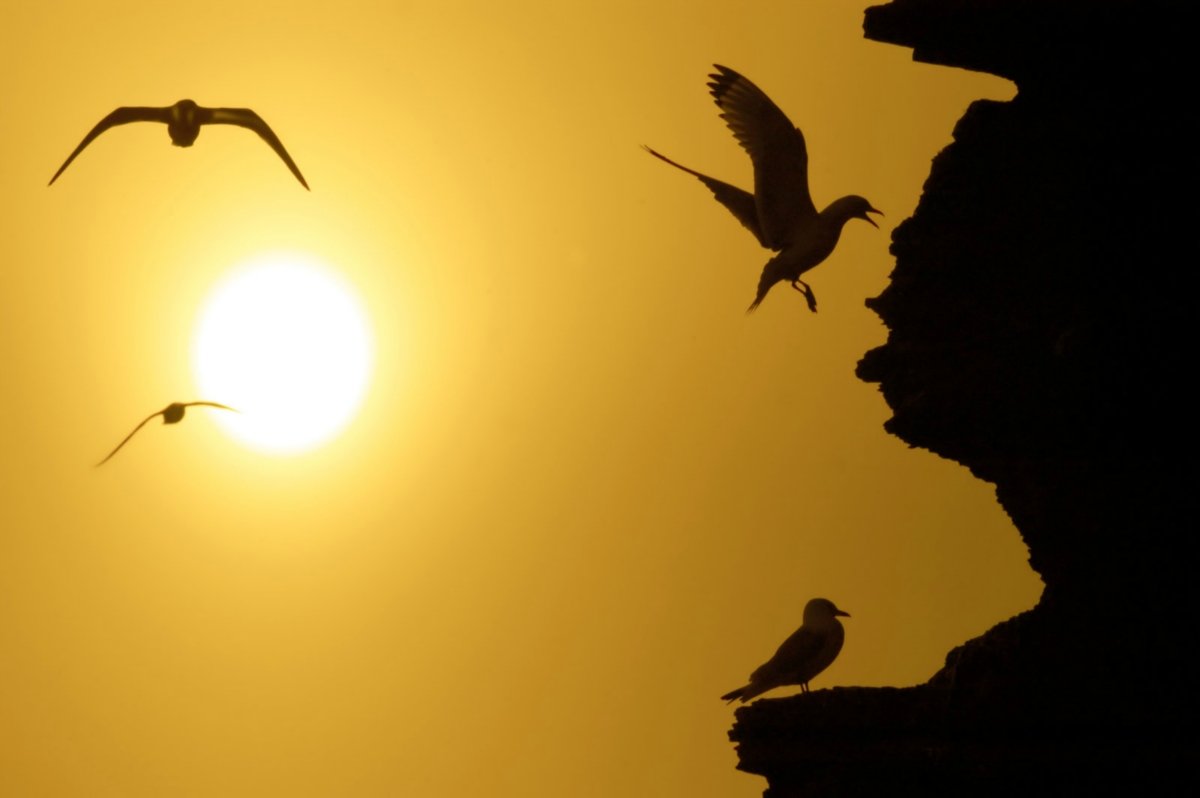
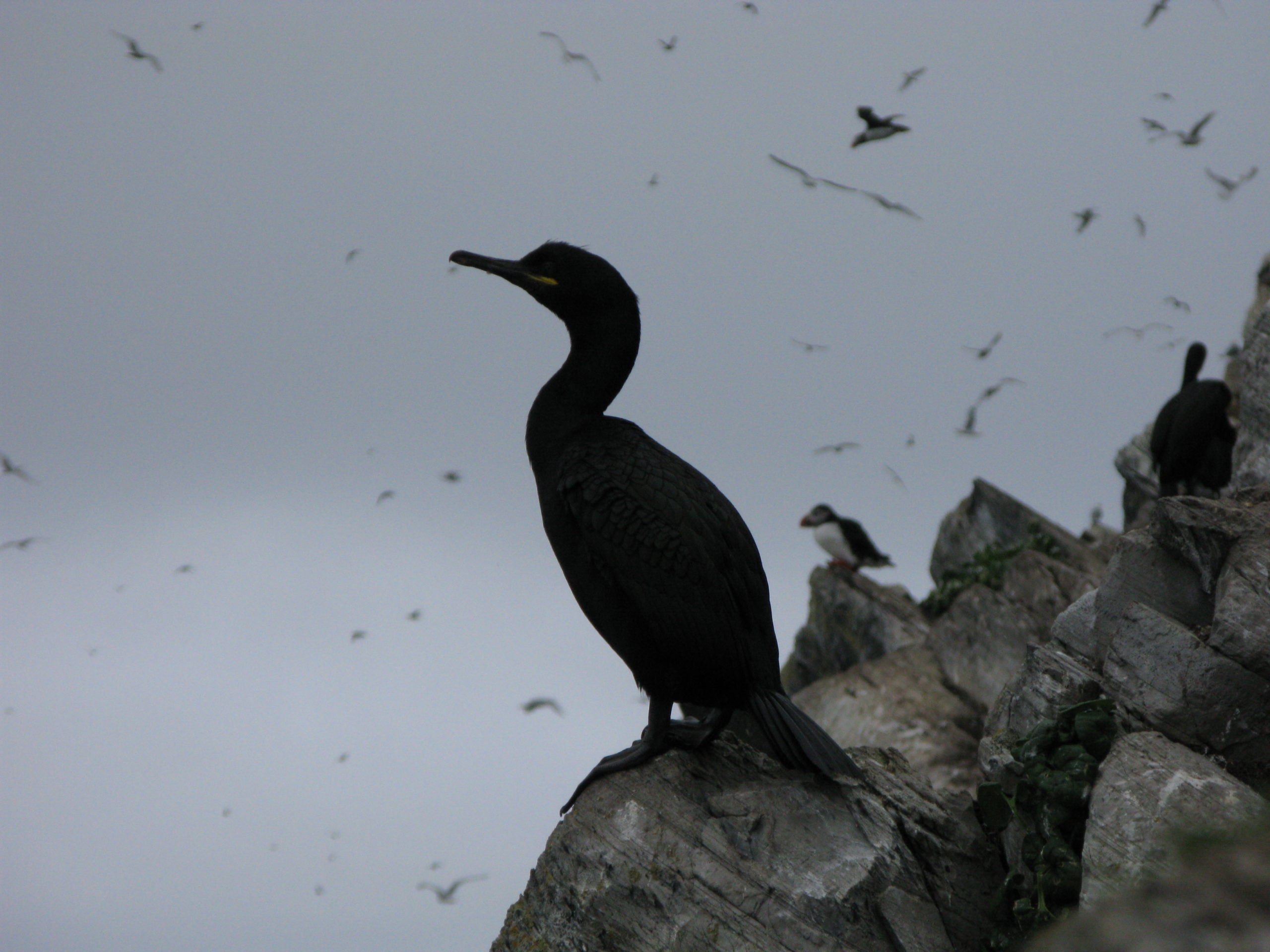
The common guillemot, razorbill, puffin, kittiwake, black guillemot and cormorant populate the steep slopes. Puffins nest at the top of the slopes. They dig holes in the grass bank for their eggs. Razorbills, common guillemots and thick-billed murres place their eggs straight on the rock shelves. The camouflage-coloured eggs are pear-shaped, so that they roll round in a circle rather than rolling over the edge if they should start moving. The kittiwake, a species of gull, is the noisiest, while the cormorants stand guard on the cliffs and stretch out their wings to dry them. Visitors can wander round and take amazing close-up pictures of the birds.

Hornøya is Norway’s most easterly point
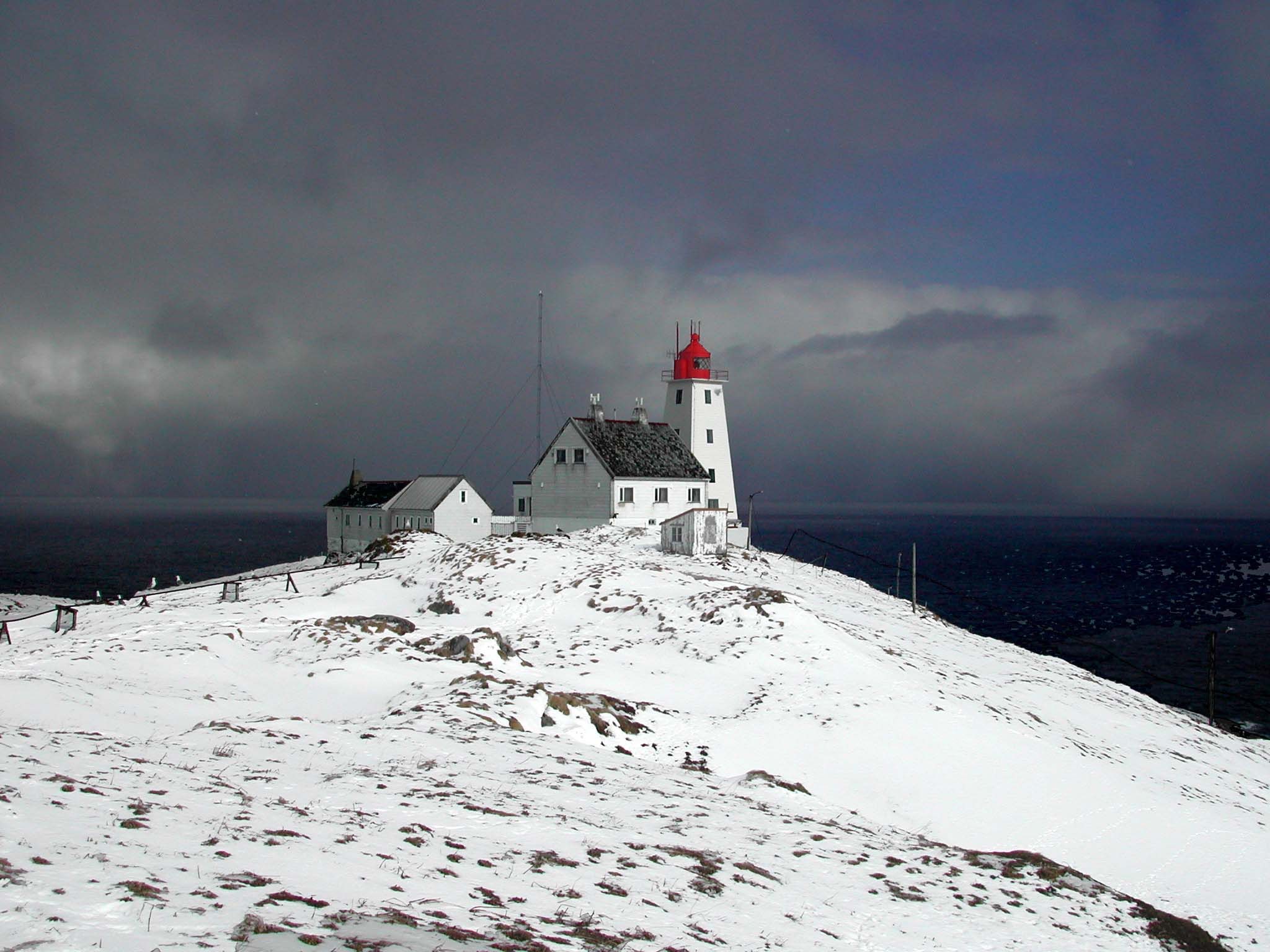
Norway’s most easterly point, Hornøya lies on the same latitude as St. Petersburg, Istanbul and Alexandria. The sun reaches its zenith at midday here over an hour earlier than in Oslo. Hornøya Lighthouse is situated on the smooth grassy slopes of the eastern side of the island, 15 minutes’ walk from the pier. From here, you can see across to the Rybachy peninsula in Russia in the south-east and out to the horizon.