A piece of stockfish found in Haithabu in northernmost Germany – the Viking city on the then border to Christian Europe – has been DNA-analysed to originate in Lofoten. It is unclear whether the piece of fish was a trade commodity or just easy-to-carry provisions for a long journey. However, it shows that drying fish goes back 1000 years or more.
It all starts with the big cod trek in winter
Stockfish is a result of the annual migration of the Norwegian-Arctic cod. Every year in winter, driven by passion, it swims from the Barents Sea down to Lofoten to spawn. In the tepid waters between the islands – tempered by the Gulf Stream – the conditions are exactly right for the love life of this big cod variety. From January to early April – beginning at the outermost islands and moving east – the waters are teeming with fish. The Lofoten fishing once attracted fishermen from all along the coast and it is still the big event of the winter.
Stockfish is dried … just like that
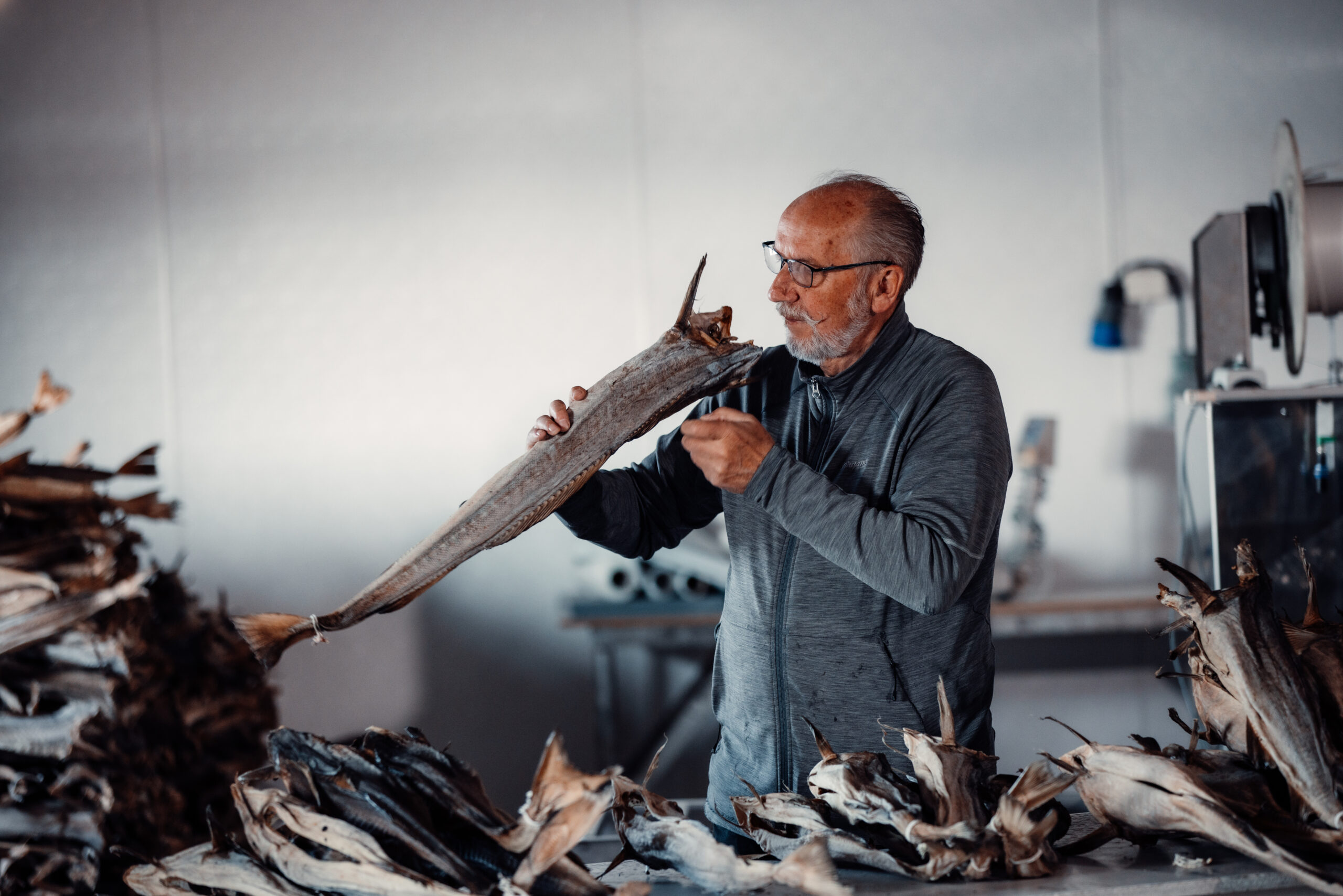
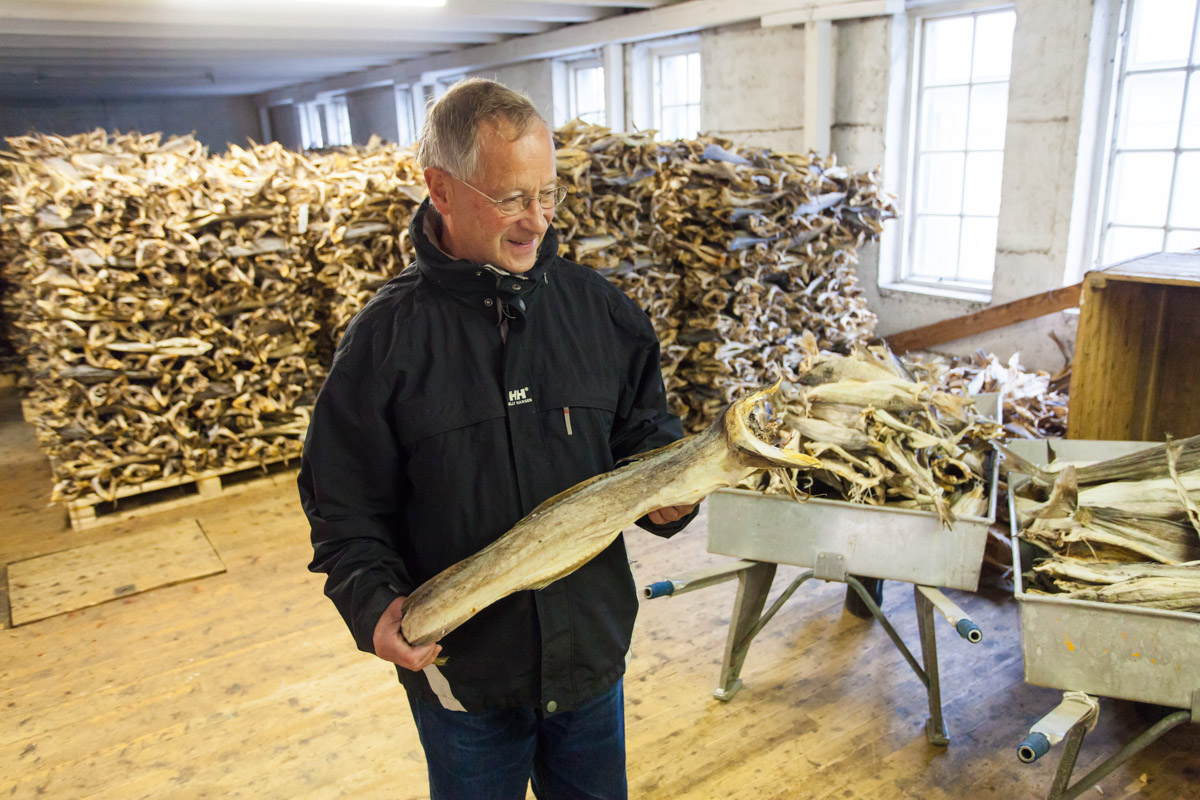
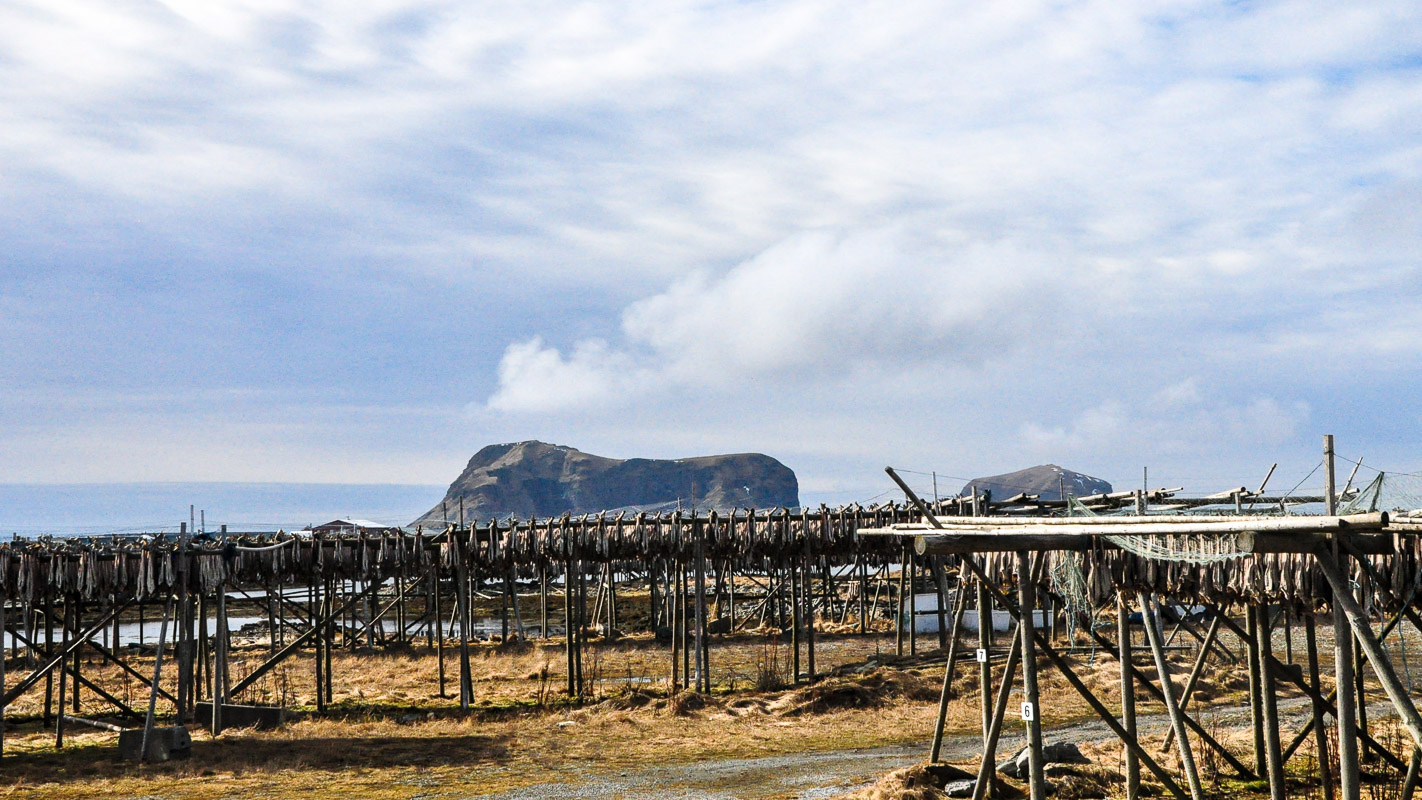
Stockfish is hung on hjeller – stockfish racks – the same day they are fished. No salting or smoking is needed. The winter temperatures hover around freezing point – so the fish doesn’t rot. Instead, it turns bone dry in the chilly, salty air. When the racks are harvested in June, the fish can be easily transported – and it lasts a long time.
Norway’s main export product for centuries
In the 1120s, King Øystein had the first rorbuer – fisherman’s shacks – built, and exports could start for real. In summer, the fish was brought down to Bergen, where the Hanseatic merchants from the Northern German cities bought it and sold it on to Northern European cities. Norway’s national shrine, the cathedral of Trondheim, was financed by fish from the north – some historians claims that without the stockfish there would not be Norway.
In 1432, the Venetian trader Pietro Querini was shipwrecked on the island of Røst, and full of gratitude to the locals at Røst, he sailed home to Venice with a shipload of stockfish the following year – the begining of a new connection.

The Italian job: Eating all the stockfish
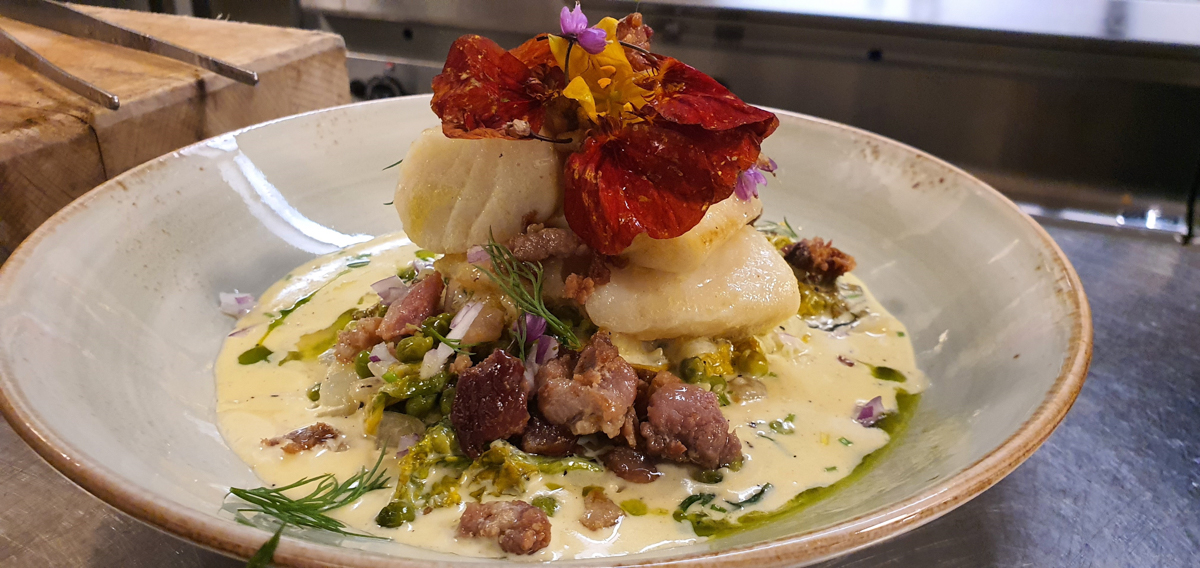
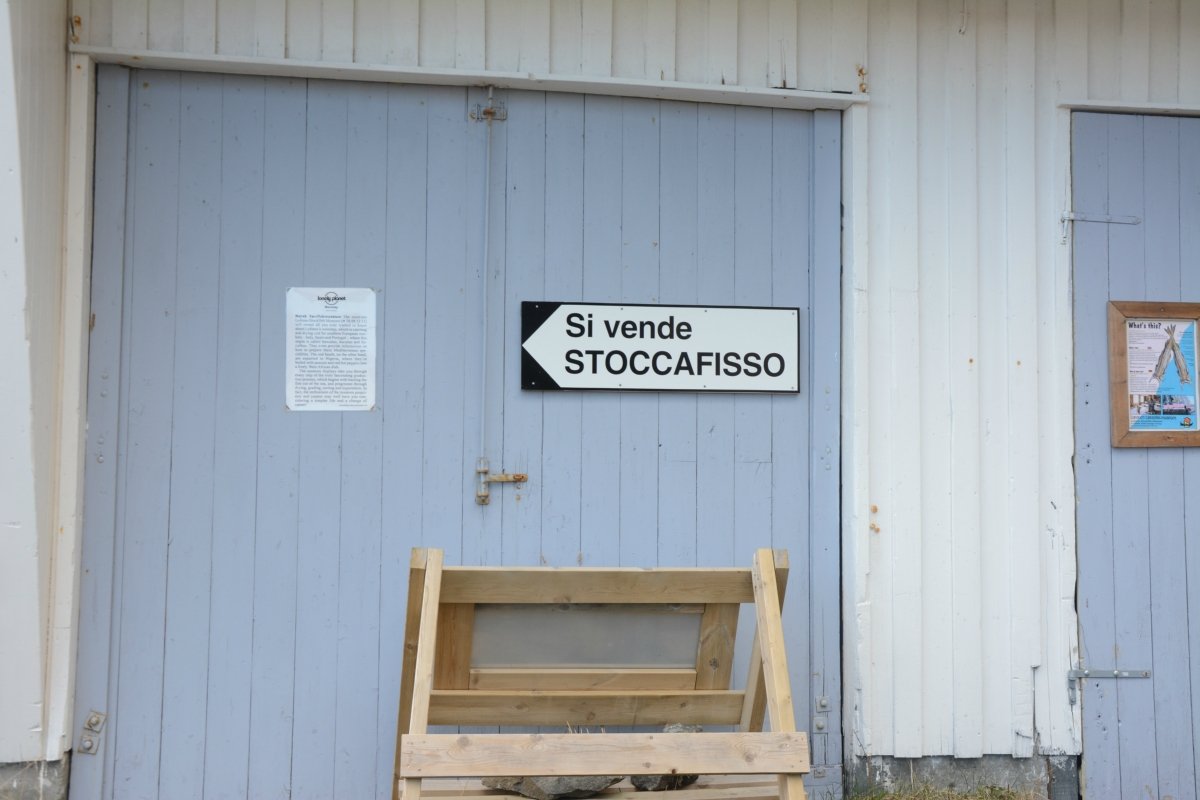
Today, stockfish is mainly exported to Italy – where it is known as “stoccafisso” – or “baccalà” in the Veneto. There are many varieties – notably Baccalà alla vicentina – stockfish the Vicenza way – boiled with onion, oil, milk and anchovies and served with polenta. In Genoa – the home of pesto – it is of course cooked with pine kernels. Down south, in Sicily and Calabria, a good tomato sauce, olives and capers are part of it.
The Dalmatian coast in Croatia is part of this culinary universe – and Bakalar is traditional Christmas food. The heads of the cod are full of good fats and flavours. Cod heads were once the affordable option. In Nigeria, they became the basis of a much-loved soup that remains popular today.

Clipfish is dried and salted cod
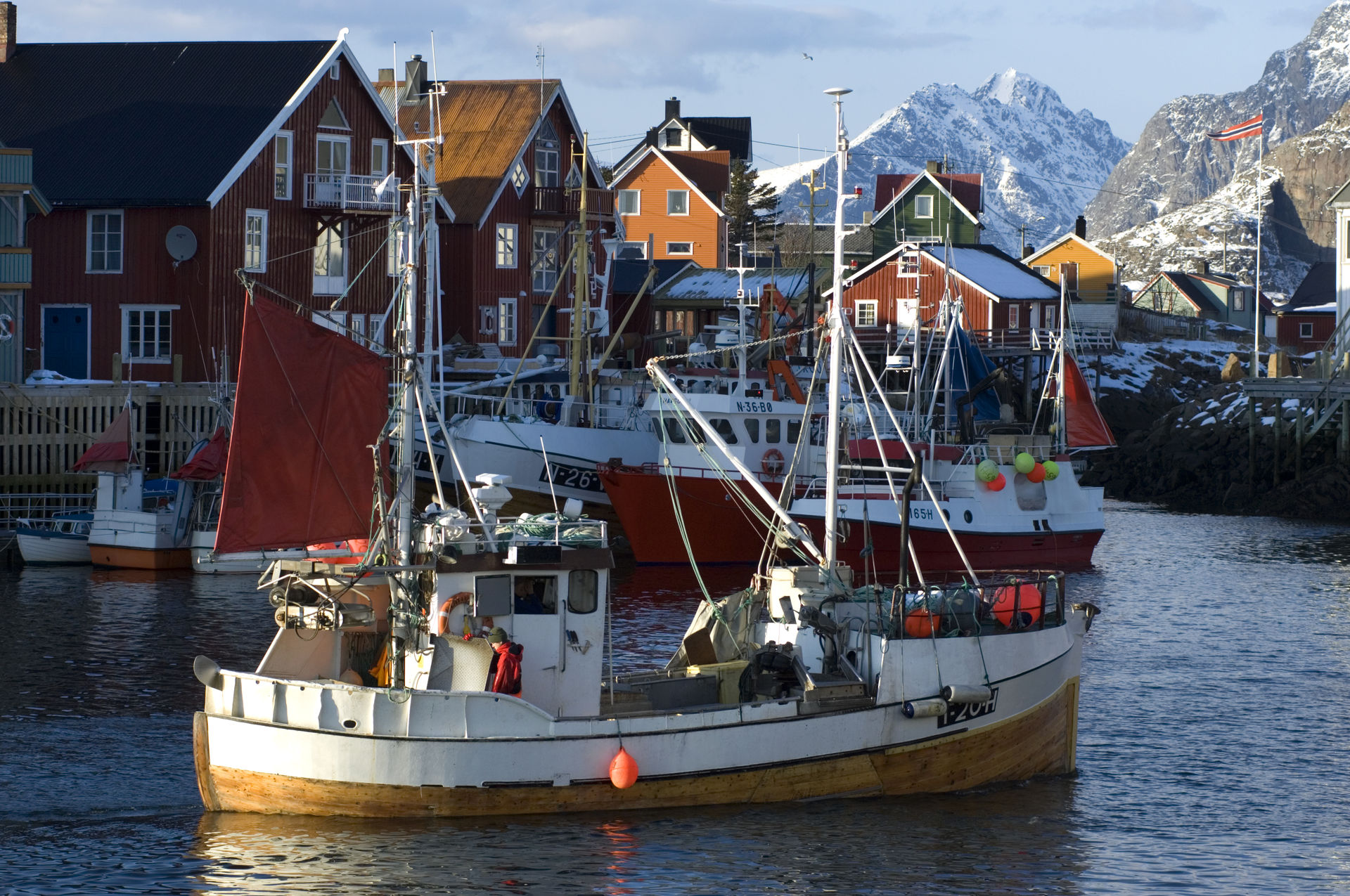
Around 1500, Basque fishermen went fishing off the coast of Newfoundland in Canada. To transport the fish back to Europe, they salted the fish heavily. Around 1690, this method became known along the Northwestern coast of Norway, around the town of Kristiansund – transmitted by the Dutch. The method was further developed by drying the salted fish on the smooth surfaces of coastal cliffs. This preservation method allowed fish to be preserved further south, where milder winters would otherwise make stockfish rot.
Clipfish changed Norway’s alcohol regulations
In the 18th and 19th c., clipfish production and exports flourished along the coast. When Norway prohibited liquor and fortified wines during the first world war, Spain and Portugal threatened to block clipfish imports. To curb alcohol consumption without jeopardising a vital export industry, Norway introduced the state alcohol monopoly in 1922 – a system that remains in place today. Trade wars are thus nothing new.

Clipfish is sold in many countries.
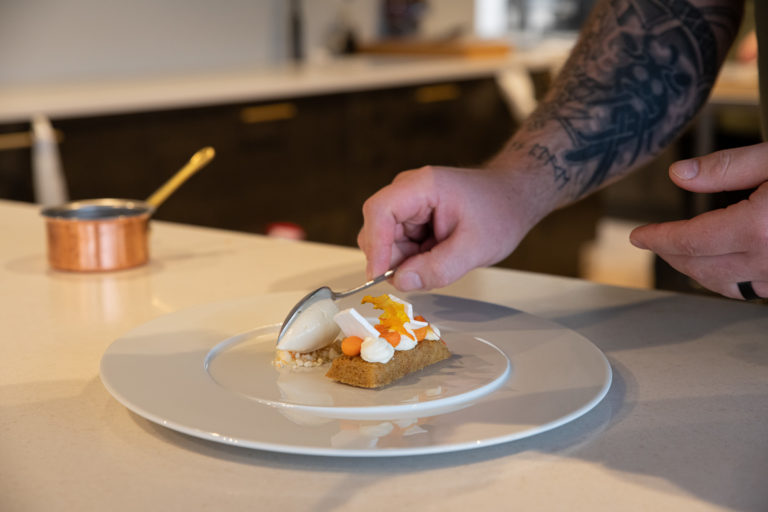
Clipfish has a much wider distribution than stockfish. The Italians call it baccalà, and it’s consumed in many parts of the country. In Rome, baccalà fritto – battered and deep-fried – is typical Christmas food. However, Portugal is the single biggest consumer – eating 40% of all the clipfish. Bacalhau – as it is spelled there – is served in many varieties, from bolinhos – little deep-fried balls eaten to dry port as an appetiser – to oven baked cod gratins.
Bacalao found its way back to Norway
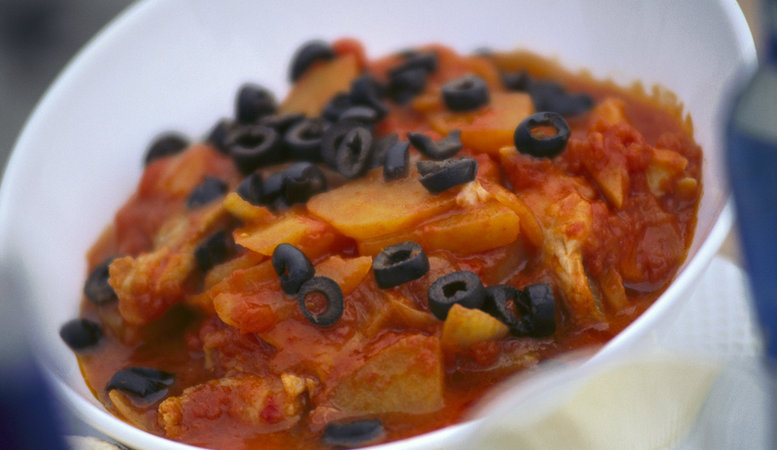
In Spain – particularly Galicia, the Basque Country and Catalunya – bacalao is also popular. The bacalao a la viscaína with potatoes and tomatoes has in fact found its way to Norway – usually called just “bacalao” on menus. In Provence, la morue salée is turned into brandade – cooked in milk, shredded and mixed with mashed potatoes.
Coconut milk or chile güero
For Christmas and Easter, Brazilians traditionally eat their clipfish oven baked with potatoes, onions and tomatoes. Or you can get it with coconut milk or coriander for a tropical twist. In Mexico, a tomato sauce is spiced up with “chile güero” – a mild and sweet pepper – along with raisins and almonds. In some corners of Latin America, saying “Norway” may draw a puzzled look. Saying “the country where bacalao comes from” can be surprisingly effective.
Catholic lent days started it all
It is hard to imagine all this without the religious aspect. Traditionally, Catholics were obliged to eat fish on Fridays. There were long lent periods, most notably the 7 weeks before Easter – in which meat was banned. On Good Friday and Christmas eve, indulging in meat was particularly frowned upon When the Reformation swept across Northern Europe in the 16th c., these customs suffered a slow death. However, in Southern Europe and Latin America, fasting was taken seriously right up to the present day. Although fasting is not longer an obligation for Catholics, the traditional dishes still make a compulsory appearance at the family table.
There are indeed more fish in the sea
Stockfish and clipfish may dominate the international stage, but they have a few lesser-known relatives at home. We are not entirely sure this information should be made public.
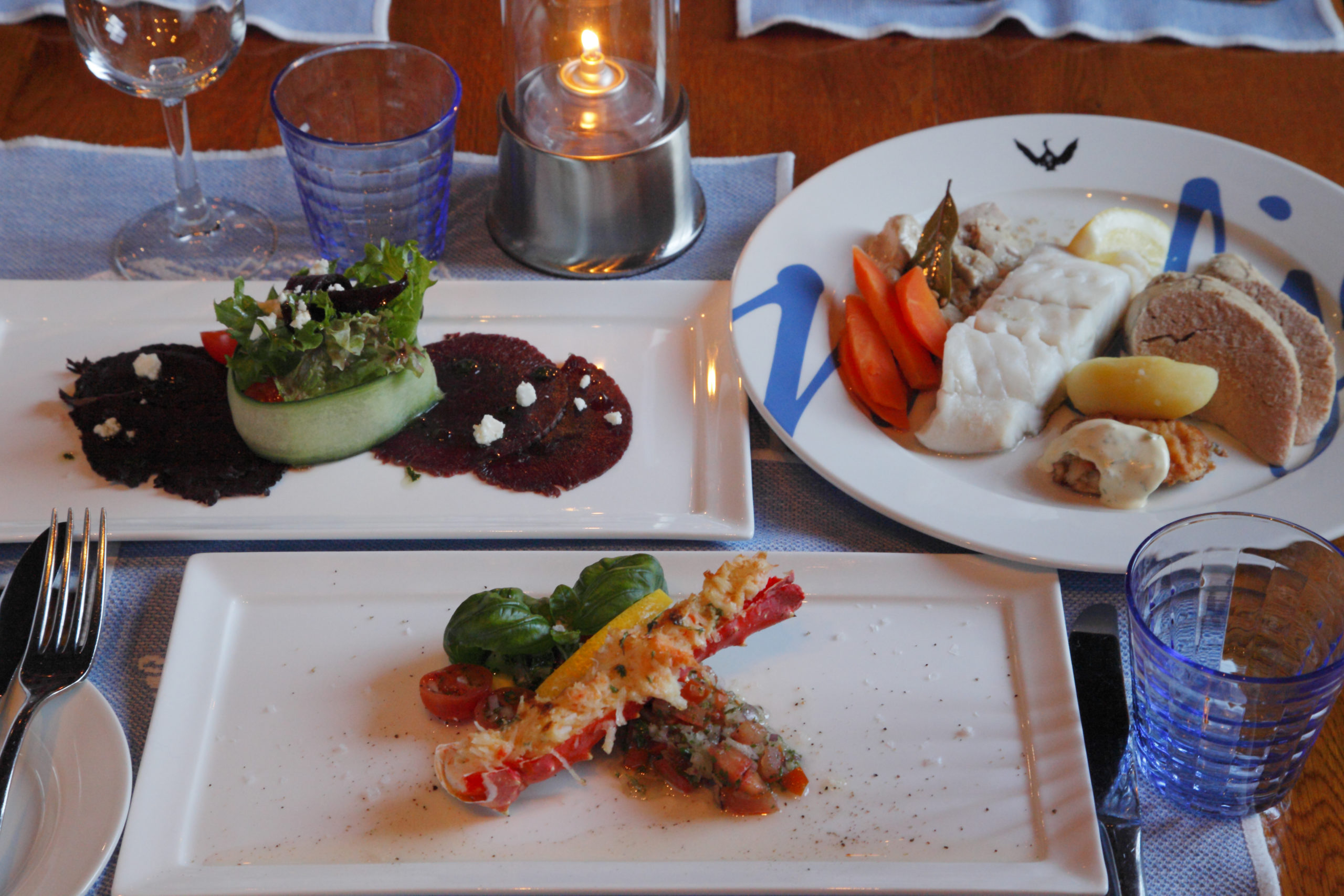
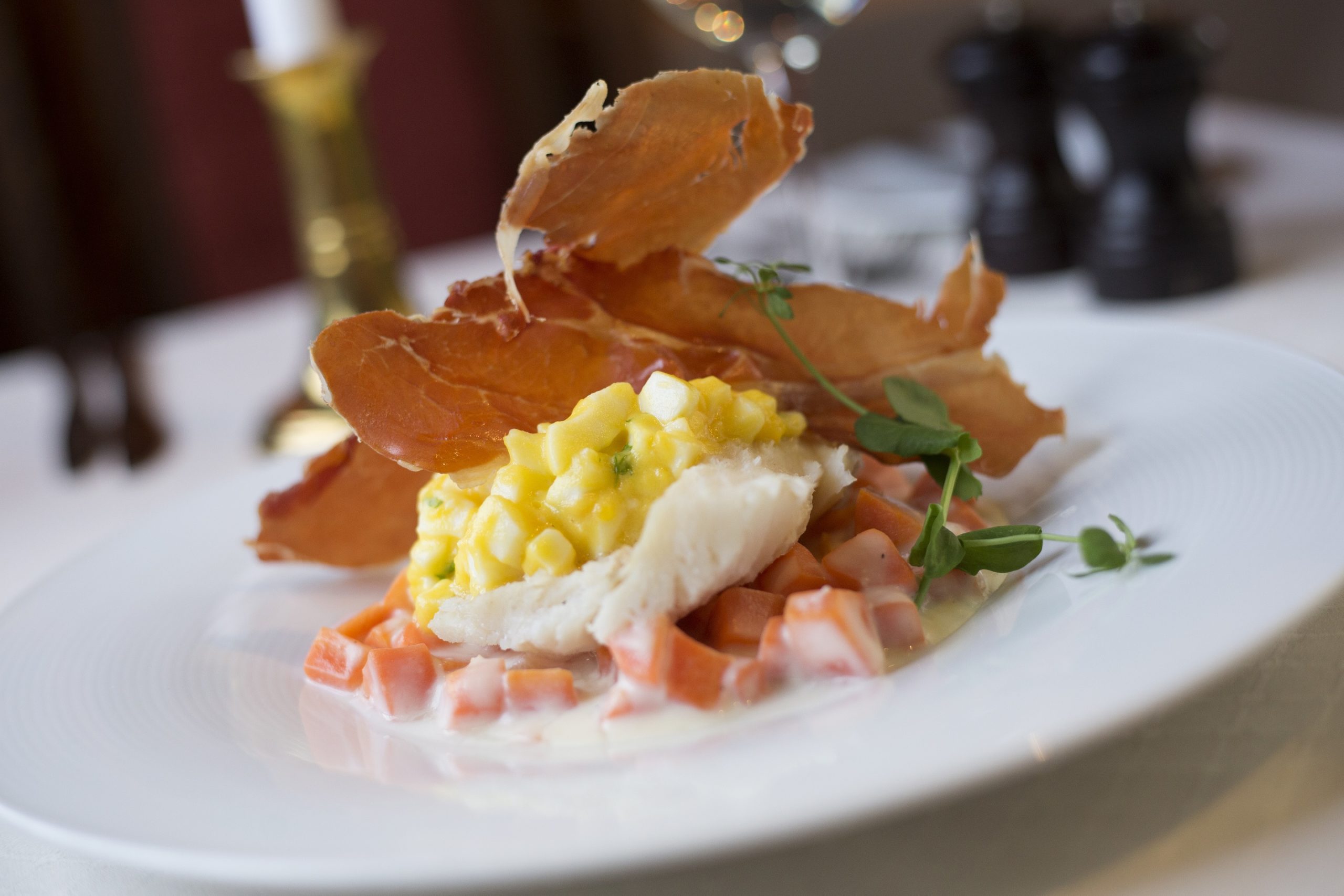
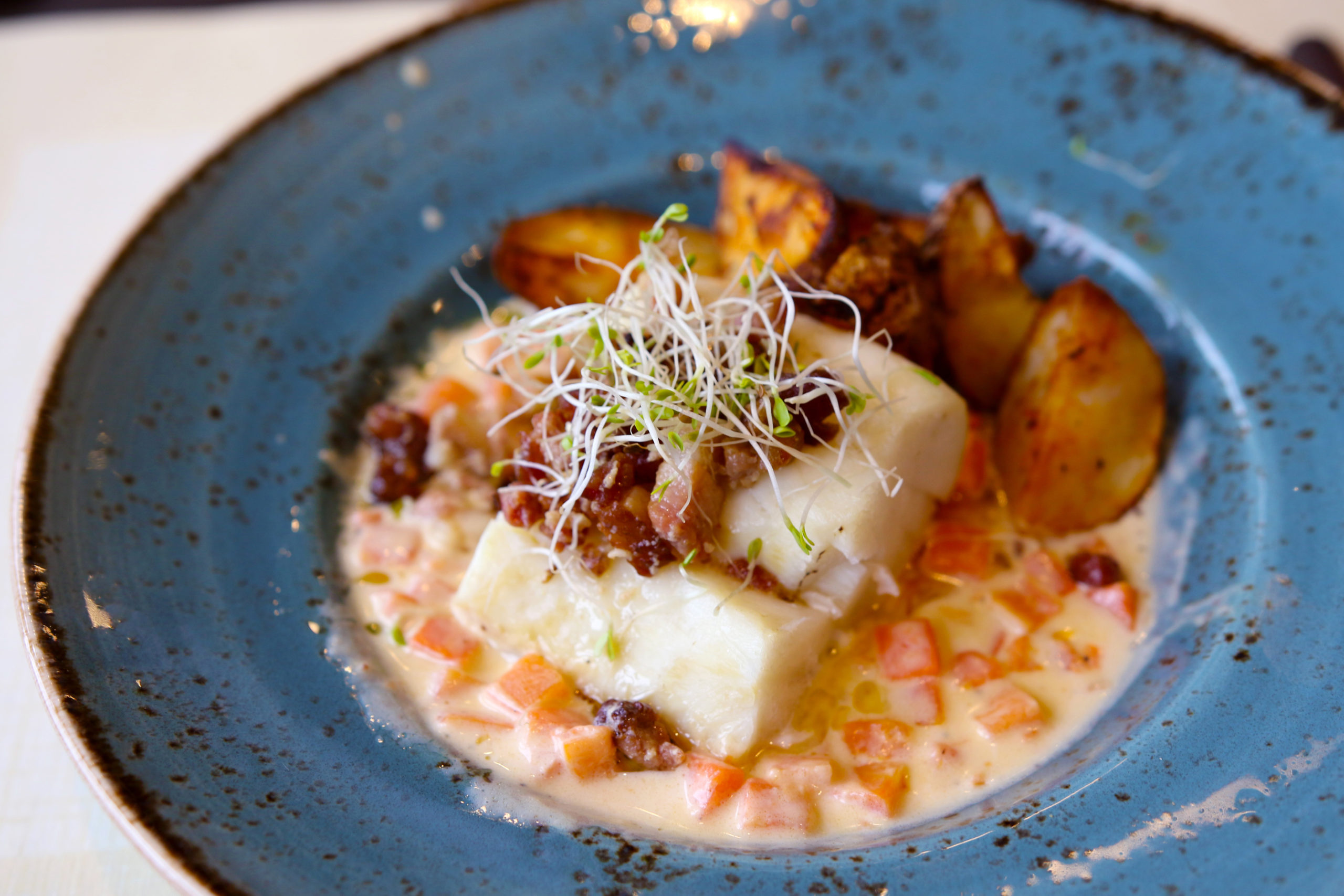
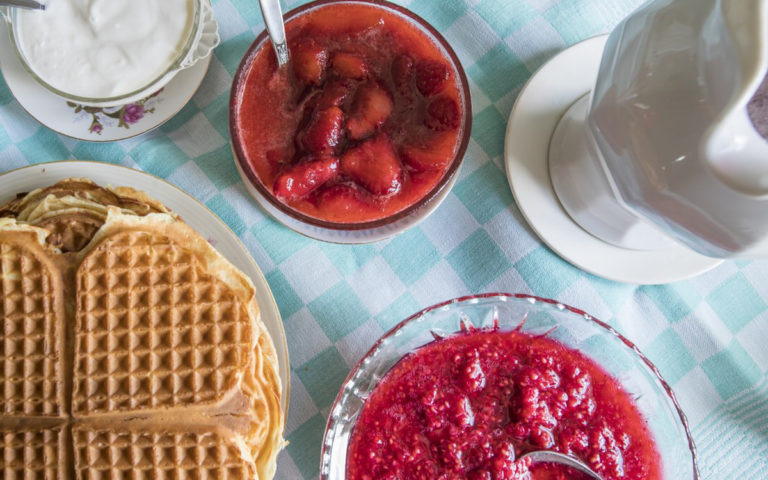
Boknafisk (often pronounced –fesk locally) is a sort of semi-dry cod. It is left to dry only for a few weeks, and then boiled and served with either mushy peas or creamed carrots with boiled potatoes. A sprinkle of crispy bacon is also part of it. Although it sounds somewhat particular, it looks, tastes and smells like fish the way we are used to it.
Lutefisk is a pre Christmas challenge
More controversial, though, is the lutefisk. Stockfish is soaked in water with a few drops of lye – caustic soda. The lye gently softens the fish, creating its characteristic silky texture. Boiled or oven baked, it is served with bacon, mushy peas and potatoes. Along with an array of other condiments; grated brunost (whey cheese), sirup, mustard, béchamel sauce, lefse (potato tortillas), crispy flatbread, lingonberries, creamed carrots… Lutefisk lovers disagree on the proper accompaniments but form a united front against the many lutefisk sceptics.
Where and when can you eat matured fish?
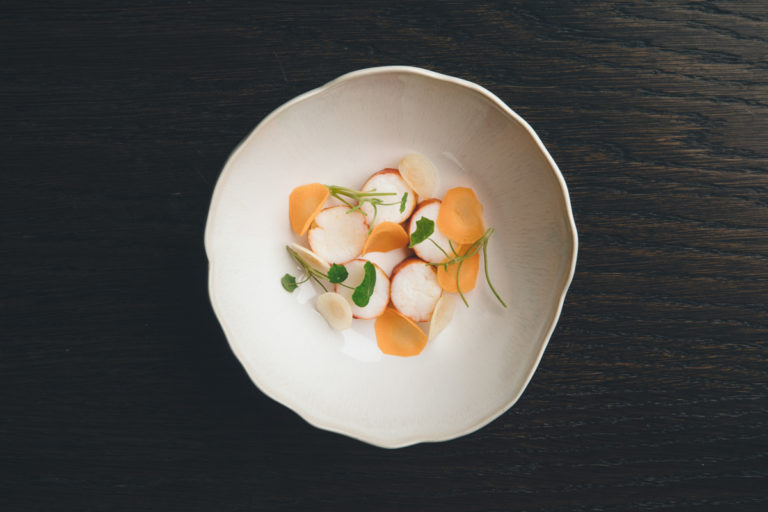
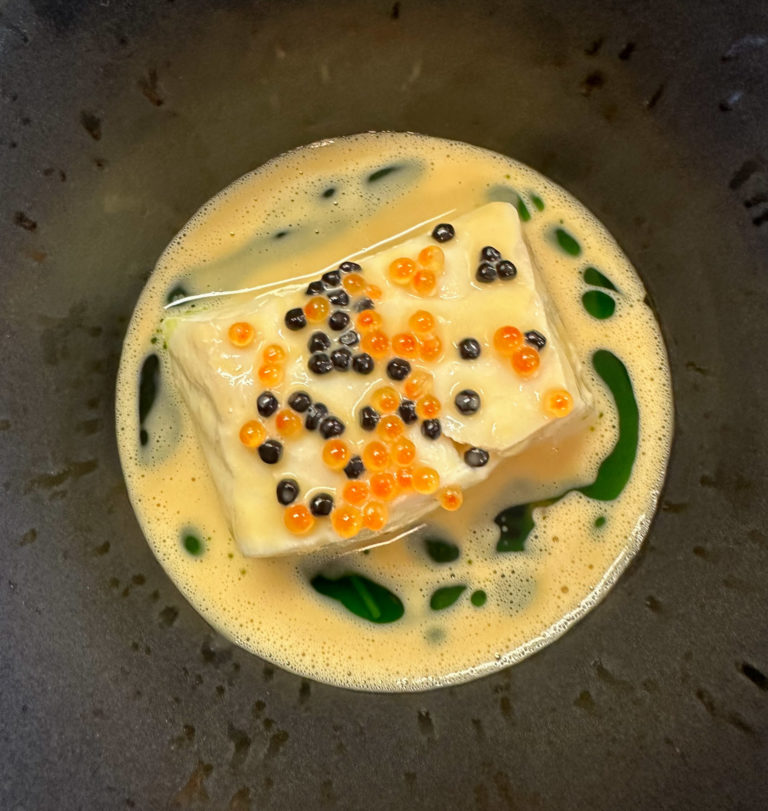
At the time of writing, we investigated the websites of a variety of restaurants and cafes in the Tromsø area. It resulted in a lot of grilled stockfish with varied accompaniments, boknafisk more true to the tradition and a few surprises.
- Arctandria’s grilled stockfish has many friends. It is served with bacon and traditional condiments. When darkness falls in autumn, they also serve a stylish variety of boknafisk with notably pureed carrot. A late-autumn hightlight is the lutefisk buffet. Long tables fill up with groups of friends and entire office teams. Any controversy over side dishes is neatly resolved by offering everything under the Northern Lights.
- The boknafisk at Skirri is served with pureed peas – tastes like mum’s with the looks of fine dining.
- Trattoria Polare cultivates Italian cooking with local ingredients, including grilled stoccafisso with Mediterranean ingredients. Stoccafisso e patate fritte is a nice, deep fried introduction to stockfish.
- Halvor’s Bæste is a budget-friendly lunch option, serving a boknafisk roll (inspired by a lobster roll). Their stockfish soup is with tomato. Bacalao out of saithe/pollack instead of cod is unusual – but every local knows saithe is a tasty fish. This friendly café is open for lunch some days in the week.
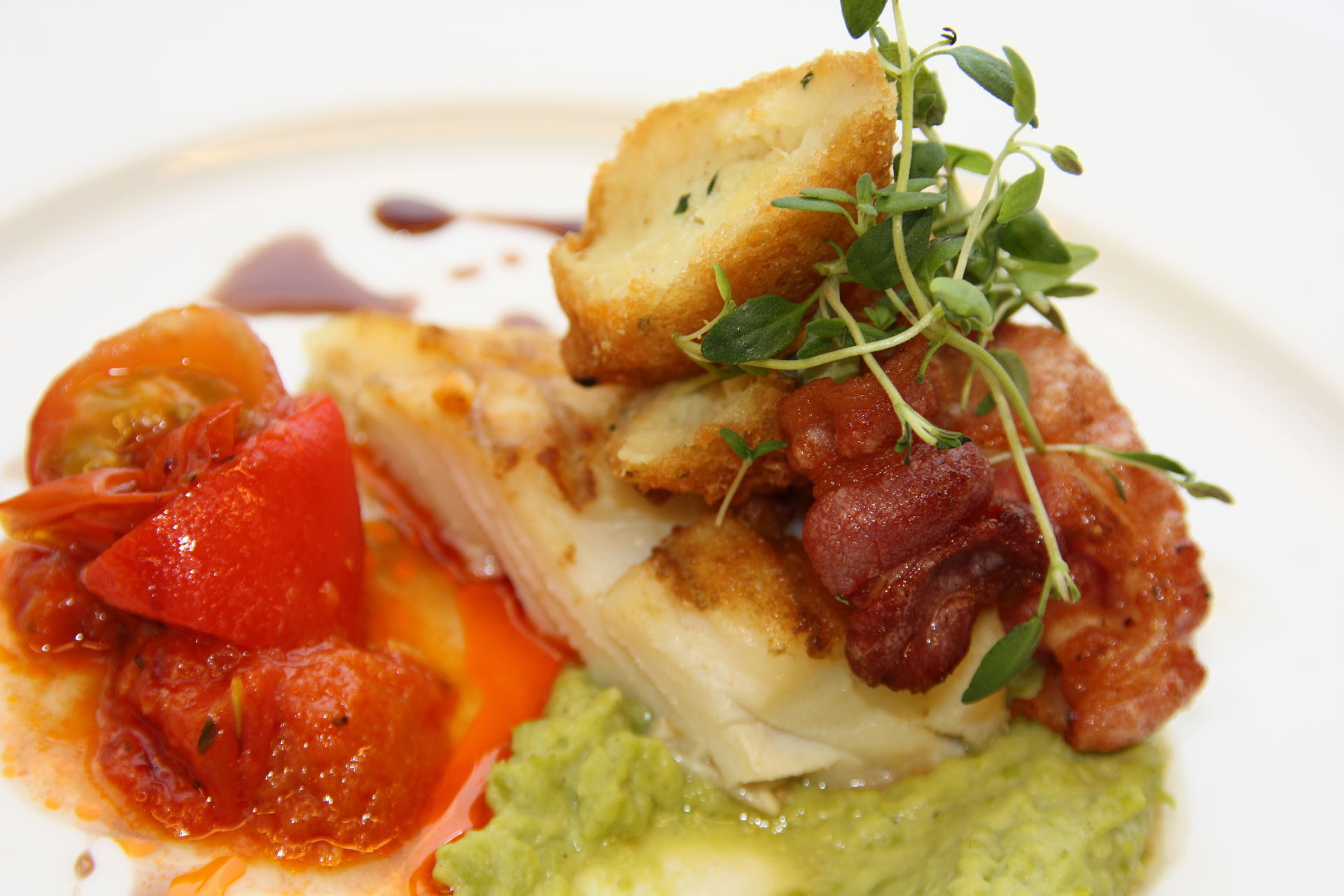
- At Bark in Harstad,the grilled stockfish comes with a creamy chorizo sauce and tomato concasse.
- Senja by heart in Torsken serves traditional boknafisk with both peas and carrots.
- Quality roadside cafes like Bios (stockfish au gratin with garlic), Senjastua (both boknafisk and grilled stockfish) and Gjestestua (bacalao) in Nordkjosbotn all embrace the tastes of matured fish.
When the chefs next rewrite the menus, another chapter in Northern Norway’s love affair with matured fish may be added. It is as true in Tromsø as it is in Messina – matured fish tends to appear more often on winter menus than summer ones. Then again, some traditions are simply too good to keep to a single season.
About the article: This article was written after a long talk with Ingrid Kristine Hansen at Halvors Tradisjonsfisk – a producer of stockfish, clipfish and boknafisk. Robert Isaksen from The Norwegian Seafood Council and Morten Lønstad from Arctandria in Tromsø also gave a helping hand.

Fishy facts – Stockfish, clipfish and their relatives
Stockfish is unsalted cod that is dried naturally by wind and cool air, traditionally on wooden racks along the Norwegian coast. Clipfish is salted before it is dried. Both methods preserve the fish for long periods, but they result in very different flavours and textures.
Stockfish is one of the world’s oldest preserved foods. The cool winter climate of Northern Norway allows cod to dry naturally without salt. The result is a concentrated flavour that has been appreciated from Northern Norway to Italy for centuries.
Salt became widely available in Europe during the Middle Ages and made it possible to preserve fish in warmer climates. Salted and dried cod became a staple food in countries such as Portugal, Spain and Brazil.
Boknafisk is cod that is partially dried. It is hung outdoors for a shorter period than stockfish and remains softer and moister. In Northern Norway, it is often served with potatoes, peas, bacon and melted butter.
Lutefisk begins as dried fish, traditionally stockfish. The fish is soaked in water and lye before being soaked again in fresh water. This process creates its famously delicate texture. Lutefisk is a beloved seasonal dish in Norway, particularly around Christmas.
Similar traditions are also found in Sweden and Finland, where lutefisk is often made from ling rather than cod. Scandinavian emigrants brought the tradition to North America, and lutefisk remains a familiar sight at church suppers and community gatherings across parts of the American Midwest.
Drying and ageing change the fish’s texture and concentrate its flavour. Much of the water disappears, while natural enzymes continue to work. The result is a deeper, more savoury taste that many compare to the way ageing affects cheese, cured ham or wine.
Yes. Drying, salting and other traditional preservation methods have been used safely for centuries. Properly prepared stockfish, clipfish, boknafisk and lutefisk are all perfectly safe to eat.
For centuries, preserving fish was essential for survival and trade. These products could be stored for months and exported across Europe. Today they remain an important part of Northern Norway’s food culture.
Not necessarily. Many cultures dry fish, but Norwegian stockfish traditionally refers to cod that has been naturally air-dried without salt in the cool climate of Northern Norway. The method, species and climate all contribute to its distinctive character.
Yes – patience is the main ingredient. Stockfish needs several days of soaking before it is ready for the pan, oven or casserole. Read more about preparing stockfish here.
Yes. The fish must first be soaked to remove excess salt and restore its texture. Read more about preparing clipfish here.