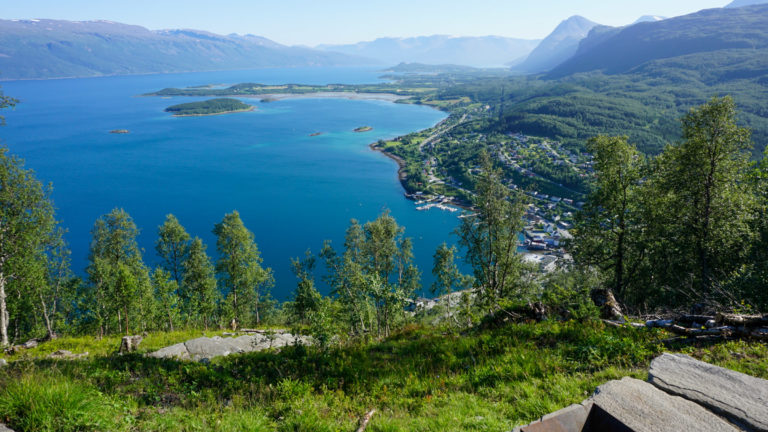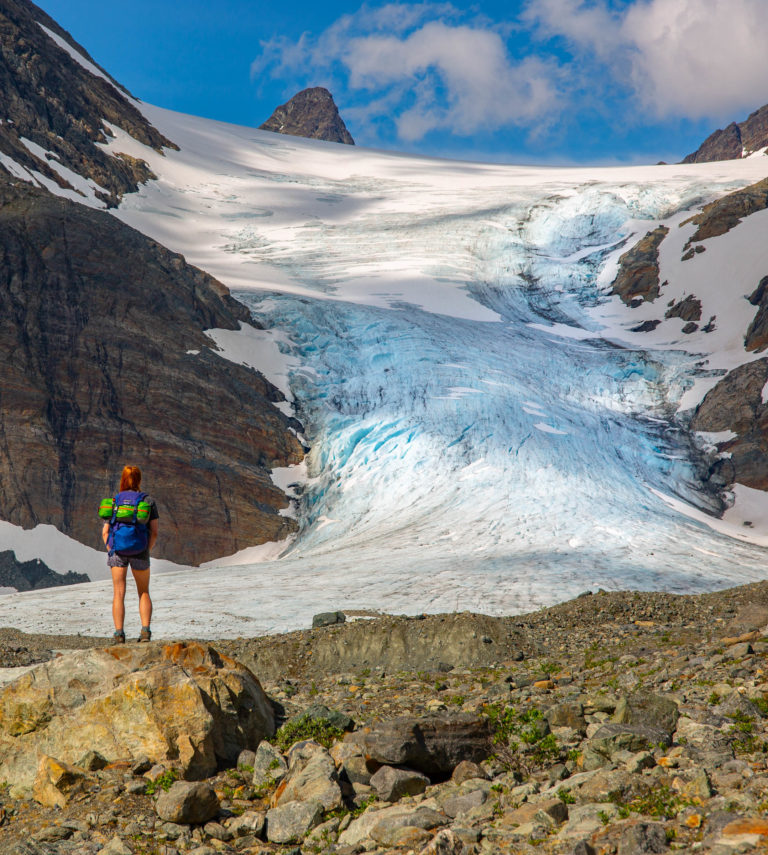
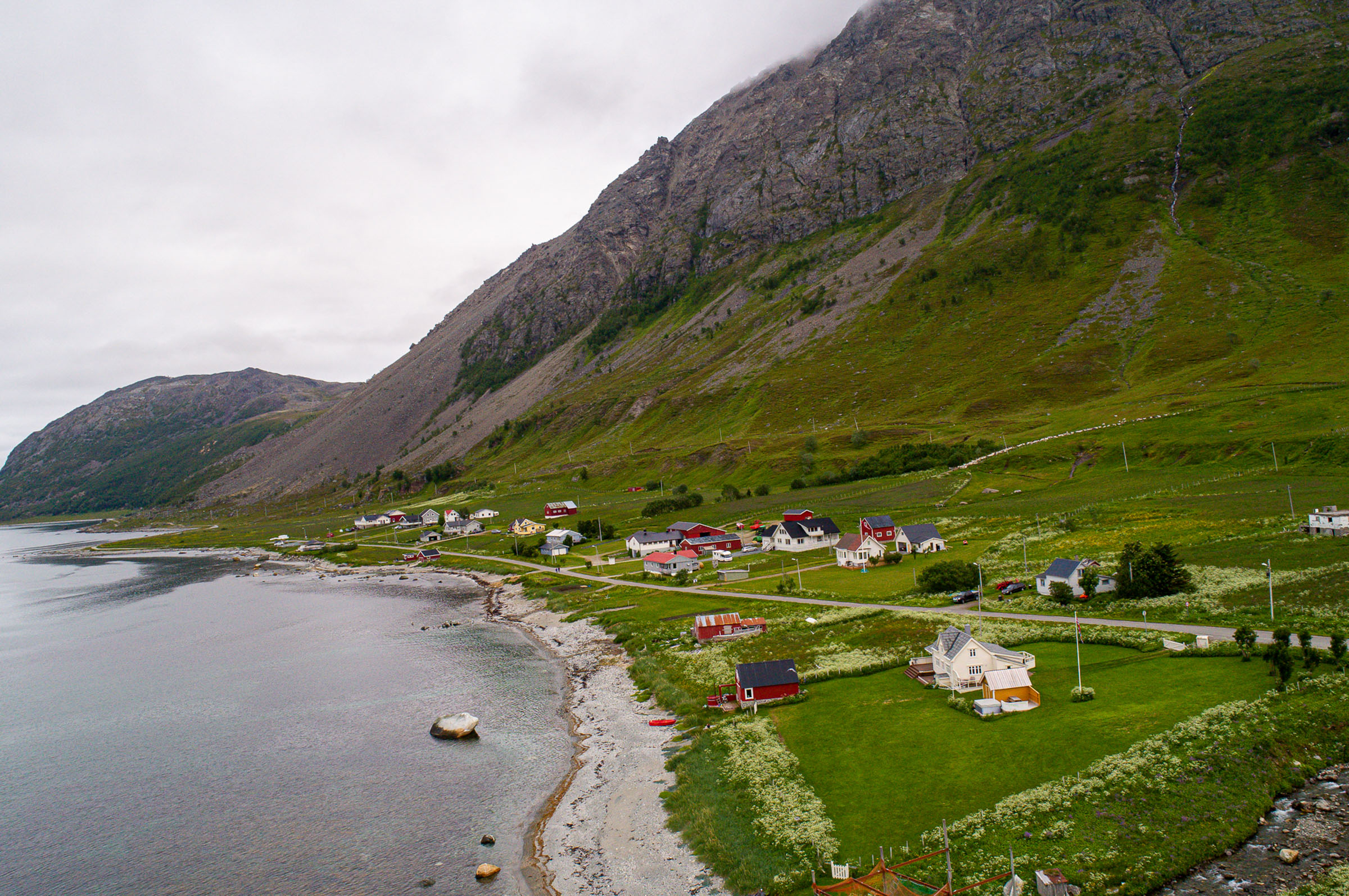
Lyngen is best known for its alpine peaks and demanding mountain tours, but there are also beautiful areas suited for shorter walks. I am fortunate enough to have family in Nord-Lenangen, and over the years I have made several trips to the northernmost point of the Lyngen peninsula. Lyngstuva has given its name to both the local football team and the village amateur theatre, and it holds a special place for people who live here. Along the trail, a simple guestbook awaits visitors who want to leave their name before continuing towards this easily accessible summit.
About an hour’s walk
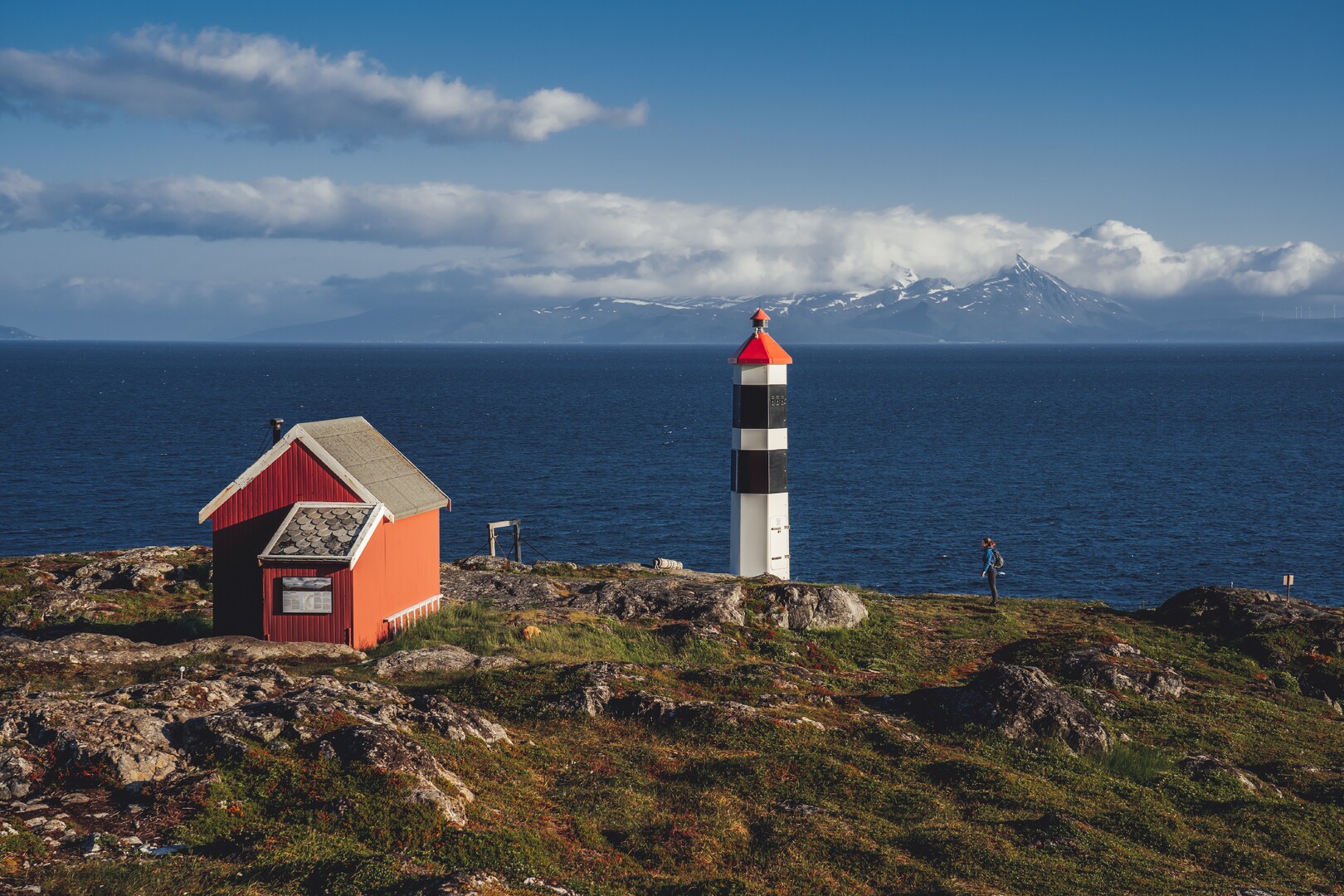
A designated parking area lies just beyond Russelv, where the walk begins along an easy tractor track. The terrain is flat and gentle at first, with a small shelter offering a place to rest. The climb comes towards the end, where the path divides — the easier route follows the trail to the right. With its highest point only 90 metres above sea level, the walk is manageable for most people.
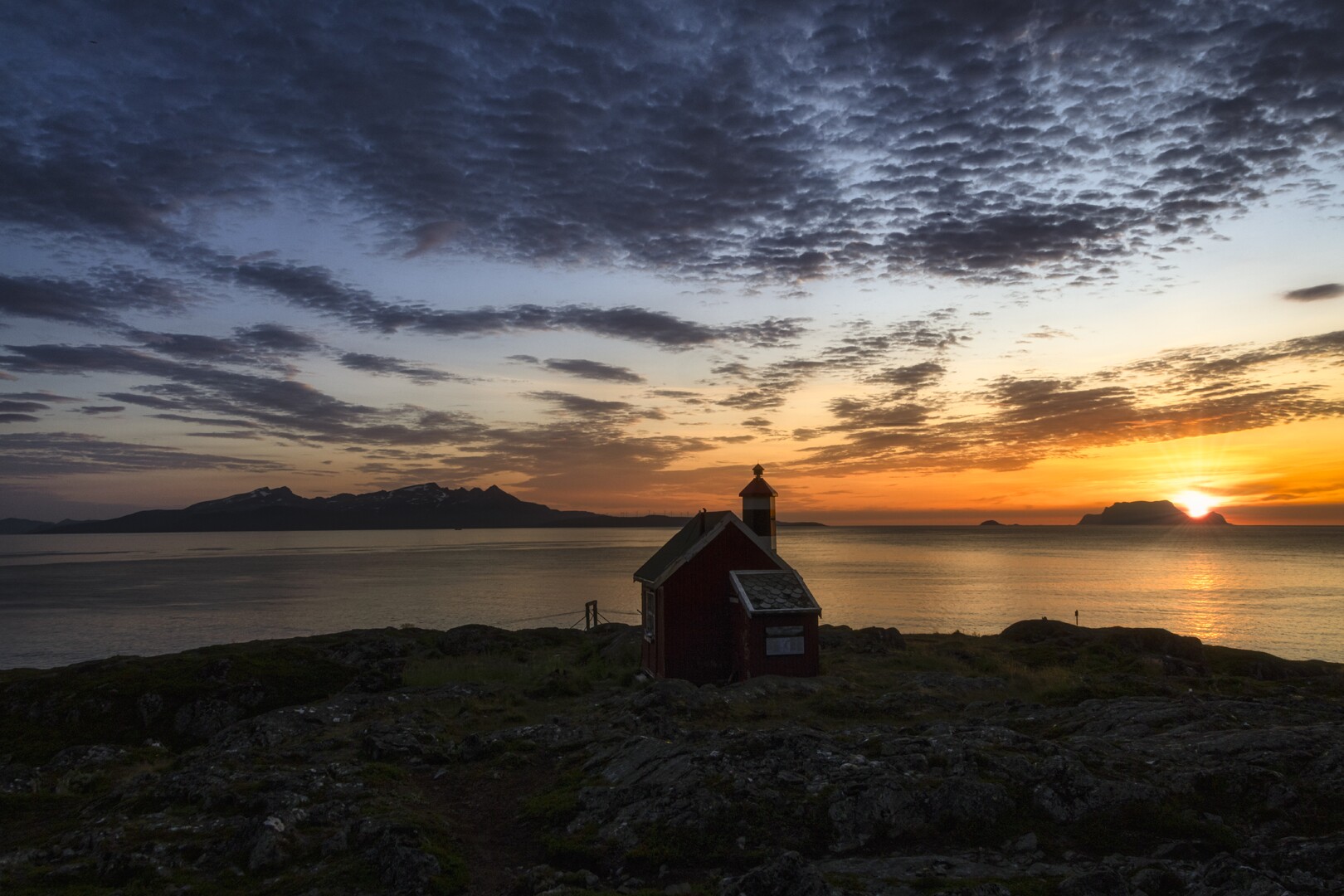
Over time, I have come to realise that the path towards the lighthouse also carries a rich and fascinating history. According to historians at the University of Tromsø, this area once marked Norway’s outer frontier. It is something to reflect on as you approach the small cabin beside the lighthouse, quietly celebrating its hundredth anniversary in 2022.

Shelter for those tending the light
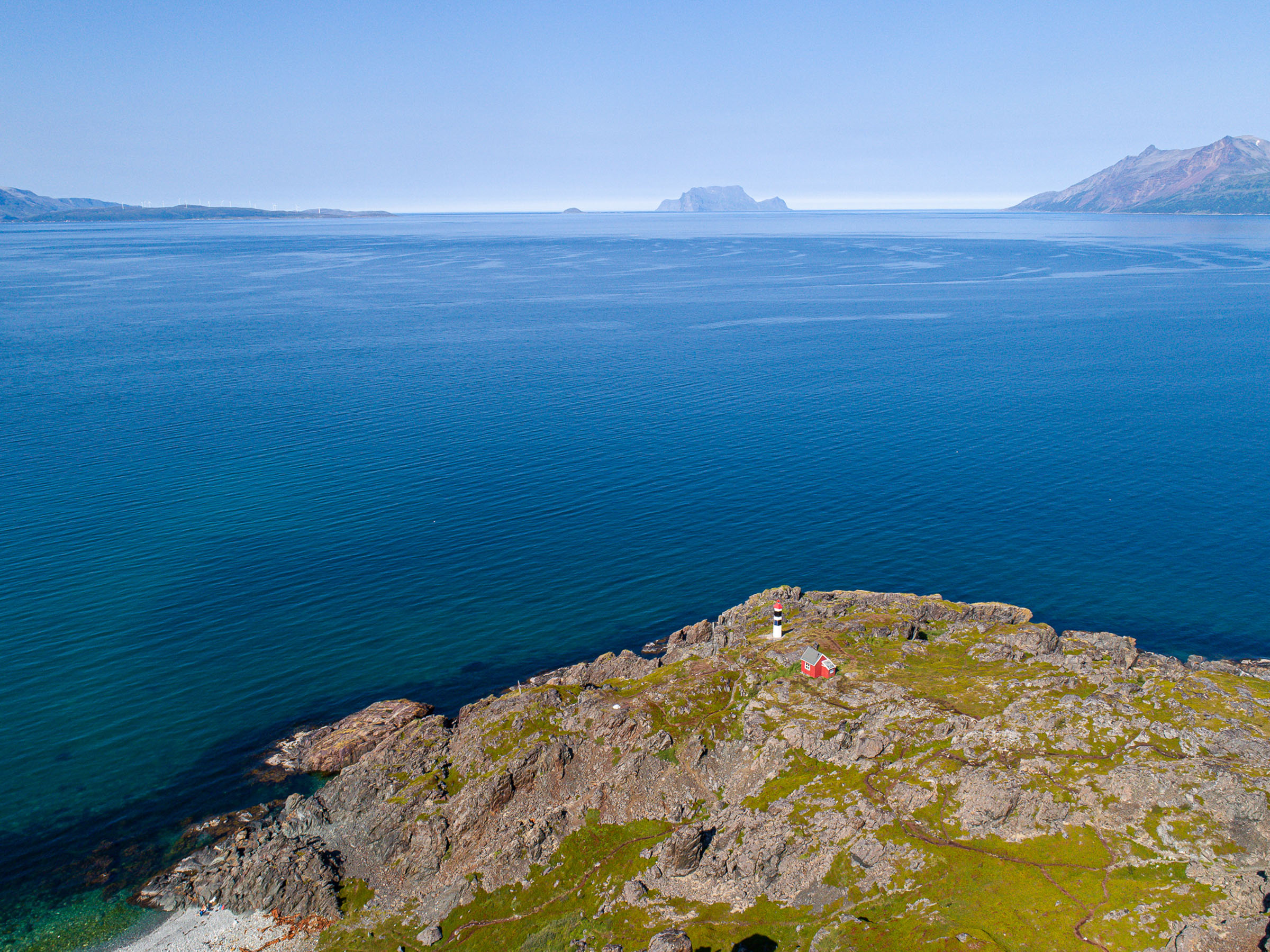
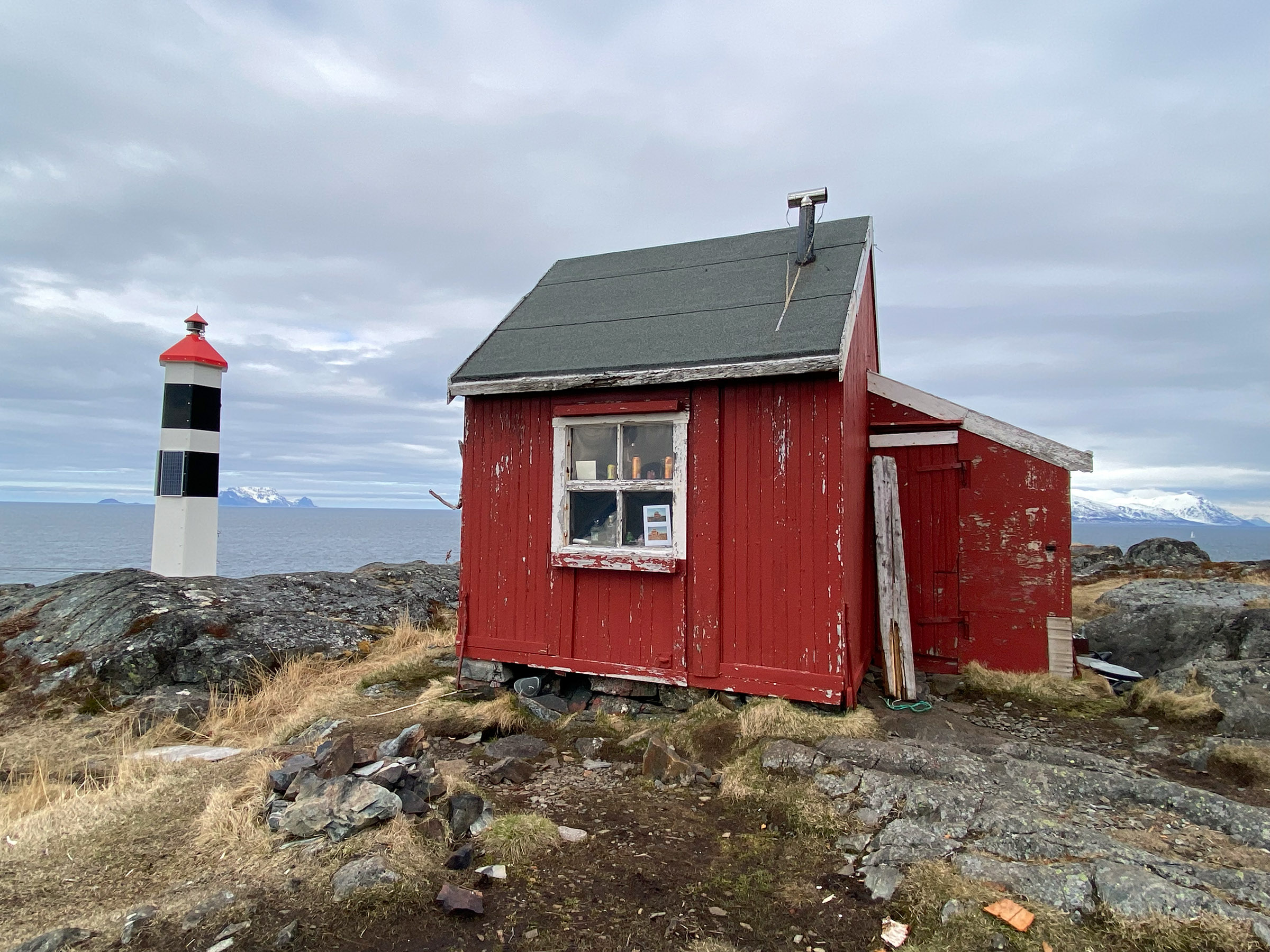
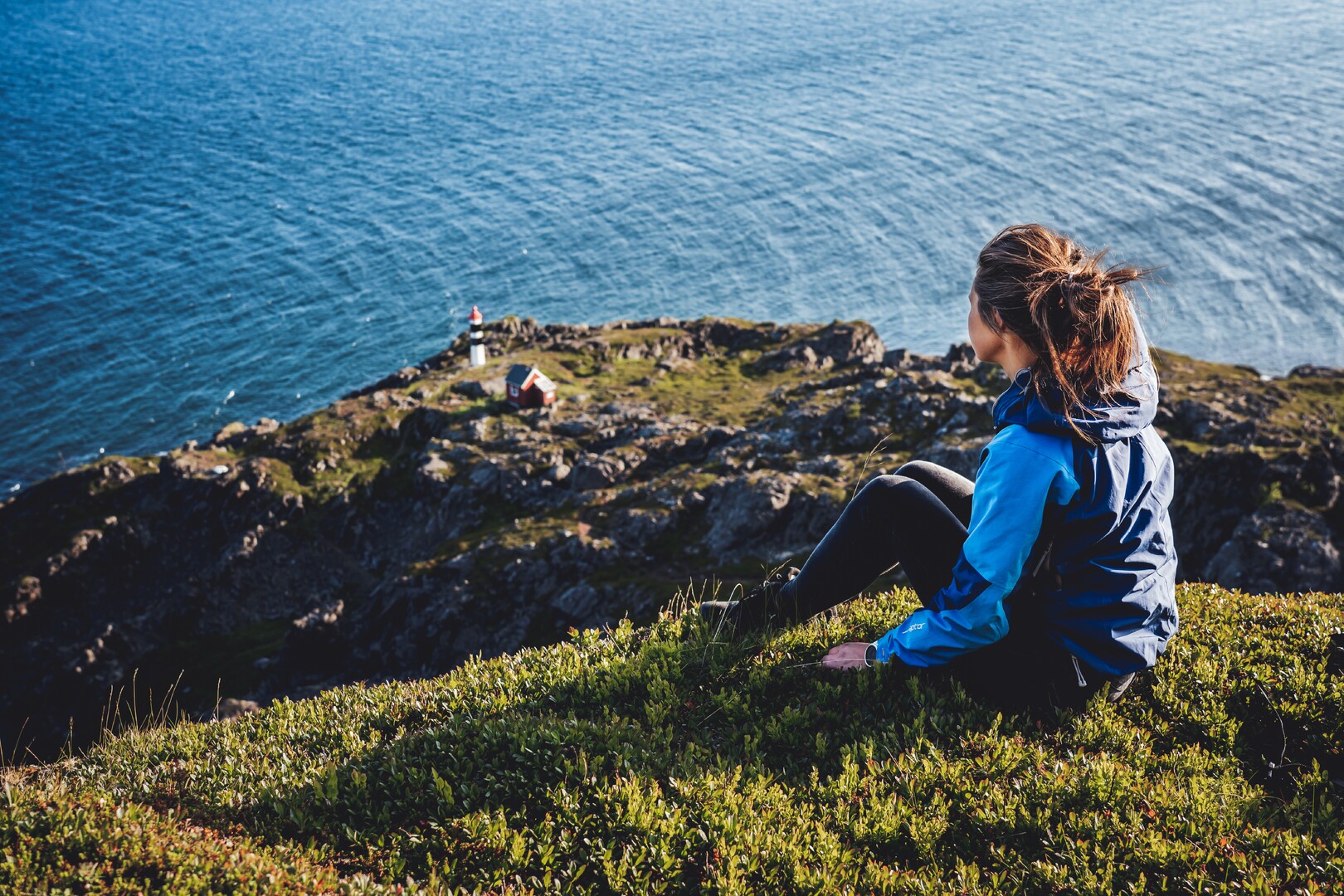
Next to the lighthouse stands a small hut. Built in 1922, it served as shelter for those responsible for maintaining the light. The work had to be done regardless of weather or snow conditions, and the modest cabin must have been a welcome refuge. Today, it has become a small and weathered gem, shared by travellers from all over the world.
My heart remains at Lyngstuva
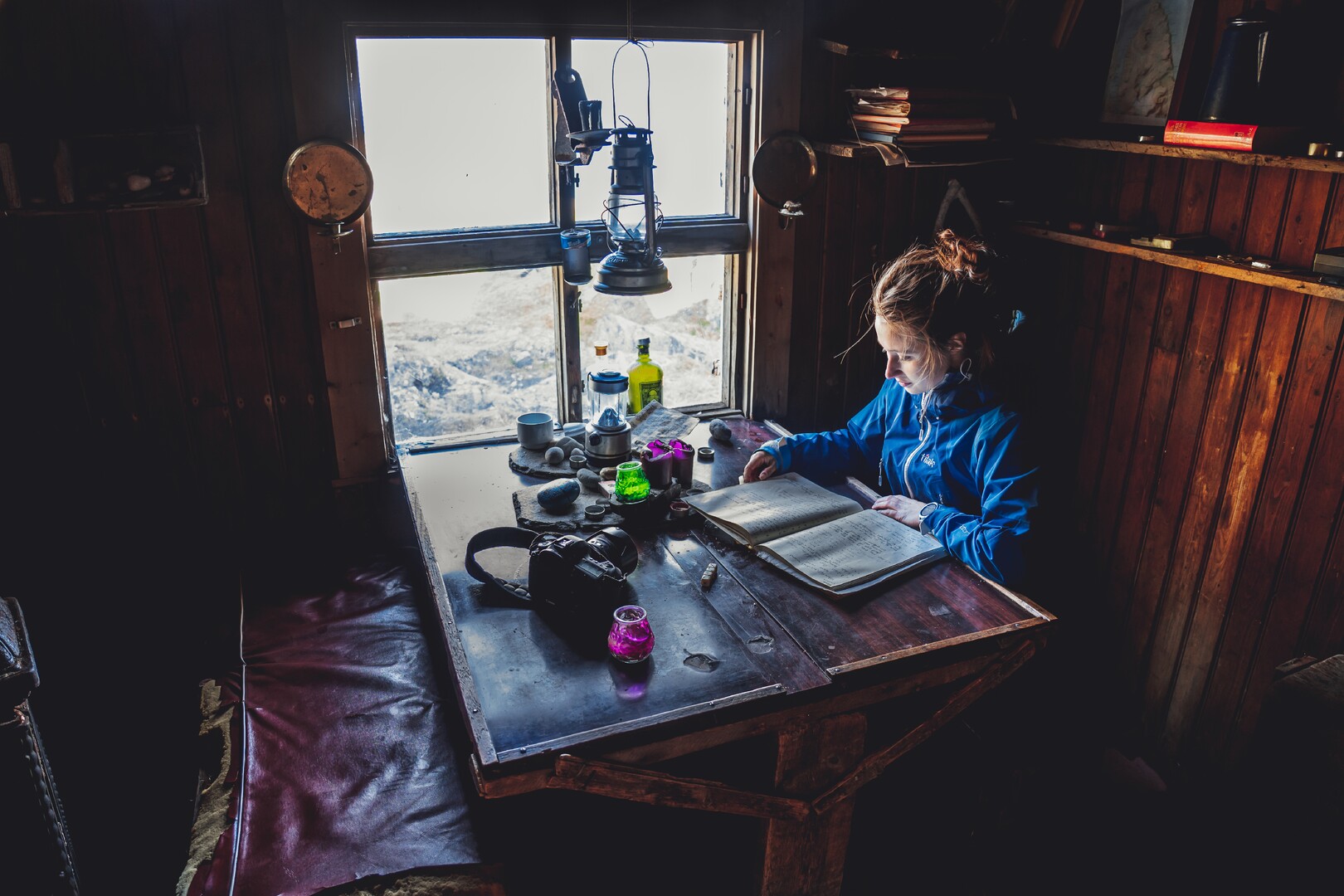
For many years the lighthouse cabin stood without maintenance, until two young German travellers took it upon themselves to restore it in the 1980s. Perhaps it was them who left a handwritten note still hanging on the wall: Even if I travel far away, my heart remains at Lyngstuva.
Today, visitors can sit at a small table inside and enjoy a cup of coffee when the wind picks up outside. For the more adventurous, there is also the possibility of spending the night in the unheated loft. A small stove stands in the corner, and a short text about the lighthouse tells the story of this place at the very edge of the Lyngen peninsula.
The trail crosses grazing land
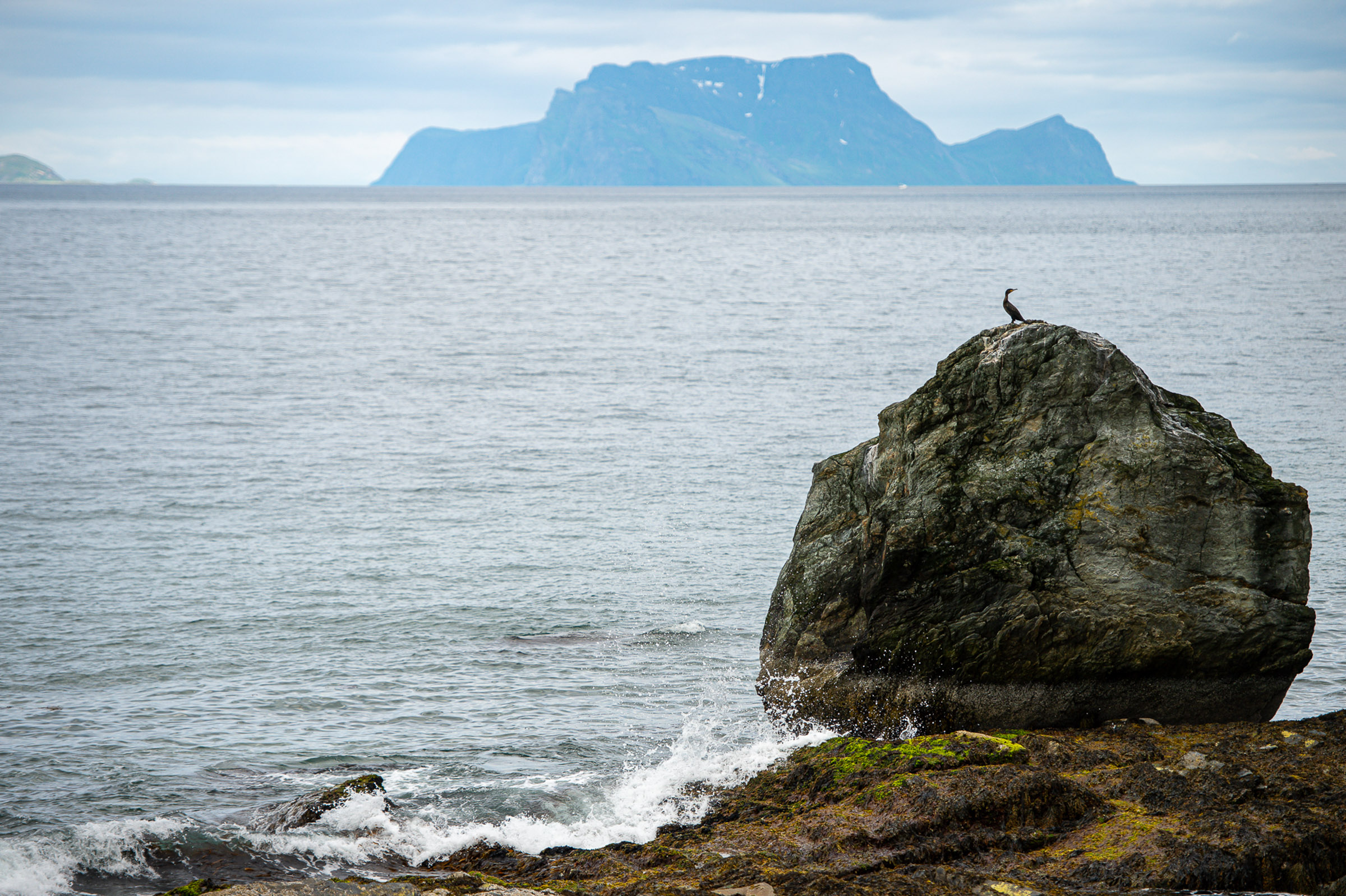
Bjarne Leonhardsen (69) lives in Russelv, the last village before Lyngstuva. He describes the walk as a favourite local outing — a place many residents visit regularly, whether daily or from time to time. But the area is more than just recreation; it is also used for grazing. Goats can often be seen feeding along the route, and old stone fences still mark where bulls in rut were once kept separate from the cows. Wildlife is part of the experience too, with otters, foxes and seabirds such as cormorants and sea eagles frequently seen in the area.
Walking in all kinds of weather
Because the lighthouse stands on land belonging to the farm, Bjarne’s family once carried responsibility for looking after it. His grandfather Johan began walking out here as early as 1922, in all kinds of weather, to carry out maintenance and refill the oil if the light went out. The small cabin was built precisely for this purpose — to provide shelter and, when necessary, a place to stay overnight.
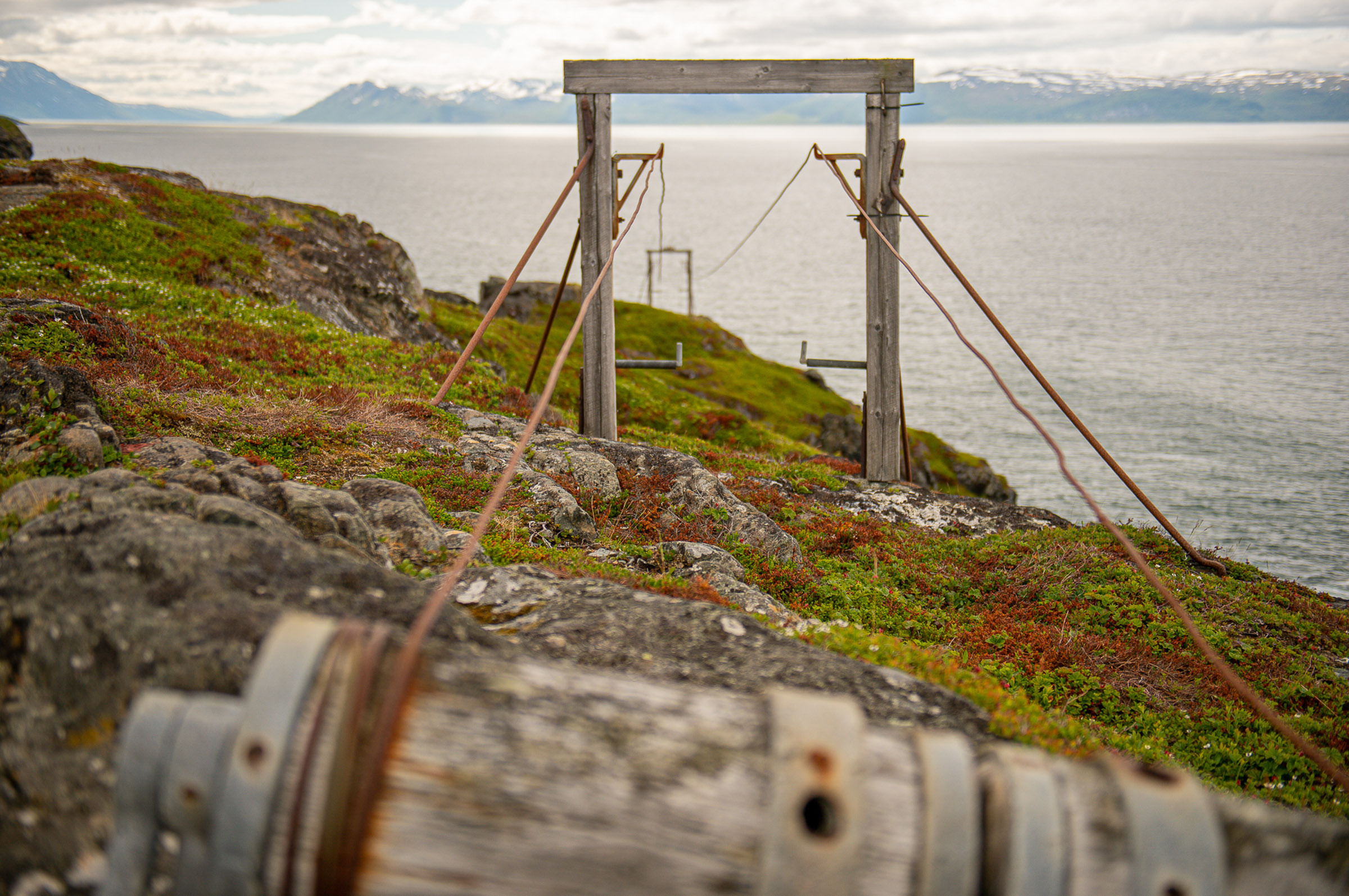
Near the edge you can still see the winch once used to haul oil up from the shoreline below. “We took over the farm in 1981, and I’ve had many demanding walks out here to check the light,” Bjarne says. “For the boats passing outside, it was vital that the light was working.” Today, the old lighthouse has been replaced by a modern light powered by solar panels.
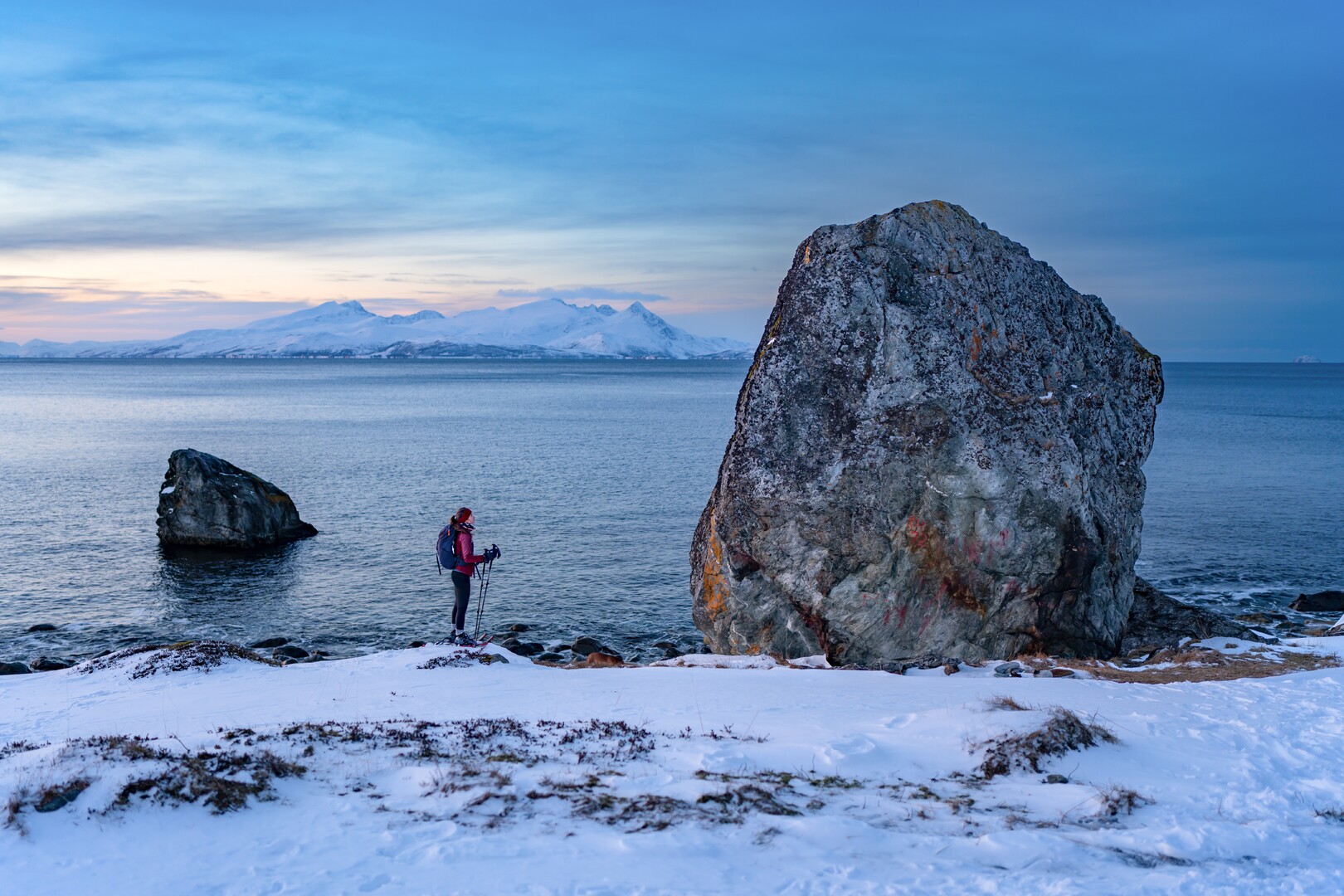
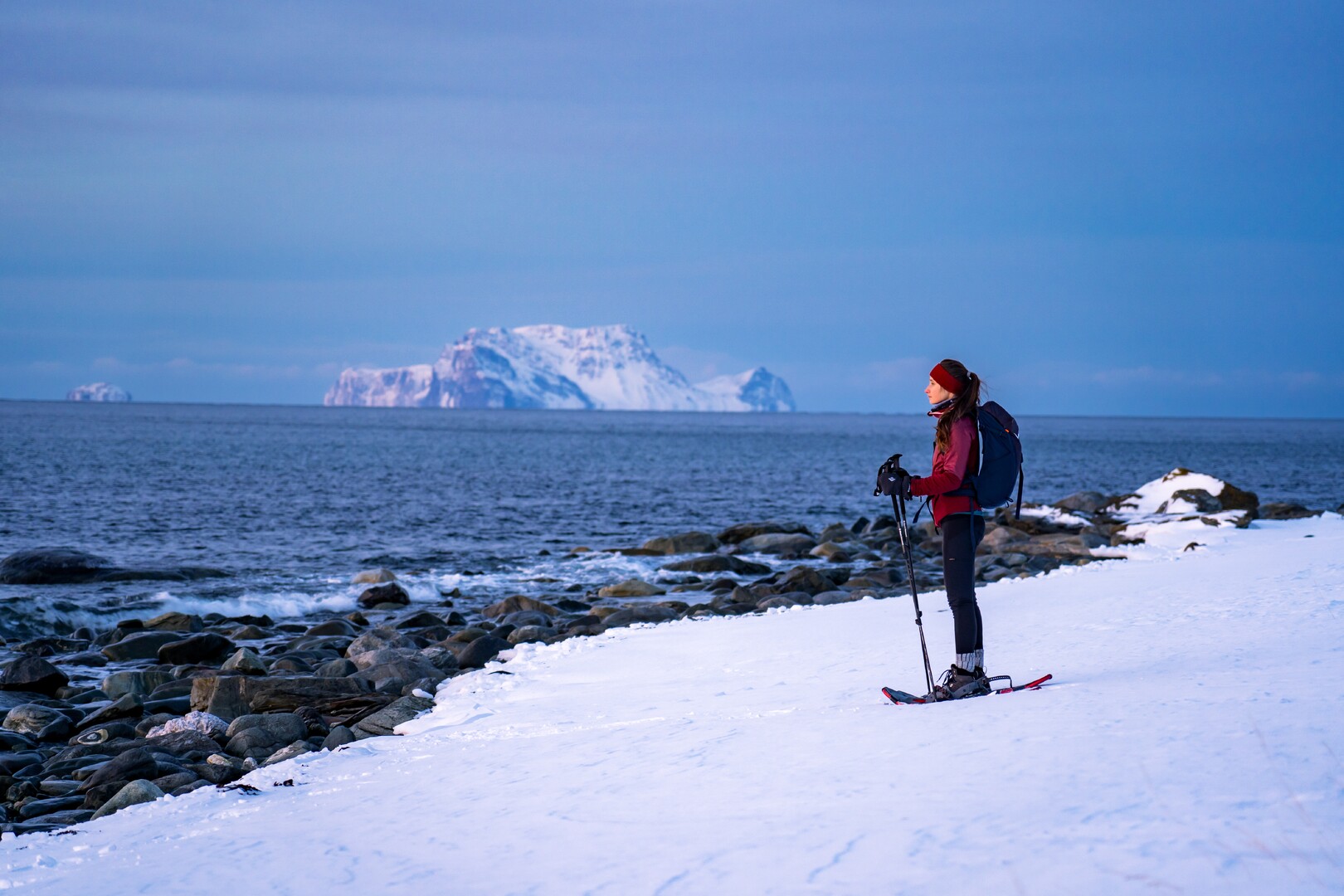
Lyngstuva at the edge of the border
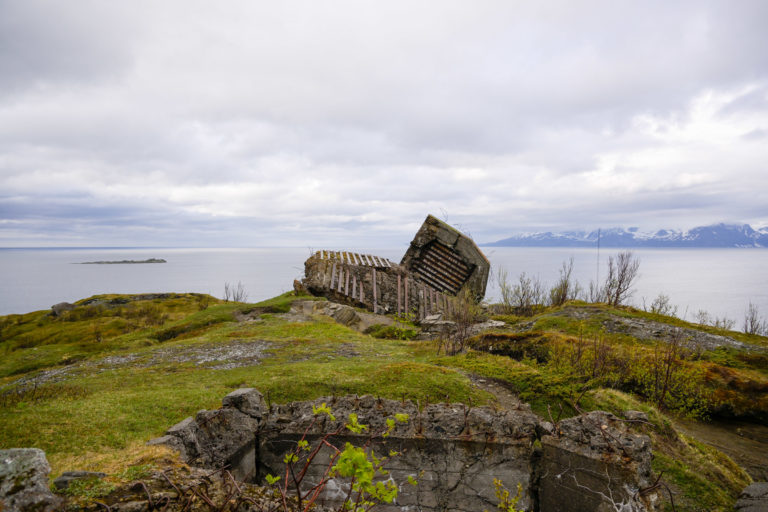
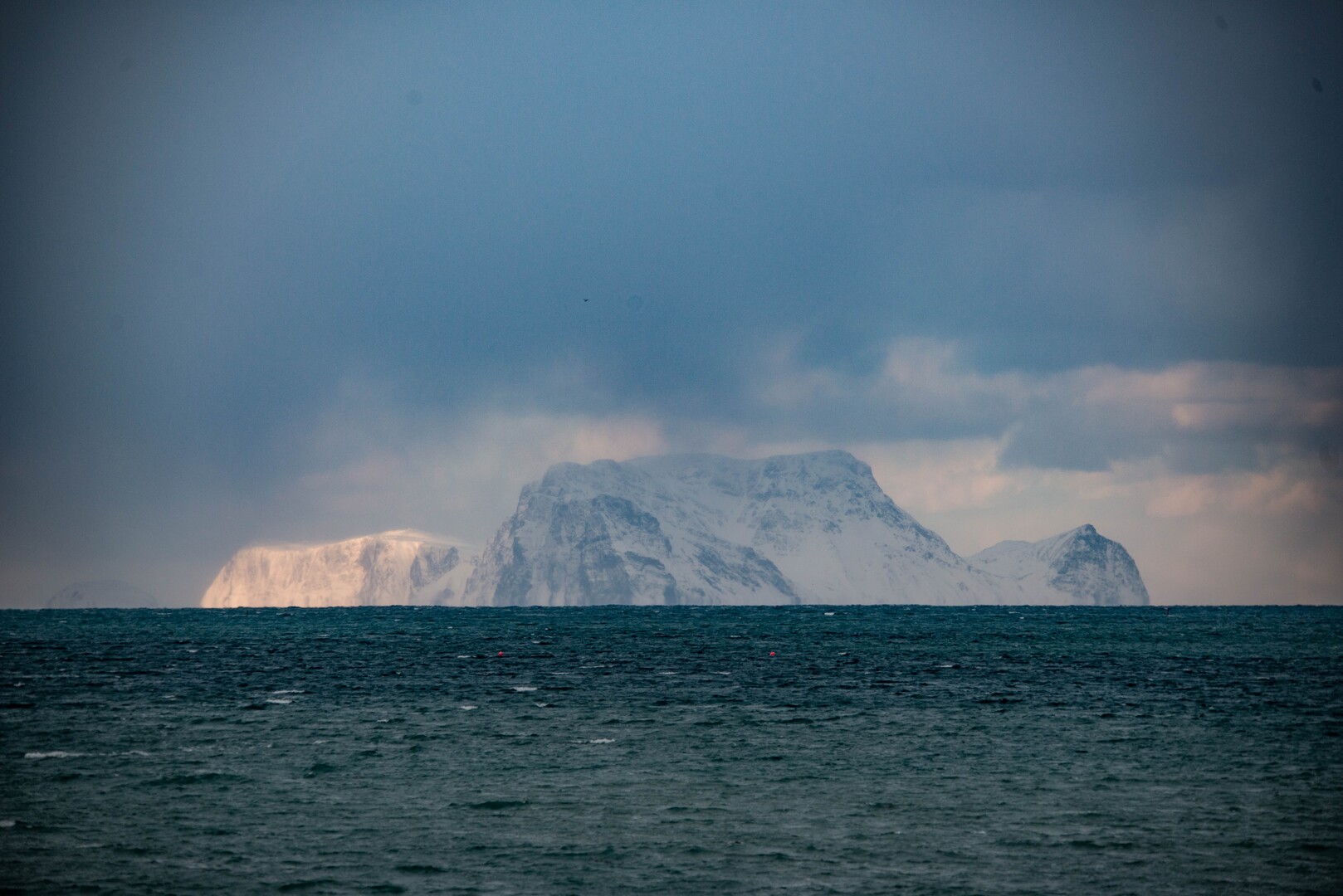
According to some researchers, Lyngstuva marked Norway’s outer frontier from the 14th century onwards. Standing here and looking north and east, you are facing an area that once functioned as a buffer zone between Norway and Russia. For several centuries, the region was primarily inhabited by Sámi communities, who were taxed by both kingdoms. In the far north, borders were often loosely defined, and control was exercised through taxation and seasonal presence rather than fixed boundary lines.
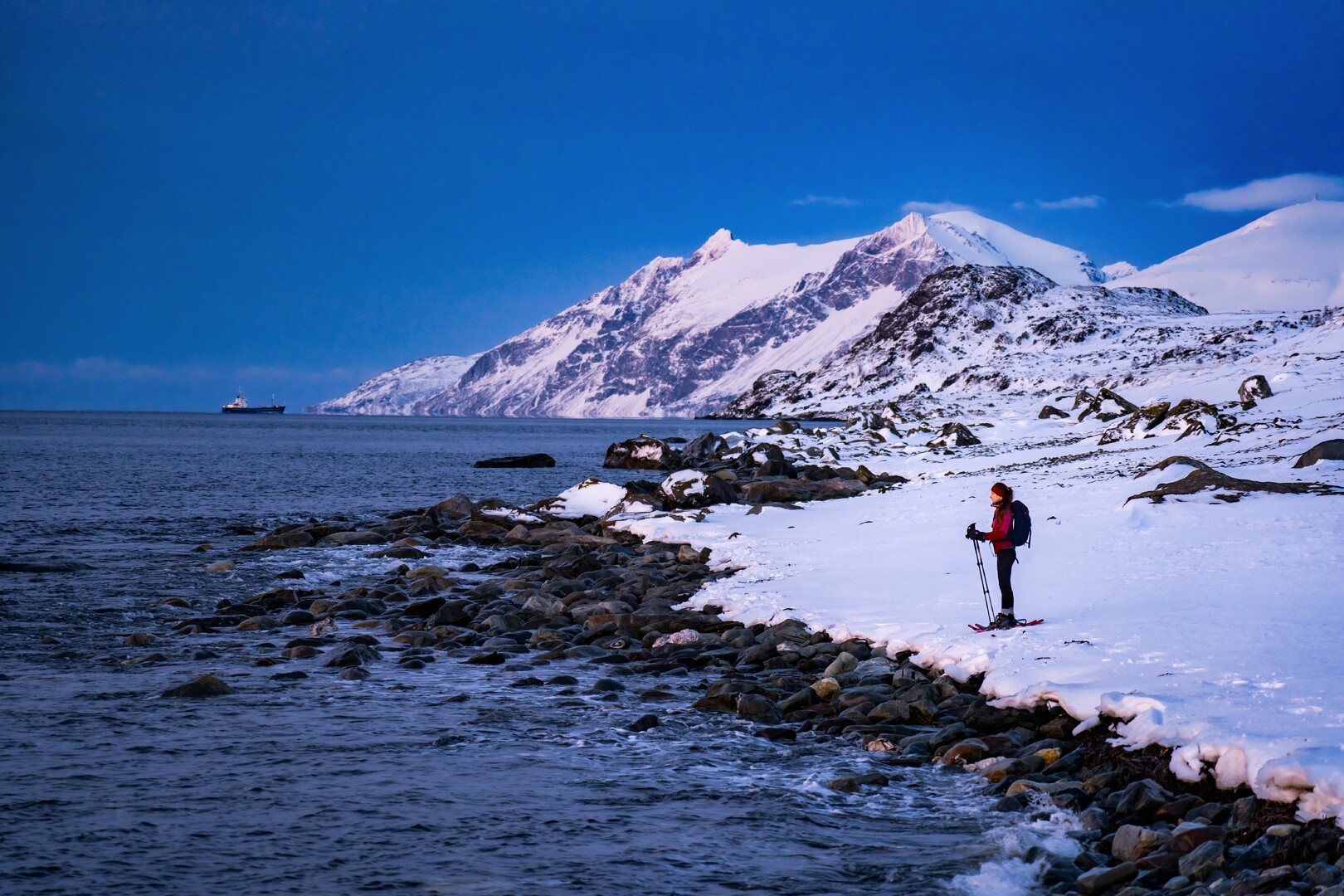
Editor’s note: The hike to Lyngstuva can be combined with other activities in the area. Restaurant Bøteriet at XLyngen (drop-in) and Emmer Restaurant (prebook!) offer dining nearby. The floating sauna at XLyngen can be booked online. Guided tours are available on request through XLyngen and Lyngen Experience, including winter snowshoe tours. Lyngen Experience also offers boat tours. Accommodation is available at XLyngen and Lyngen Experience.
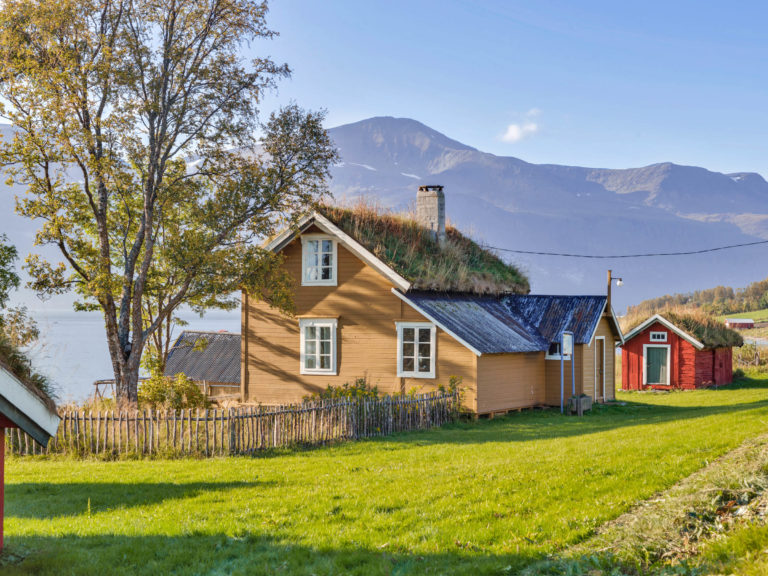
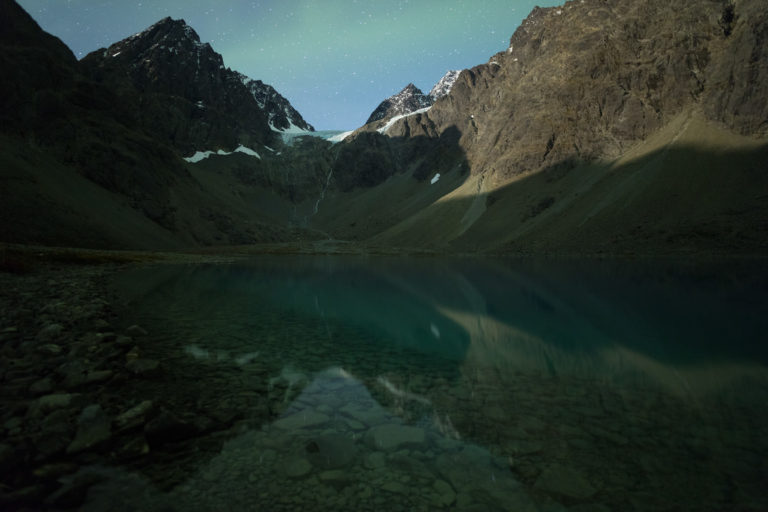
Practical information about Lyngstuva
Lyngstuva marks the northernmost point of the Lyngen Peninsula in Lyngen municipality, Northern Troms. It serves as a navigation point along the coastal shipping route and the Hurtigruten coastal route between Tromsø and Skjervøy.
There is no road all the way to Lyngstuva. A well-maintained trail starts at Russelv, where the road ends at the northern tip of the Lyngen Peninsula. The walk takes about one hour each way.
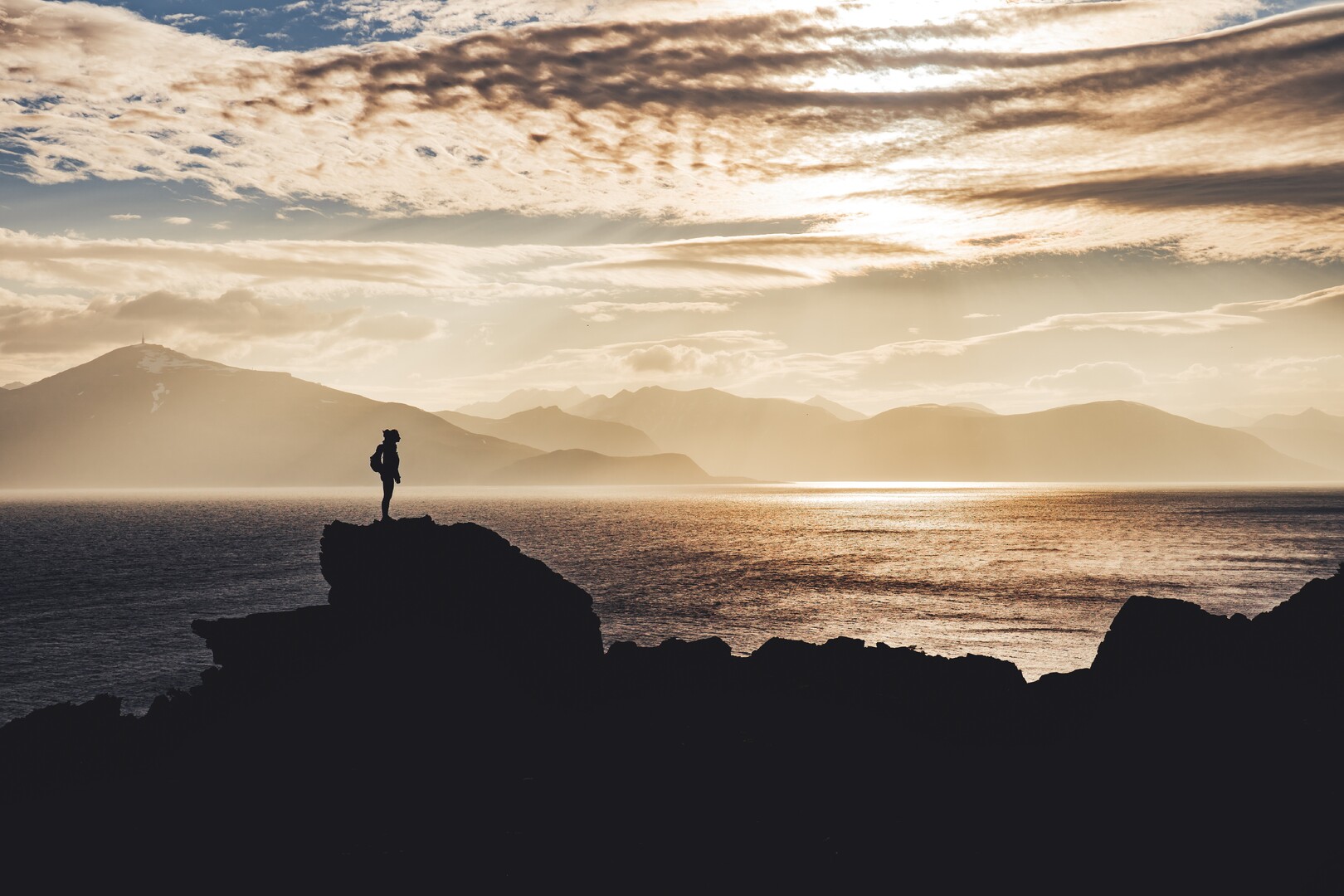
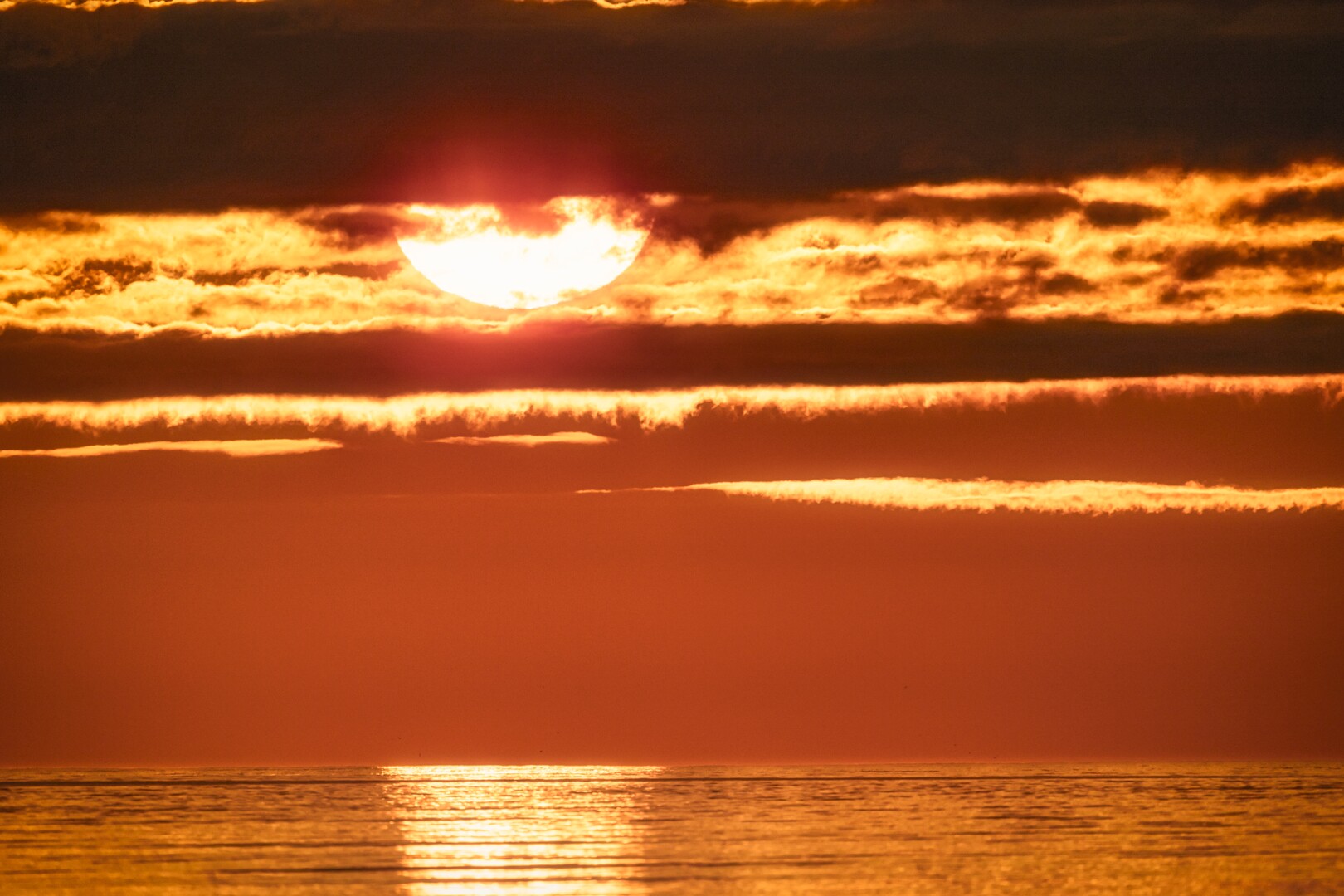
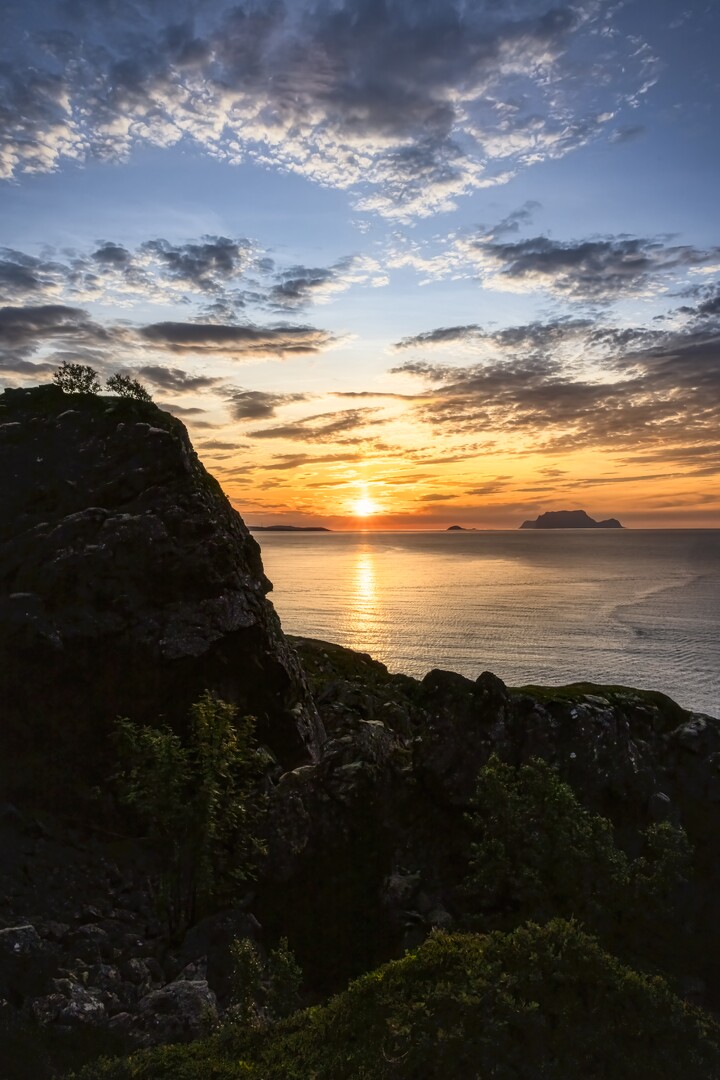
Yes. Lyngstuva is an excellent place to experience the midnight sun during the summer season. According to Time and Date, the midnight sun typically lasts from 17 May until the sun briefly sets just after midnight around 28 July. These dates may vary slightly from year to year, so it is recommended to check current times if visiting at the beginning or end of the period.
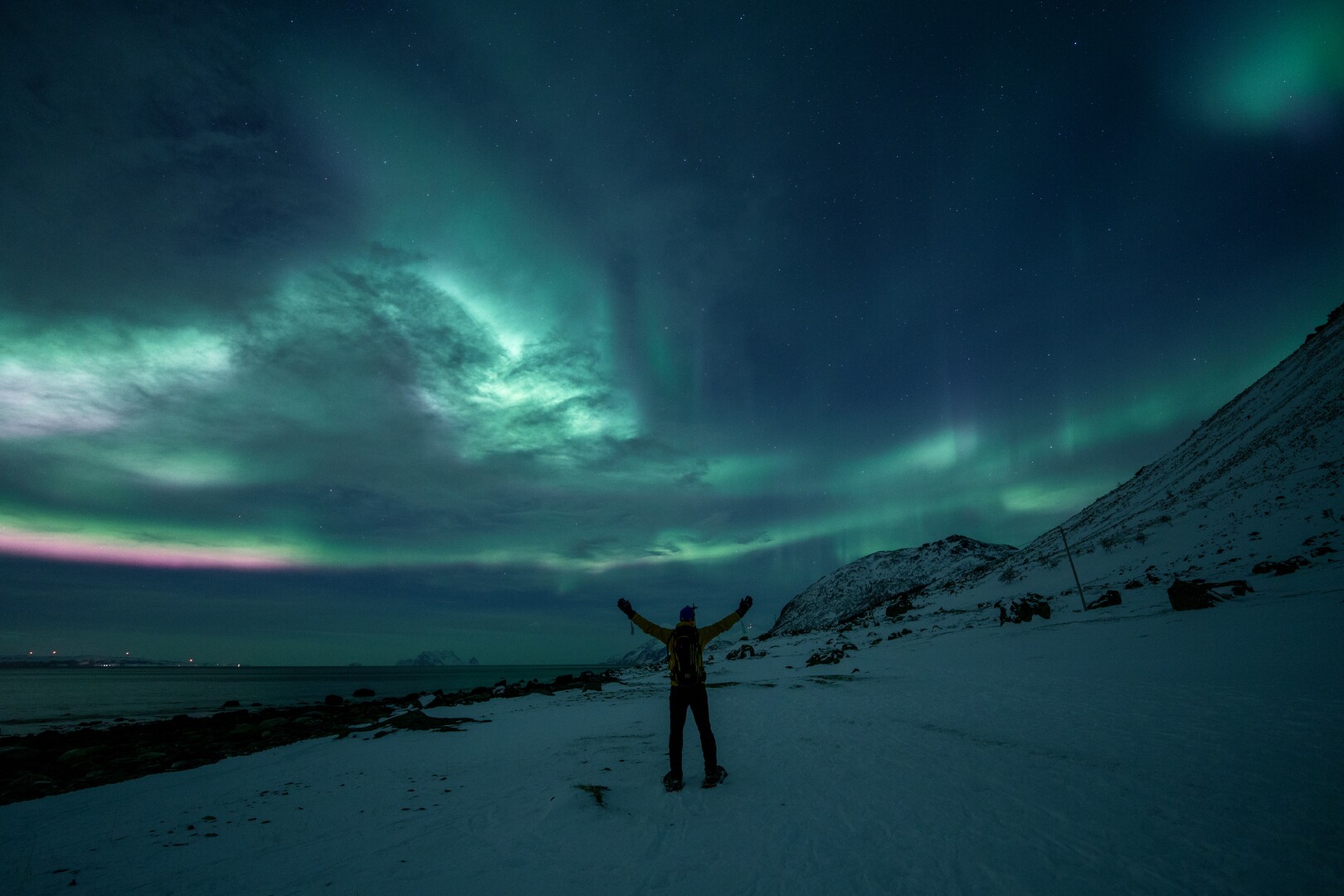
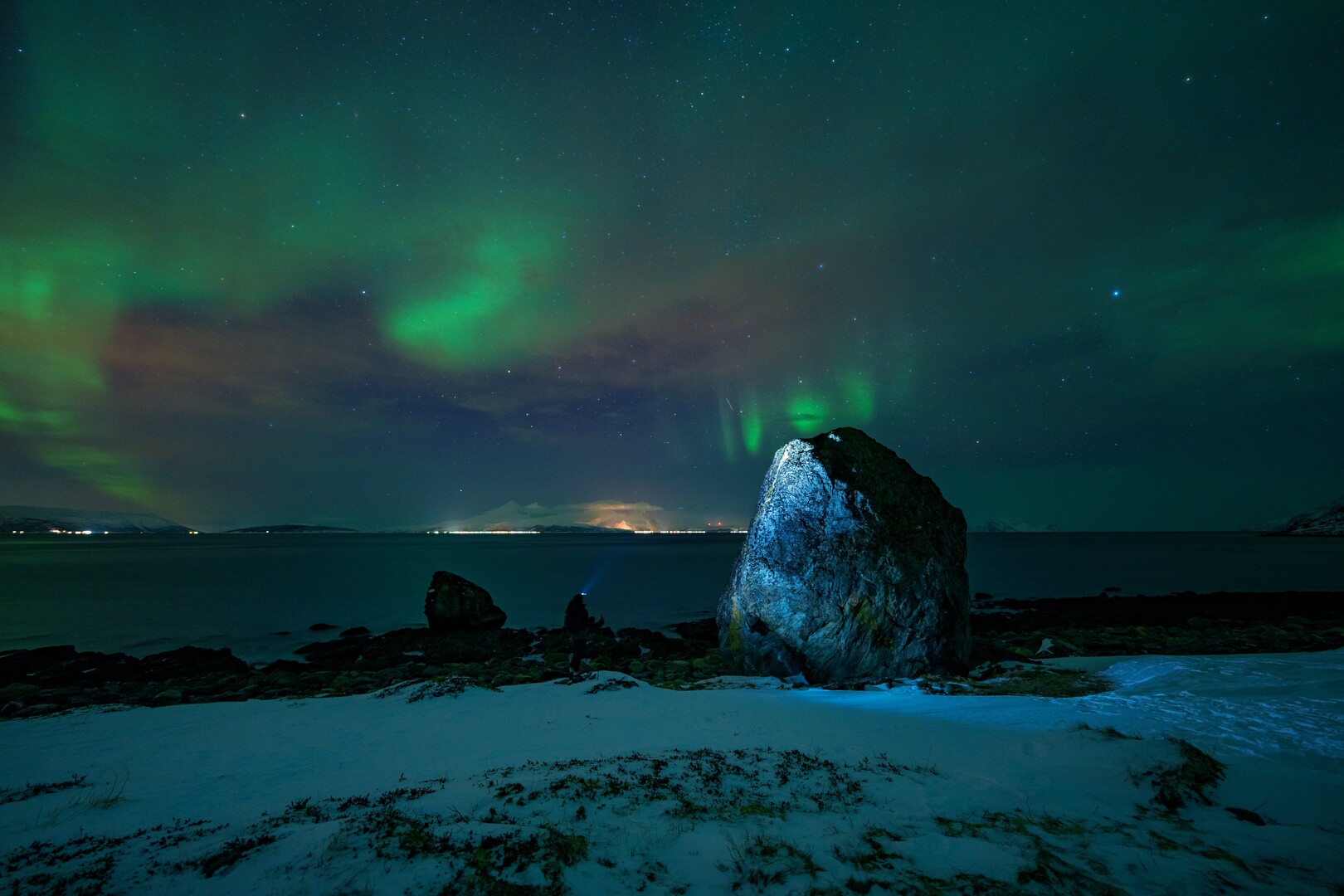
Lyngstuva offers open views towards the north and northwest, where northern lights activity often first appears. With clear skies, conditions can be very good for viewing the aurora. However, if the weather is unsettled, areas further inland in Lyngen often have a drier climate and a better chance of clear skies.
The local tourism organisation is Visit Lyngenfjord, which provides extensive information about the area on its website.
Restaurant Bøteriet is open most days for drop-in for lunch, coffee and dinner. Emmer Restaurant takes more planning, but according to the reviews very much worth it.
You can do boat tours, guided hikes, snowmobiling and finish it all off with hot and cold relaxation on a floating sauna. Consult the websites of XLyngen and Lyngen Experience.
XLyngen and Lyngen Experience both have comfortable accommodation