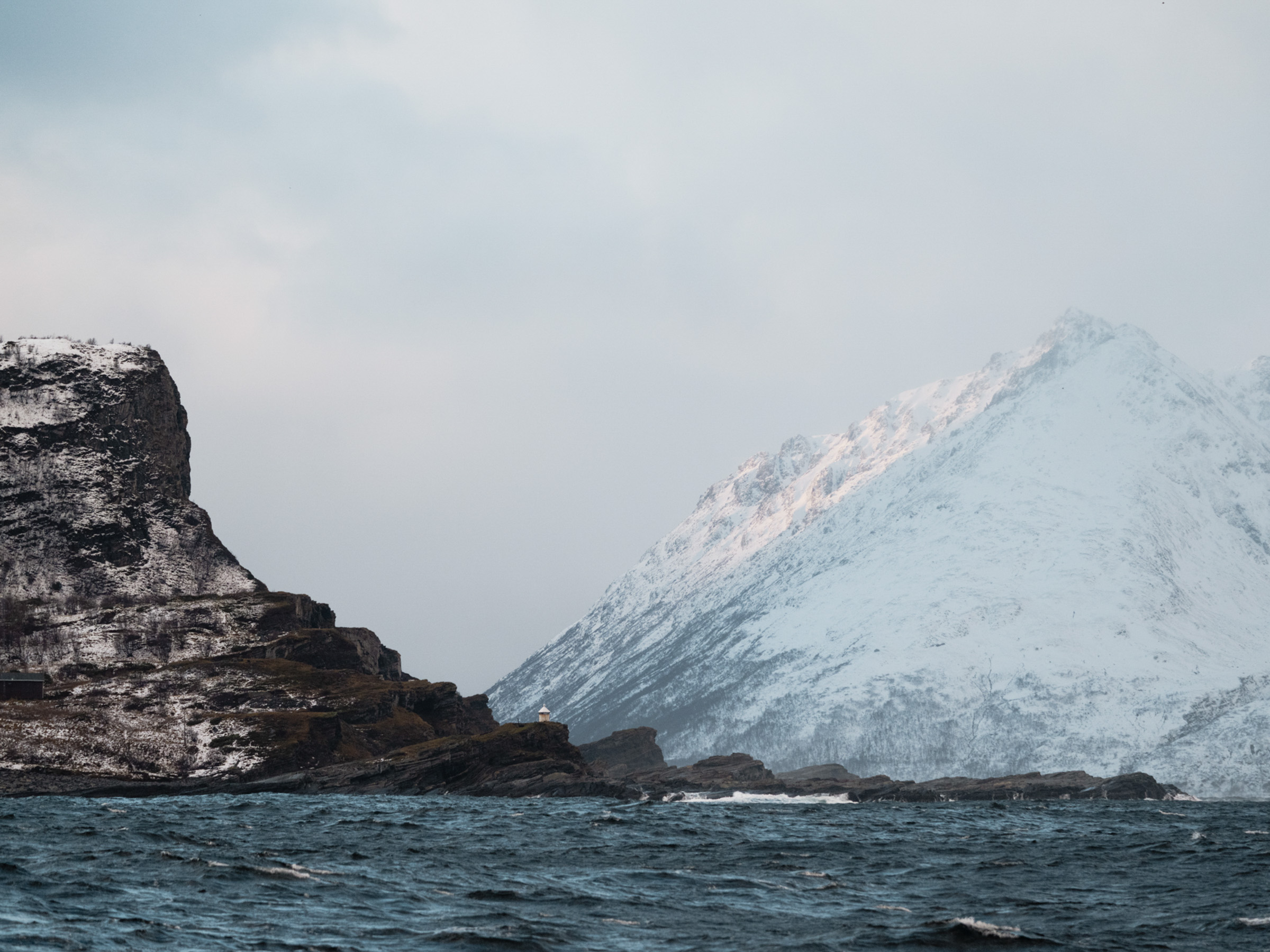
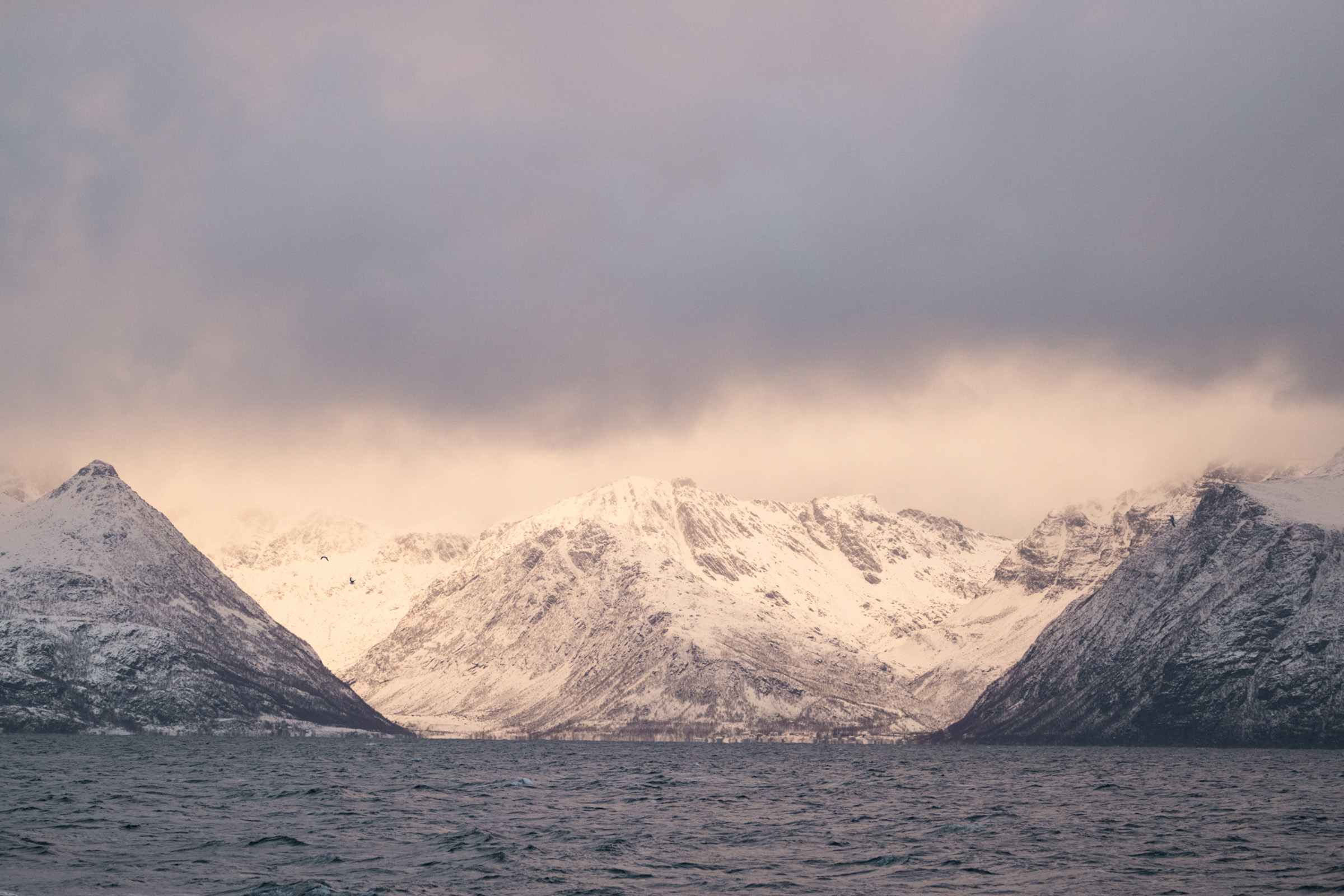
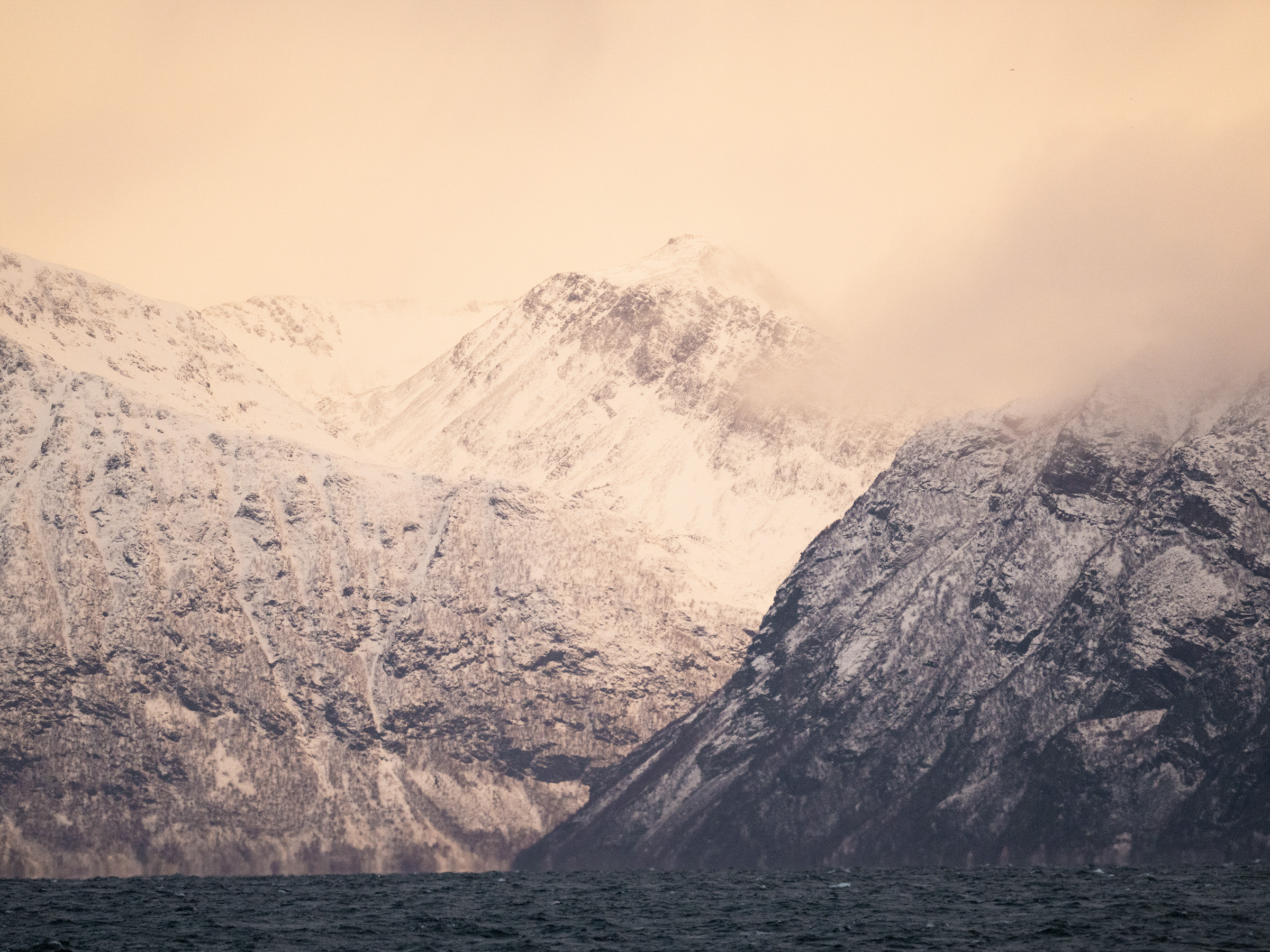
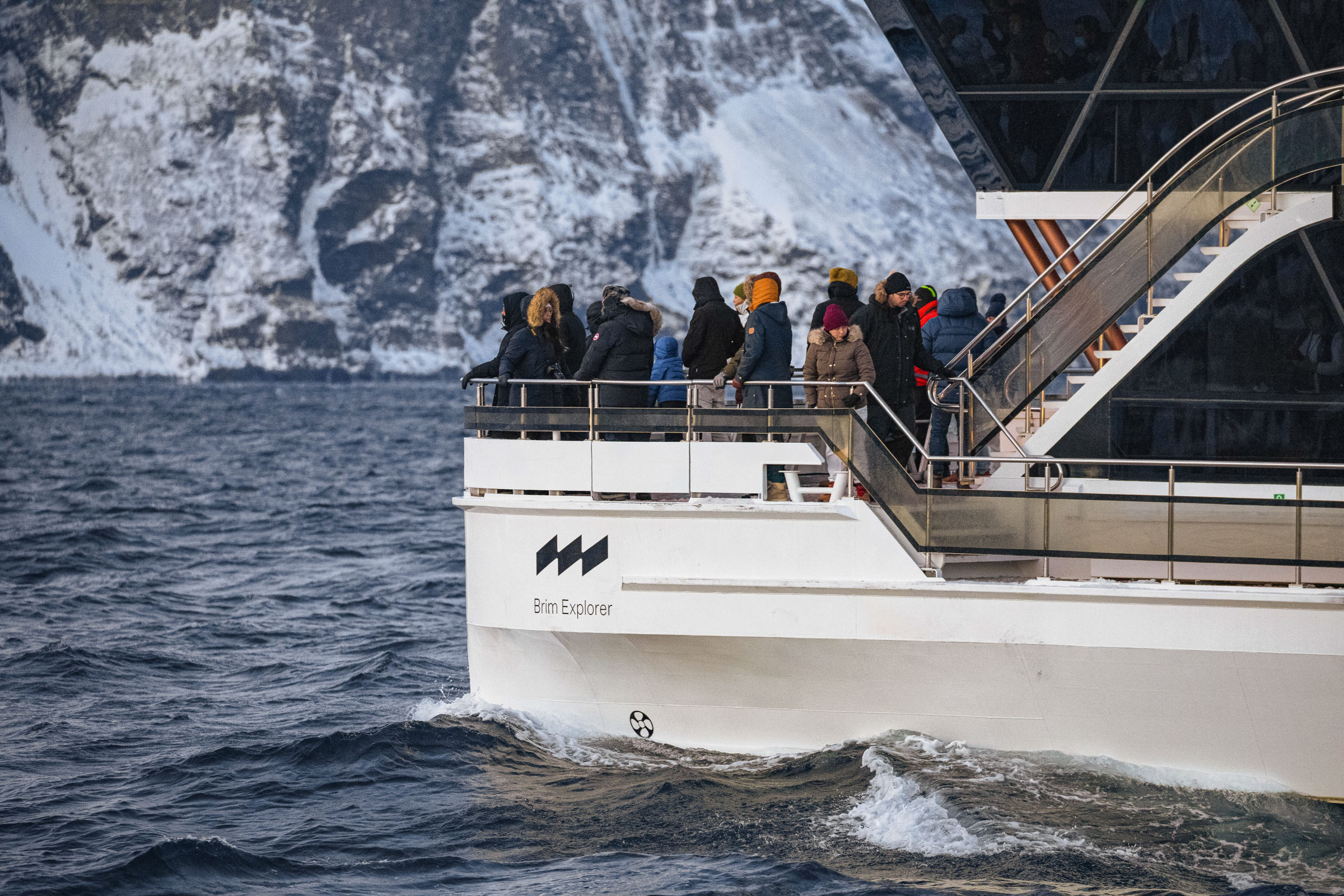
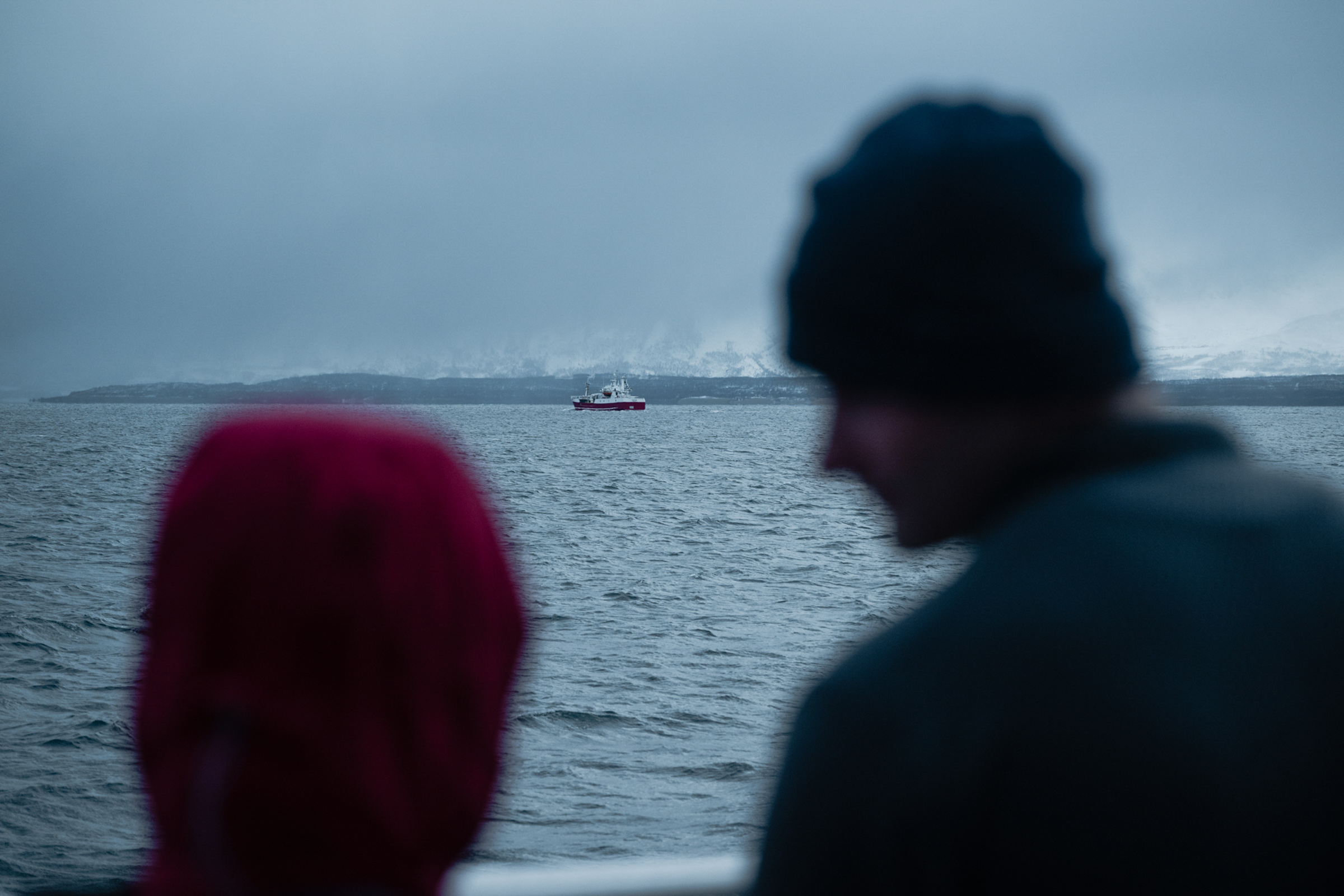
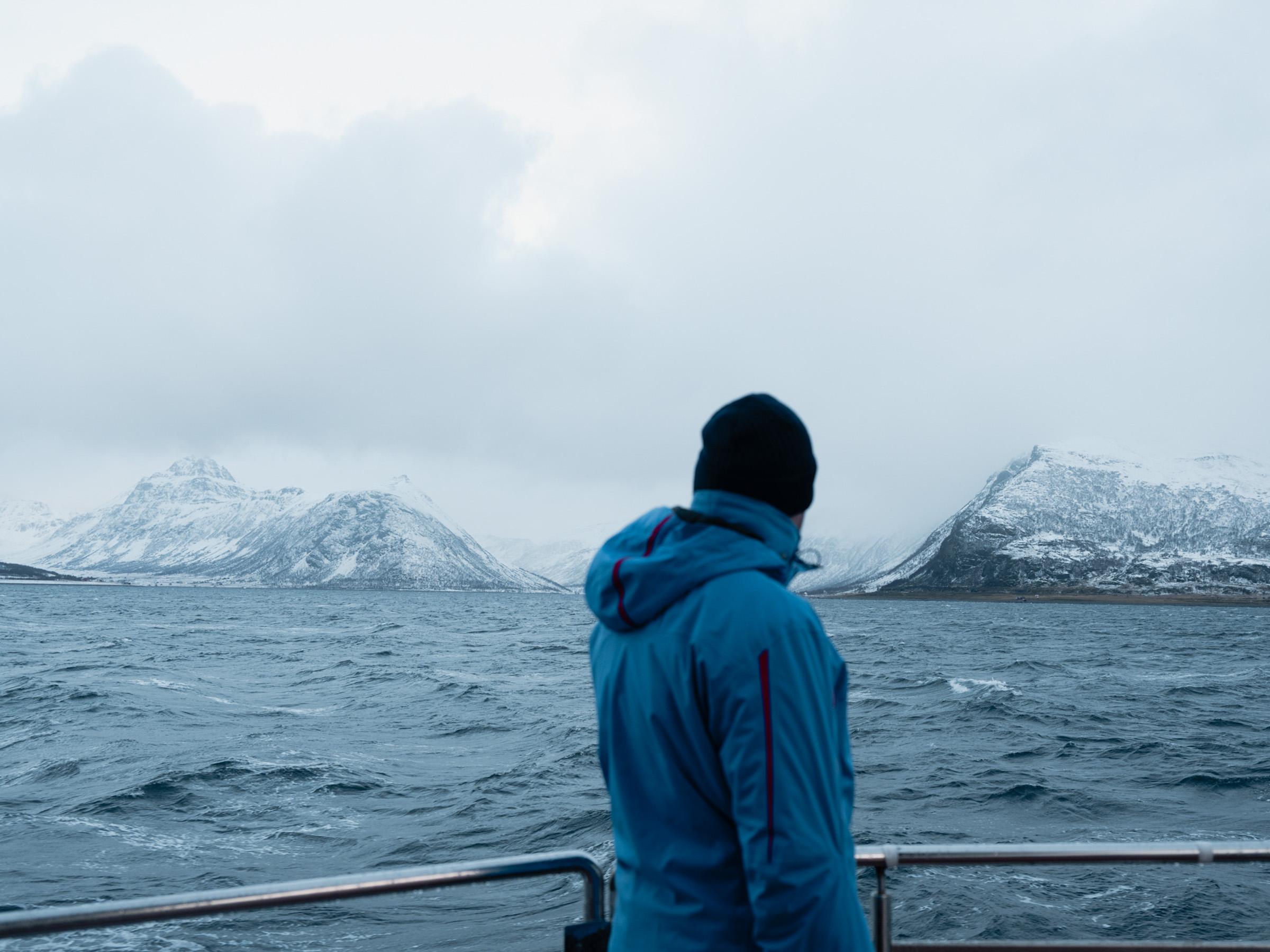
The boat was slowing down. The view to the towering Kvænangstindan range, framed by snow showers, was reminiscent of a monochrome Japanese woodcut. Islands and remote coasts in the distance – and beyond them, the open Atlantic. My fellow passengers got busy, tying up shoelaces and pulling on warm jackets. Out on deck we gathered, cameras at the ready, scanning the black-blue winter sea for signs of life.
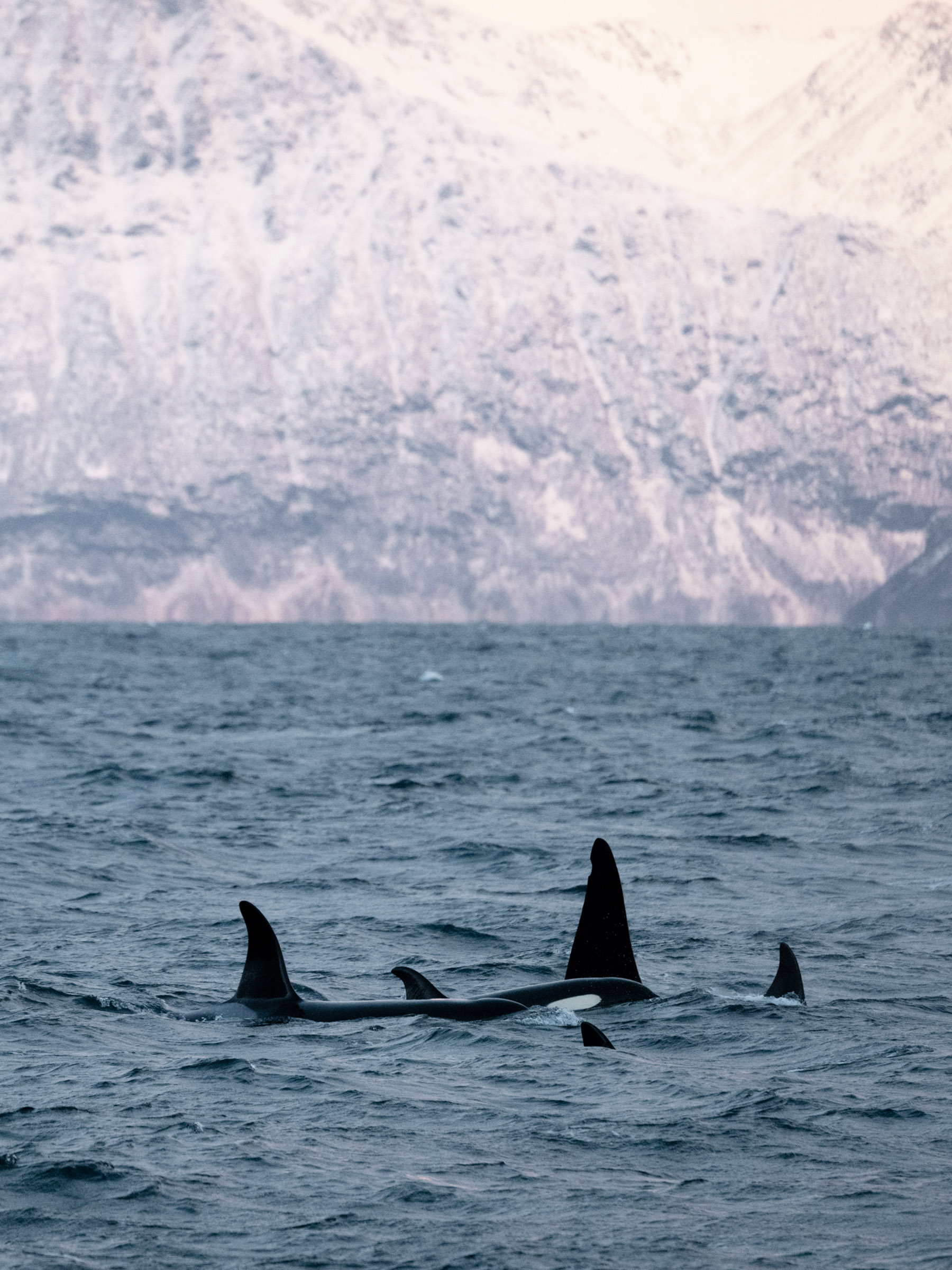
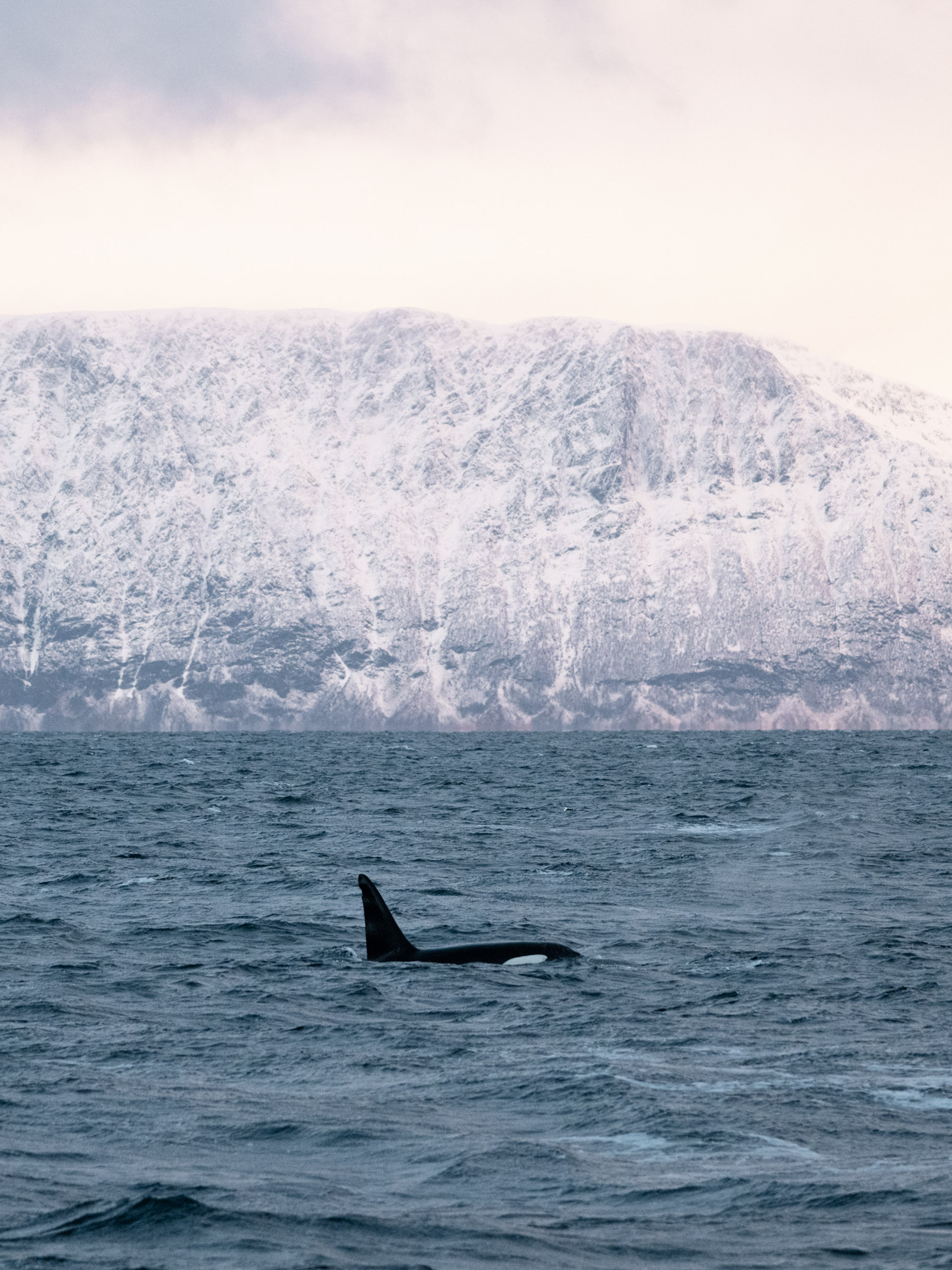
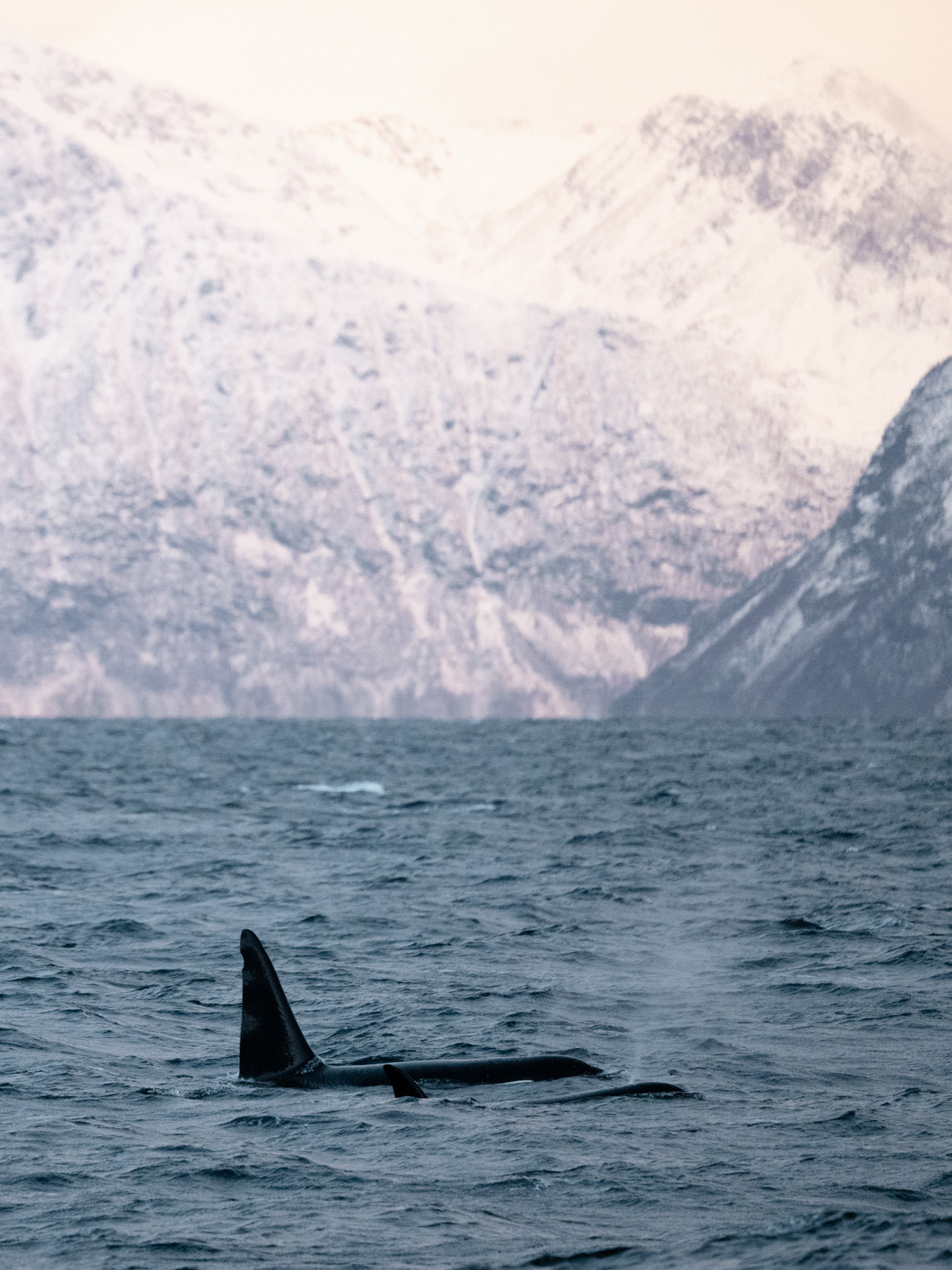
…and then they turned up
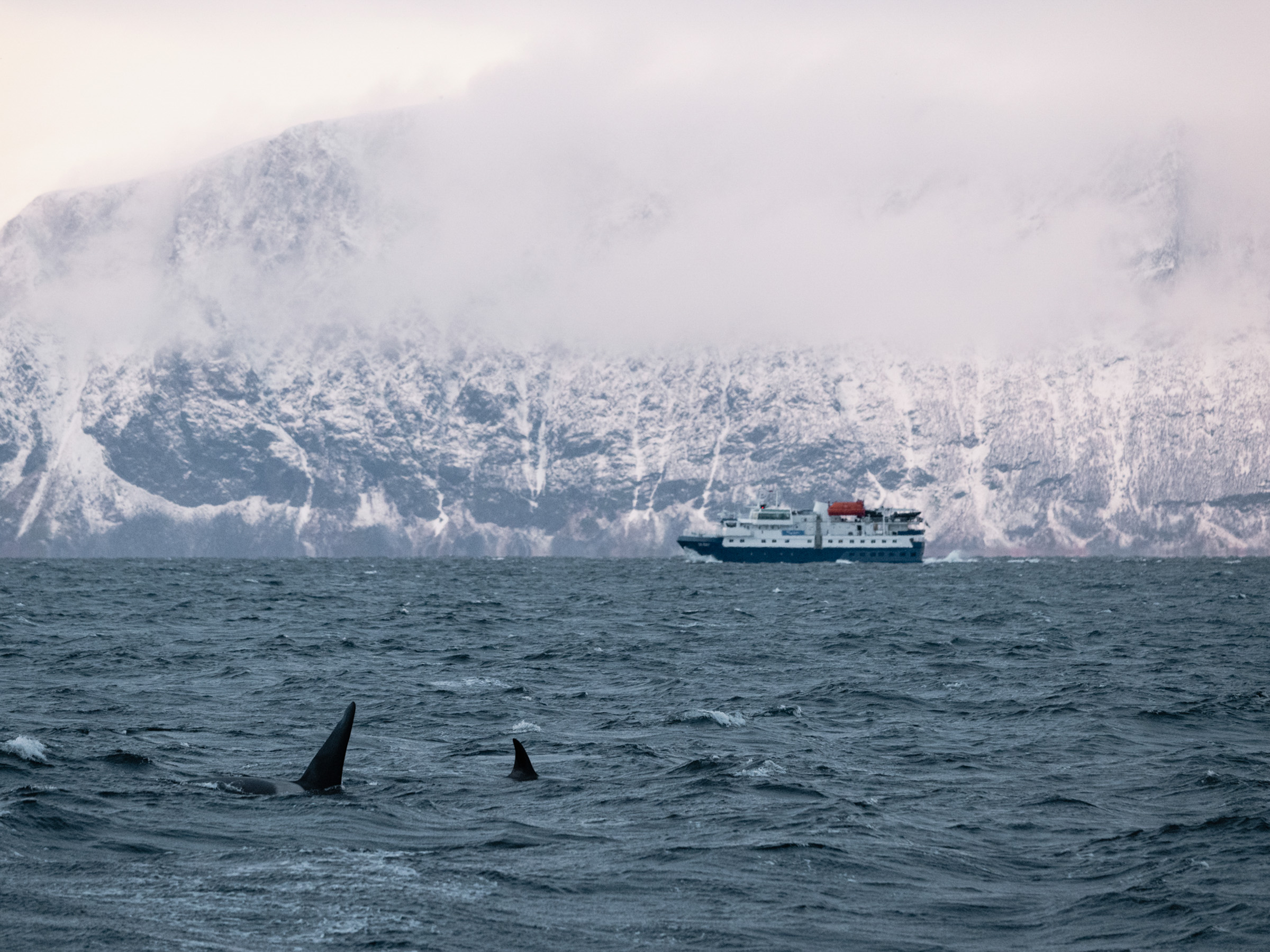
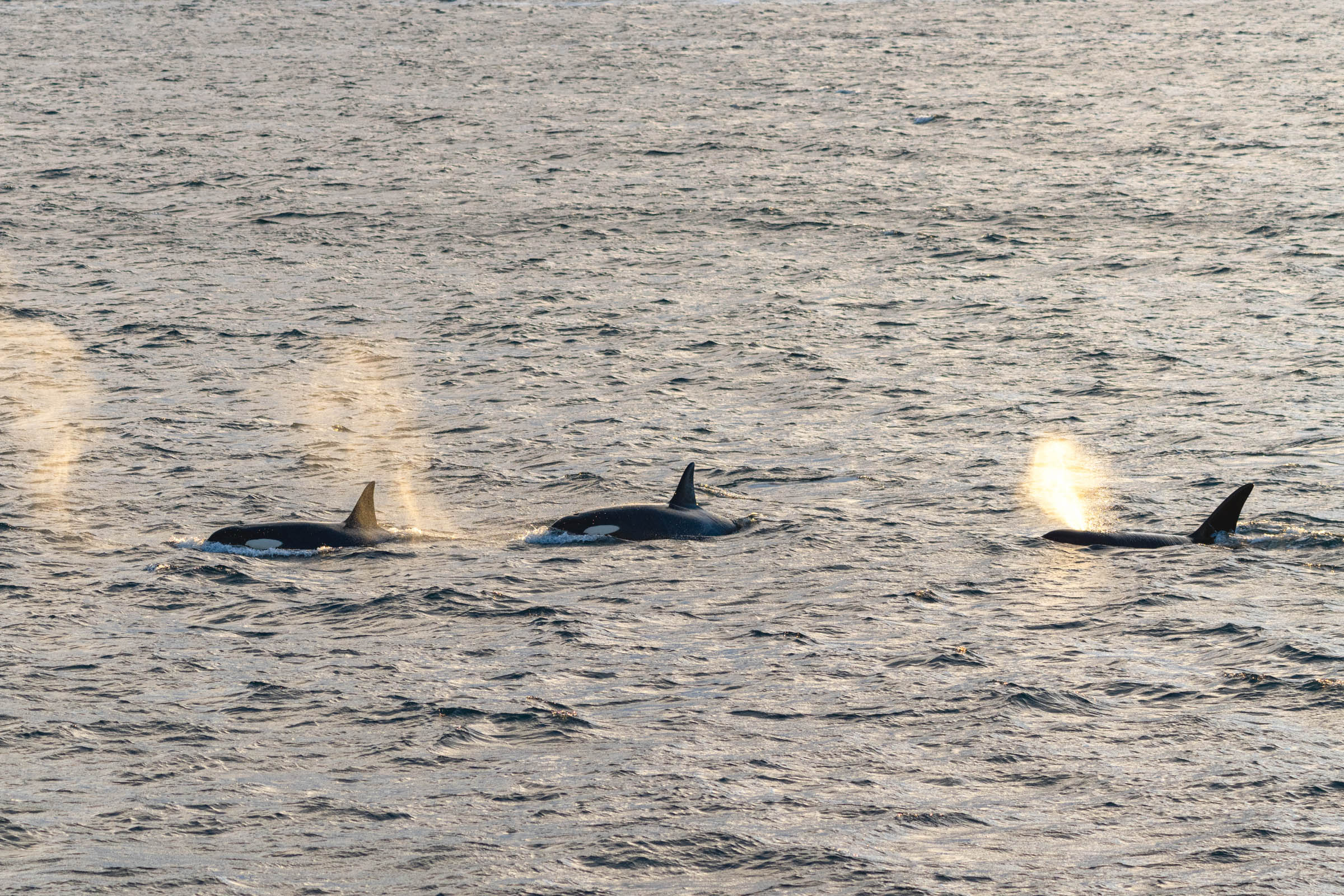
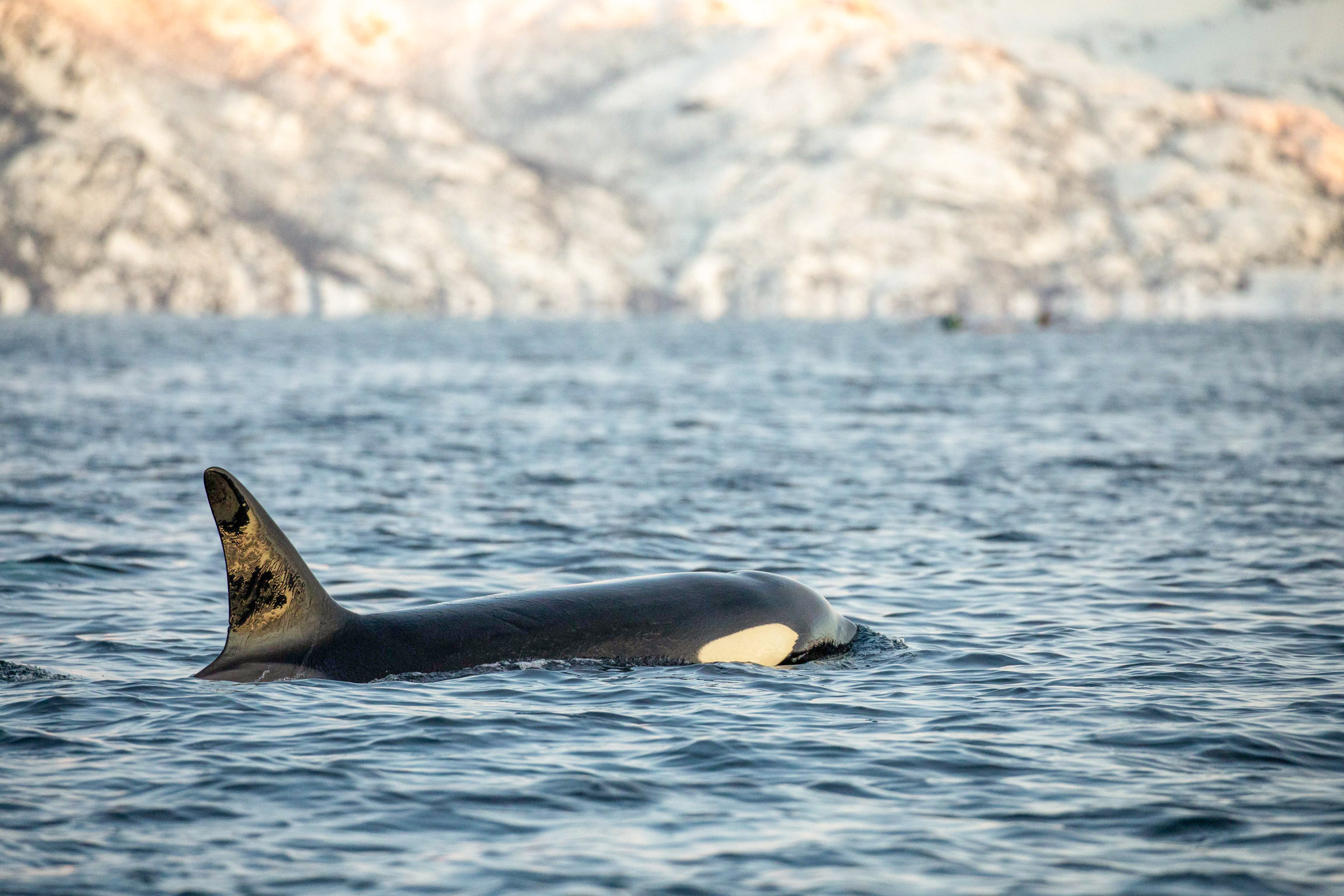
And there – what seemed like a stick in the water – the dorsal fin of an orca. Then another – the unmistakable black-and-white body of one of the wolves of the sea appeared among the waves. Then gone.
We heard the crowd on the other side gasping with awe and ran over for a view. Out towards the horizon a fountain erupted – a crewmember announced: humpback.
Humpbacks near the boat
Nearby, the orcas were mustering their troops before the strike – many dorsal fins close together, and quick glimpses of black-and-white bodies. I imagined a strategy being communicated to the pack out there.
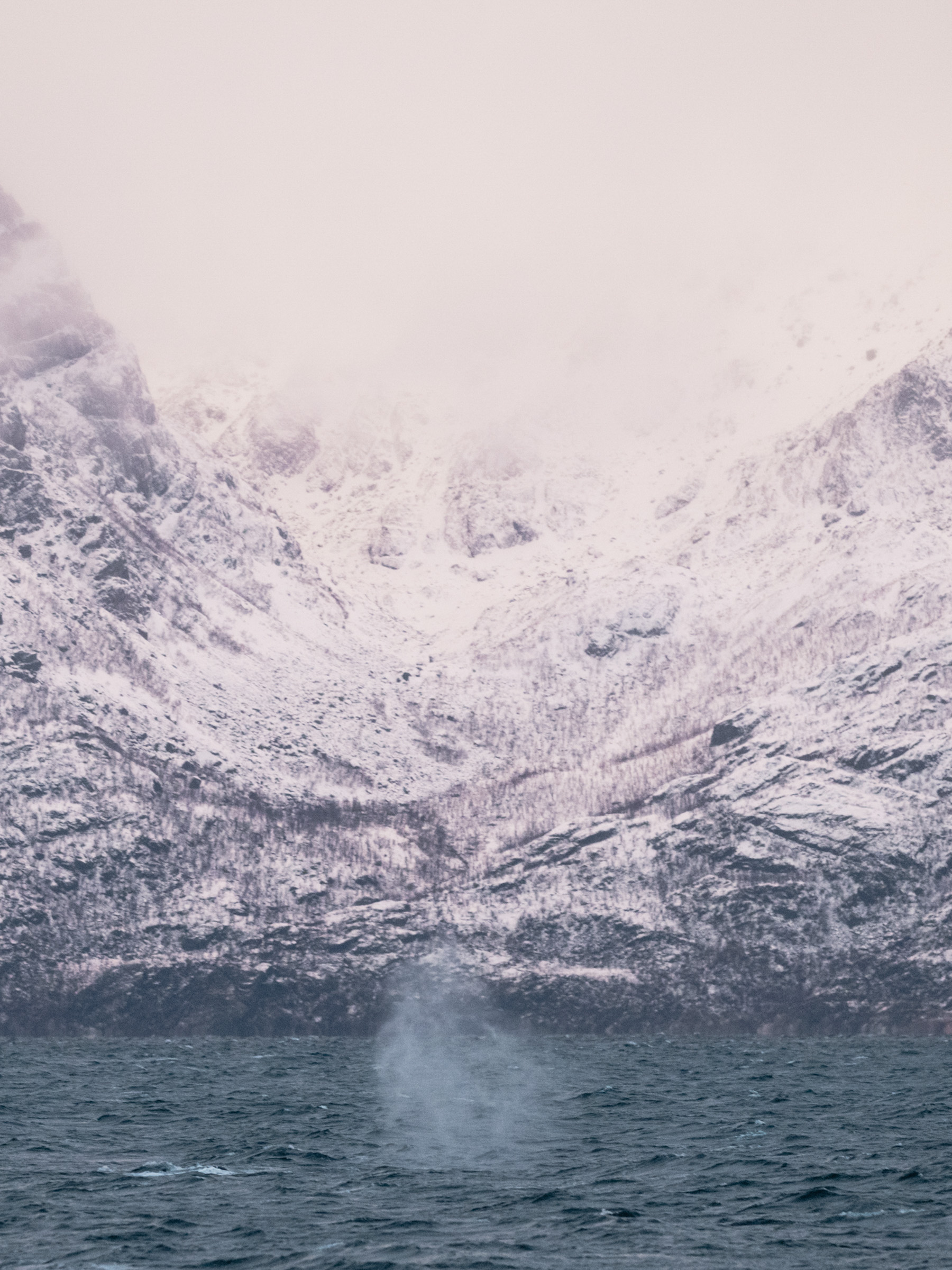
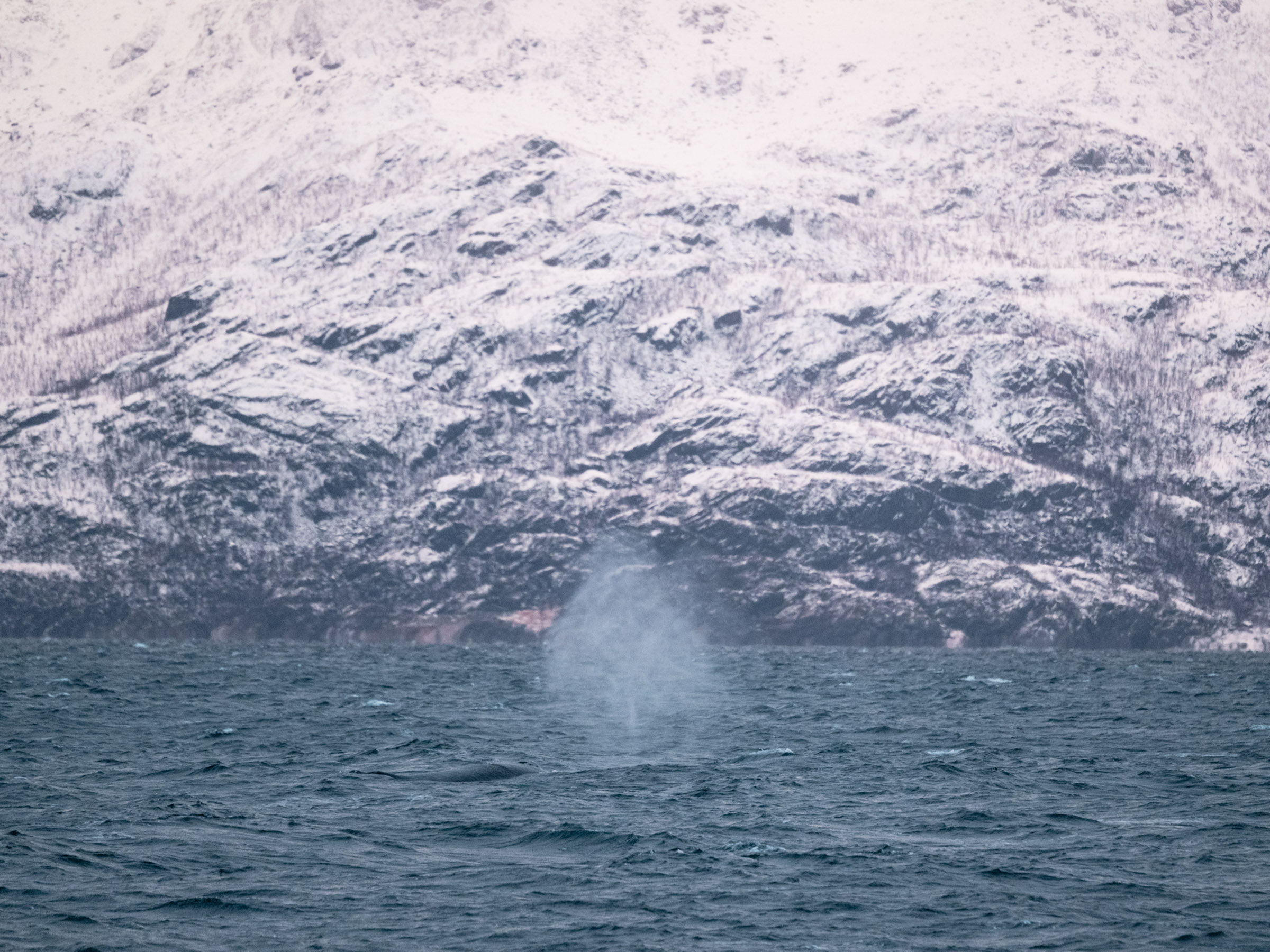
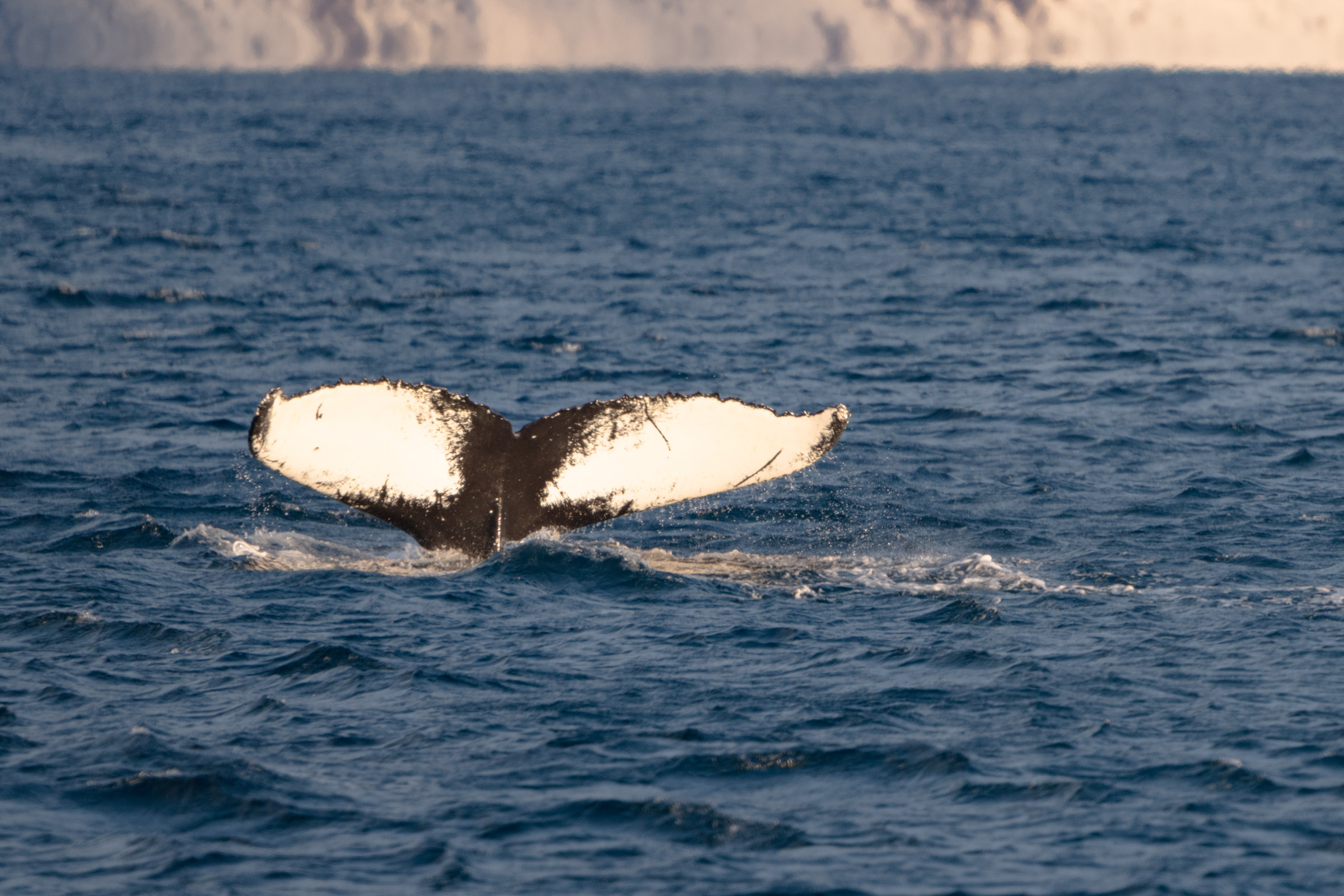
In an incredible moment, a humpback surfaced right in front of the boat; it happened so quickly I almost doubted I had really seen it. The boat – completely silent – drifted and turned in the waves. We wandered all around, up and down ladders, spotting more humpbacks and orcas gathering for another assault.
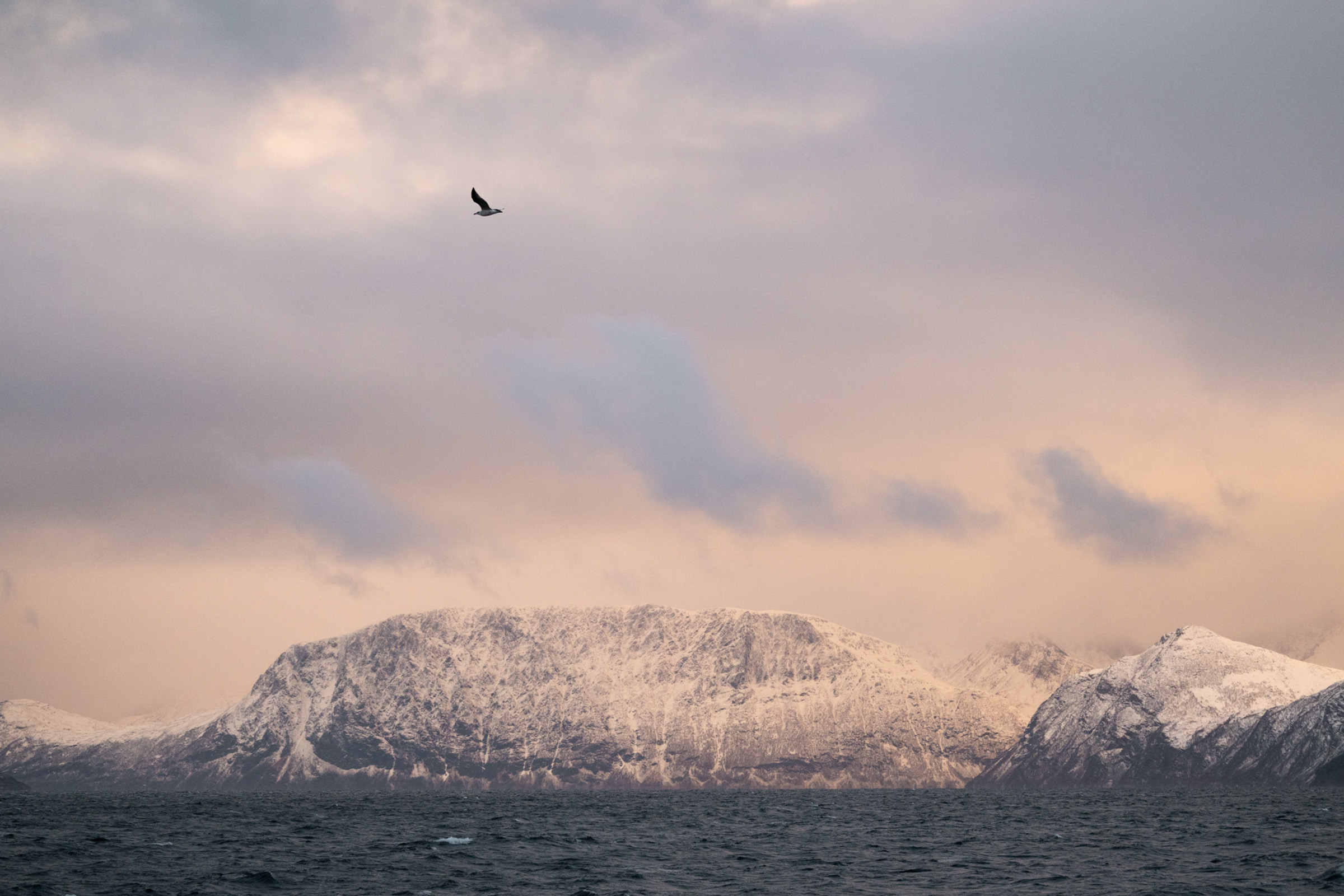
To my surprise, my fellow passengers hushed their voices – as if feeling a sense of reverence. Pink skies in the west, threatening snow clouds in the east – mountain slopes dressed in gold and a veritable bonanza of orcas, humpbacks and herring beneath my feet; there was nothing meaningful to say.
A winter adventure from Tromsø to the open sea
In deep, fresh snow and before daylight, we wandered down to Tromsø’s dockside on an early November morning. Three full boats; but a relaxed, smiling crew and the muffling effect of the snow made it a stress-free experience. Casting off and sailing under the Tromsø Bridge, we were welcomed onboard and informed about the route.
From October to early February, the waters off Skjervøy, north of Tromsø, are teeming with orcas and humpbacks – and sometimes fin whales and sperm whales – all feeding on herring in a concentrated area. It takes a bit of time to get up there from Tromsø, so a little patience is called for.
Comfort and great views on the way
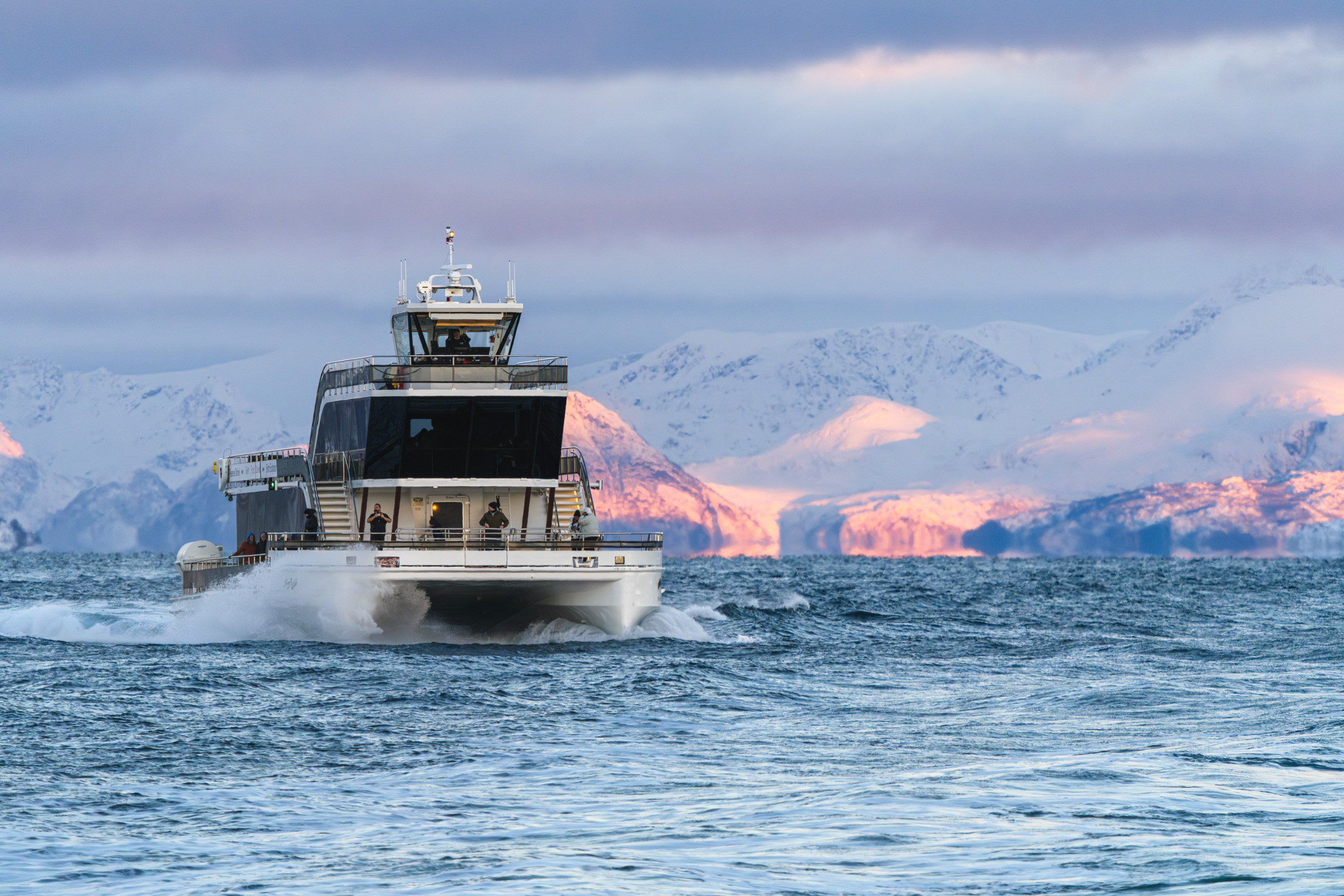
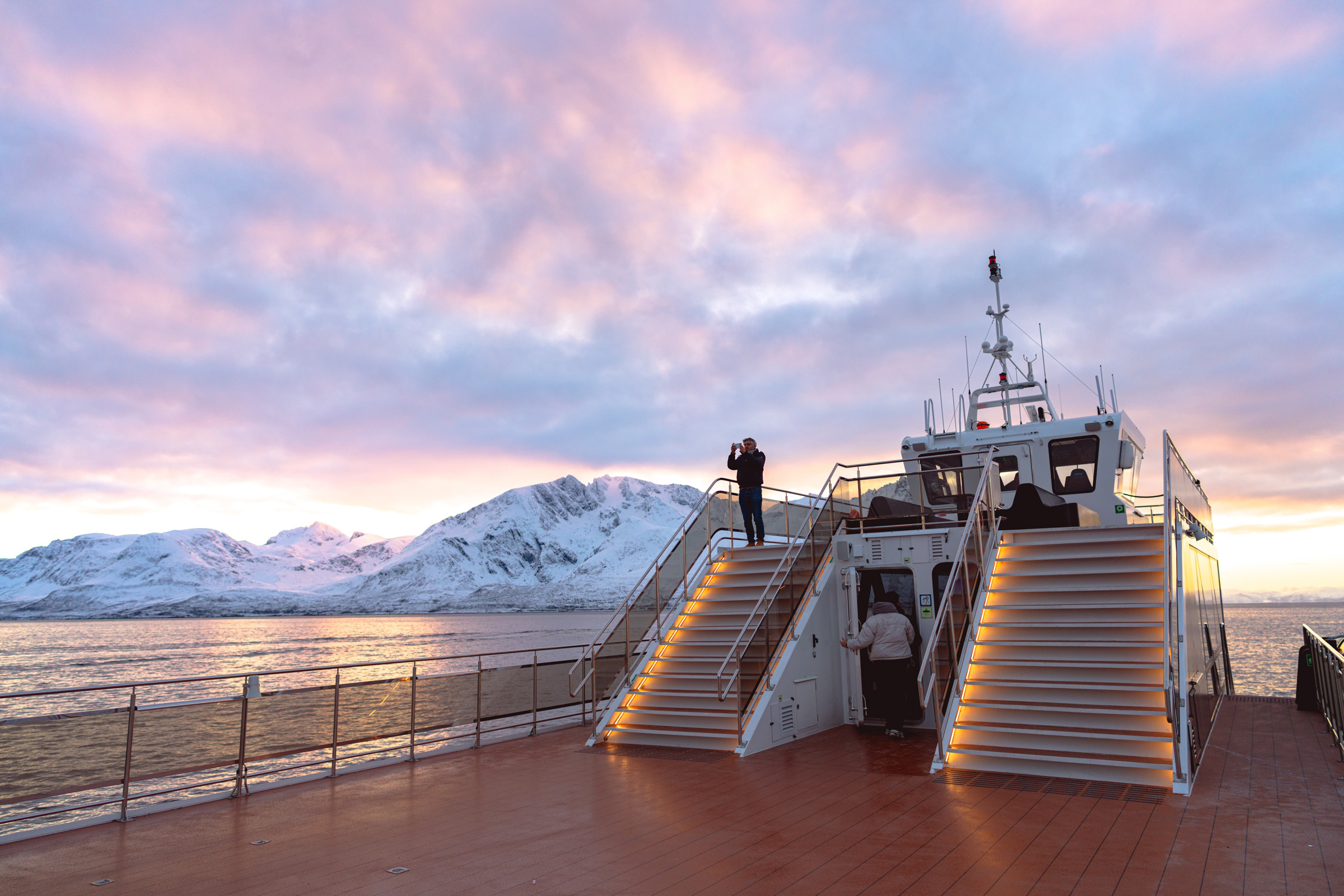
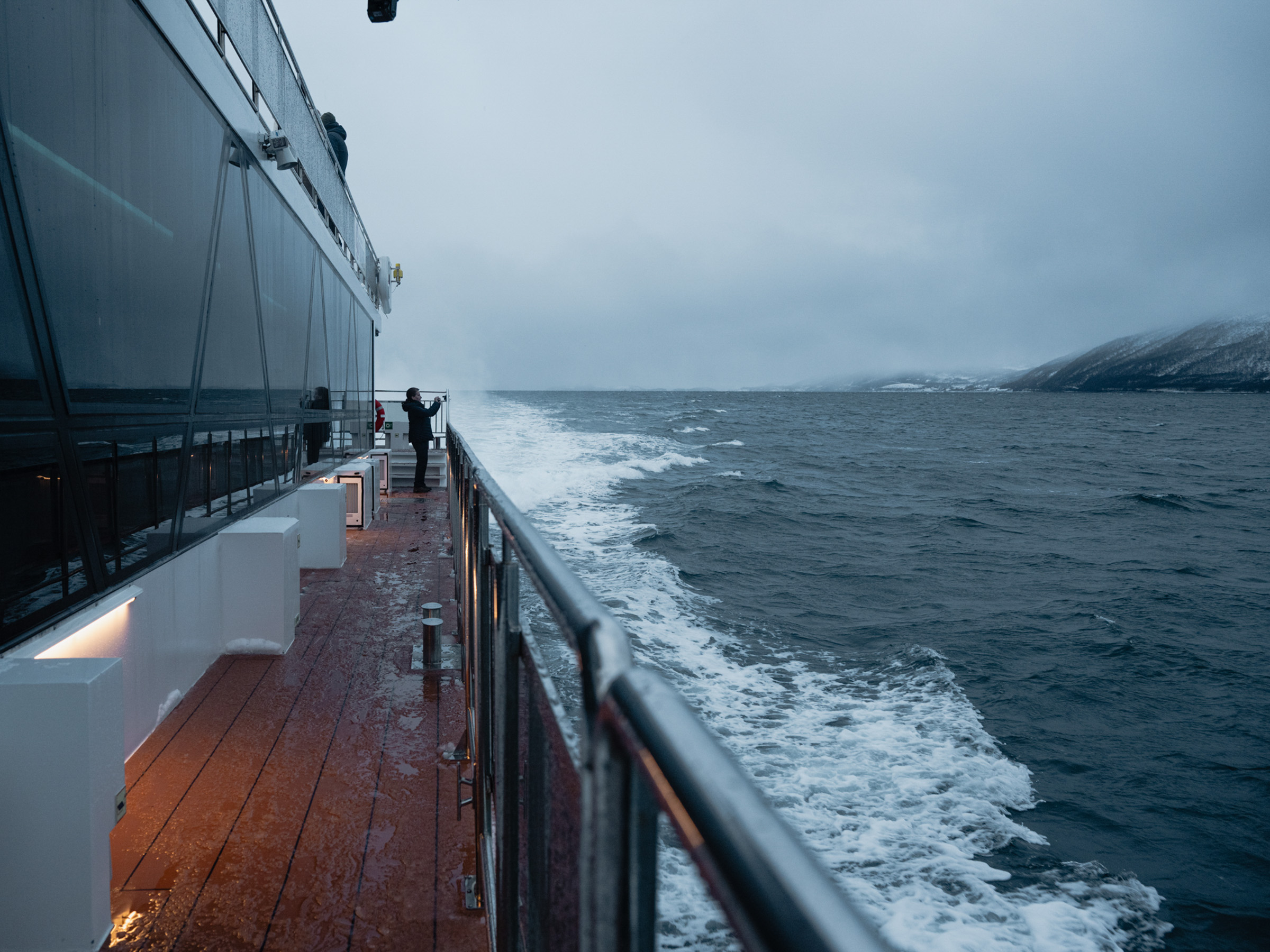
The ship Brim has comfortable seats and large windows offering grand views of the landscape. There are decks forward at the bow, aft at the stern, along the hull and a rooftop viewing deck. As we passed the rugged promontory at the end of the Lyngen Alps, we made sure to dress warmly, go out on deck and photograph the towering peaks – and familiarise ourselves with the boat. Nose-bitingly fresh as it was, we rewarded ourselves with a coffee from the bar.
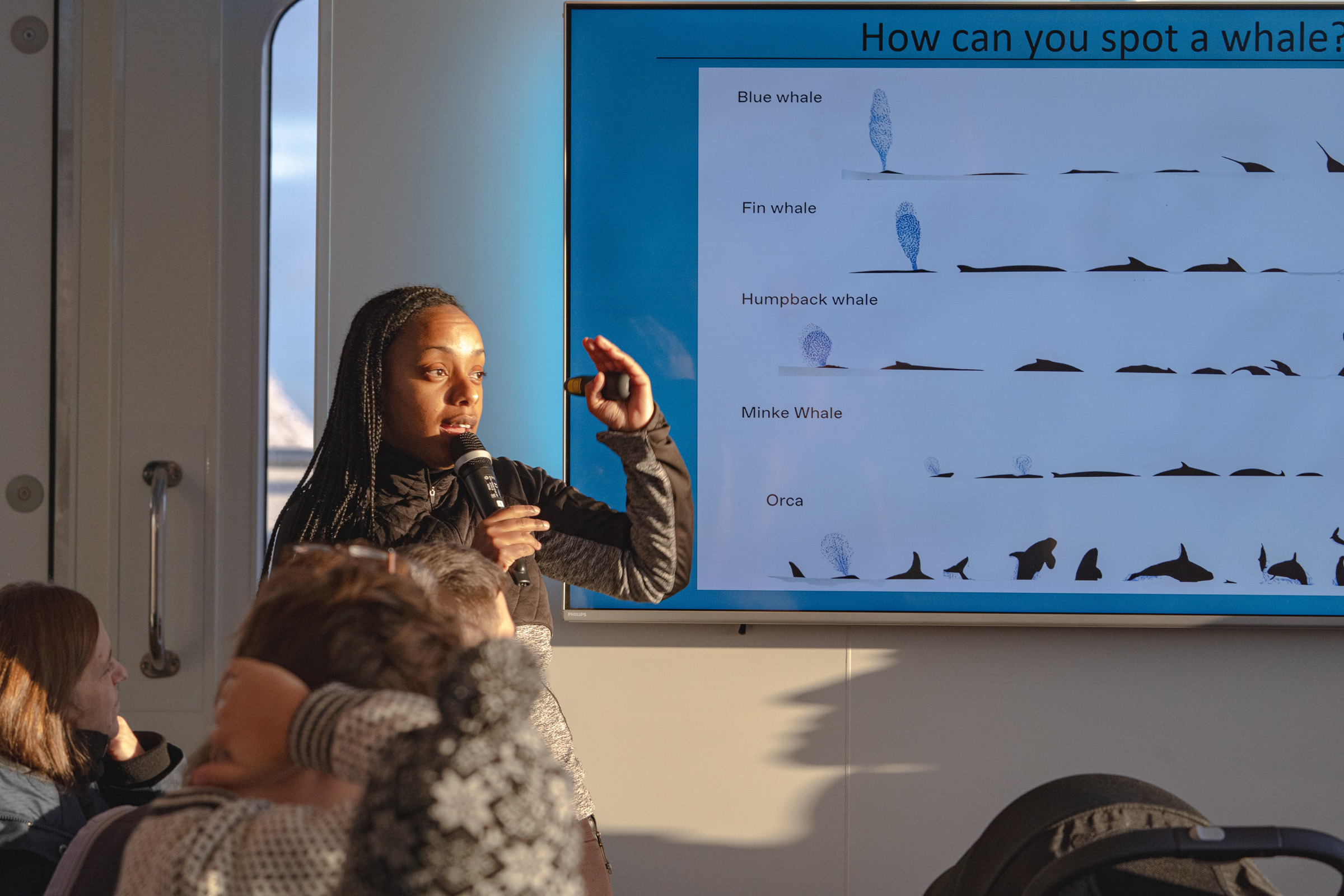
On large screens, we were given competent information by crew members about the sailing route, the weather, and the attractions along the way such as the Lyngen Alps and a Sámi settlement. And most importantly: about the whales we could hope to see. By the time we sailed past the small town of Skjervøy, we were well prepared for the experience.
It’s all about the herring
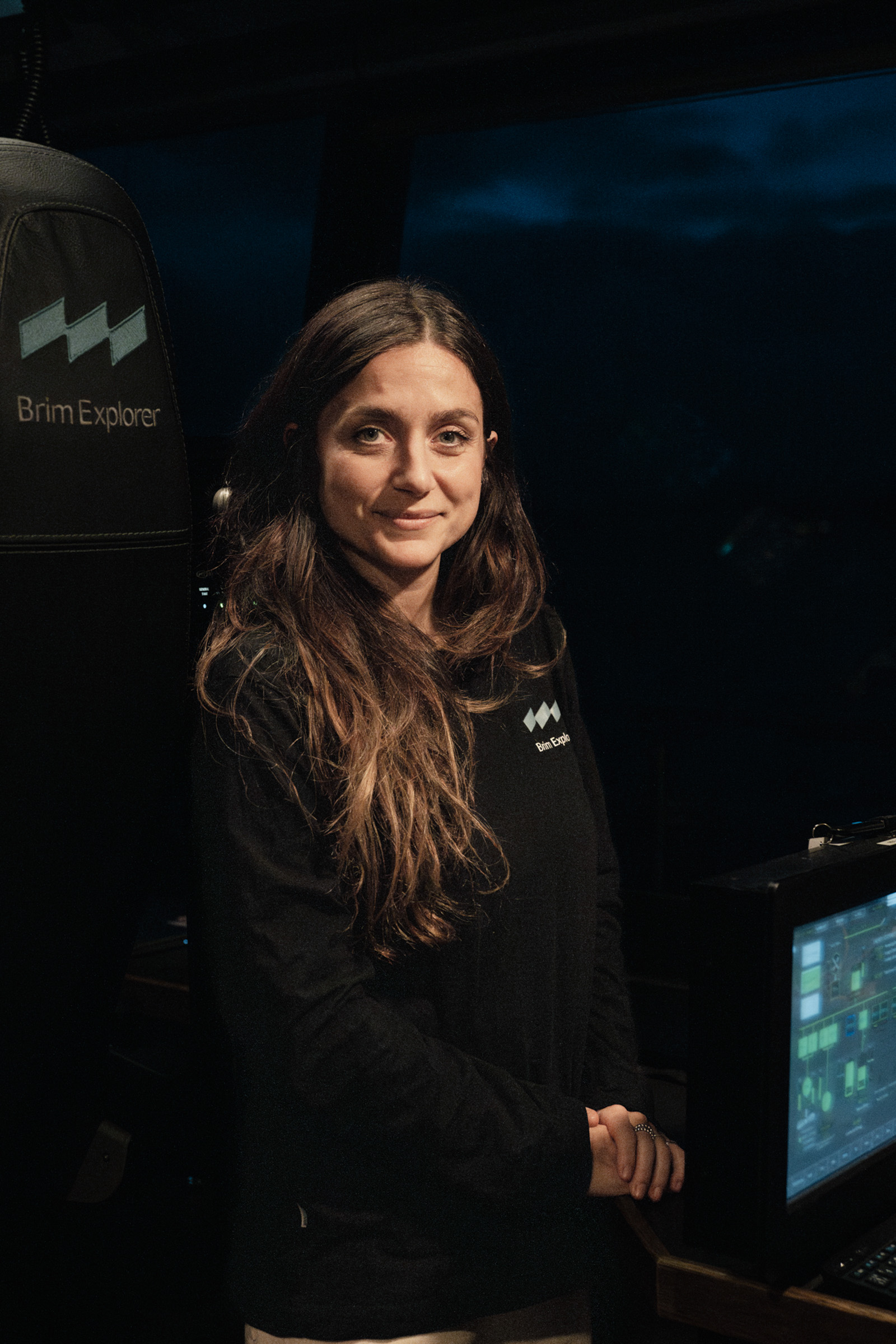
I had a quick talk with the marine biologist on board, Giulia Ercoletti. Roman by birth, she said: I always imagined working at sea in warm water, but once I experienced winter in northern Norway, there was no going back.
I asked what was happening deep down beneath us.
“The whales are here because they follow the herring – the silver of the sea. When the herring move into the fjords in late October, hundreds of orcas, humpbacks and fin whales follow them.”
So in much the same way as Scandinavians enjoy herring delicacies around Christmas, the big whales gather for a giant herring buffet lasting into February.
Two species competing over the food
The orcas – which are toothed whales – use a hunting technique known as carousel feeding: they circle the herring school, keeping it tightly packed, then stun the fish with tail slaps and take them one by one. Meanwhile, the humpback whales – baleen whales – glide in and open their enormous mouths to engulf huge volumes of herring in a single gulp. These species have evolved very different feeding strategies, yet the herring draw them into the same shared space.
What happens beneath the surface?
Underwater, the scene is both calm and fierce. When orcas herd the herring, the fish burst into a tight ball, trying to escape in every direction. The ocean above looks serene, but below it’s organised chaos. Tail slaps churn the water, and fish silently slip from the group into waiting whale mouths. The humpbacks, floating at the edges, simply open wide and gulp. The scale is immense: a 12-metre humpback can engulf thousands of fish at once. And in many ways, it’s a competition: even though orcas and humpbacks don’t hunt each other, they share the same bounty.
Orcas work in three dimensions
Whales navigate a dark world where sight matters little and sound carries far. Orcas use echolocation to map their surroundings with remarkable precision. They send out rapid, high-pitched clicks that travel through the water, bounce off fish, seabed, boats and even individual herring, then return as tiny echoes. These echoes are received through the lower jaw and processed in the brain, giving the whales a three-dimensional picture of the fjord around them. An orca can detect the size of a fish school, the direction each fish is moving and even how tightly the shoal is packed. It is the same technique used by bats in the night sky.
Learning a foreign language
Research suggests that humpback whales can pick up the high-frequency clicks orcas make when they hunt. When orcas start rounding up a herring shoal, the sound carries through the fjord, and humpbacks often move toward the activity. They don’t join the hunt, but they take advantage of it, slipping in to grab loose herring from the edge of the bait ball. It’s not cooperation, but it’s not conflict either—just two species reading each other’s signals in the underwater soundscape, competing calmly for the same winter resource. You can almost compare it to learning a foreign language.
It all started in northern Iceland
On the way back, I had time for a quick coffee with one of the company’s founders, Agnes Árnadóttir. The story began in Húsavík, a town on the north coast of Iceland, where she grew up in a family business centred around whale watching. The whale-and-herring grounds in winter are actually a bit fluctuating, and for some years the whales were much closer to Tromsø. Agnes was contacted by the shipping company Hurtigruten in 2016 and began running whale watching tours based in Tromsø.
The first, chaotically busy season taught her a lot, and changes were clearly needed. The converted fishing vessels used in Iceland were replaced by purpose-built boats designed to maximise the experience. The goals were simple: good visibility for everyone on board, practical solutions for winter use, and enough space for people to move freely.
Sustainability – the practical approach
Sustainability is not a finished state; it is a journey. The whale encounters are done on electric power, which reduces vibrations and keeps noise to a minimum. However, diesel is still needed for longer transits, and the current setup is not a final solution – it is a step on the way. Technology for long-range electric sailing is still developing, so the boats are built as a practical compromise while the company works towards fully electric vessels. Parts of the driveline have been developed in-house with industrial partners, simply because no suitable systems existed.
Menus on board are simple, meat-free and low-impact – and historical emissions are compensated through a reforestation project in northern Iceland. It is a gradual shift, built on actions that can be implemented now, with a clear direction for the future.

In the North Atlantic, the elements never rest
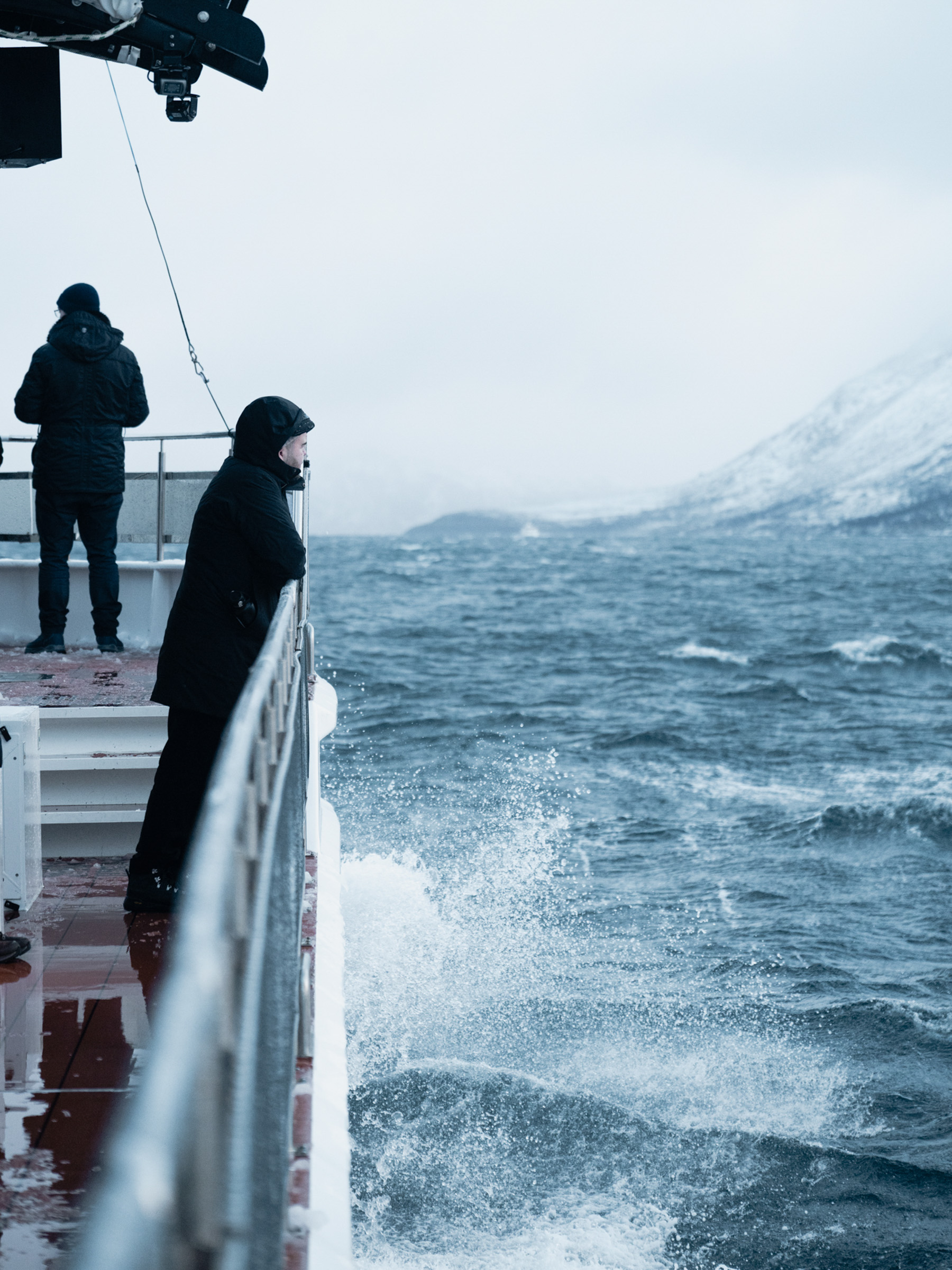
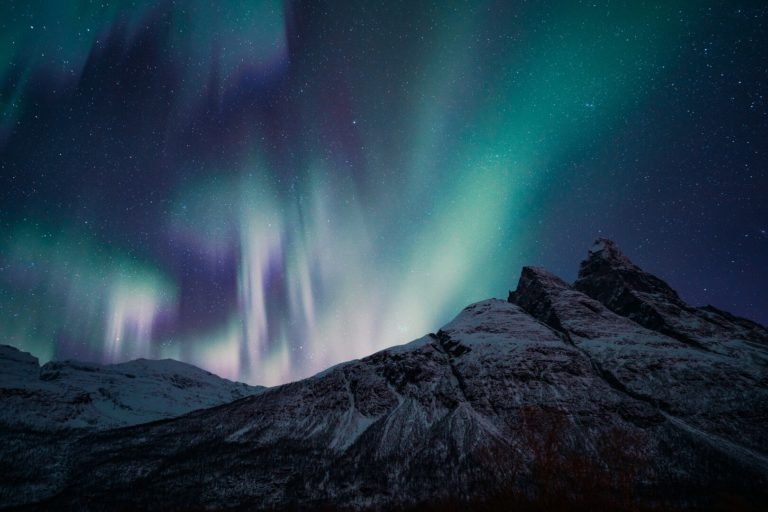
We started our whale-watching tour in heavy snowfall. A storm had just passed, so in parts there were rough seas on the way north. But everyone seemed to manage well. Around Skjervøy it began to clear, and on the return journey we saw see the Northern Lights over the mountain tops.
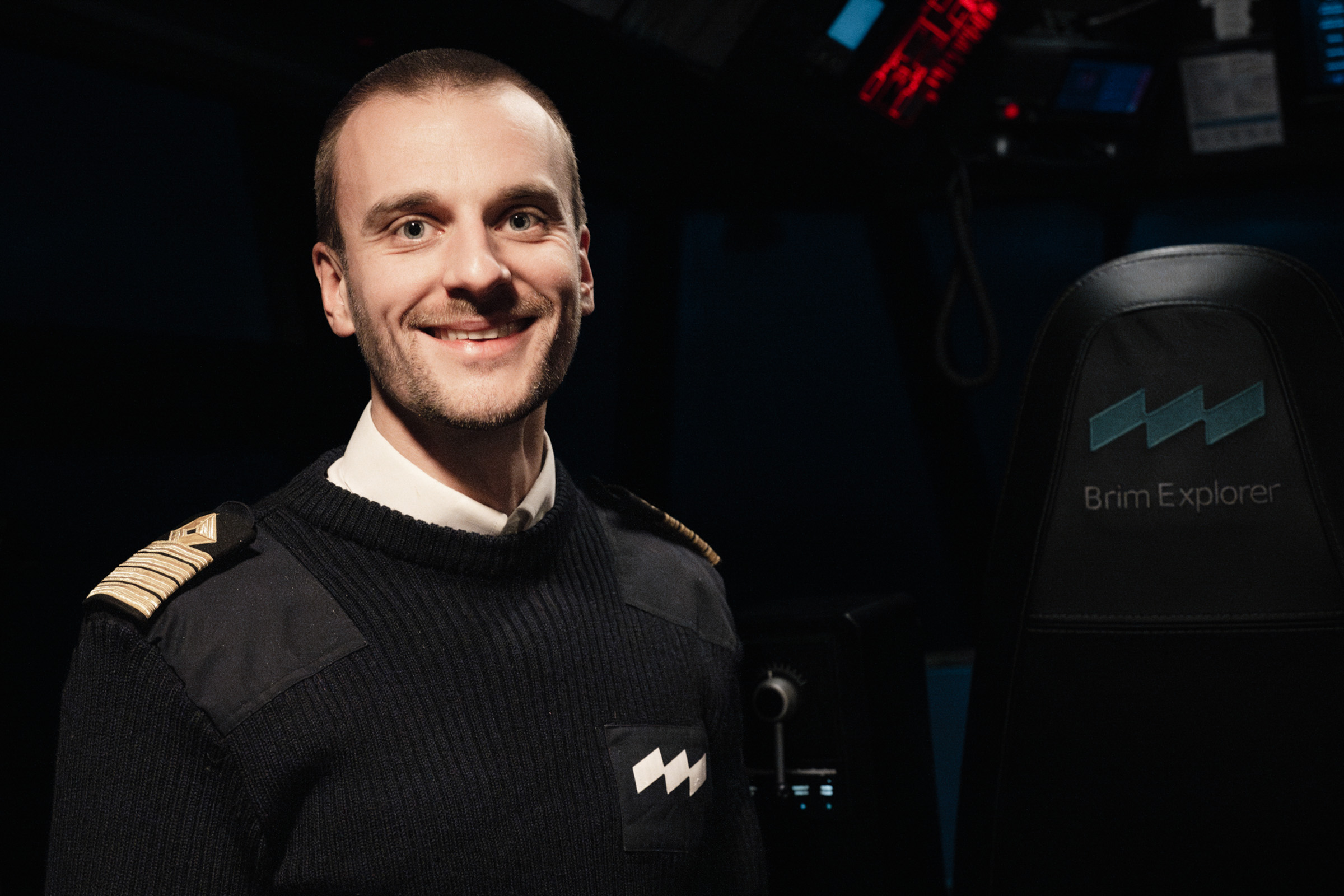
I was lucky enough to get a few words with the captain Albert Bjørnerem, responsible for safety onboard, who commented on the weather. “Every morning is a puzzle of weather, waves and wildlife. Conditions change fast, and we have to make decisions quickly. If a trip is cancelled, it’s for a good reason. Guests sometimes forget they’re in the North Atlantic.
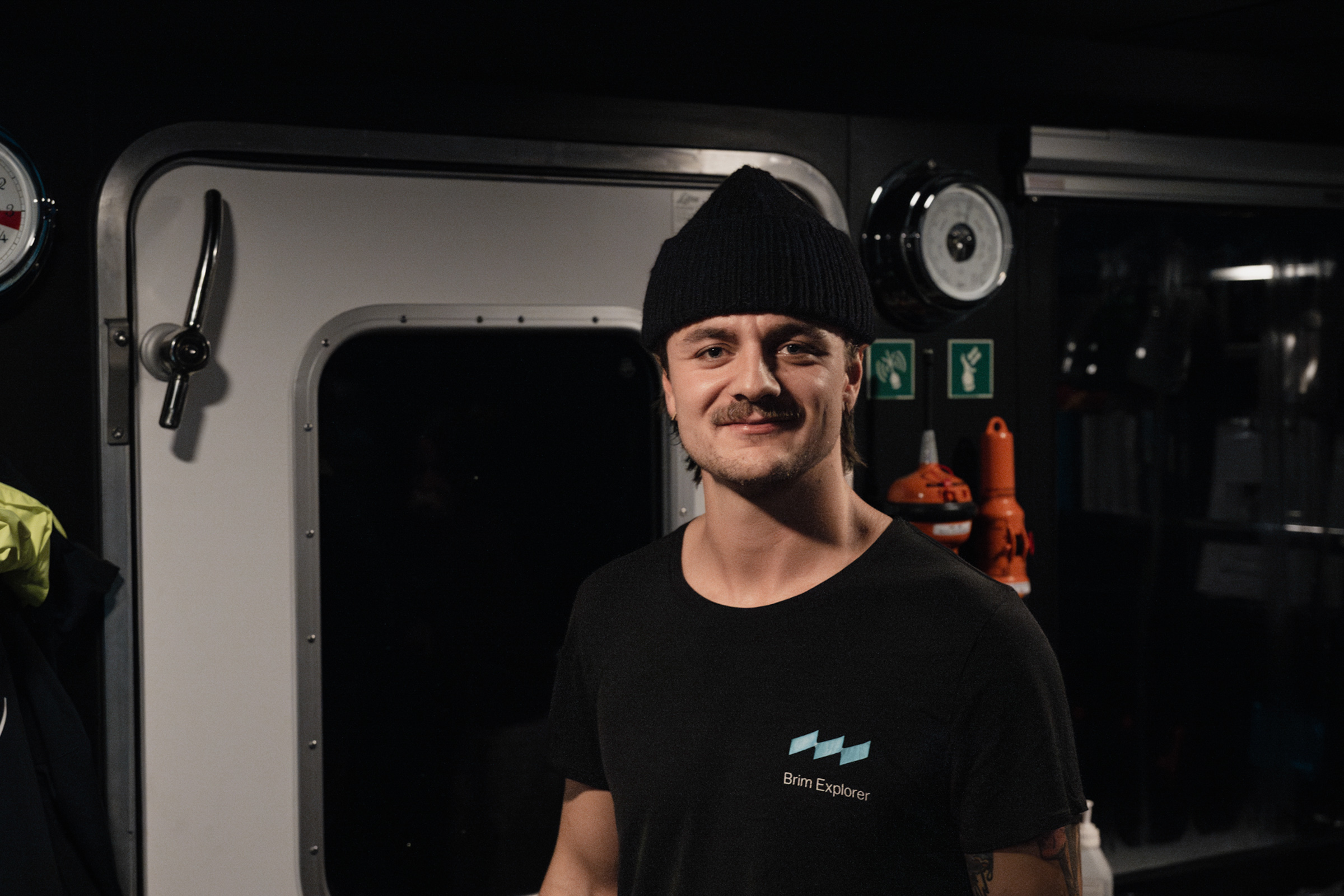
And the guide Tobias Elgaaen: People should plan a week if they want to be sure. Weather changes, the whales move, and seasickness is real.”
Given the storm the day before we set out, I realised how true that is.
Practical facts
You might be lucky to see whale all year in the waters off Tromsø, but the chances are small most of the year. However, from sometimes in October to early February, the Atlantic herring population stays around the Skjervøy-Alta area. Since orcas and humpback whales, and sometimes fin whales love herring, they come from large parts of the Atlantic to feed on all this fish.
Tours are organised both out of the nearby port of Skjervøy and from Tromsø. Tromsø is further away, and the transport takes longer – typically organised as a daytrip. For trips out of the Skjervøy area consult Visit Lyngenfjord, and all trips out of Tromsø are found on the website Visit Tromsø.
Weather in the North Atlantic can be rough all year. If the weather is too rough, organisers will cancel their tour and refund you. They are responsible for the safety, and will never go out if it’s not safe. If you want to make sure to get out to see the whales, make sure you stay around a week. The very same is true, incidentally, with the Northern Lights.
The tours departing from Skjervøy are usually too short, and happen in the short daylight hours, and you have usually no chance of seeing any Northern Lights. However, on the ones leaving from Tromsø, the transport is longer, and you might be lucky to see them. However, we recommend the specially designated Northern Lights tours, as the chance is much bigger. That said; we did see Northern Lights on the return journey when we sailed with Brim.