Most tourism companies try to work as sustainably as possible, but it still happens that tourism consumes a little too much of local resources and the goodwill of the inhabitants. Is it possible to develop tourism in a different way? Perhaps tourism should put the place first to a greater extent? Get inspiration from nature itself, and the practices of people who live more in harmony with it? How can you then take part in the local communities you visit? So that they are perhaps a little better off after, than before you arrived there?
Experience actors who take extra responsibility locally
Some of the businesses are starting to put in place experiences that you as a guest can participate in – to make the places you visit better. Experiences that you as a resident feel preserve and enhance local values, or have helped develop or participate in yourself. Here are some of those that have come the furthest in this ongoing process:
Volunteer tourism at Træna
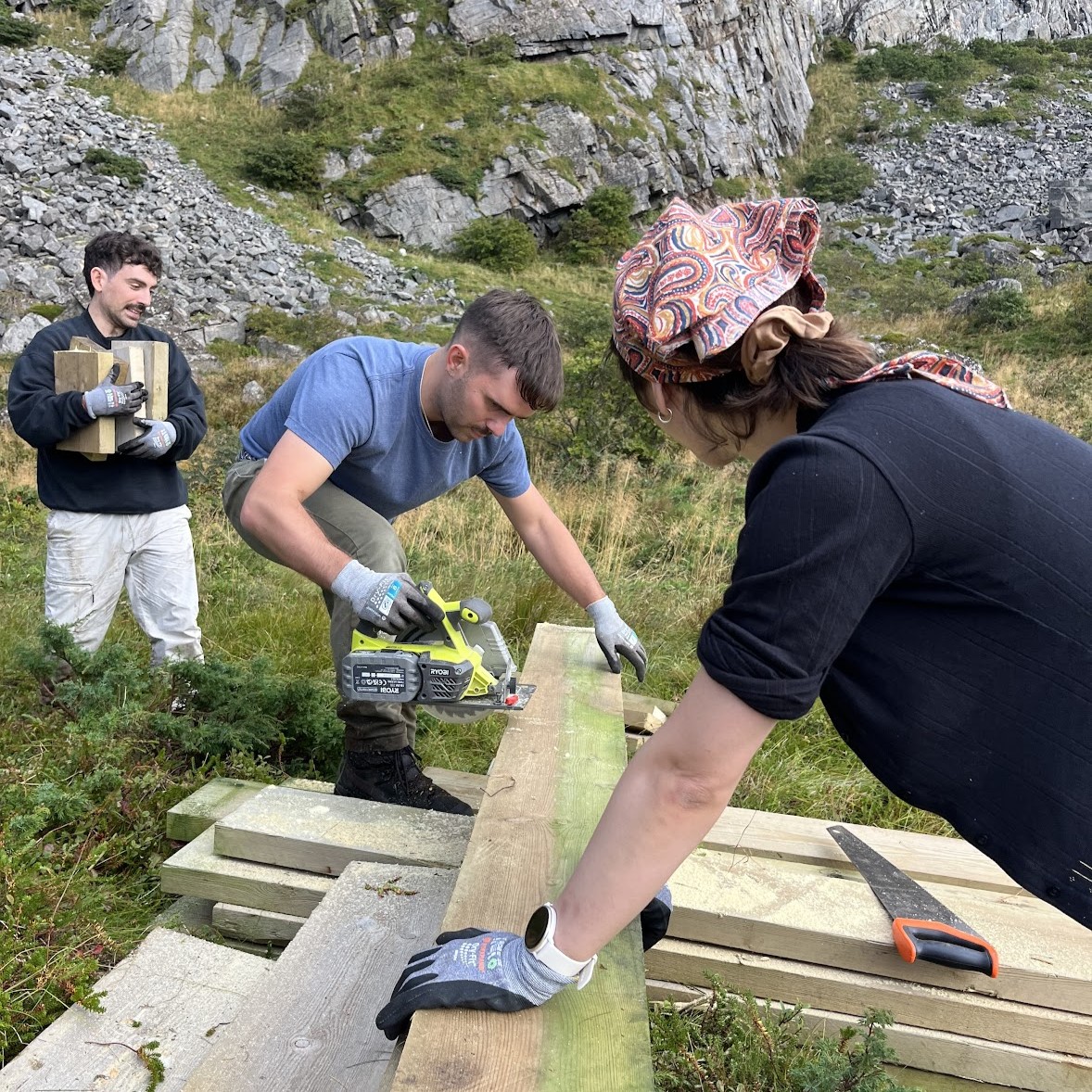
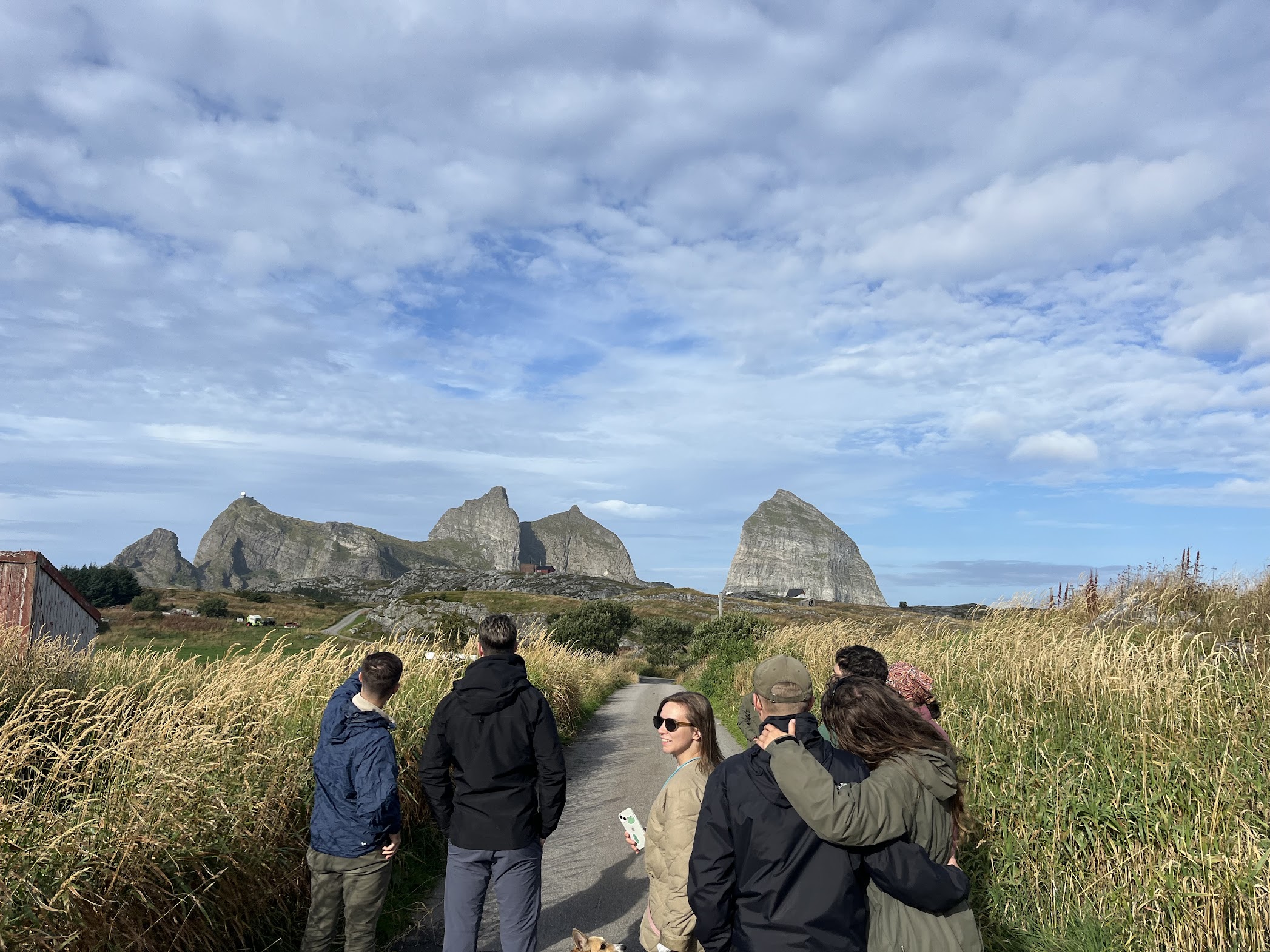
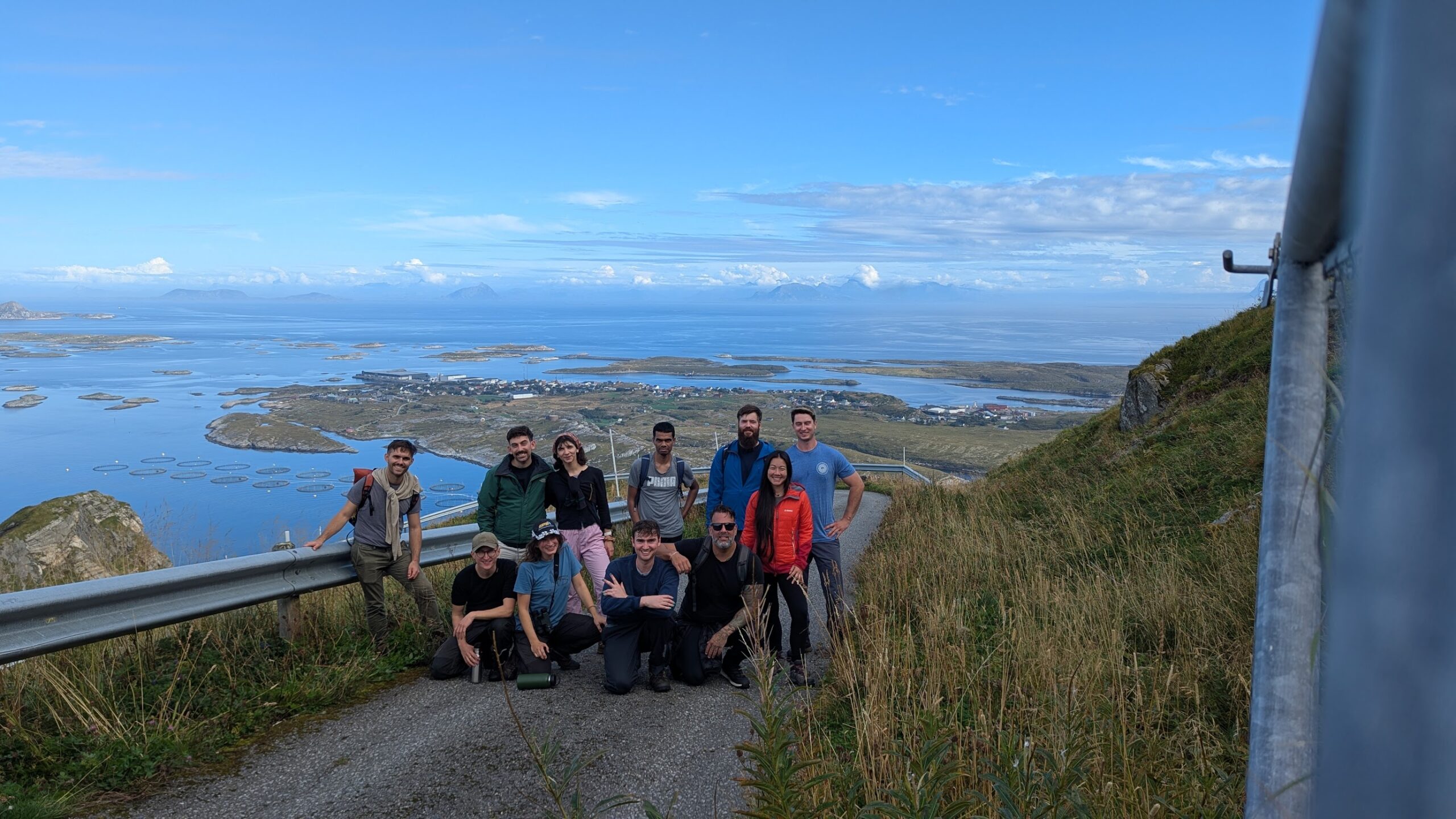
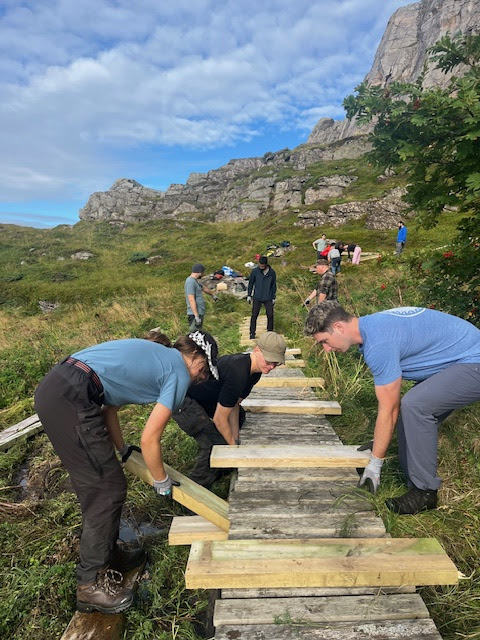
In the expanse of the ocean on the Helgeland coast, the island community of Træna is testing out a new tourism concept: volunteer tourism. Here, travelers from all over the world are invited to contribute to the place they visit – while having unique experiences close to nature, culture and local communities. In the fall of 2025, the international volunteer tourism week was held for the third time. Over 100 applicants expressed their interest, and 12 participants from the USA, Canada, Great Britain, Switzerland, Germany, Sweden and Norway aged 25–60 were selected. Together with local enthusiasts, they worked on nature management, beach cleaning and maintenance of paths in the vulnerable nature on Sanna.
Together with local enthusiasts, they worked on nature management, beach cleaning and maintenance of paths in the vulnerable nature on Sanna. – It’s about rethinking how tourism can be developed. Instead of guests just consuming an experience, they also give something back. It creates ownership, community and memories for life, says project manager Moa Björnson. Read more about it at Træna 365.

The concept fits into a growing international trend: “volunteer vacations.” But at Træna, the emphasis is on interaction between visitors and the locals – with shared meals, meeting places and experiences that provide a deeper understanding of the island community. – What I particularly liked about Træna and volunteer tourism was that you got to know not only the other participants, but also the locals. Træna appears as a place with a strong identity and history, while constantly creating something new, says Leonardo, one of the participants.
The week also offered insight into the island’s rich history – including a lecture on archaeological finds that date settlement back 10,000 years – and a look ahead with a tour of Ytri Island Retreat, a new landscape hotel that is under construction. Volunteer tourism at Træna has been developed by Træna 365 / Ytri Island Retreat and led in collaboration with local actors, with support from DOGA and Samfunnsløftet. The goal is to inspire a tourism that creates value for both travelers and the host region. “We believe that the tourism of the future is about participation and meaning. When guests get to help build, protect and create, the journey becomes more than just an experience – it becomes a contribution to a place,” concludes Björnson.
How do you get to Træna?
Read more about Træna 365. Read more about what you can experience in Helgeland and how to get to Træna at Visit Helgeland.
To Elise From Marius – from farm to table
Elise and Marius at Utskarpen work regeneratively by growing their own herbs, vegetables and tomatoes in organic fields, implementing their own “farm to fork” philosophy. They focus on local food and sustainable practices to create local value and reduce environmental impact far beyond their own operations. Their regenerative approach includes, among other things, that they:
- Wants the village they live in to be a better place to live
- Believe strongly that small communities create great value
- Uses local suppliers and local labor
- Increases knowledge of local produce and food for guests
- Works closely with the local community, e.g. the middle school, to build a shelter
- Has become a meeting place for the local population as well
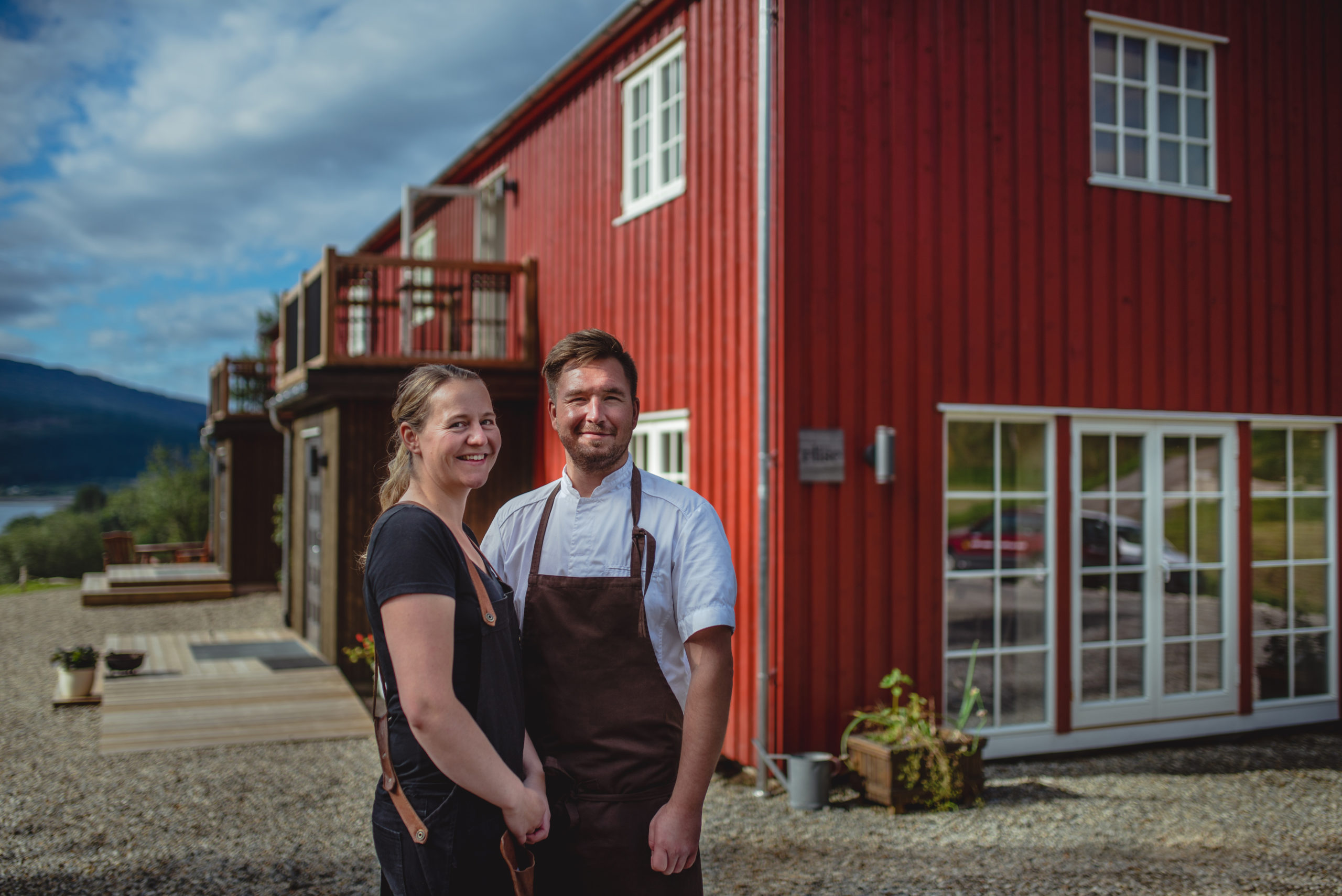
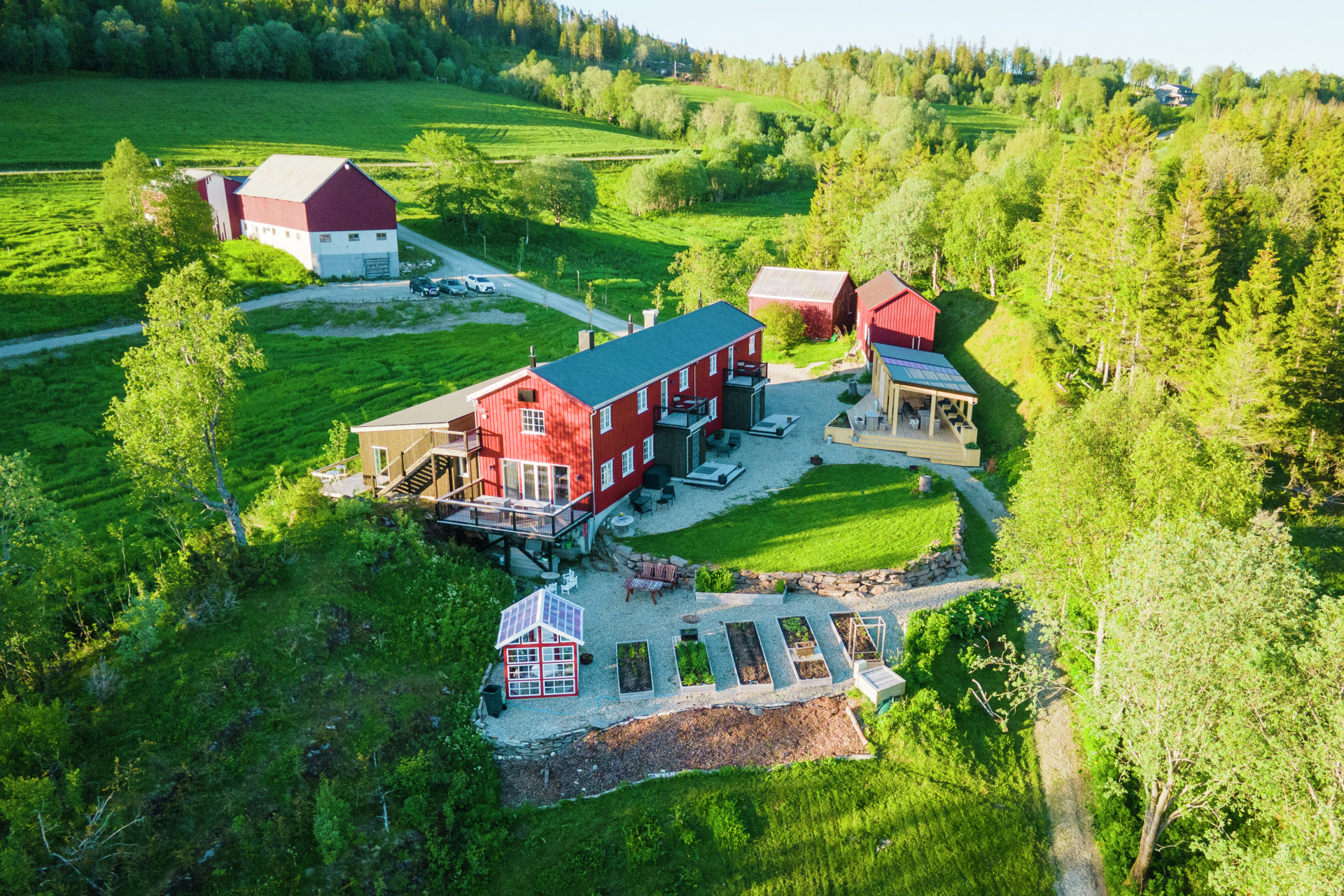
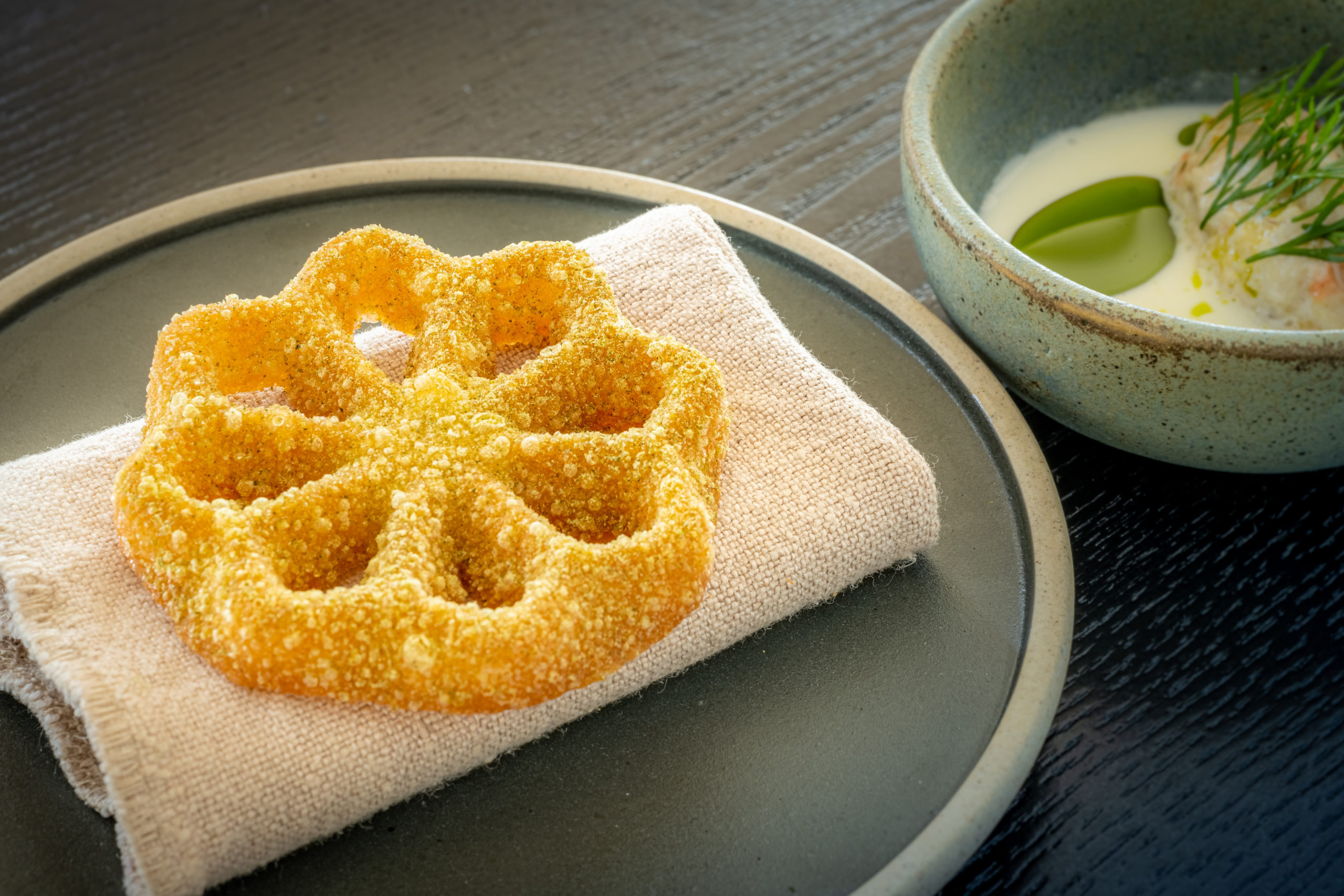
By having full control over production from their own garden to their plate, they minimize their ecological footprint and maximize the value of local resources. – We strongly believe in bringing the food experience to where the ingredients grow in the countryside, and not the other way around. We strongly believe that small communities create great value, say Elise Bratteng Rønning and Marius Martinsen.
How do you get to Utskarpen?
Read more at Til Elise Fra Marius. Read more about what you can experience in Helgeland and how to get to Utskarpen at Visit Helgeland.
Read more about what you can experience in Helgeland and how to get to Utskarpen at
Just north of the Arctic Circle lies Nordland National Park Center, an inspiring stopover between nature, art and knowledge. At Storjord you will find the center, which consists of both the Nordland National Park Visitor Center and the Adde Zetterquist Art Gallery. Here you will learn more about the five national parks in the region. At the same time, stories about nature conservation, outdoor activities and how people have lived in and used the landscape for generations are conveyed. A knowledge of nature and culture that may open up your view of how these things are connected. Knowledge that you can take home with you, and perhaps contribute to your involvement in improving the local community in your hometown?
One of the activities that really shows how regenerative tourism can be experienced in practice is Slåttedagen. The old Roparneset hayfield is easily accessible around a small mountain farm. The hayfield is a valuable habitat where traditional hayfields without fertilization create a species-rich flower meadow, an important habitat for pollinating insects and biodiversity. During the Mowing Day, visitors are invited to join in the work with locals, mowing the meadow the way it was once done, with a scythe, a hoe and a workhorse. Together with the Salten working horse team, traditional mowing is demonstrated, and participants can try their hand at the mowing field themselves.
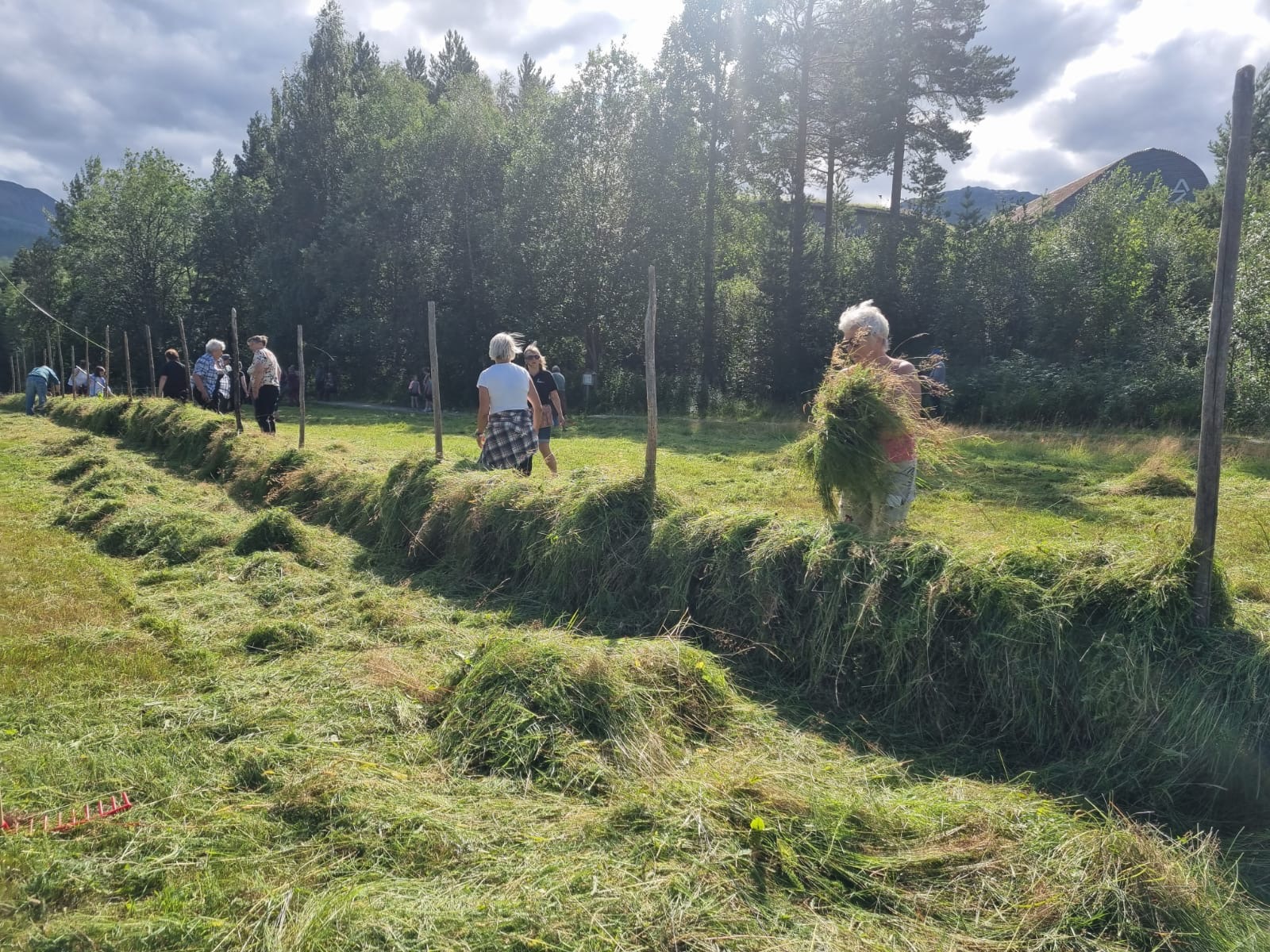
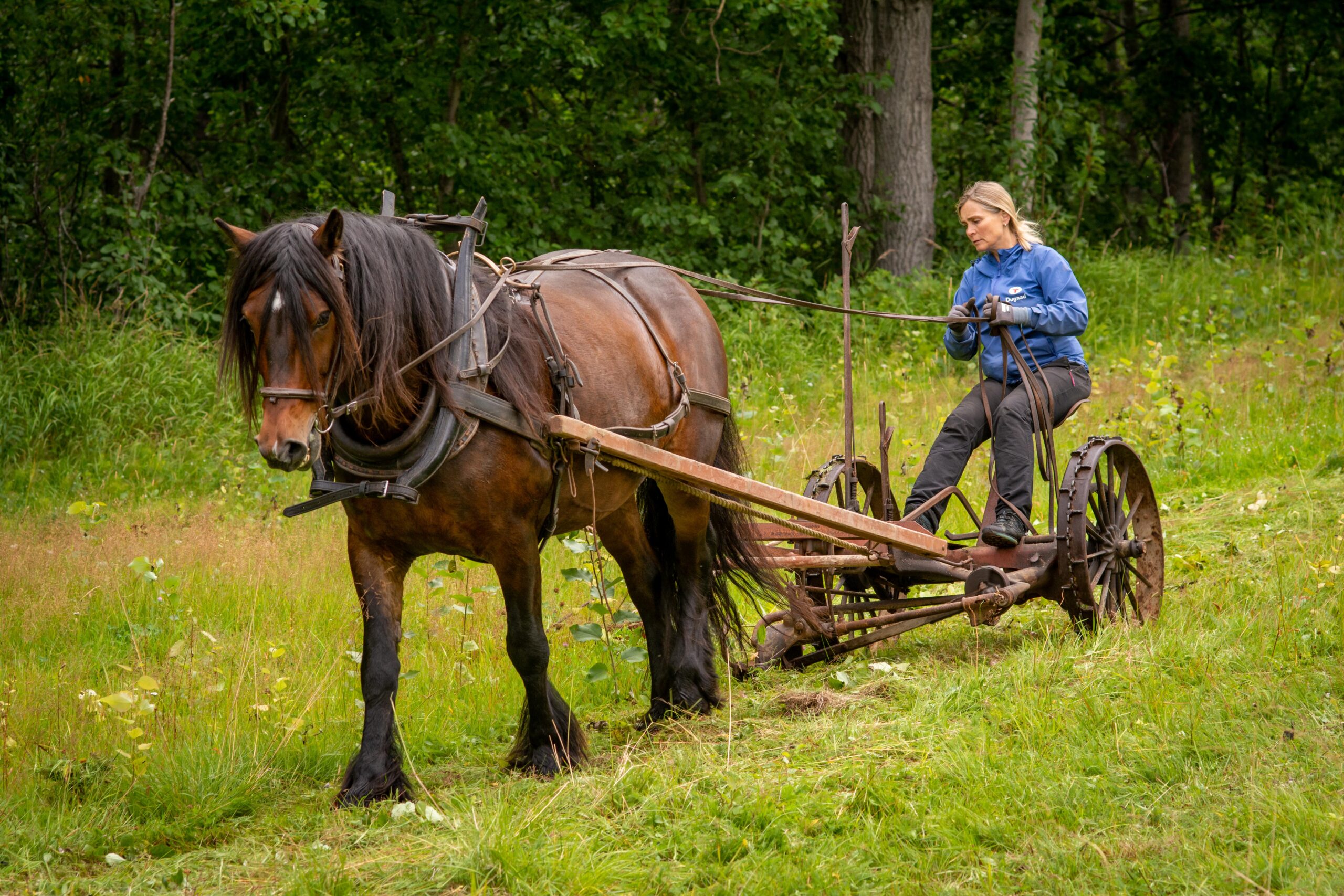
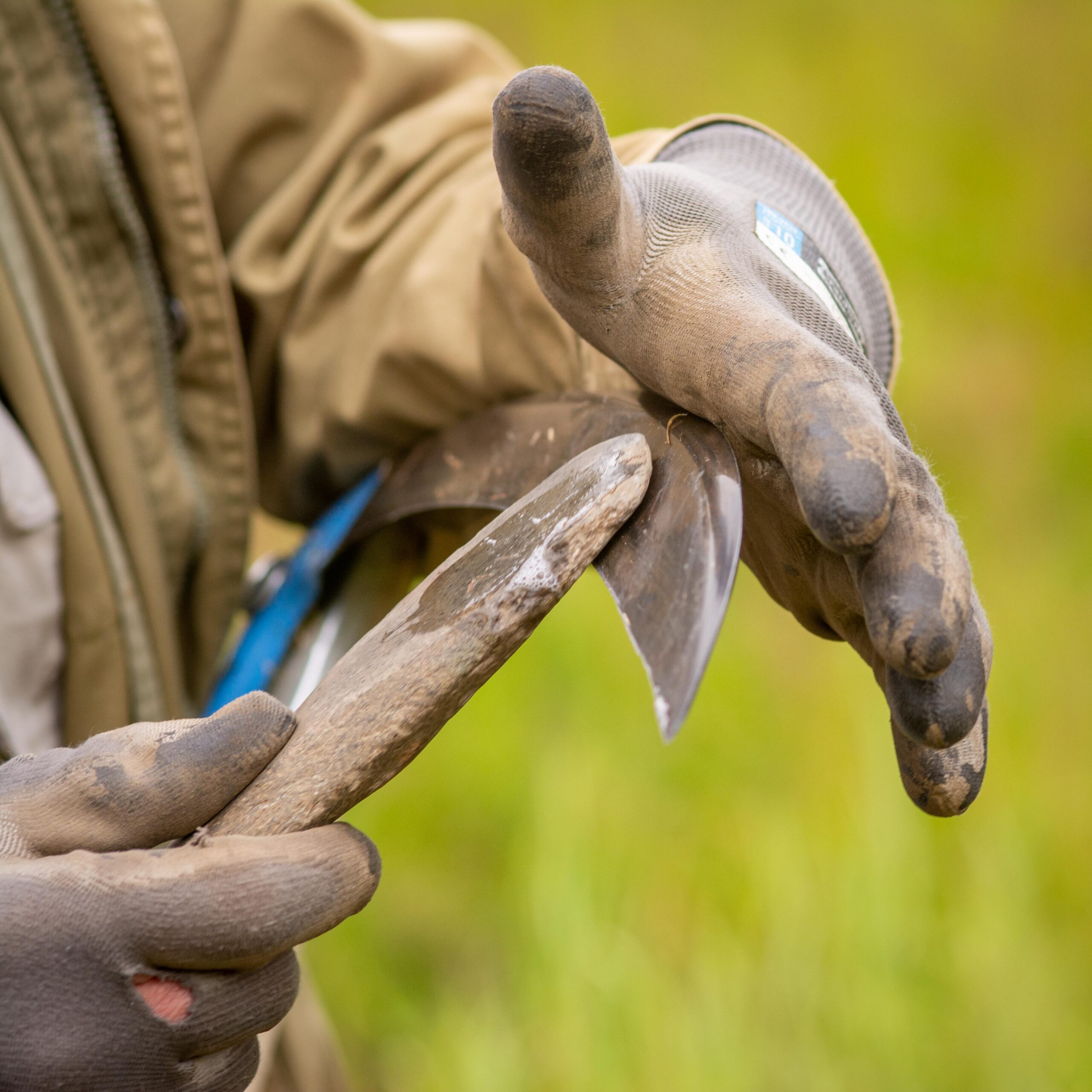
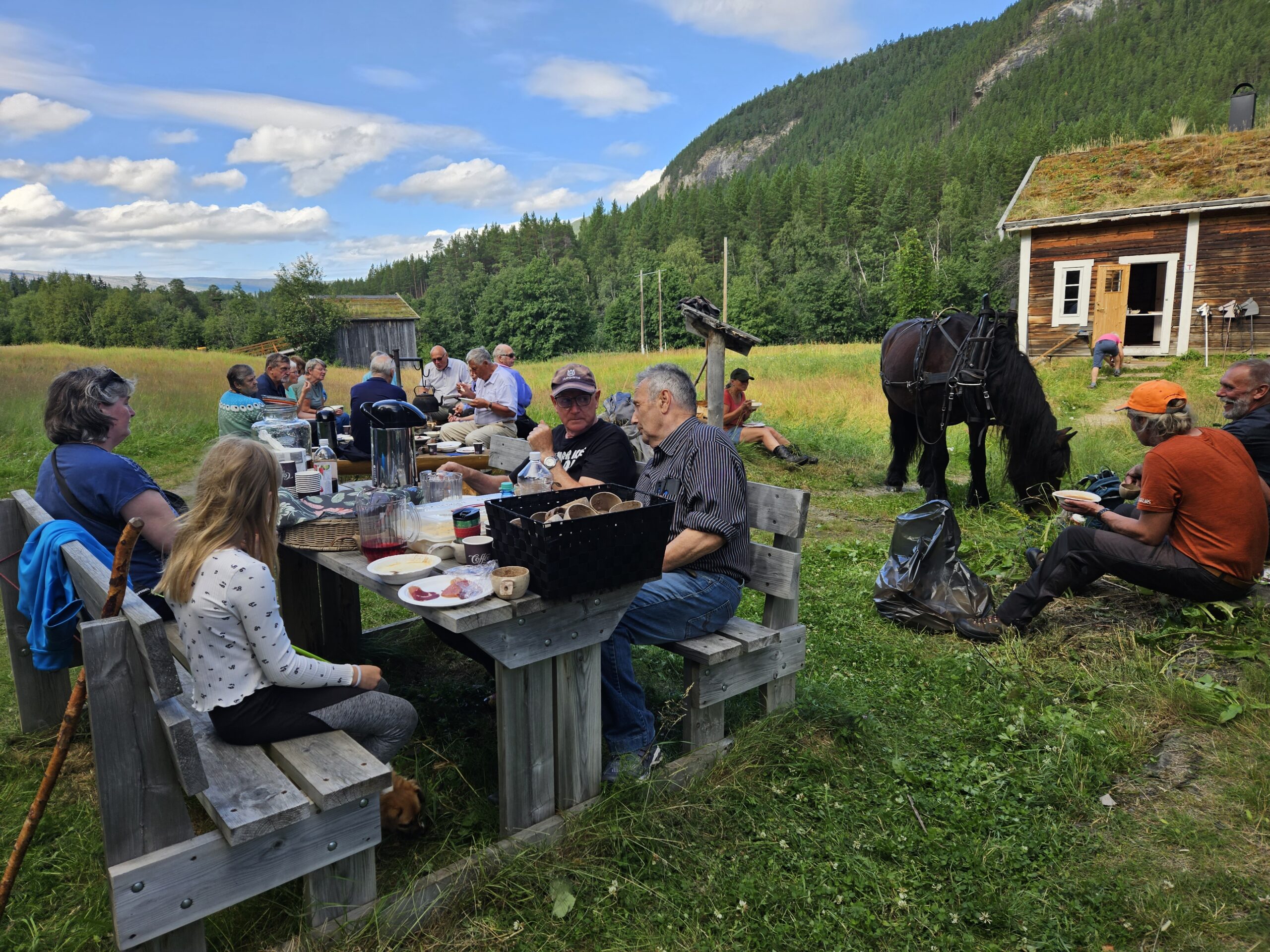
Throughout the day, the meadow is mown and scythed, and participants get to experience how work in the cultural landscape once took place. At the same time, the effort directly contributes to the care of the hayfield. Such meadows are now an endangered habitat type, and traditional mowing is crucial for preserving both the natural values and the cultural history associated with the place. In the middle of the work, the participants gather for a meal of hay porridge and cured meats, an old tradition from the haymaking era. When the work was at its peak, it was common to serve a hearty porridge meal to the haymakers.
On the Scything Day, the tradition is continued, and Graddis mountain lodge is responsible for serving. When the day is over and the meadow is scythed, the participants have not only learned something new – they have also helped to take care of the landscape. This makes the visit an example of regenerative tourism in practice; an experience where local actors interact and guests both learn about the place and help to preserve nature and cultural heritage.
How do you get to Storjord?
Read more about Nordland nasjonalparksenter. Read more about what you can experience in Saltdal, and how to get to Storjord at Visit Saltdal.
Nord&Ne – learn about life in the world’s strongest tidal current
Saltstraumen is one of the most unique places you can experience, fish and dive. The beauty and uniqueness are truly unparalleled. Here you can experience the world’s strongest tides, and that is exactly what makes it amazing to visit. There is an abundance of life in the water. But this also attracts many recreational fishermen, and this has increased in recent years.
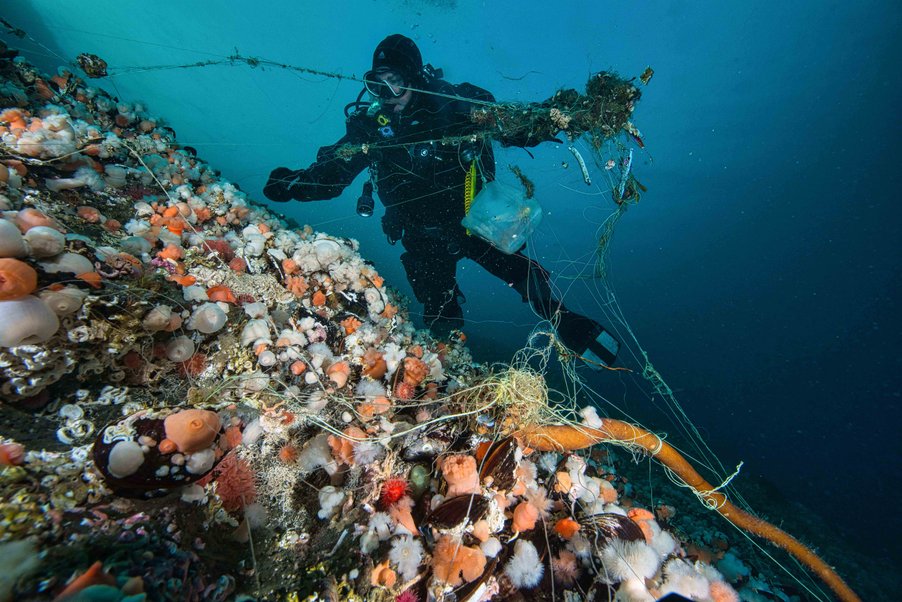
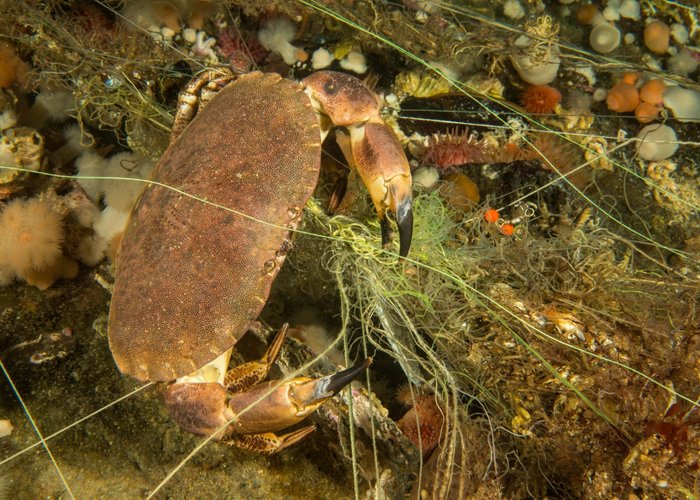
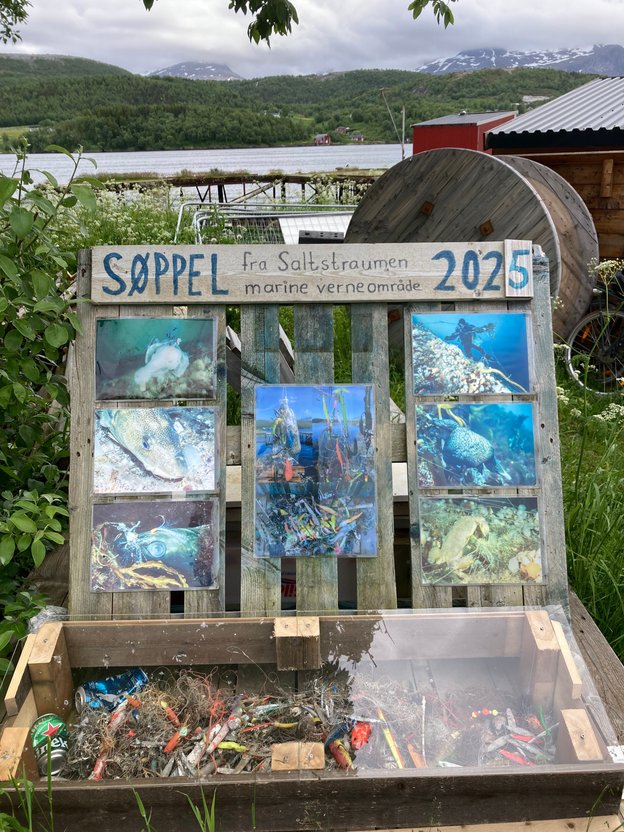
Saltstraumen is a protected marine protected area in Norway. This should mean that it is kept as a protected and quiet place for animals and nature. According to regulations, it is of course not allowed to leave garbage in this area, but at the same time recreational fishing and sport fishing are allowed like most places in Norway. And this is the dilemma. Because in the strong currents, not everything that recreational fishermen bring back from the water has a huge impact on the nature underwater. That is what the divers are trying to do something about.

Nord & Ne is also involved in local community development through the reconstruction of Saltbrygga where they are located and solutions such as toilets for visitors. They have taken a leading role as the “voice of underwater nature”. Every week they post underwater pictures from Saltstraumen on Facebook, telling how a species, or even an individual that they have followed over time, is doing, telling their “personal story”.
How do you get to Saltstraumen?
Read more at Nord&Ne. Read more about what you can experience in Bodø and how to get to Saltstraumen at Visit Bodø.
Fiskebørsen – where you learn to utilize the whole fish
Saltstraumen Hotell was fed up with the fact that fishermen in the world’s strongest tidal current only took the best loin fillets and left the rest behind. This is a waste of resources, unsustainable and something must be done about it, thought hotel owner Elin Richardsen. That’s how the idea of creating a fishing, food and service concept that they called “Fiskebørsen” was born.
A traditional northern Norwegian men’s meal starts long before you sit down at the table. In the center of the world’s strongest tidal current, our guests will get to experience and enjoy the purest ingredients, learn about and understand the importance of fish for us in the north and its path from fjord to table. We want our guests to come away a little wiser, more aware and even more proud of who you are and where you come from, says Elin.
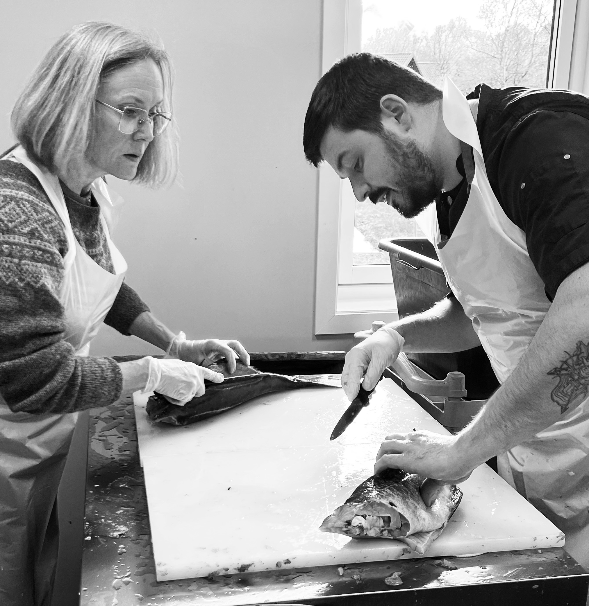
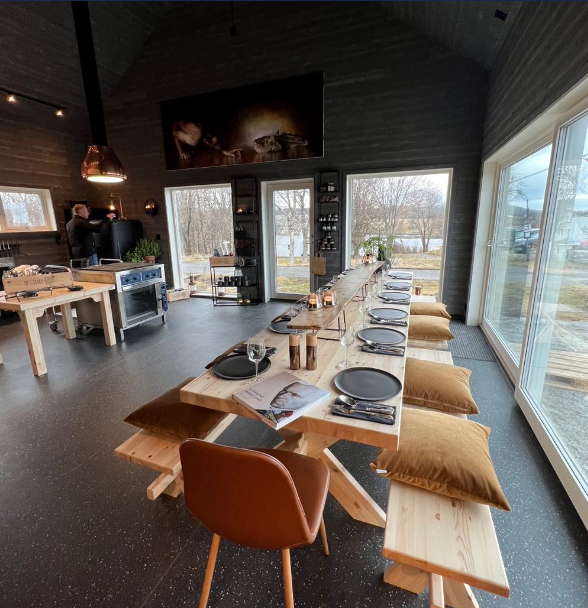
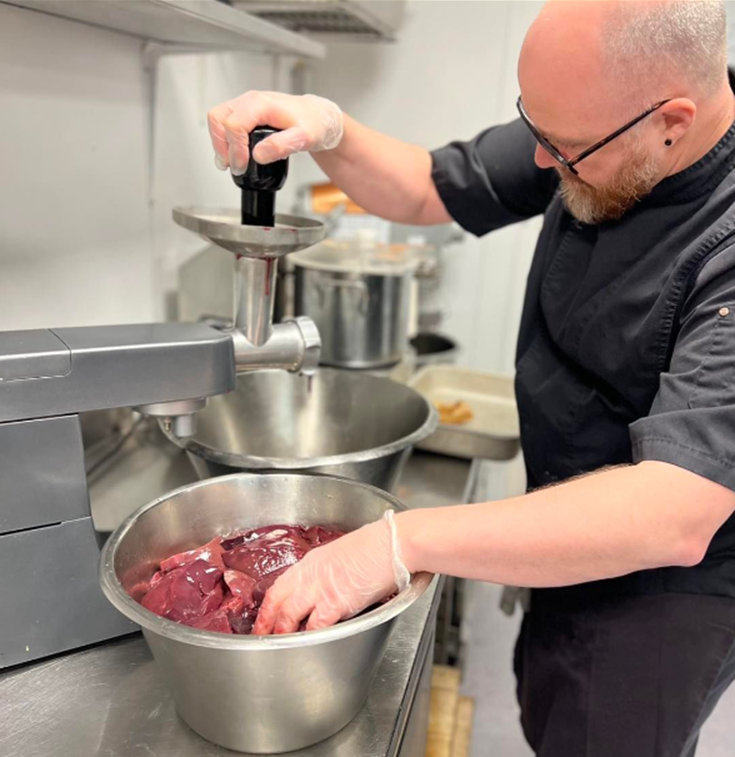
Fiskebørsen is a regenerative food workshop dedicated to the coast, the sea and local food traditions, with only Norwegian ingredients. A place where you not only eat, but also explore and understand the rich diversity of culture and history associated with our coastal community. Here you contribute through your own participation in taking care of more of the local marine resources. This gives you and yours a completely unique experience, where your own chef takes you on a filleting and processing of both fish and seaweed. They generously share stories and myths, our heritage and identity, and the evening ends with an exclusive festive meal.
By facilitating experiences of the forces of nature, Saltstraumen Hotel functions as a cultural hub for sharing knowledge about the area. In addition to the Fish Exchange, they have also taken local responsibility by purchasing and restoring the old Saltbrygga, including the company Arctic Salt, which produces sea salt from the world’s strongest maelstrom. The previously mentioned company Nord og Ne is also located on the pier.
Hvordan kommer du deg til Saltstraumen?
Read more about Fiskebørsen. Read more about what else you can experience in Bodø and how to get to Saltstraumen at Visit Bodø.
Tranøy Fyr – a regenerative lighthouse in the Vestfjord
Bio Lighthouse is what they call their regenerative concept, which in short involves you as a guest helping to map the local biodiversity around the lighthouse. Lighthouse keeper Erling Johansen talks about the project, which you can also participate in: – We believe that knowledge, understanding and empathy for nature is the way we can leave it in a better condition than we inherited it. And we can all contribute to this at our small folk research station at Tranøy lighthouse.
Tranøy Lighthouse wants to establish itself as a key player in the national effort towards regenerative tourism. But how do you do this? Join their knowledgeable and committed guides on a journey of discovery in the pier aquarium and on the shore. Here you can learn about all the species that we live side by side with. Maybe you will also discover a completely new species? – What actually lives just below the sea surface and which species are we actually protecting when we try to take care of the sea? asks the lighthouse keeper.
How do you get to Tranøy?
Read more about Tranøy Fyr. Read more about what you can experience in Hamarøy and how to get to Tranøy at Visit Bodø.
Writing course at the Hamsun Center
How can something as “simple” as a writing course at the Hamsun Center be a regenerative experience? The idea behind it is that during a 30-minute session, guests write whatever comes to mind, around a theme related to the place they are visiting. Afterwards, they can leave/hang up their thoughts at the literature center if they wish. In this way, guests are actively grounded to the place they have visited, both mentally and physically, even after they have returned home.
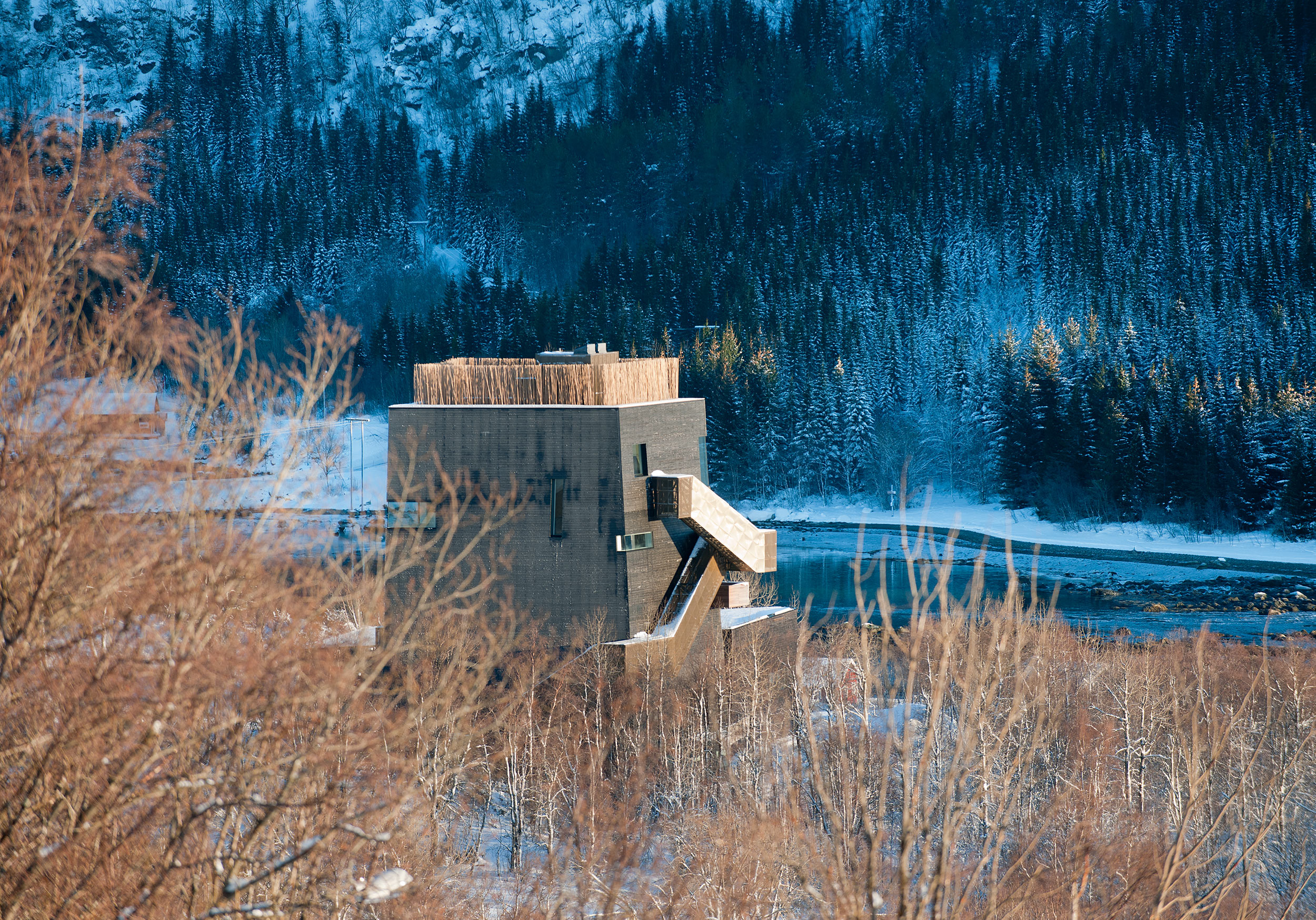
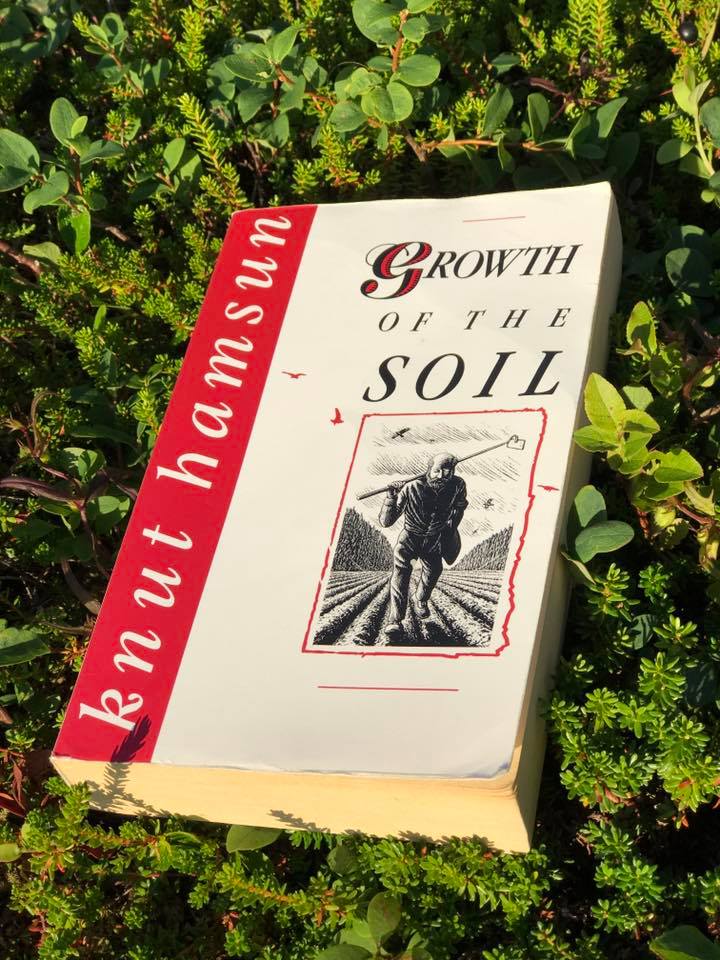
The undersigned can attest that having to dig deep into your soul, reflect and transfer your own thoughts, from head to paper in such a short time, is both demanding and rewarding for you as a guest. Recommended!
How do you get to the Hamsun Center?
Read moe at Hamsunsenteret. Read more about what you can experience in Hamarøy and how to get to the Hamsun Center at Visit Bodø.
Thon Hotel Svolvær – rooftop garden, fish reception in the restaurant and cooking school in the kitchen
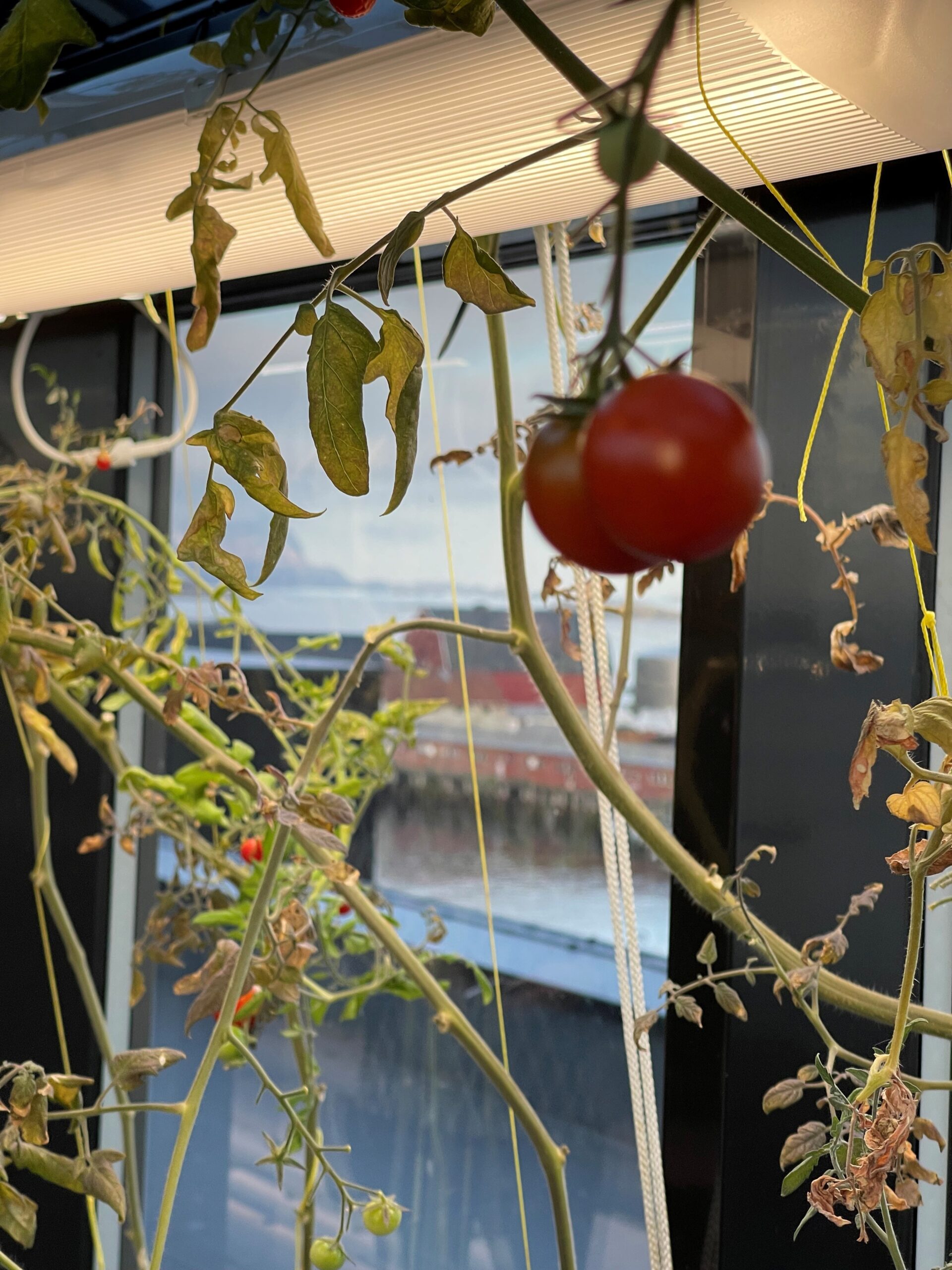
When hotel manager Erik Taraldsen was going to build a new hotel, he set completely new requirements for how the hotel would interact with its surroundings. The garden should be as organic as possible, where we are exploring a hydroponic solution to be as efficient as possible. They want to use little or no energy, and that fertilizer and compost will come from their own food waste.
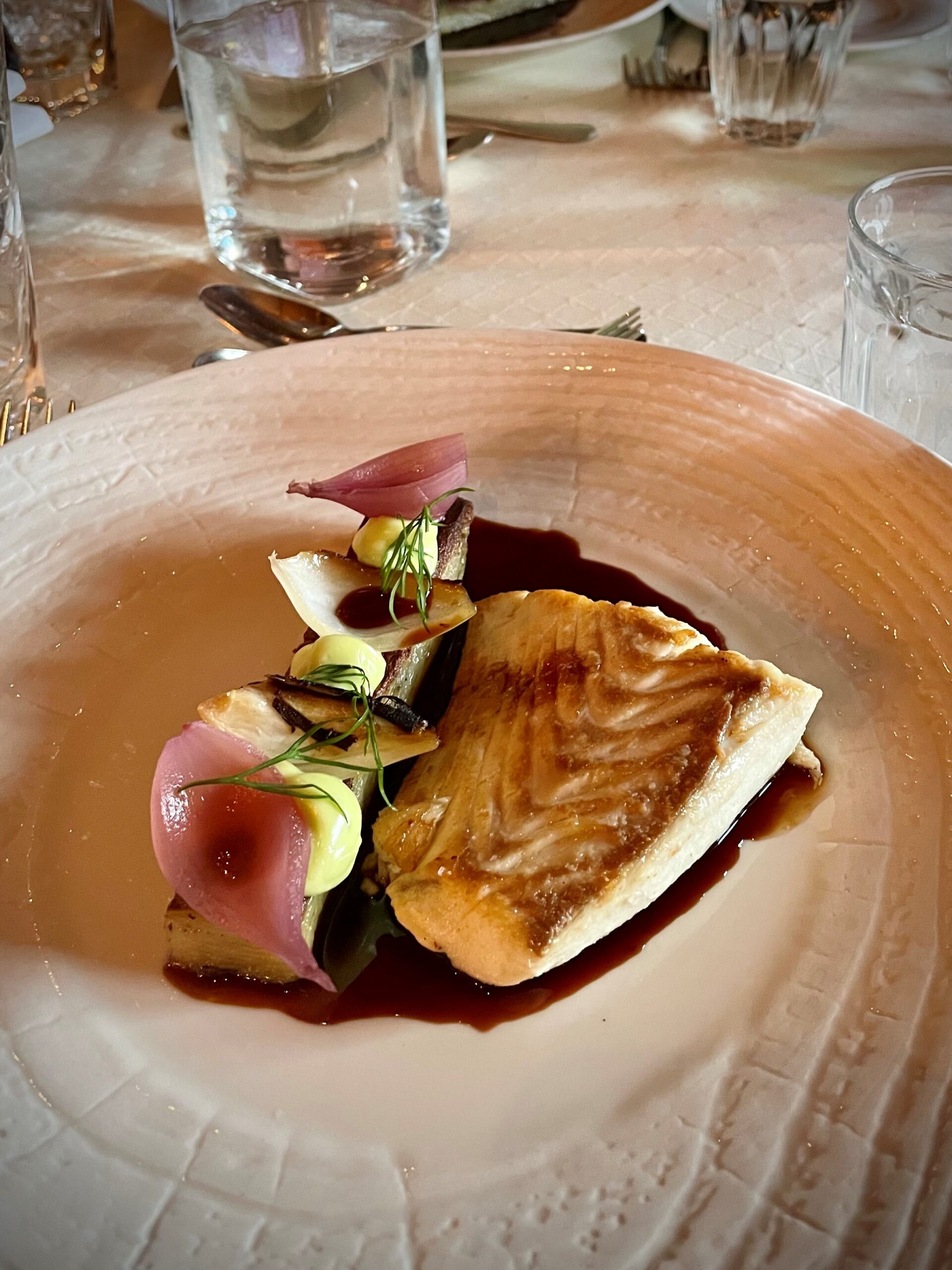
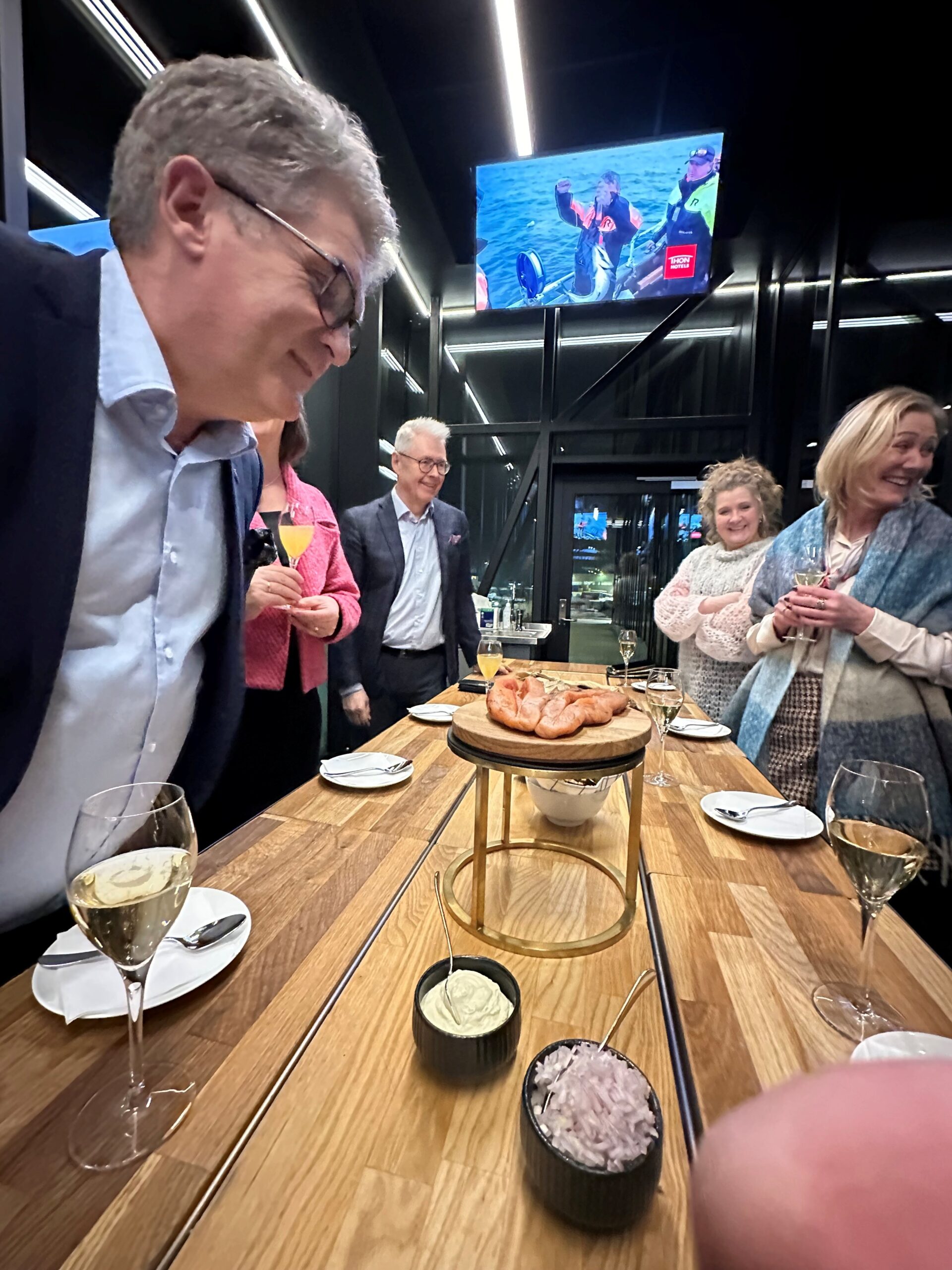

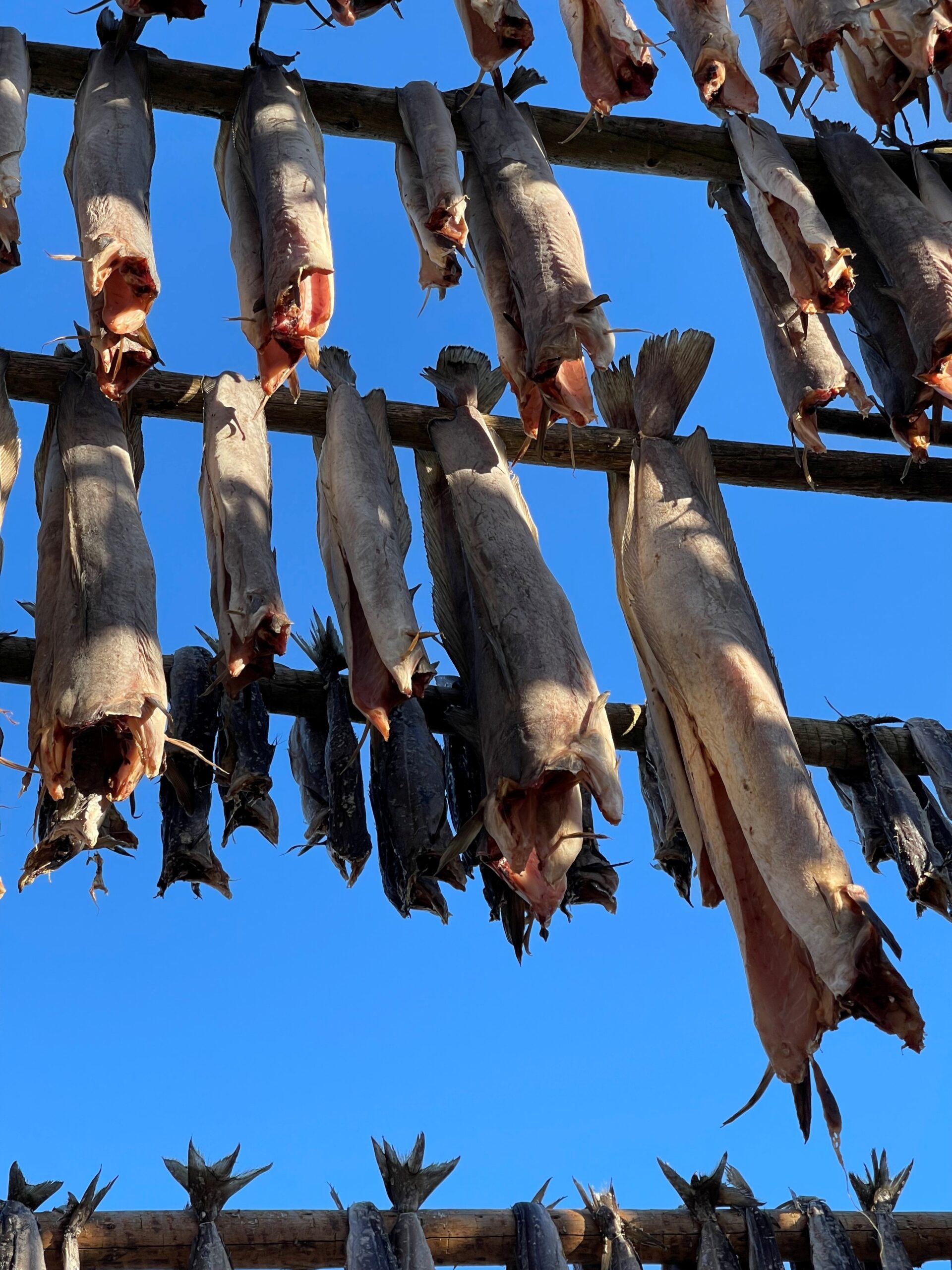
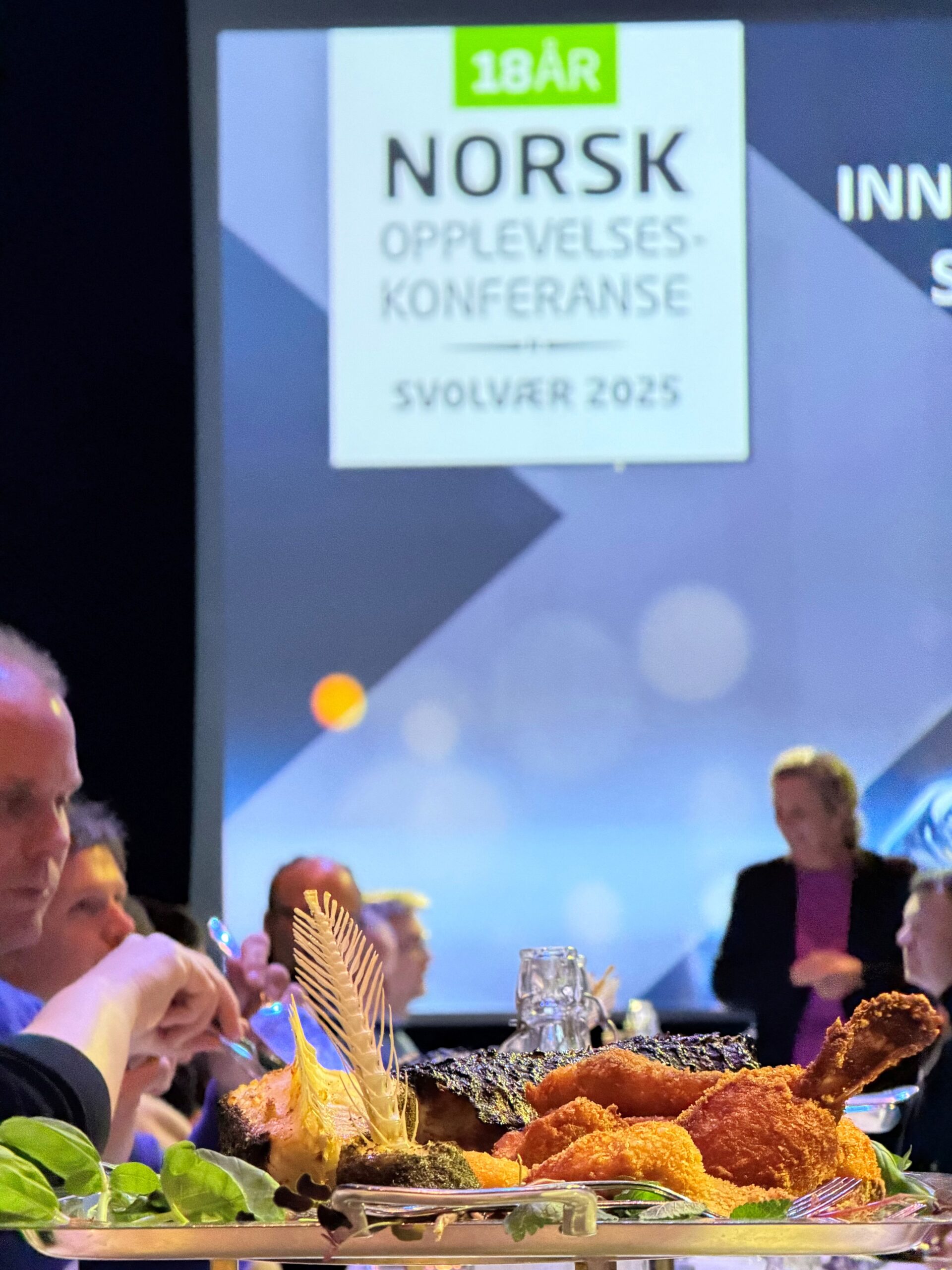
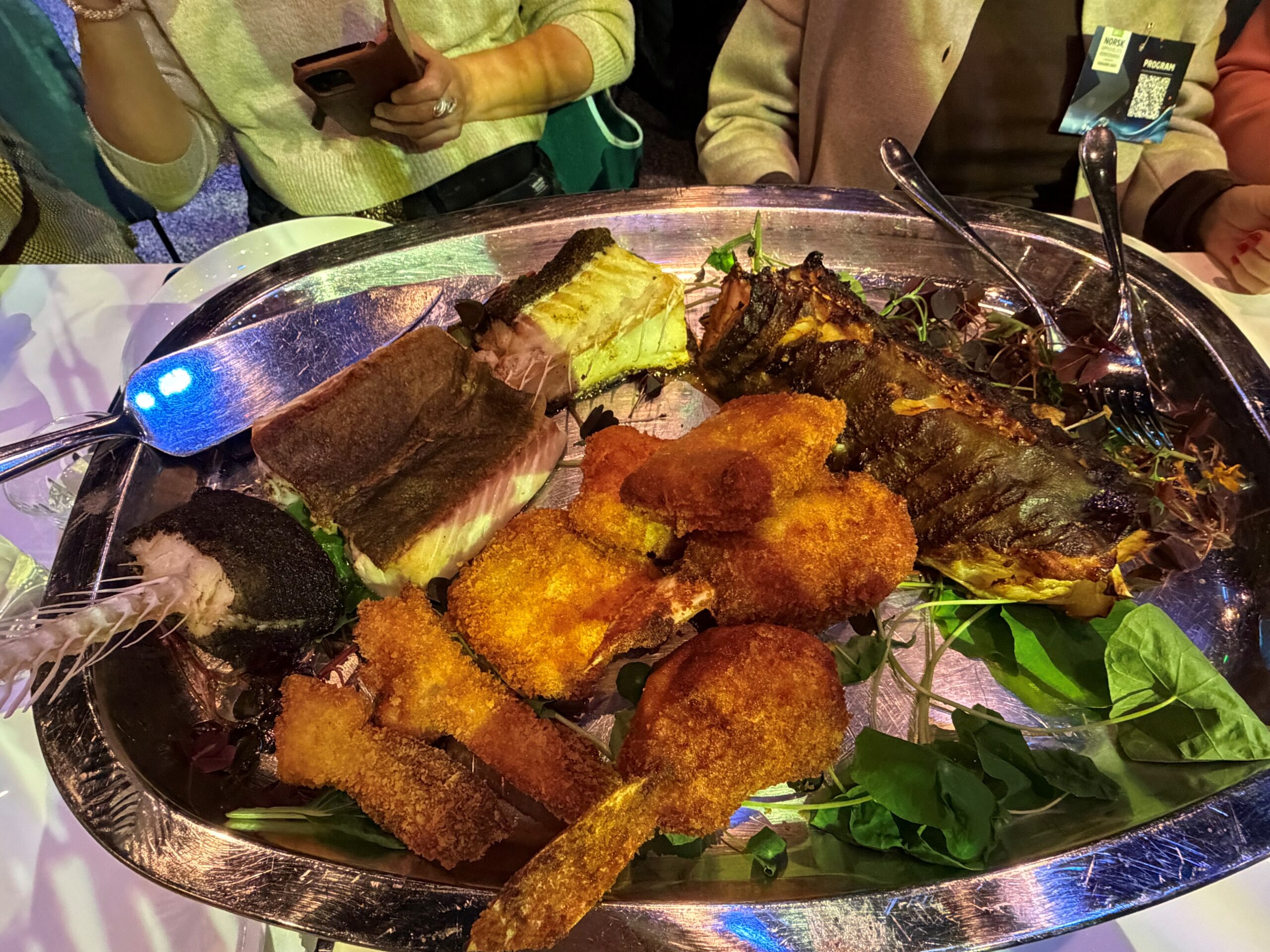
One of the largest events in Lofoten; the World Skrei Fishing Championship needed a large venue where participants could bring in the fish for weighing and further processing. The hotel wanted to help ensure that the “fishing tourists” had an even better experience throughout the event. That’s when the idea came to make the conference room so flexible and robust that it could be converted into a full-fledged fish reception. In addition, a mini glass fish reception has been built in the annex to the restaurant, where guests can take part in gutting and preparing the delicacies of the sea, before they are served on a platter in the restaurant itself.
In the kitchen, the hotel has taken on extra responsibility for training its own chefs, especially in Lofoten’s pantry. Yes, you know; the skrei that comes to the coast in the winter, cheeses from local producers and all sorts of local suppliers trump large purchases from afar. It is not always easy to get good and enough people for such a large workplace as the two Thon hotels in Svolvær, so it has been extremely important for the hotel director to have close collaboration with educational institutions and other important local players.
How do you get to Svolvær?
Read more about Thon Hotel Svolvær. Also read more about what you can experience in Lofoten and how to get to Thon Hotel Svolvær at Visit Lofoten.
Lofoten Seaweed – where tourism meets the tide
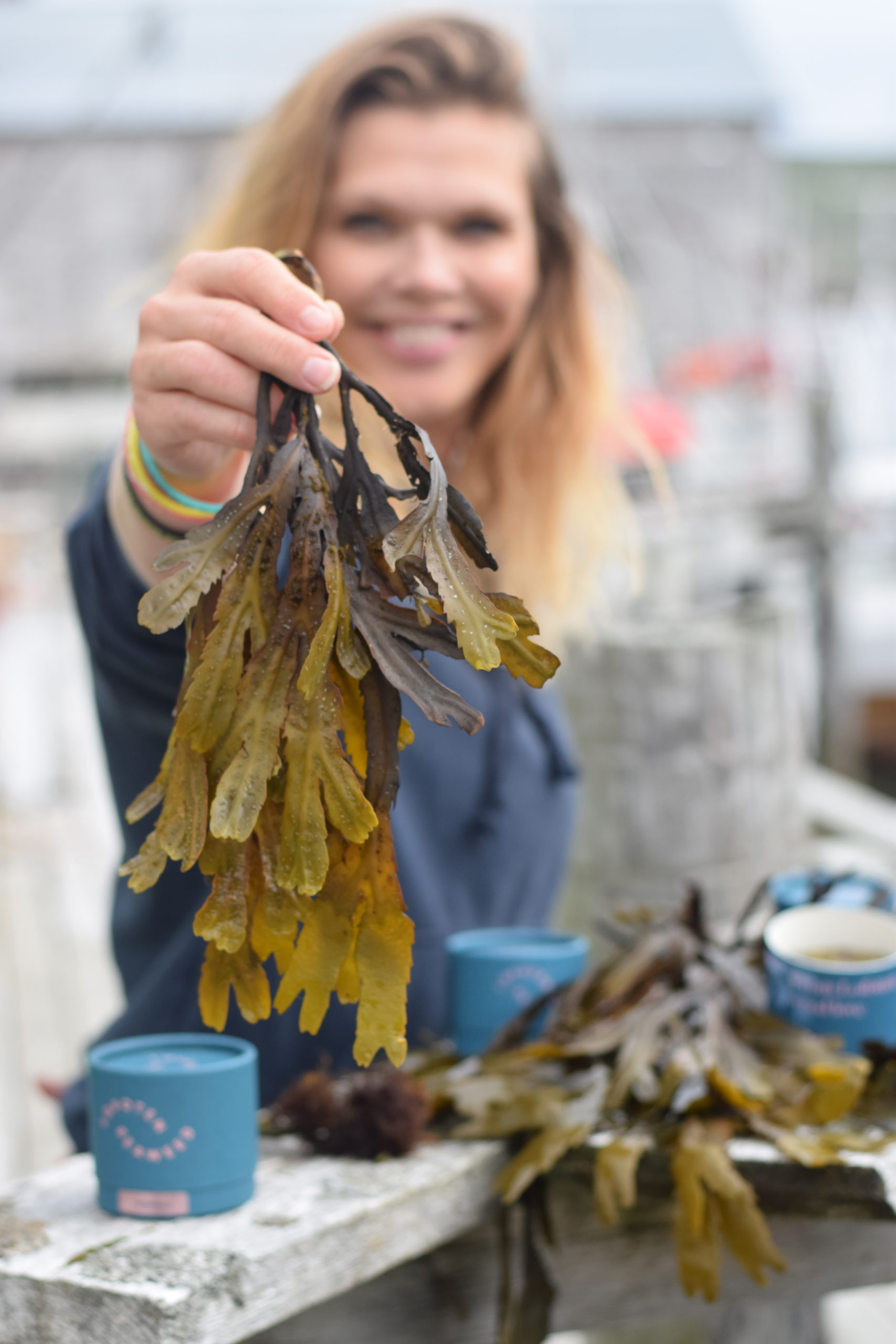
Want to bring some real umami into your life? Whether it’s breakfast, lunch or dinner, we’ve got you covered with a delicious and nutritious seaweed recipe. There are even some seaweed snacks and sweets too! Seaweed and kelp play a central role in this journey. As a fast-growing, renewable marine resource, it captures carbon, provides habitat for aquatic life and requires no fertilizer, land or freshwater. – By harvesting carefully and sustainably, we can transform seaweed into nutritious ingredients for restaurants, thoughtful food souvenirs for visitors and natural soaps for skin and hair care – helping to reduce the chemicals typically released into the ocean by the cosmetics industry, says founder Angelita Eriksen.
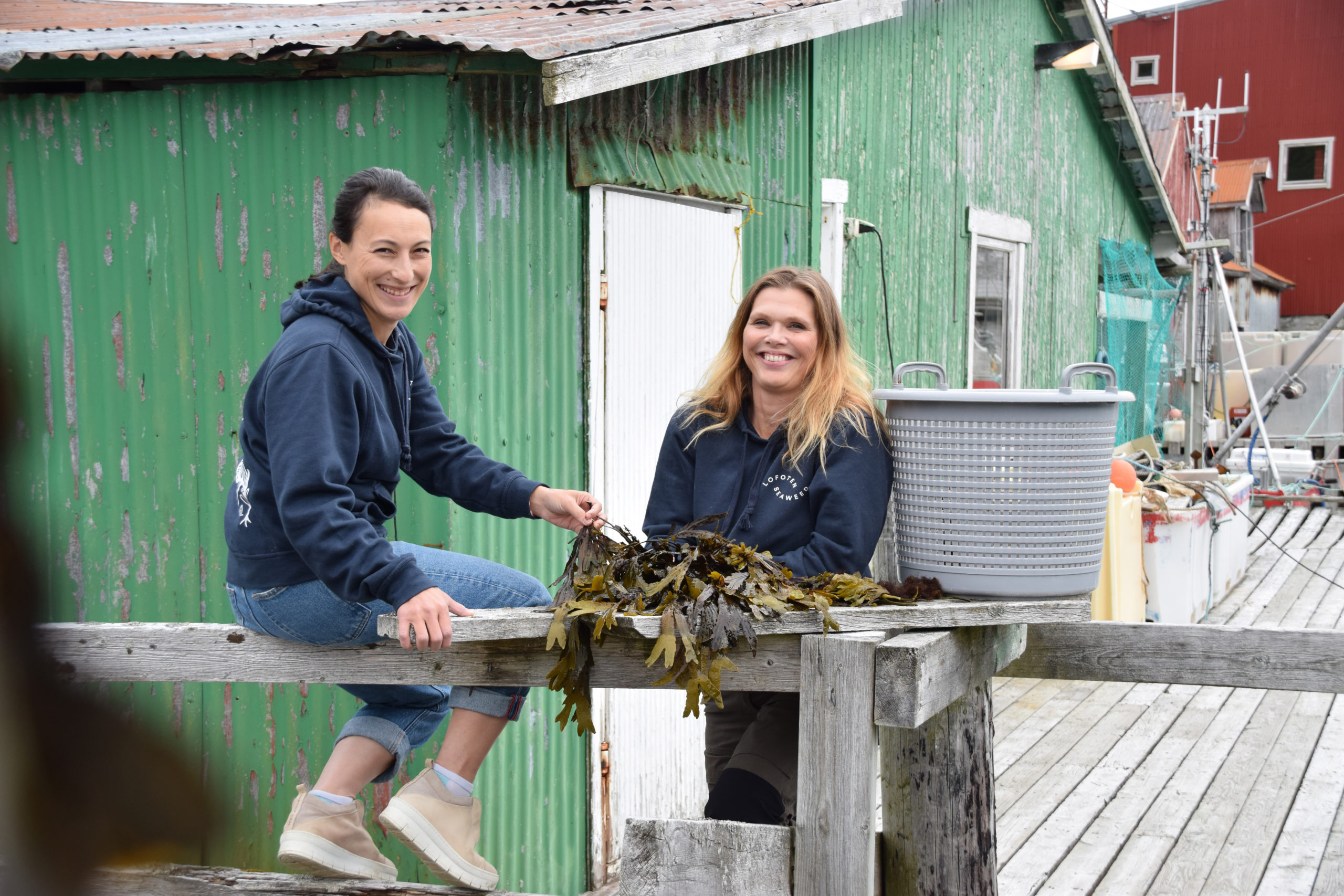
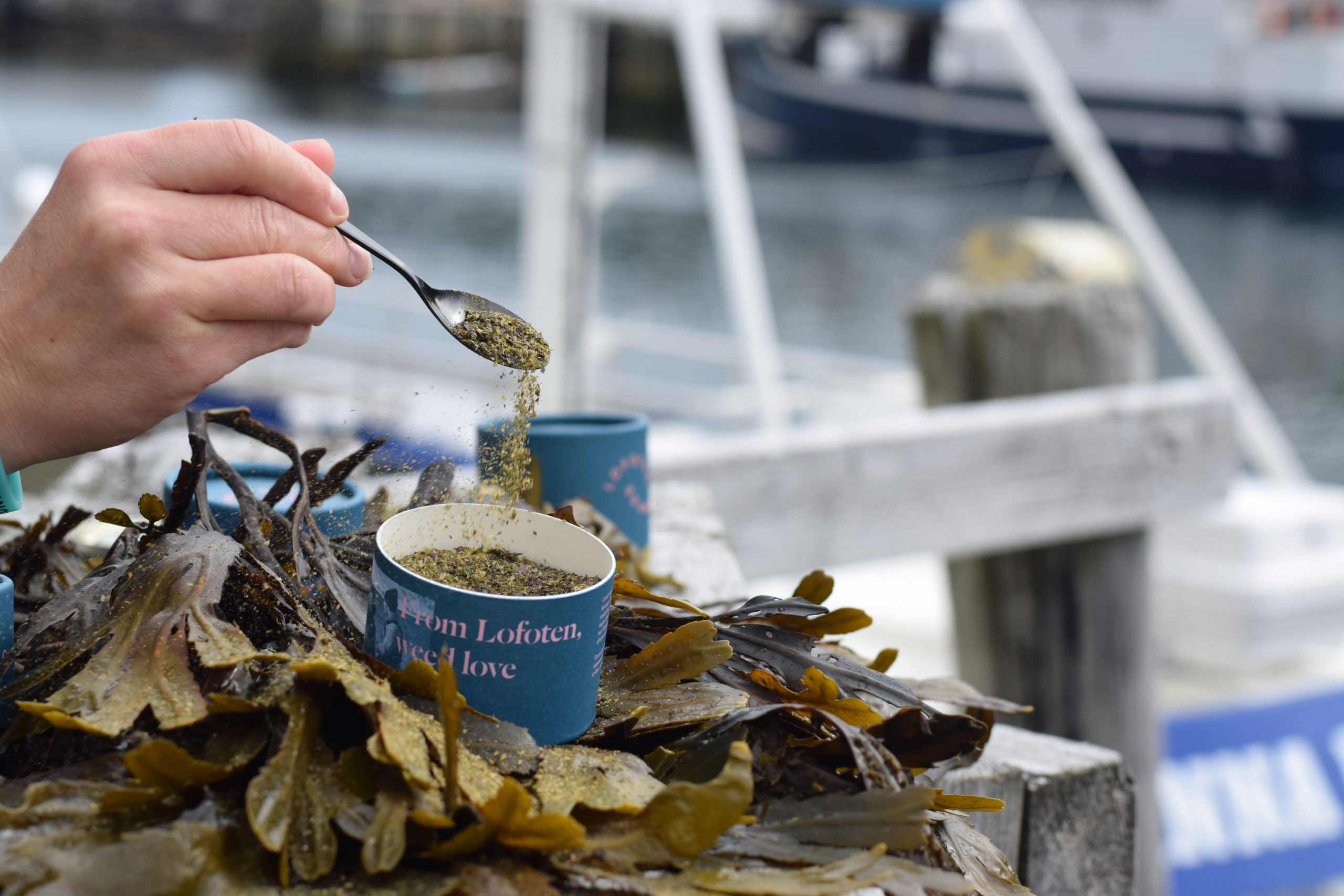
Lofoten is a world-renowned destination, known for its rugged mountains, wild seas and landscapes, where for thousands of years people have lived in harmony with the sea and what nature provides. That is why Lofoten Seaweed feels committed to regenerative tourism: not only limiting their impact, but actively finding ways to give back to nature and strengthen the ecosystems we depend on. – Together we can make seaweed not just a delicacy, but a symbol of clean seas and sustainable living. Our goal is to inspire every guest to become an advocate for the sea – because when the sea thrives, so do we, concludes Tamara Singer.
How do you get to Flakstad?
Read more at Lofoten Seaweed. Also read about what you can experience in Lofoten and how to get to Flakstad at Visit Lofoten.
Livland Farm – a laboratory in experiences
Out on Sandsletta in Lofoten you will find a farm that has regenerative thinking at the core of everything they do. With a focus on strengthening nature, culture and community rather than just preserving; – We combine traditional Northern Norwegian knowledge with new technology, create unique nature-based experiences, and believe in sharing and collaboration to build a greater whole, says Roy Ellingsen who grew up on the farm.
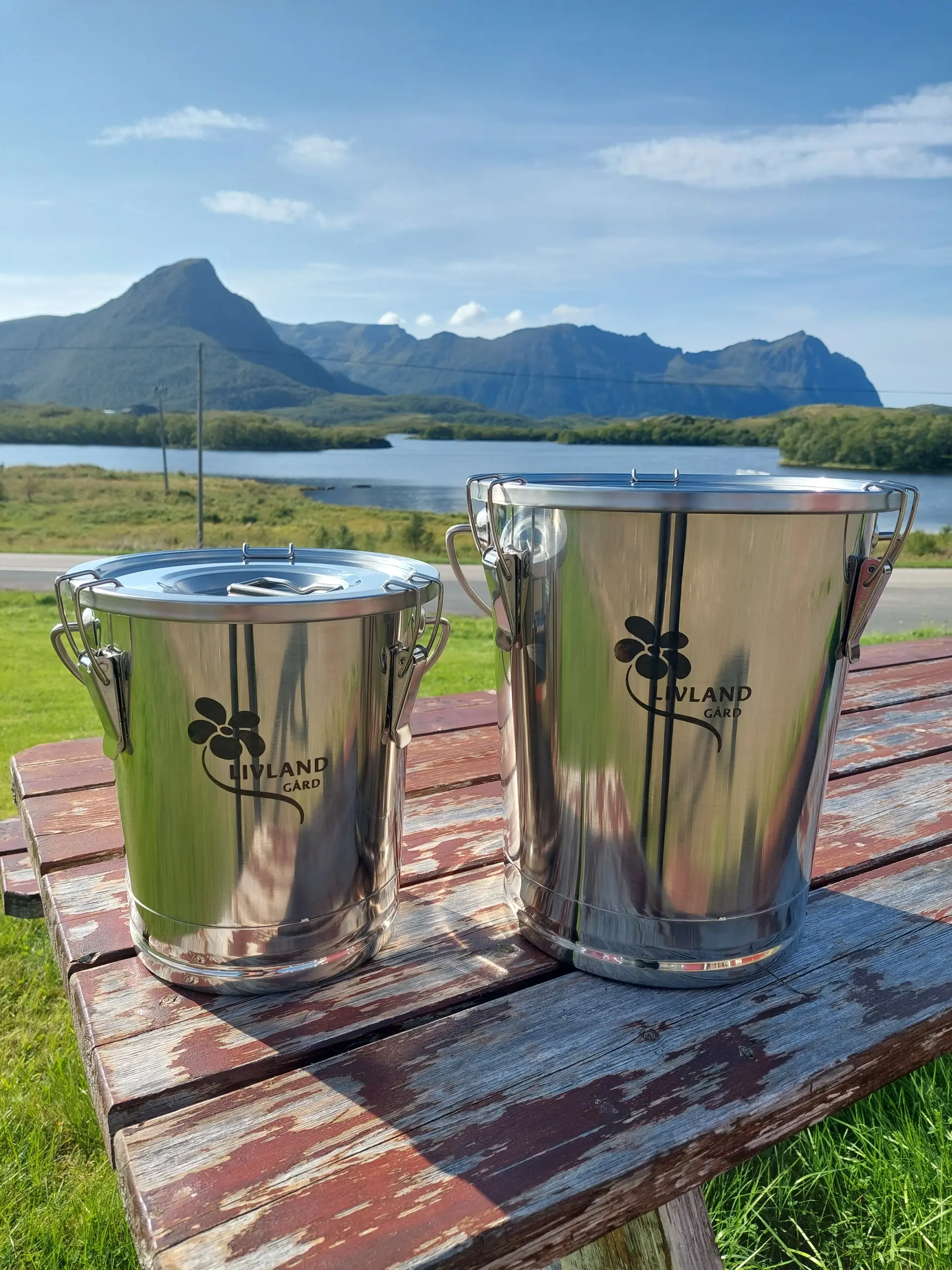
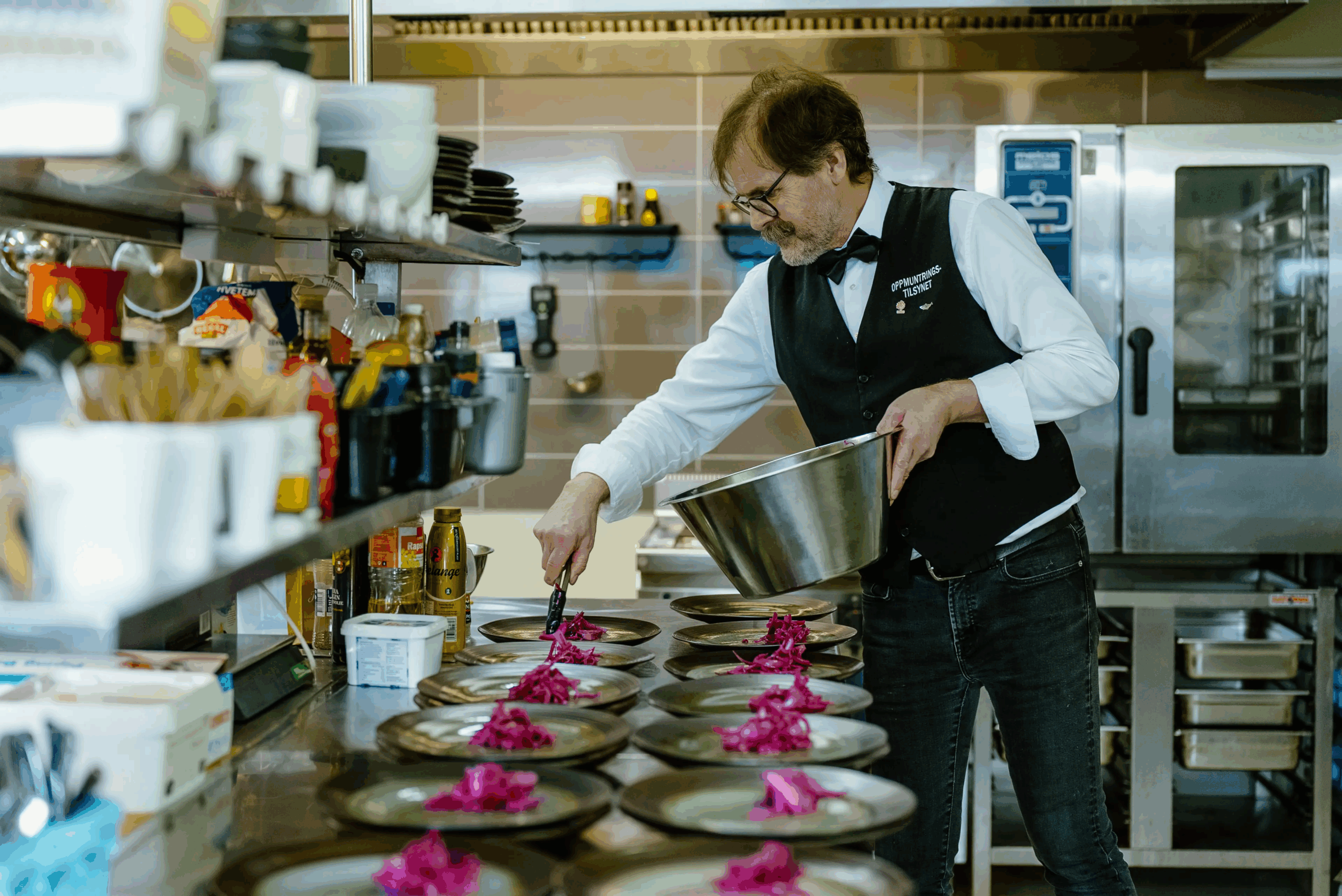
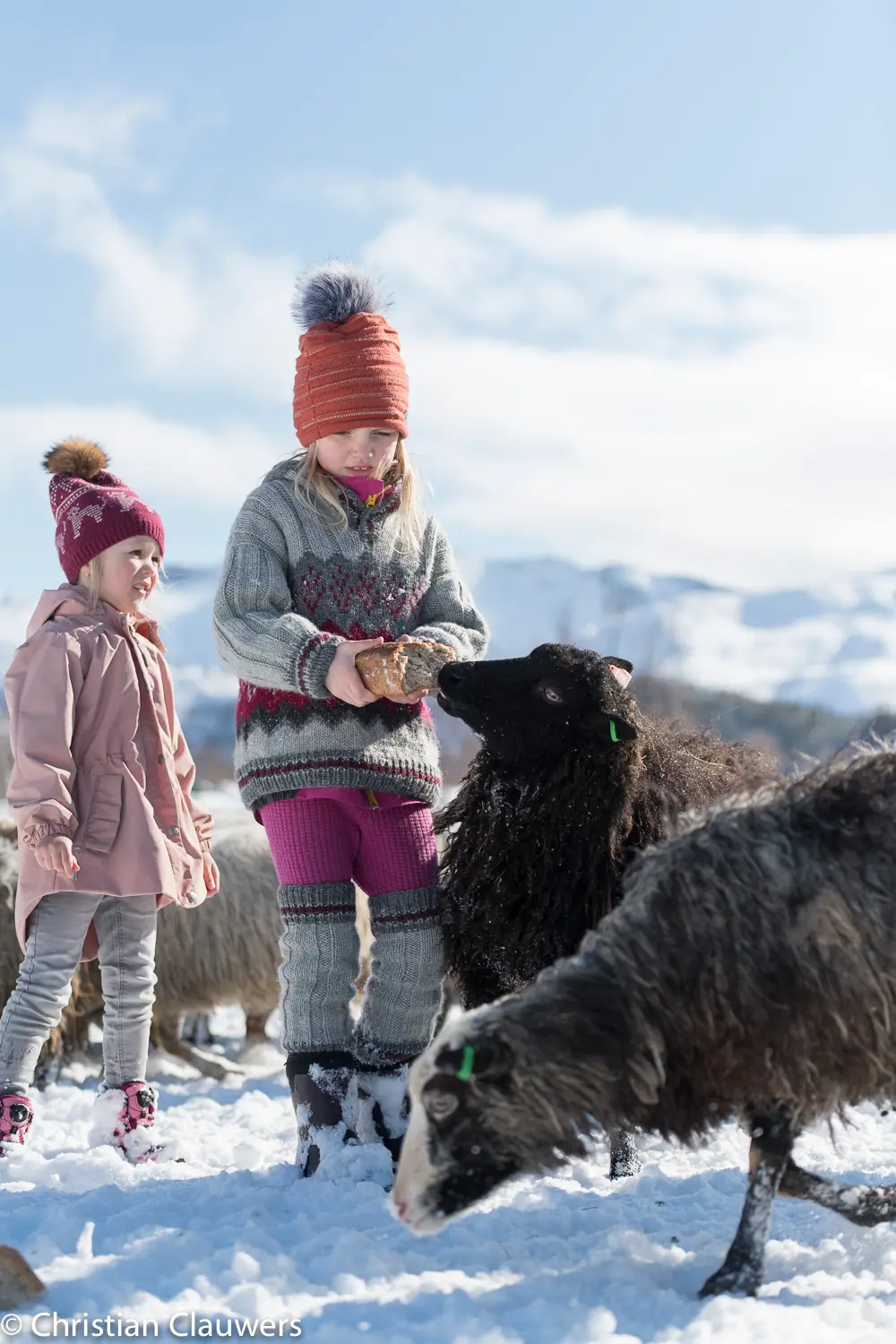
Key features of their regenerative approach:
- Community-building: They emphasize sharing, collaboration, and creating meaning through experiences, stories, and technology to connect people.
- “Digital twin”: They use technology to allow knowledge from guests and professional communities to grow together where the past and the future meet. Here, the locals are connected, as they can contribute directly with their historical knowledge (older generation) and digital knowledge (younger generation).
- Learning through experiences: Visitors will be able to take knowledge with them that they can apply at home to create a better world
- Creating a meeting place for visitors and locals: where the farm has been a local driving force by organizing local festivals and events

In short, at Livland it is about creating a positive circle where nature, culture and people are strengthened in an interaction, by learning from the past and creating something new for the future.
How do you get to Livland?
Read more at Livland Gård. Read more about what you can experience in Lofoten and how to get to Livland at Visit Lofoten.
Brakøya in the middle of Raftsundet
Brakøya is run as a regenerative tourism destination by restoring natural diversity through grazing, forestry and species-rich flower meadows. At the same time, unique experiences are created where guests actively participate in nature management and learn how tourism can give back more than it takes. The group on the island is in a start-up phase and is betting big.
How do you get to Brakøy?
Read more about Brakøya. Read more about what else you can experience in Lofoten and how to get here at Visit Lofoten.
Kvitnes Gård – an idea rooted in history and local community
Below the famous mountain and landmark Møysalen in Vesterålen, lies Kvitnes Gård. There, Halvar Ellingsen practices regenerative agriculture and is largely self-sufficient in products for the restaurant. What really makes Kvitnes Gård unique is the connection between agriculture and restaurant operations: – For us, it’s about using absolutely everything we have available on the farm. Nothing goes to waste, explains Halvar.
He elaborates on how they utilize bones from animals they slaughter: – After we have boiled the bones, we burn them and make biochar. We use this as fertilizer in the vegetable garden. By brushing off the dust and further developing old techniques such as pickling, salting and fermentation, the farm has been self-sufficient in vegetables and almost all meat production since 2020.

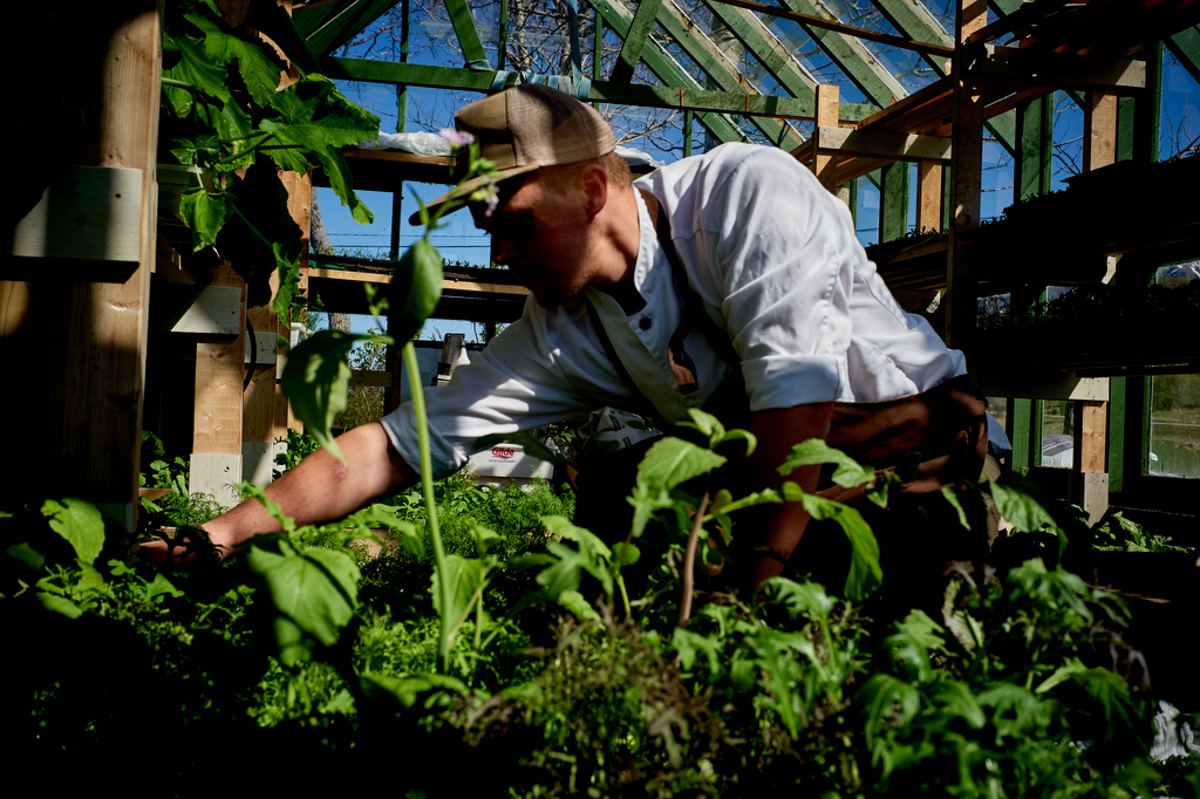

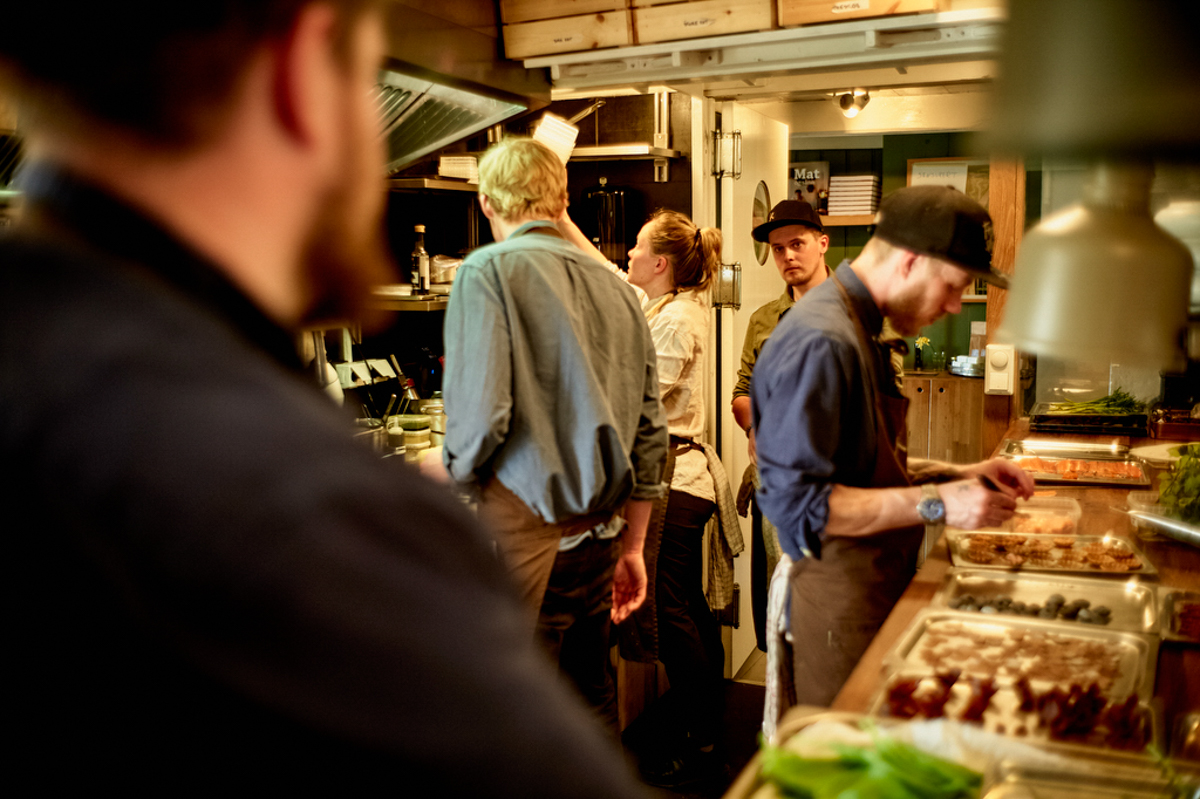
They also actively use the animals as “farm workers”, where goats graze down scrub and small woods, while the pigs plow and fertilize the soil: – This cycle is the basis for our regenerative agriculture, says Cathrine Thoresen. As operations manager, she is responsible for the operation of the entire farm, including cultivation, animals, the hotel and, not least, the restaurant. And as if that weren’t enough, she is also a sommelier (wine expert) and gardener.
Kvitnes Gård also works closely with the local community in Hadsel. They have created 17 permanent jobs and filled empty houses with young, resourceful people. In the summer, we employ 40 people in various positions, this year from 11 different nations. – We have had apprentice chefs right from the start, where two of their employees were on disability benefits when they started, but now both work full-time on the farm, says Cathrine. The farm has become a showcase for local producers, and has contributed to increased attention for both local products and for local tourism. And they are committed to building a community among food producers in the region.
The hosts convey the farm’s philosophy and history in a way that gives guests new knowledge and a greater respect for plants, animals and nature. Kvitnes Gård has won several major awards, including the Food Prize 2024 for Kitchen of the Year, and was named Circular Food Entrepreneur of the Year 2024 by Norges Vel. They also won the Embla Food Award 2022 (Nordic Food Destination) and the Business Development Award in Agriculture from Innovation Norway.
How do you get to Kvitnes?
Read more about Kvitnes gård. Read more about what you can experience in Vesterålen and how to get here at Visit Vesterålen.
Inga Sami Siida – well-rooted in the Sami way of life
Near Sortland in Vesterålen, the Inga family has been reindeer herding continuously for about 150 years, after their ancestors migrated with the reindeer herds from northern Sweden. They are Sami, the indigenous people of the Nordic region, and reindeer herding is an exclusively Sami industry. But today only about 7% of all Sami in Norway are reindeer owners. – We started Inga Sámi Siida in 2009, after winters with difficult grazing conditions forced us to build a fence at home on the farm. We took large parts of the reindeer herd home to be able to feed them through the worst periods of the winter, says Laila Inga.
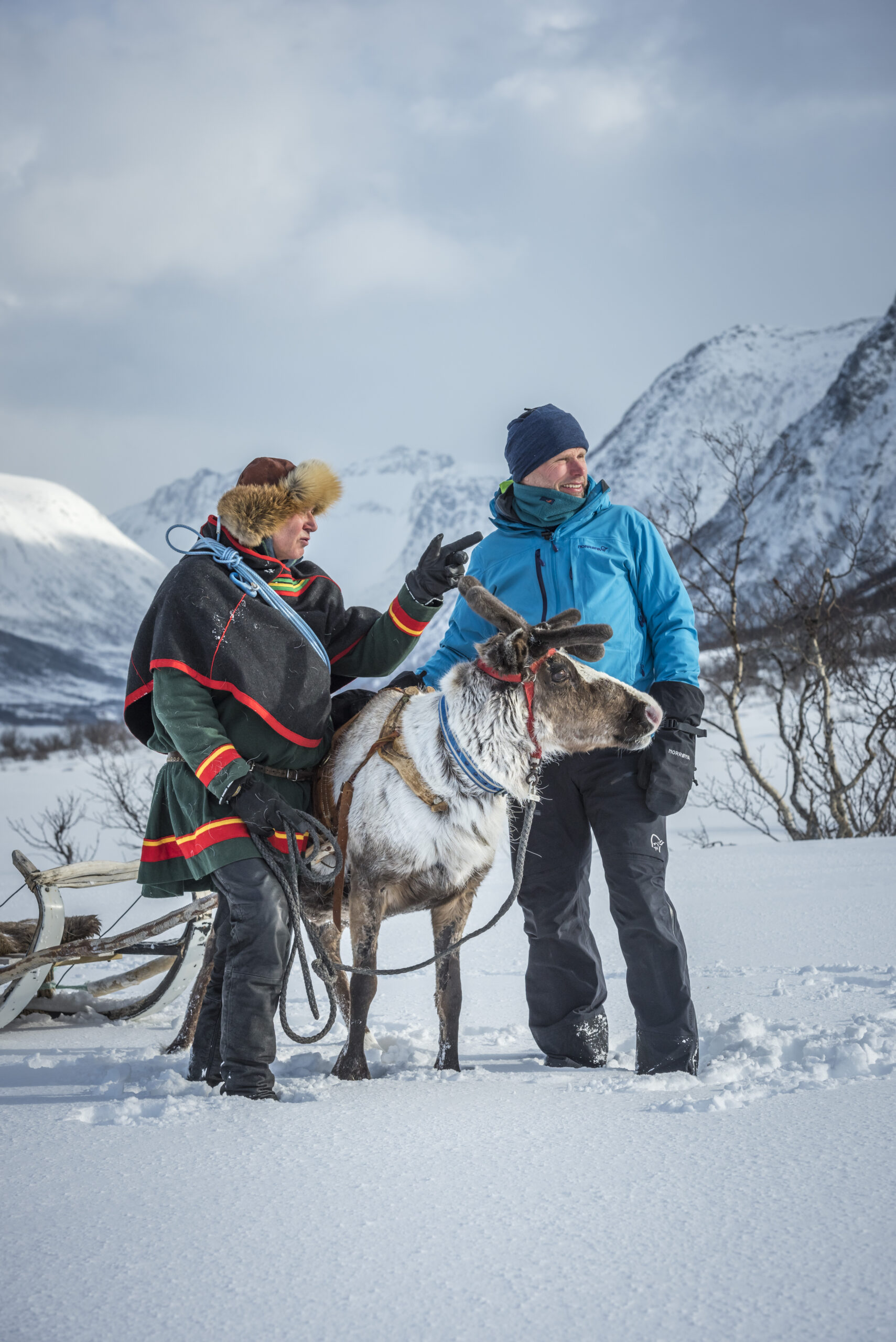
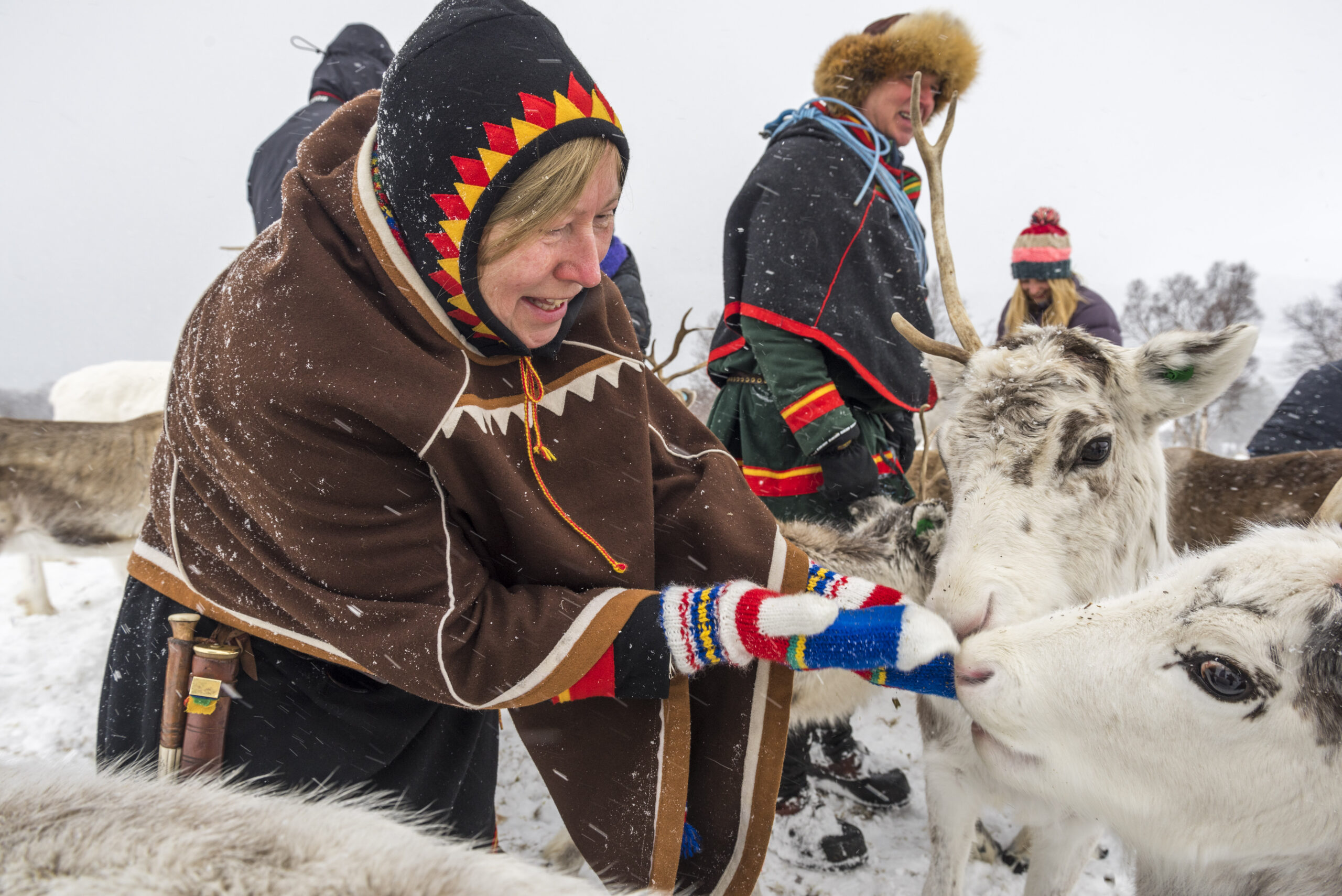
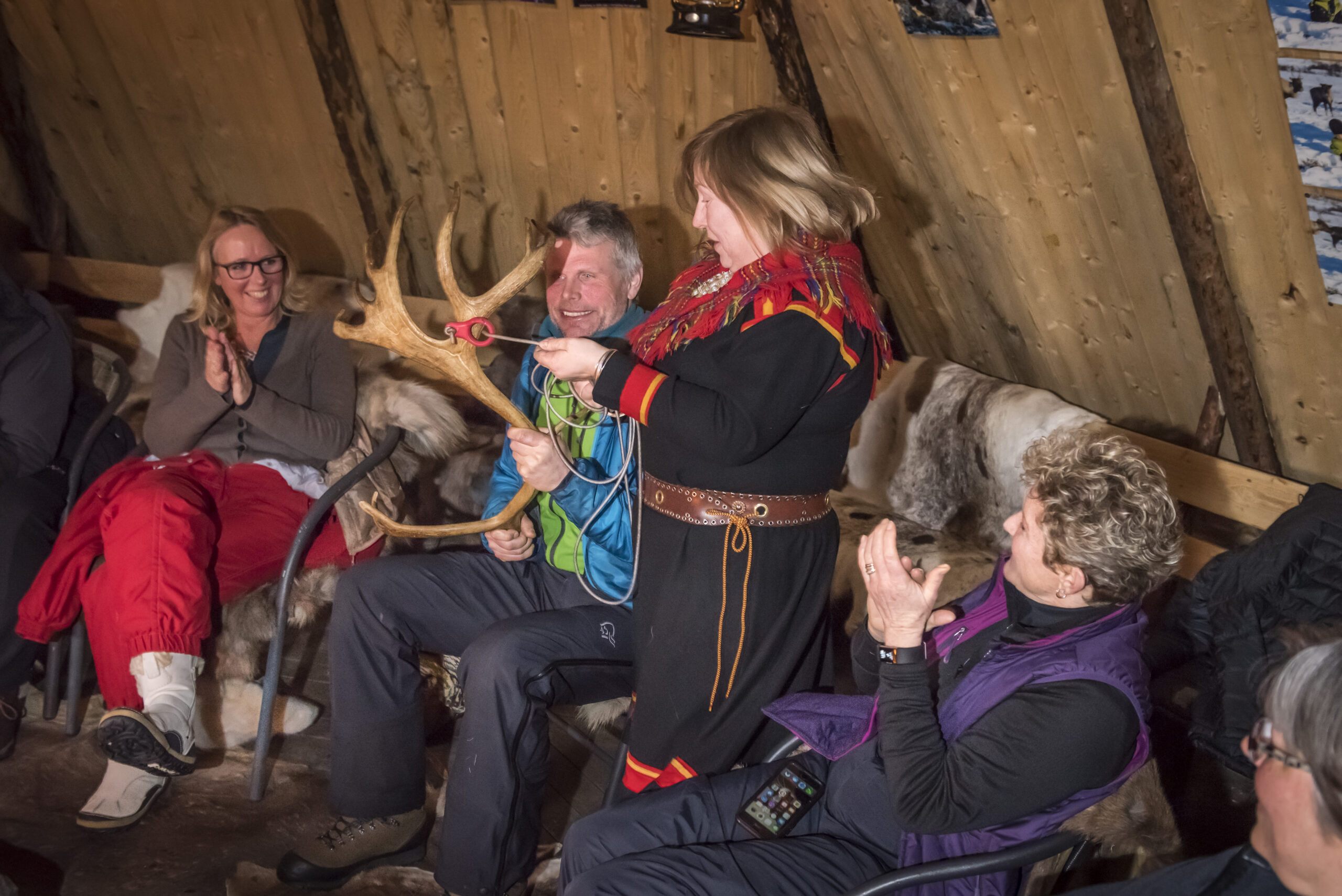
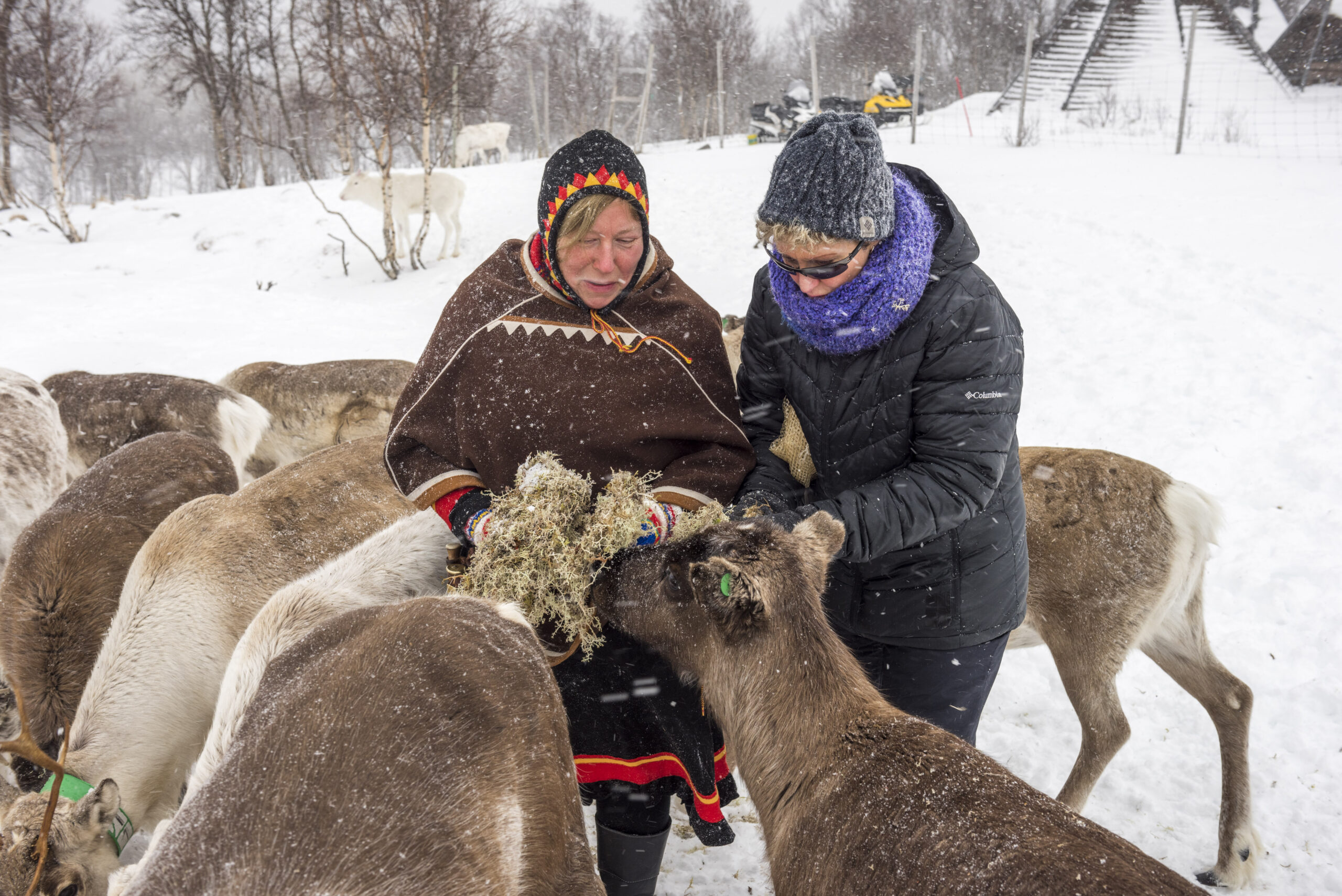
In Vesterålen there are many steep mountains, where we lose reindeer in avalanches every winter, but ice on the ground can also cause the animals to starve. – Buying reindeer feed costs a lot of money, and then the idea arose of receiving guests for a fee, in order to finance the purchase of feed for the animals. In other words, as a guest, you help experience the important reindeer herding, but also help ensure the livelihood of the reindeer. This eventually ended up with the company Inga Sámi Siida, which today welcomes tourists from all over the world, but also companies, teams and associations from the local community. Kindergartens and school classes are also part of our customer group, concludes Laila Inga about her regenerative workplace.
By participating in her Sami experiences, you help to ensure that they can continue their marginal reindeer herding and maintain their Sami cultural practice. Inga Sami Siida is also involved in the development project SAMIKUN, where they are working on a Sami cultural heritage trail and experiences where you can directly contribute and improve the local community. They have also engaged local school classes to contribute directly to reindeer herding and learn about the Sami way of life. For example, the young people have helped repair reindeer fences and collect reindeer lichen, berries, angelica, spruce shoots and mushrooms. In this way, they learn ancient Sami natural and cultural knowledge. The plan is that these are experiences that you as a visitor can soon participate in, which can also include staying overnight in a lavvo and participating in Sami cooking.
How do you get to Sortland?
Read more at Inga Sami Siida. Read more about what you can experience in Vesterålen and how to get here at Visit Vesterålen.
Norheim Gård
Norheim Vingård in Vesterålen is organically certified, circular, award-winning and Eco-Lighthouse approved. Here you will find Økolonialen with nationwide products, as well as a wine outlet with non-alcoholic drinks, fruit and vegetable wines and syrups made from Arctic raw materials. The outlet has the Debio gold label.
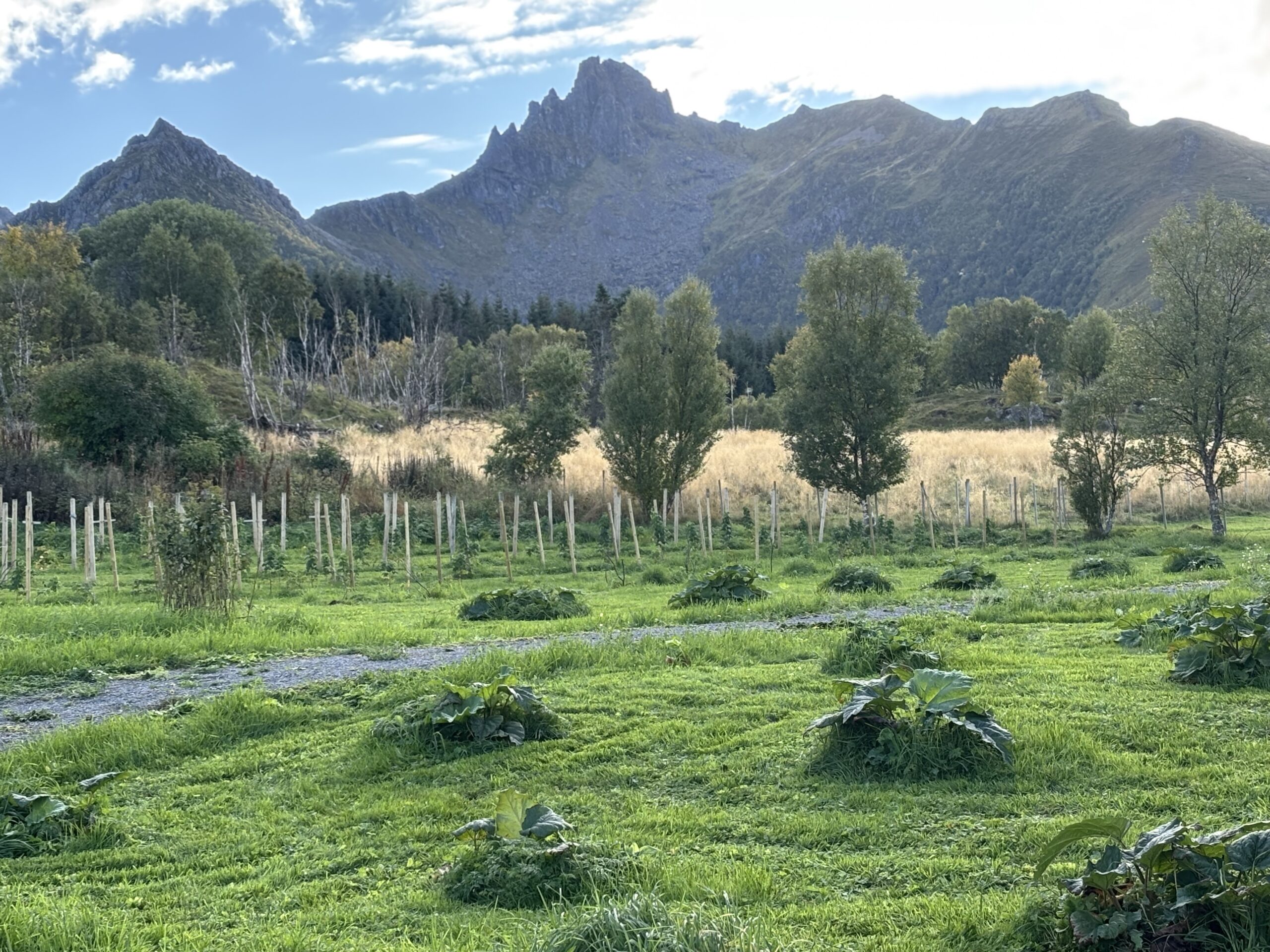
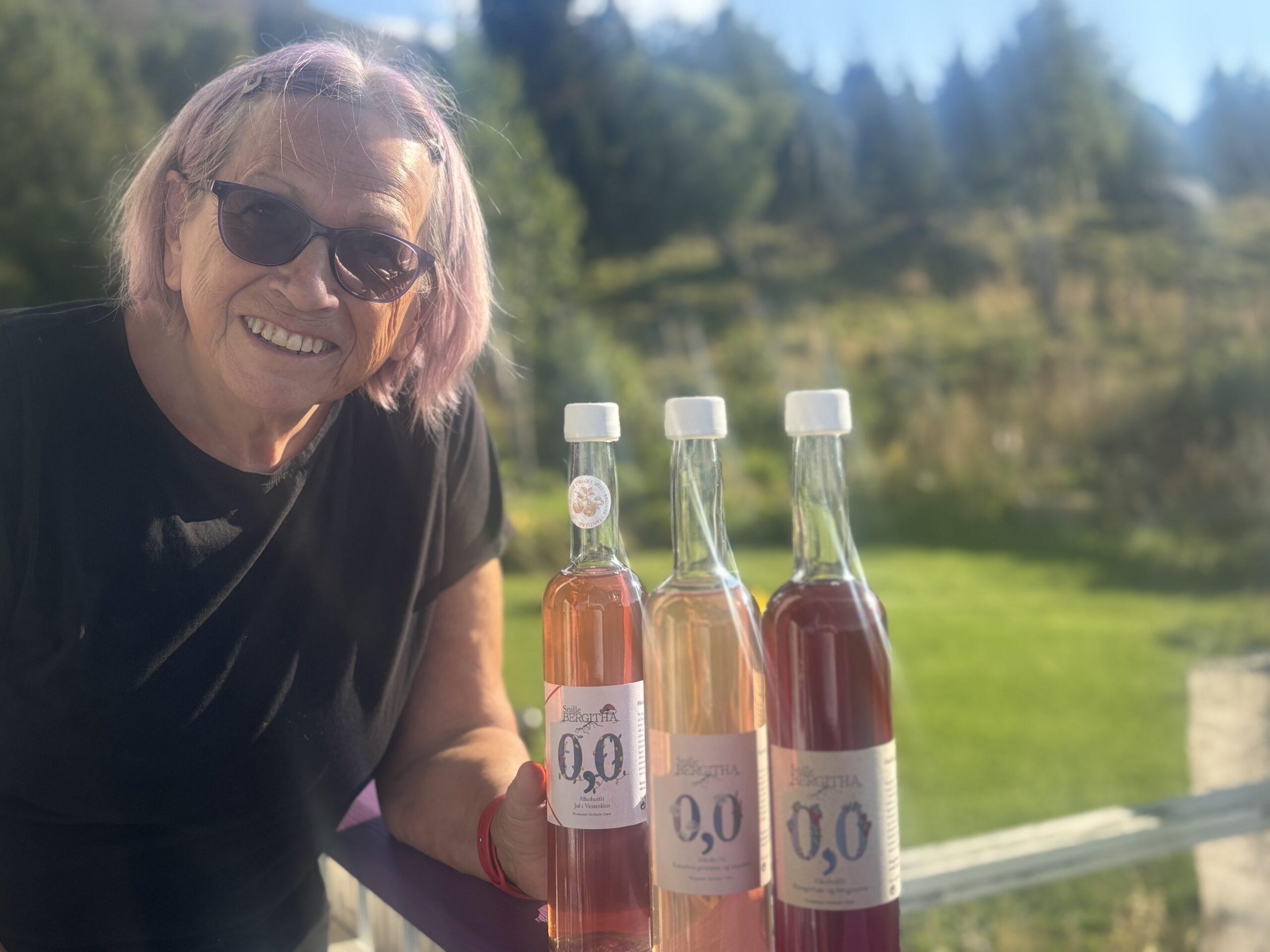
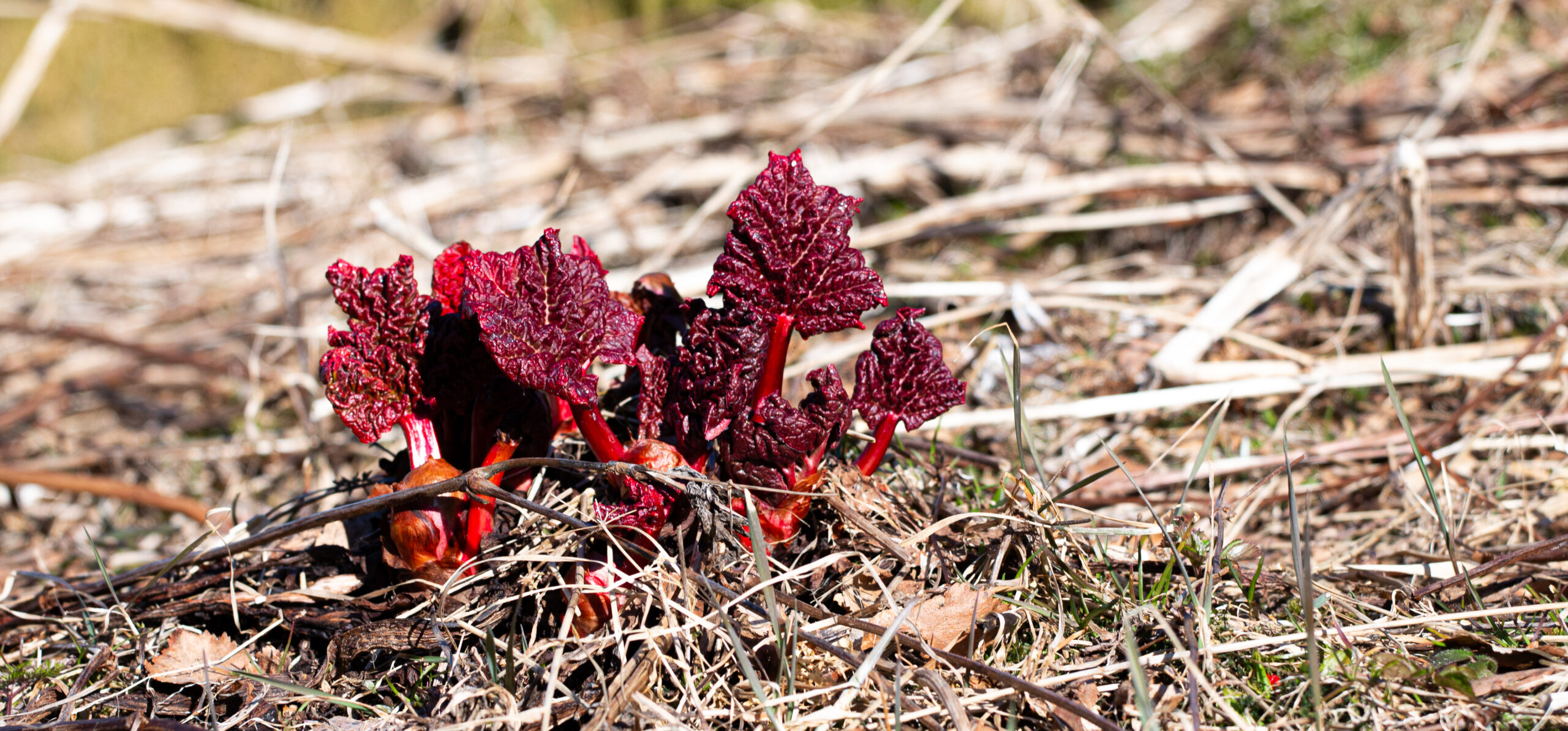
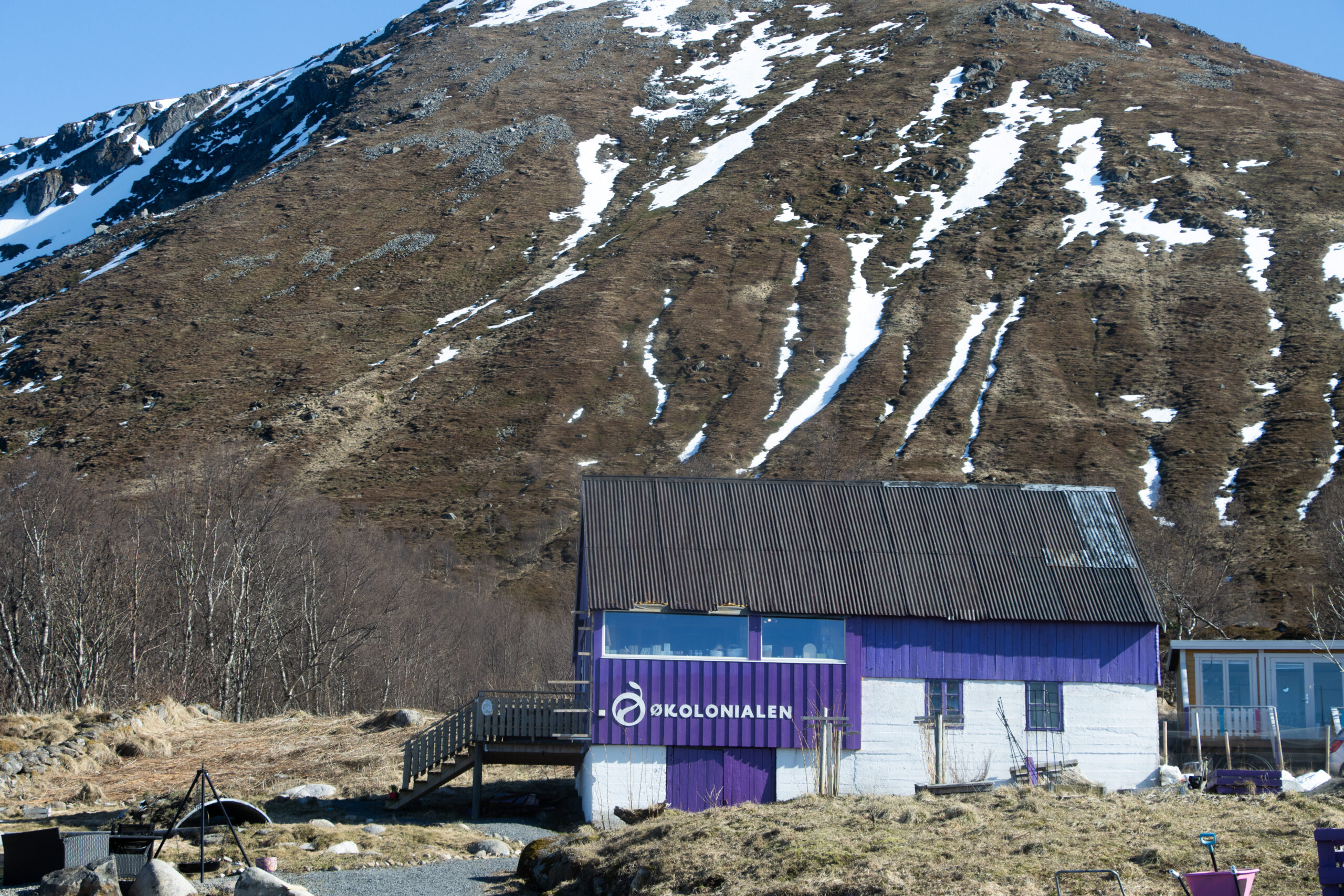

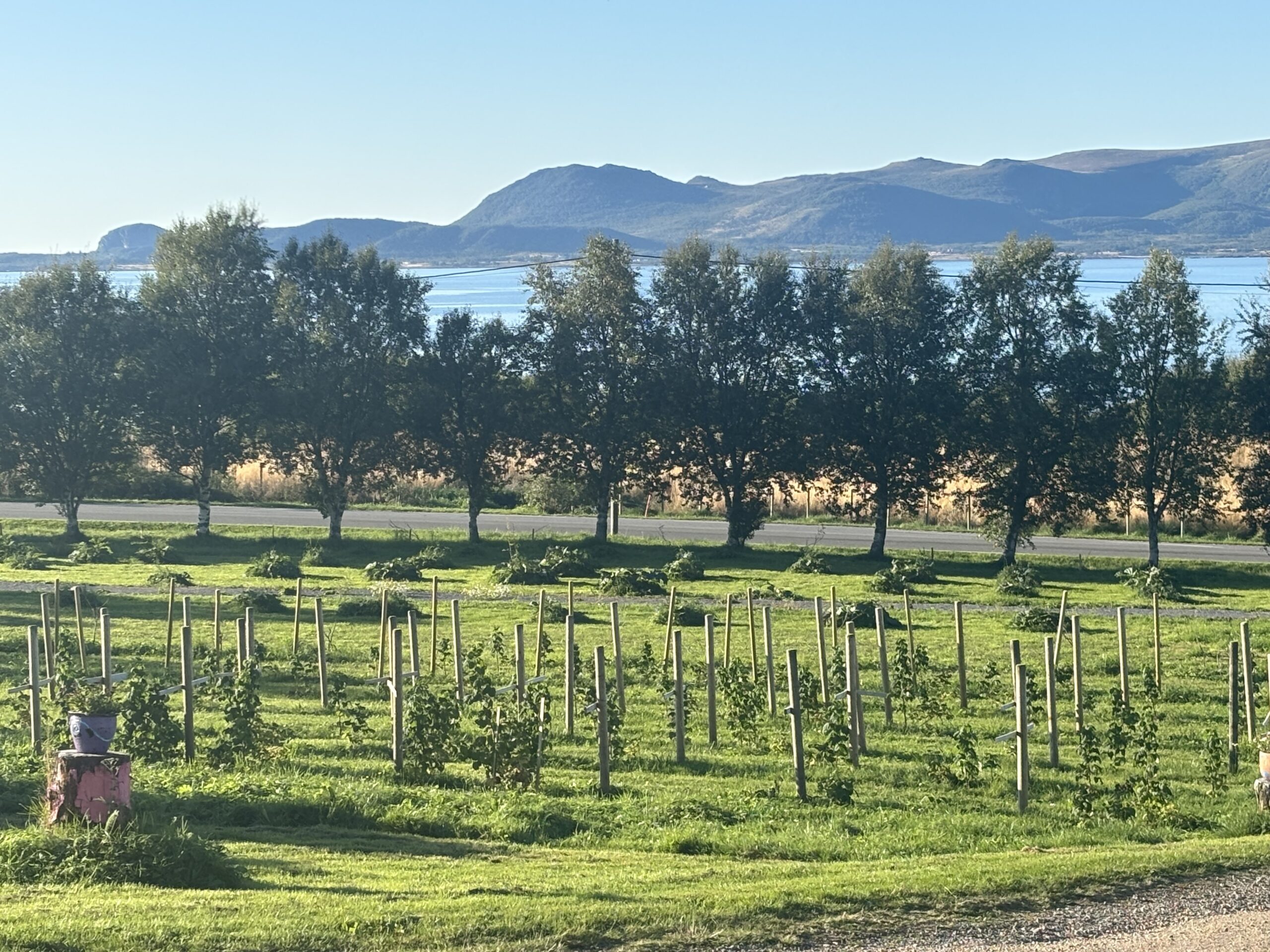
Norheim farm is located on Teigan on Hadseløya, and they are directly involved in the local community and regeneratively by donating 20% of their profits to local environmental and community projects!
How do you get to Hadsel?
Read more about Norheim Gård. Read more about what you can experience in Vesterålen and how to get here at Visit Vesterålen.
Marmelkroken
Marmelkroken offers regenerative experiences with respect for nature’s fragile balance. Through local roots, inclusive values and sustainable activities such as gathering, cooking classes and nature walks, lasting connections are created between people, nature and local communities – experiences that provide meaning, responsibility and positive ripple effects far beyond the visit itself.
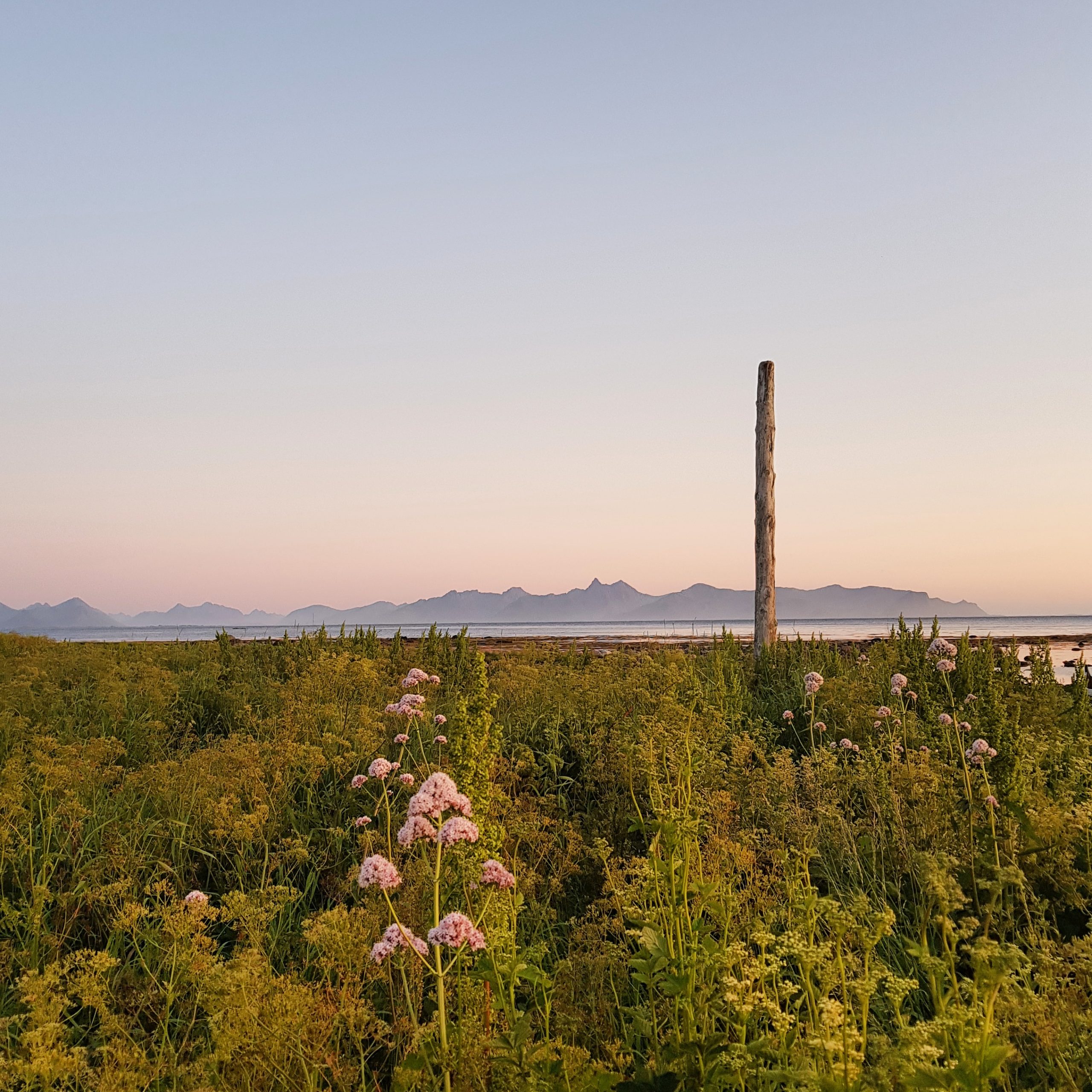

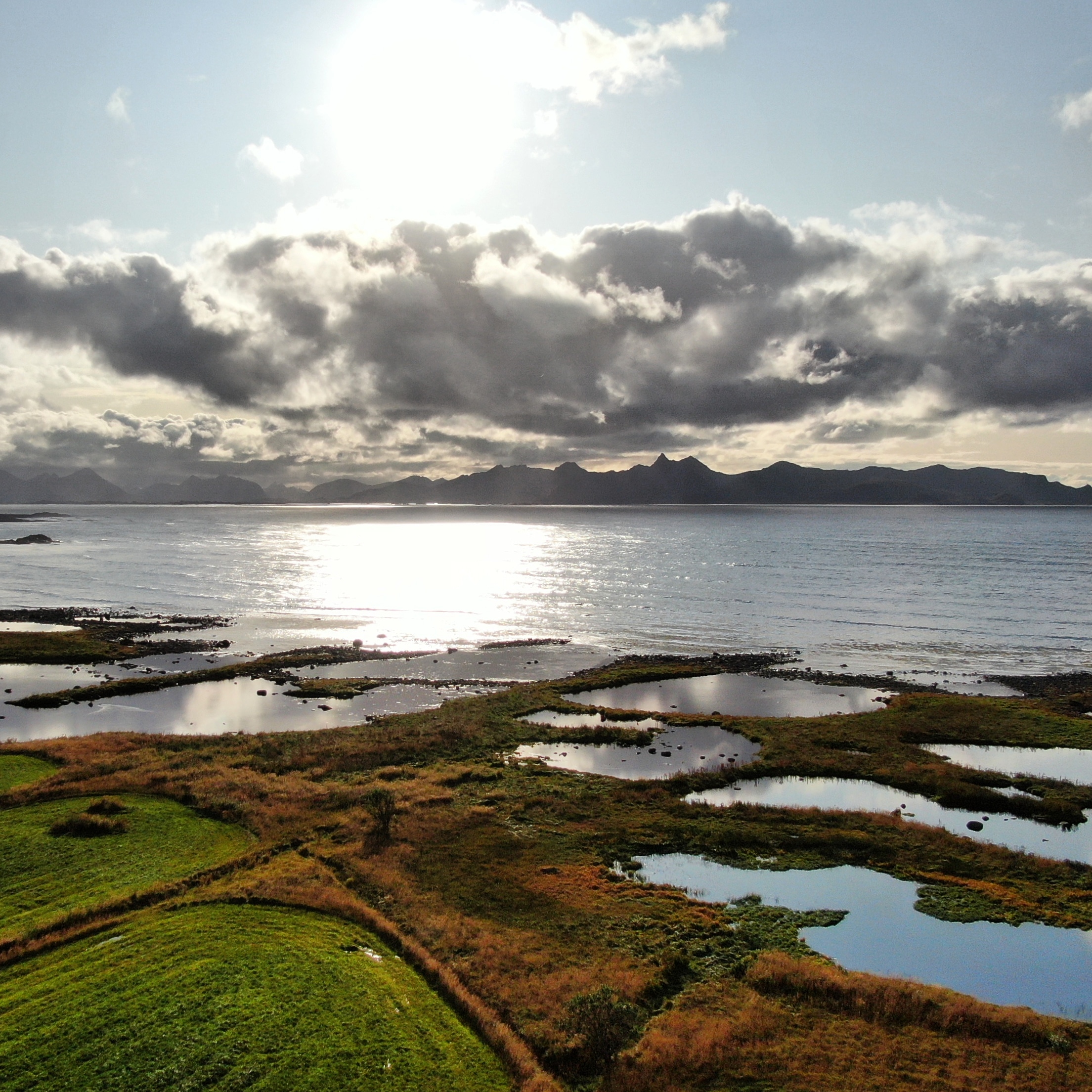
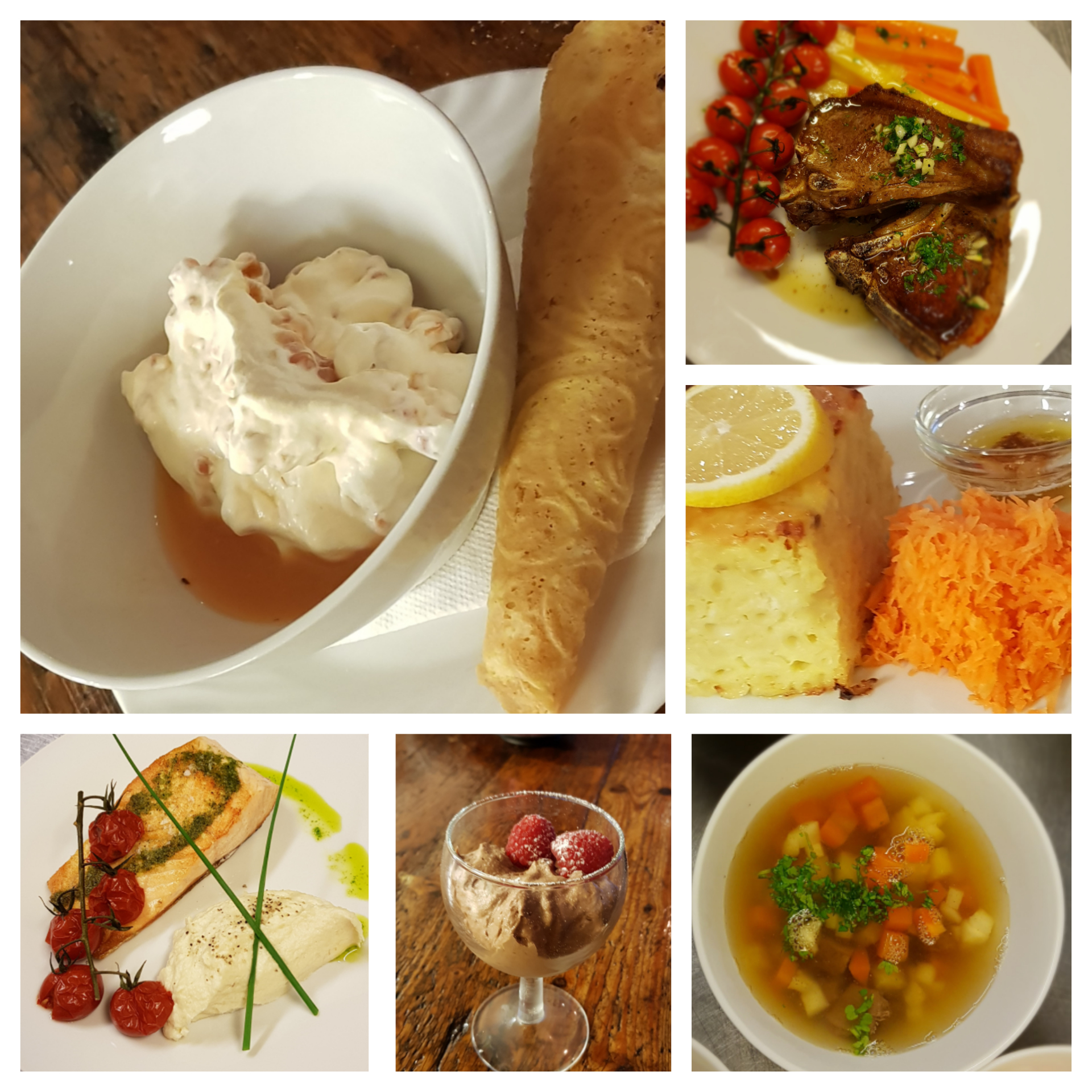

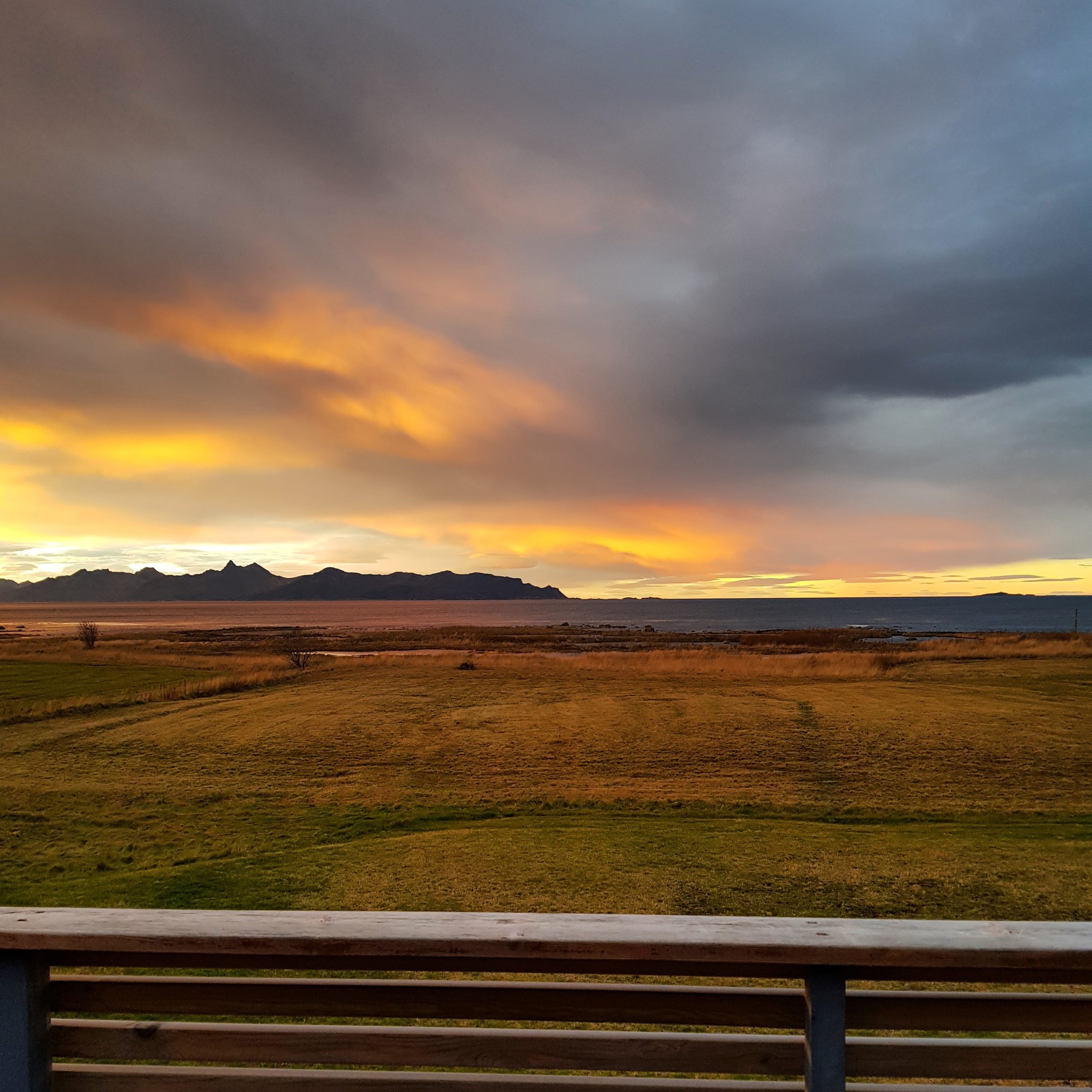
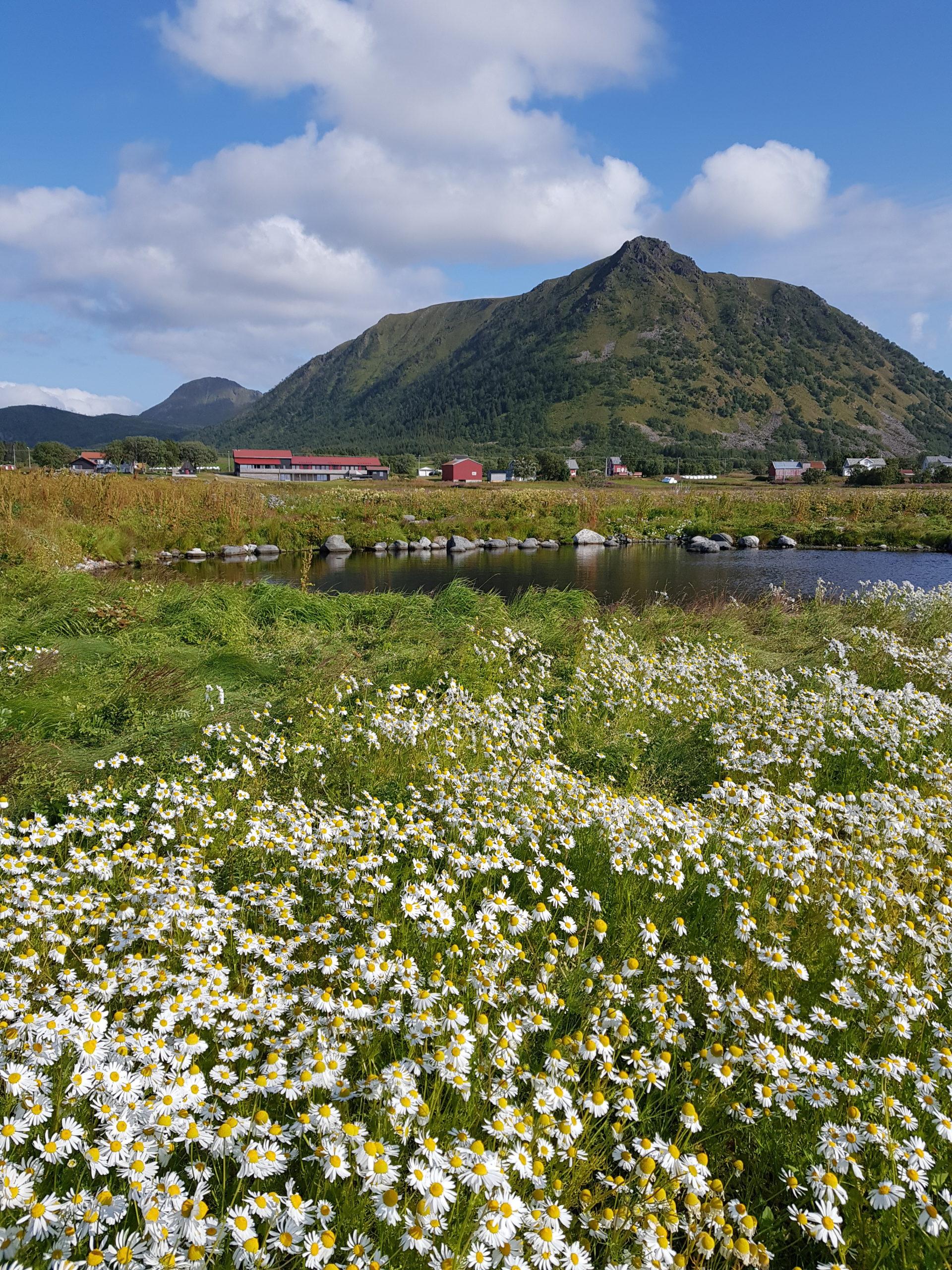

They take a special social and inclusive responsibility. They do this through supporting the local community, employing local workers and promoting an inclusive atmosphere for everyone, regardless of background, nationality, gender or preferences.
How do you get to Risøyhavn?
Read more about Marmelkroken. Read more about what you can experience in Vesterålen and how to get here at Visit Vesterålen.
Whale2sea – at Whale Safari Andenes you do more than just watch
In one of Europe’s most reliable places to see whales (almost 100% likely), the tours combine close-up contact with real research. On board, the guides share what scientists have learned about behavior, migration and threats. Ticket revenues support this work, so that each trip helps protect the whales people come to see. There, they transform the experience of whales up close, into understanding and care. Which is why Whale2Sea has been selected as Norway’s representative for the ETC (European Travel Commission). Here’s a little about the background to the award and invitation:
You have been chosen as Norway’s representative example of regenerative tourism for the upcoming European Parliament exhibition because your work clearly goes beyond sustainability – it regenerates ecosystems and communities while inspiring visitors to become stewards of the marine environment. Your approach to low-impact whale watching, collaboration with scientists and educational focus on marine conservation are examples of tourism that gives more than it takes. Whale2Sea contributes to environmental, social and economic regeneration – key principles in our selection criteria, states the European Travel Commission.
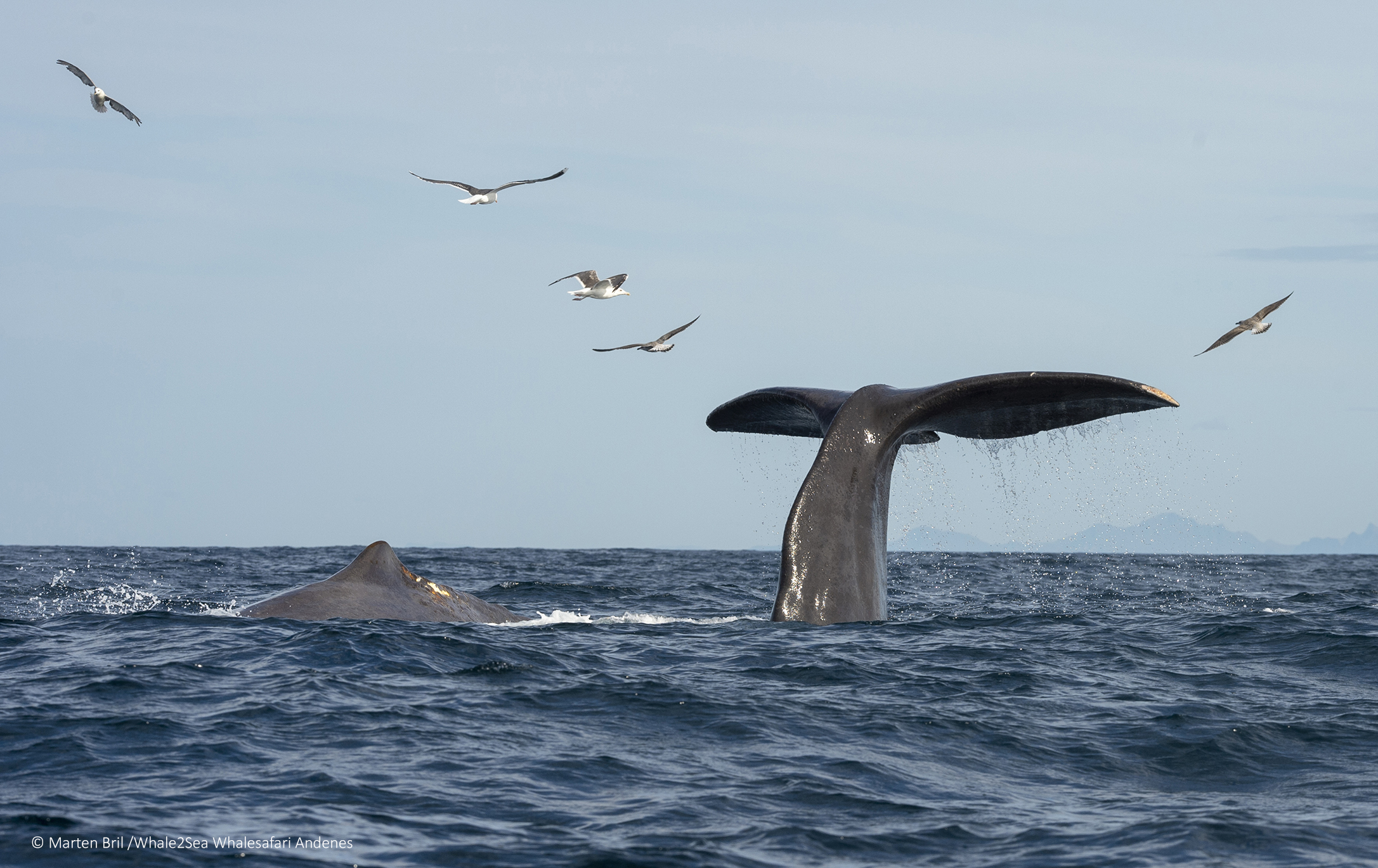
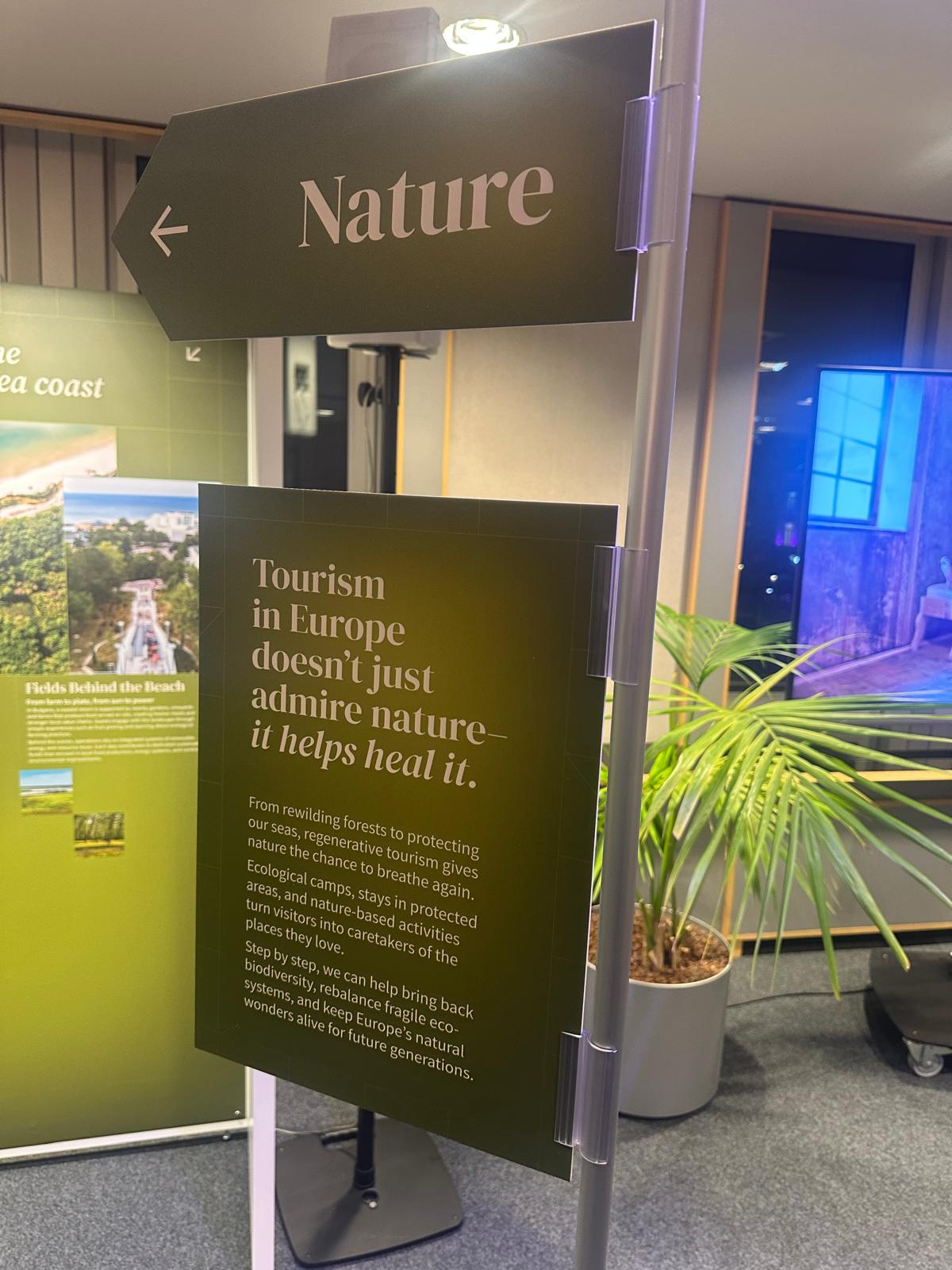
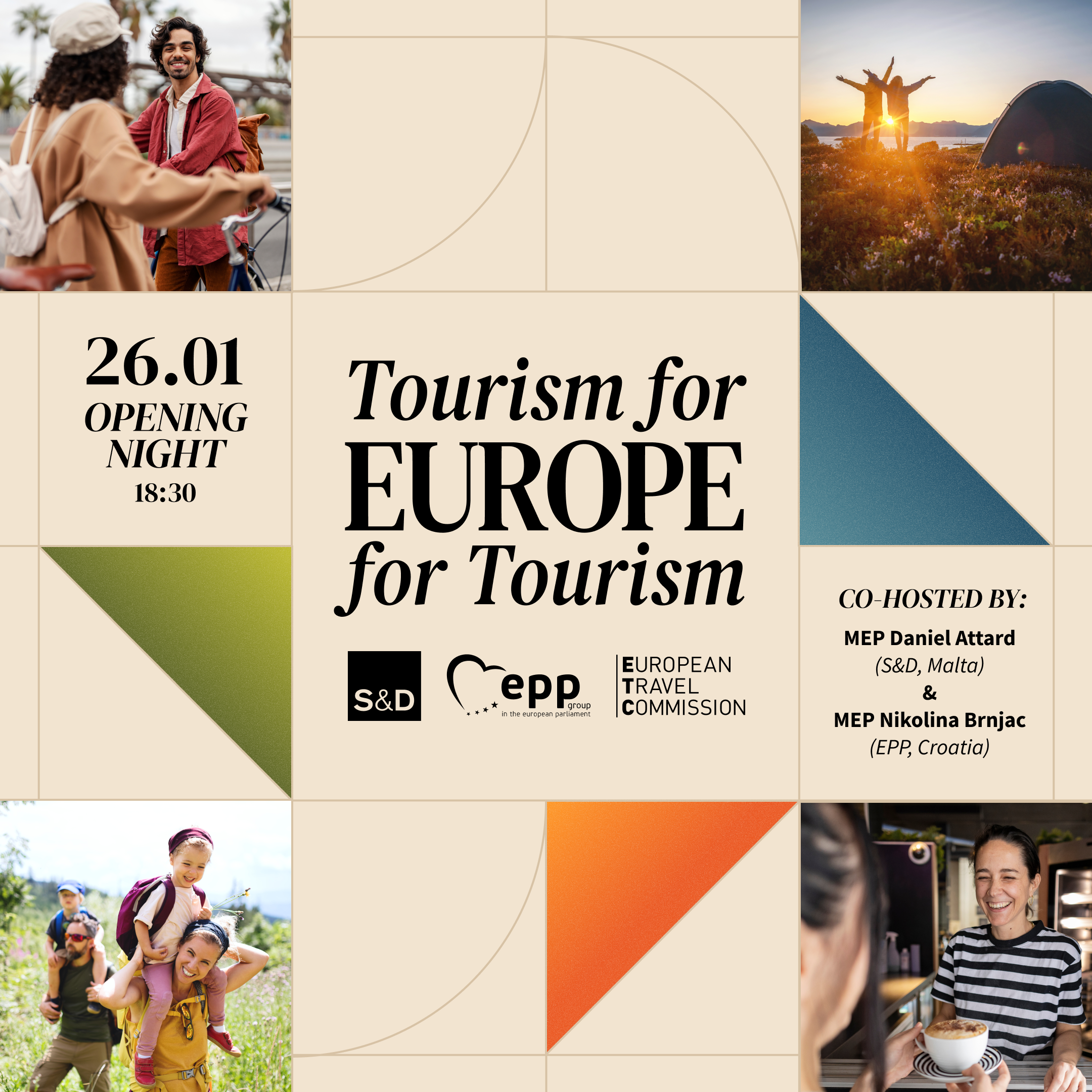
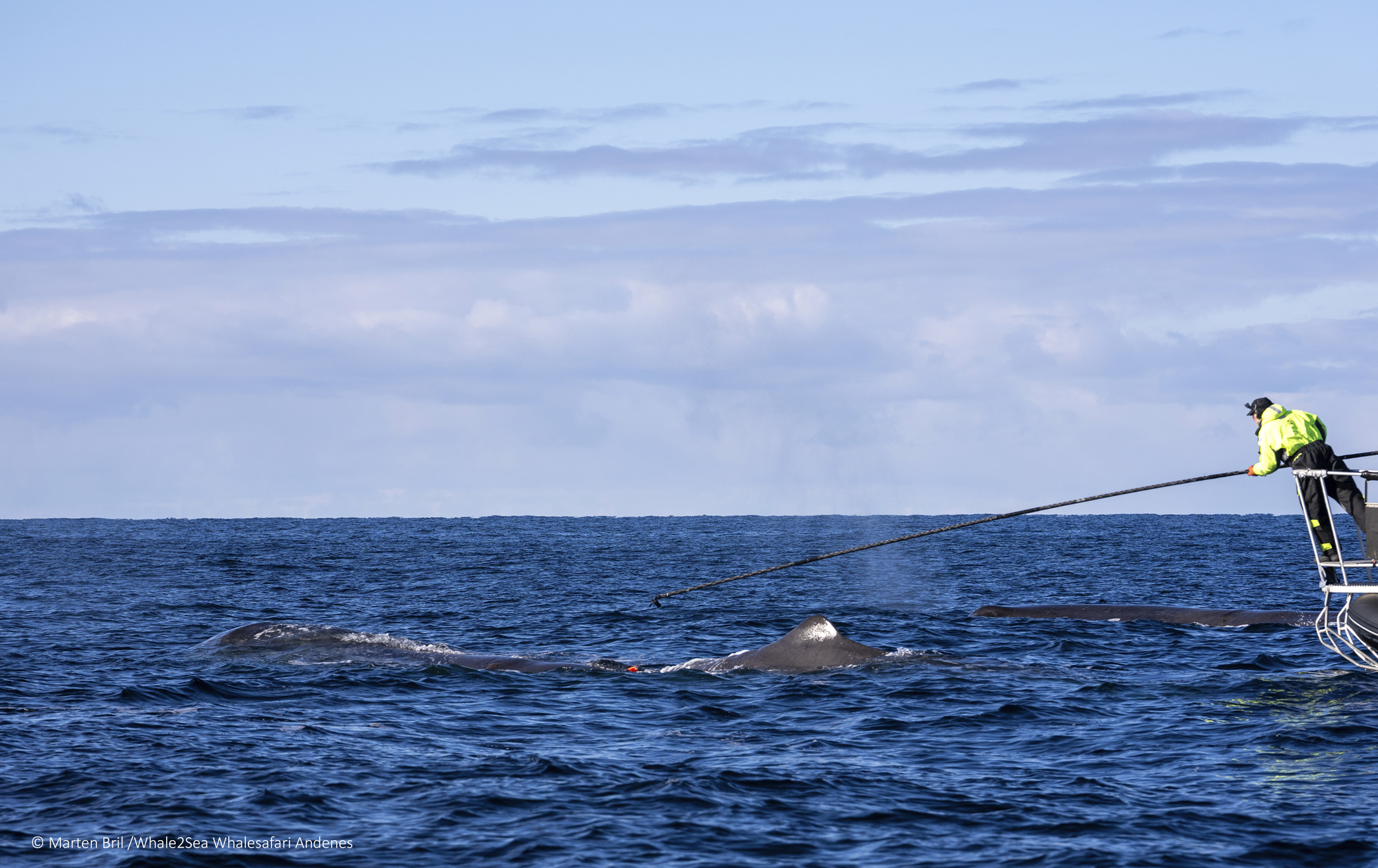
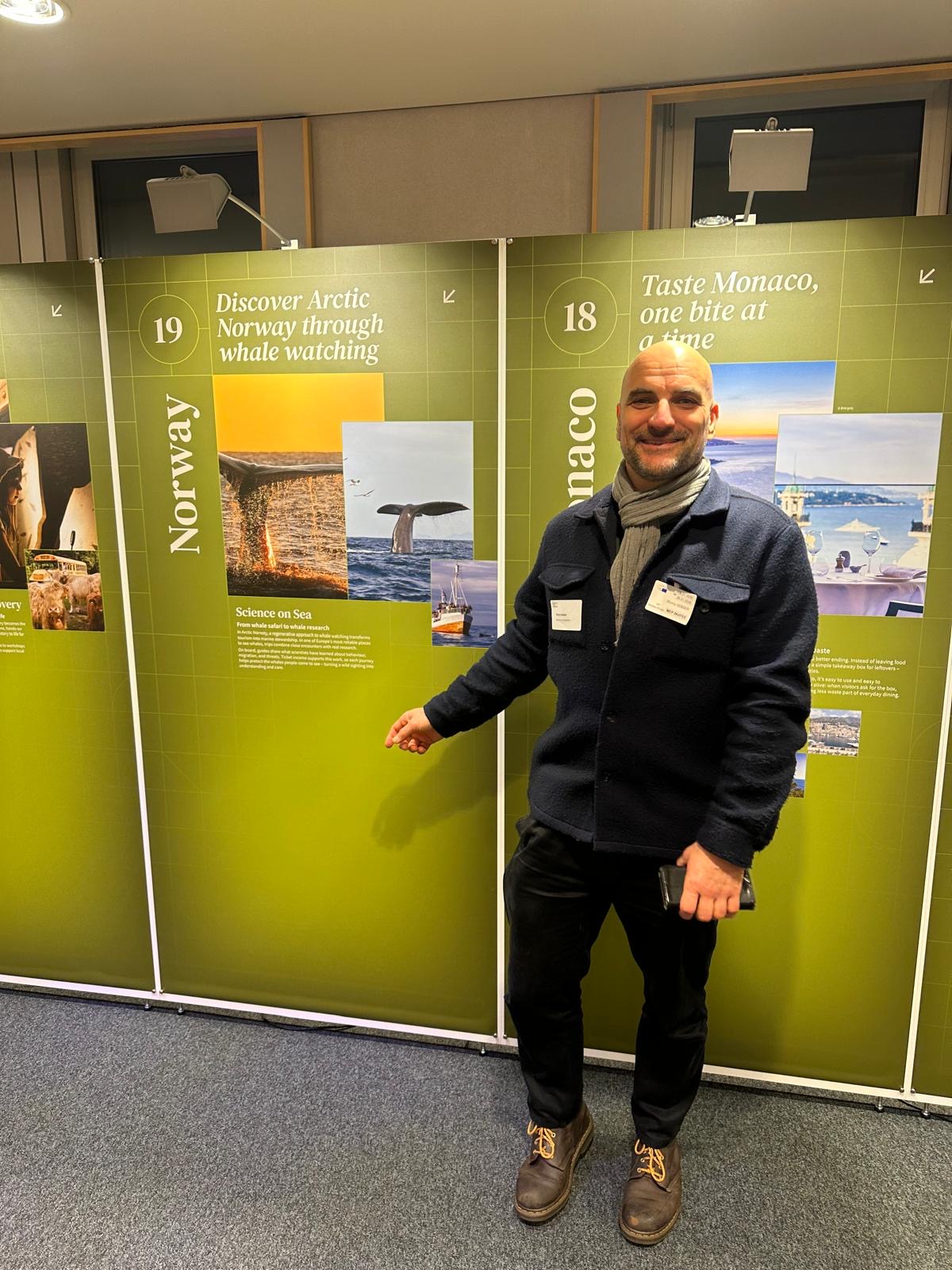
For us, this is a strong international recognition of the important work being done at Andenes, with our focus on the marine environment and knowledge-based tourism. Over the past six years, we have strengthened our work with whale research combined with whale safaris together with national and international partners. This work we will also present at the Andenes Whale Summit at the end of April this year, say general manager, Marten Bril and Ronny Gebser, who is responsible for their environmental profile.
How do you get to Andenes?
Read more at Whalesafari.no. Read more about what you can experience in Vesterålen and how to get here at Visit Vesterålen.
What exactly is the difference between sustainable and regenerative?
Many people wonder what distinguishes the term regenerative, which is most commonly known from agriculture, from the term sustainable, which is more widely used. Here is an attempt to clarify the similarities and differences between these two terms:
Sustainable tourism
Here, one puts the tourism first, but also the desire to reduce negative impacts and create (generate) values from one’s activities. A practice where tourism secures jobs and creates values (is generative) by utilizing local resources to create experiences. Where one simultaneously attempts to prevent adverse impacts from one’s own activities, such as limiting emissions.
Regenerative tourism
Here, one puts the place first, and takes as a starting point what local nature, culture and population need from tourism. Where tourism gives more back to local nature and society than it takes from the surroundings. This requires more insight into and dialogue with the surroundings. A practice where local communities, tourism businesses and visitors rather co-create experiences. Where one actively and together participates in improving (regenerating) a destination, through activities such as the concepts of contribution tourism and folk research.
Analog: Think about a garden
- Sustainable practice is like walking carefully through the garden without stepping on the plants. Which is a slightly more passive approach to the garden (the environment).
- Regenerative practice is doing even more than treading carefully. It also requires weeding yourself, providing fresh and nutritious soil, planting seeds and watering them – so that the garden is healthier afterwards. Which is a much more active approach to the garden (the environment).
Regenerative tourism will thus contribute to both healthier growth and improved quality of experiences. This falls not only on one company, but on the entire local community, which together creates good places to live while also creating good travel destinations, a kind of “travel magic dust”.
When is an experience regenerative?
Below is a checklist of how experiences can help put the place first in five areas:
- Engages the local community in their activities
- Contributes to local environmental stewardship
- Cultural preservation through their local experiences
- Shares their local natural and cultural knowledge with their guests
- Documents and is transparent about how they contribute locally
Read more this checklist in our knowledge base iLag.
Nordland leads the way in regenerative tourism
Since the concept of sustainability is complicated and often adapted by those who use it, there is a great risk of greenwashing. Many have experienced that the concept of sustainability has been misunderstood, misused and has contributed little to a better world. Working regeneratively requires even more interaction locally, and thus the risk of greenwashing is far less.
Regenerative thinking has its origins in ecology and natural science. The mindset is based on the principle that nature is self-repairing. Today, the concept is also used in areas such as economics, industry, society and culture, especially in agriculture. Nordland is the first county municipality to have adopted a development of tourism in a regenerative direction:
“Regenerative tourism is about more than conservation. It is about strengthening local communities, managing natural resources more wisely and creating values that give future generations an even better foundation to build on. When we develop tourism in collaboration with residents and nature, we lay the foundation for vibrant local communities and robust ecosystems – not just today, but far into the future,” says Svein Eggesvik, County Councillor for Industry in Nordland County Municipality
Read more about this and how regenerative tourism is being worked on at Nordland fylkeskommune. Also the corporate network Innovative Opplevelser has worked in recent years to ensure that several tourism businesses in Nordland and Svalbard open their eyes to the regenerative way of thinking.