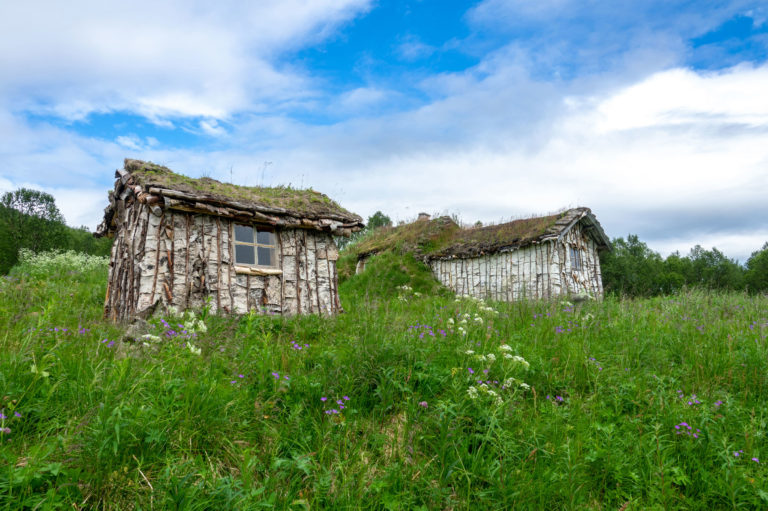
But there is a cost—and in fragile landscapes, it shows.
On the island of Senja, this project is part of a growing trend: holidays that leave nature in better shape than they found it.
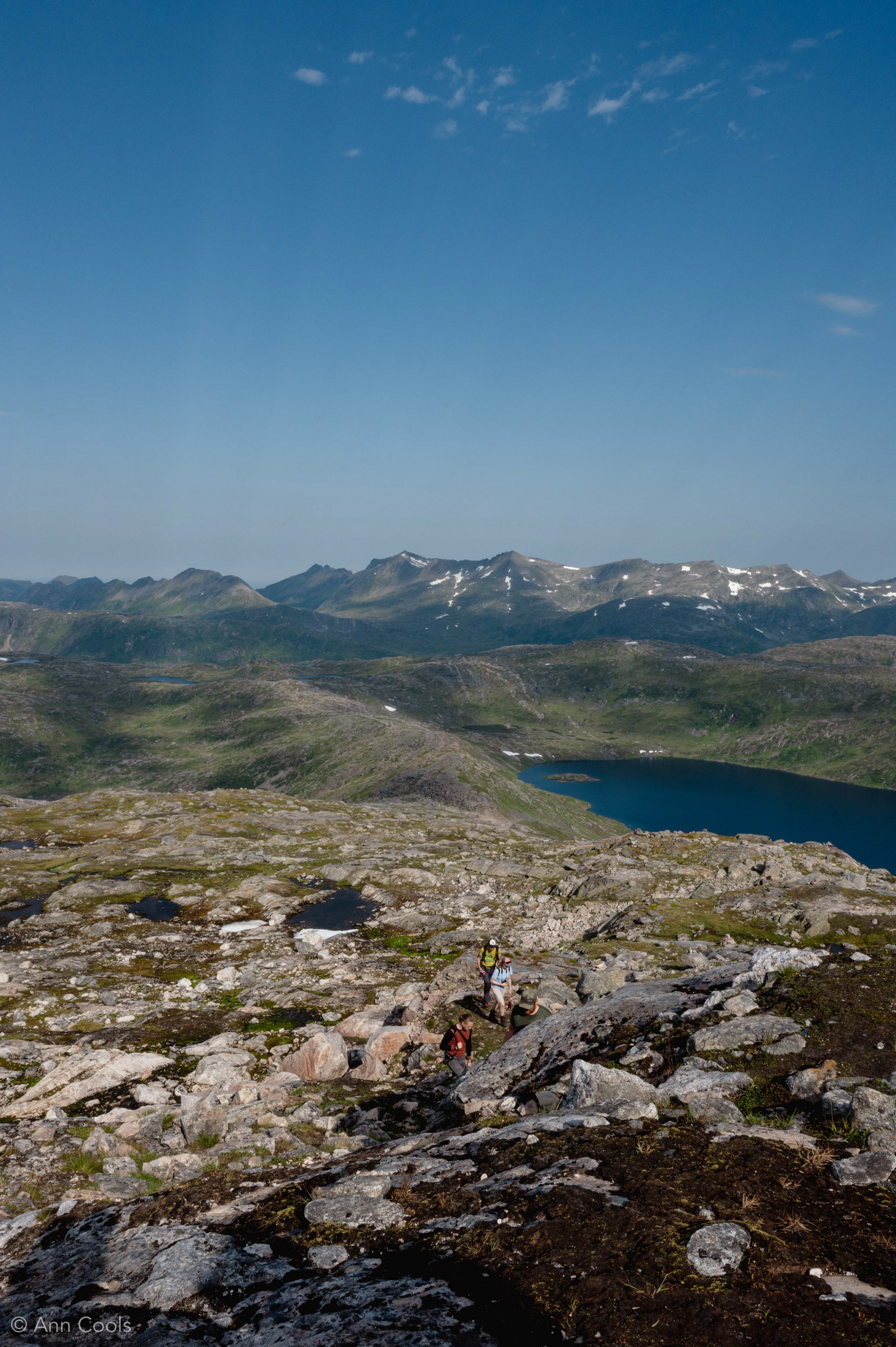
It often starts with something small. A narrow path through soft ground. A single footprint that avoids a puddle. Then another. And another. Before long, the trail has widened into a muddy scar, the vegetation gone, the water running freely downhill.
On Senja, this is no longer the exception.
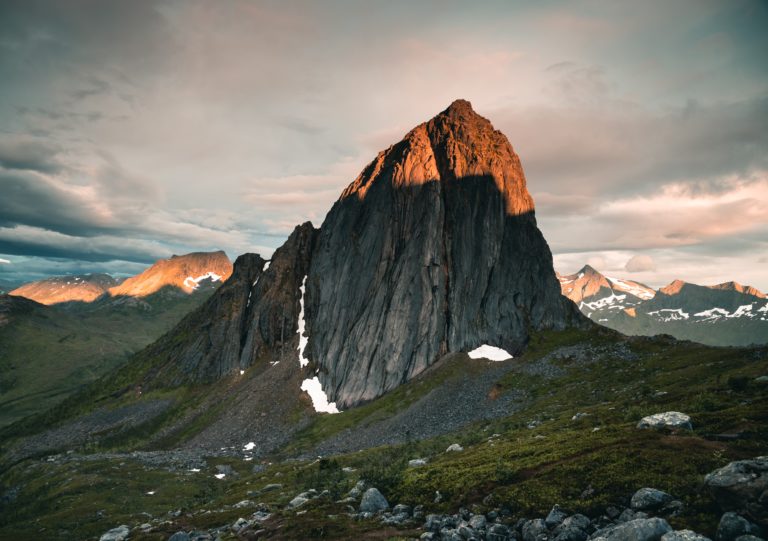
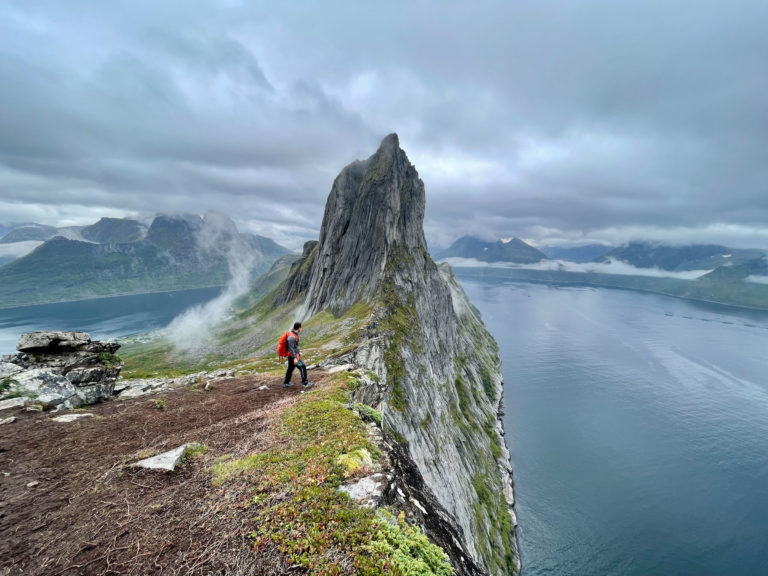
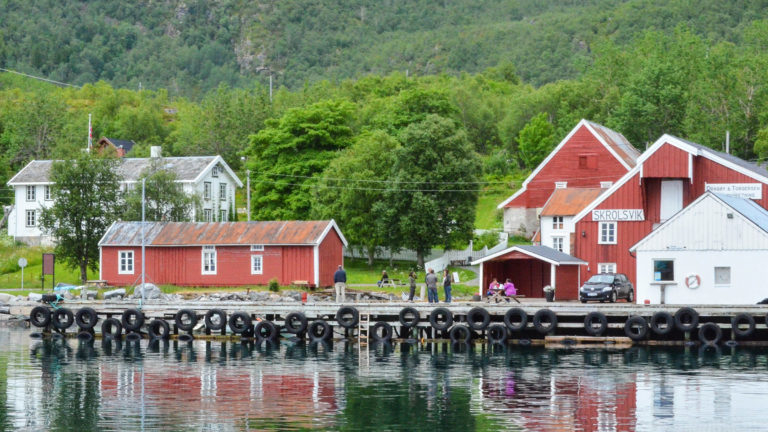
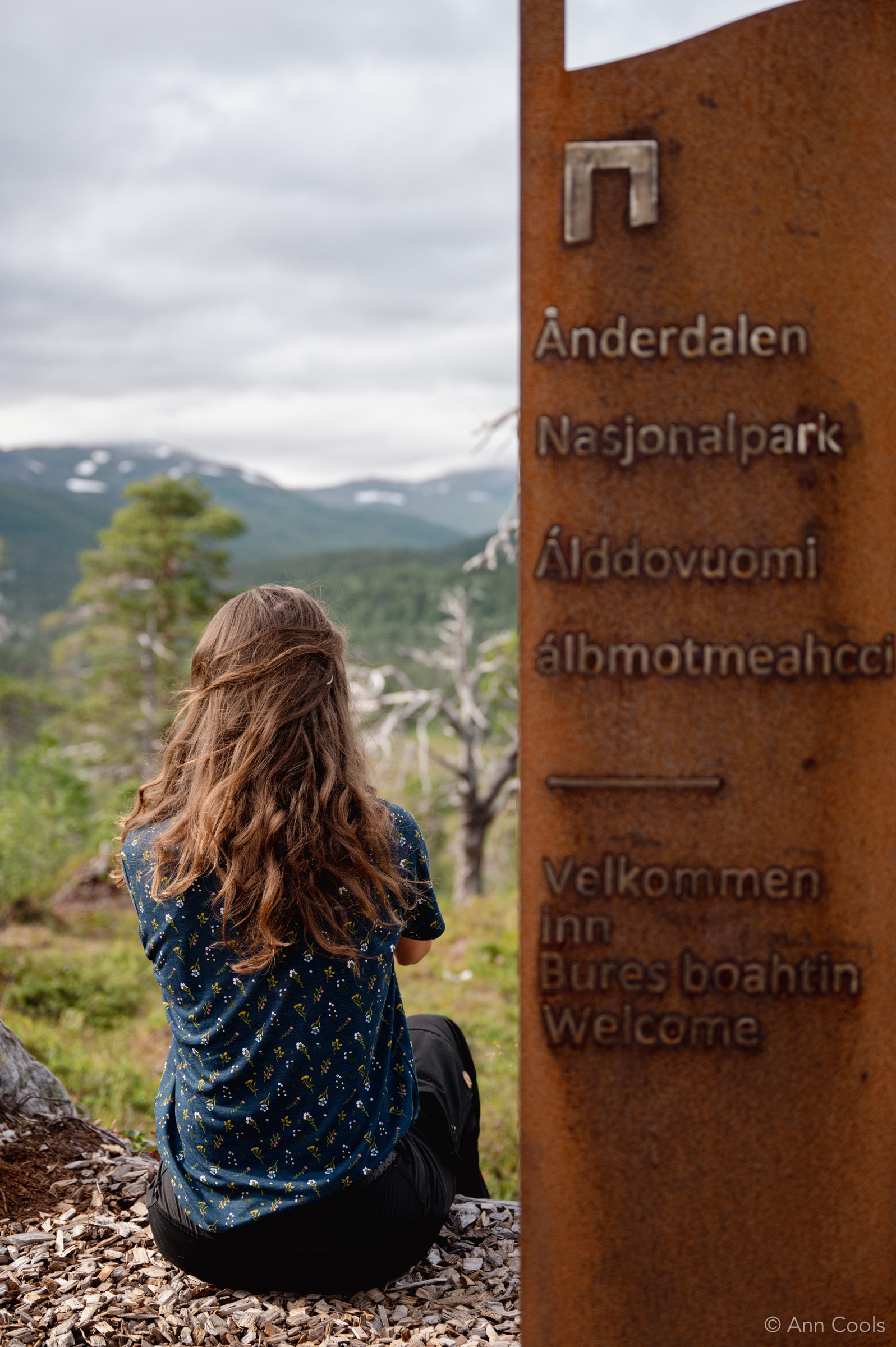
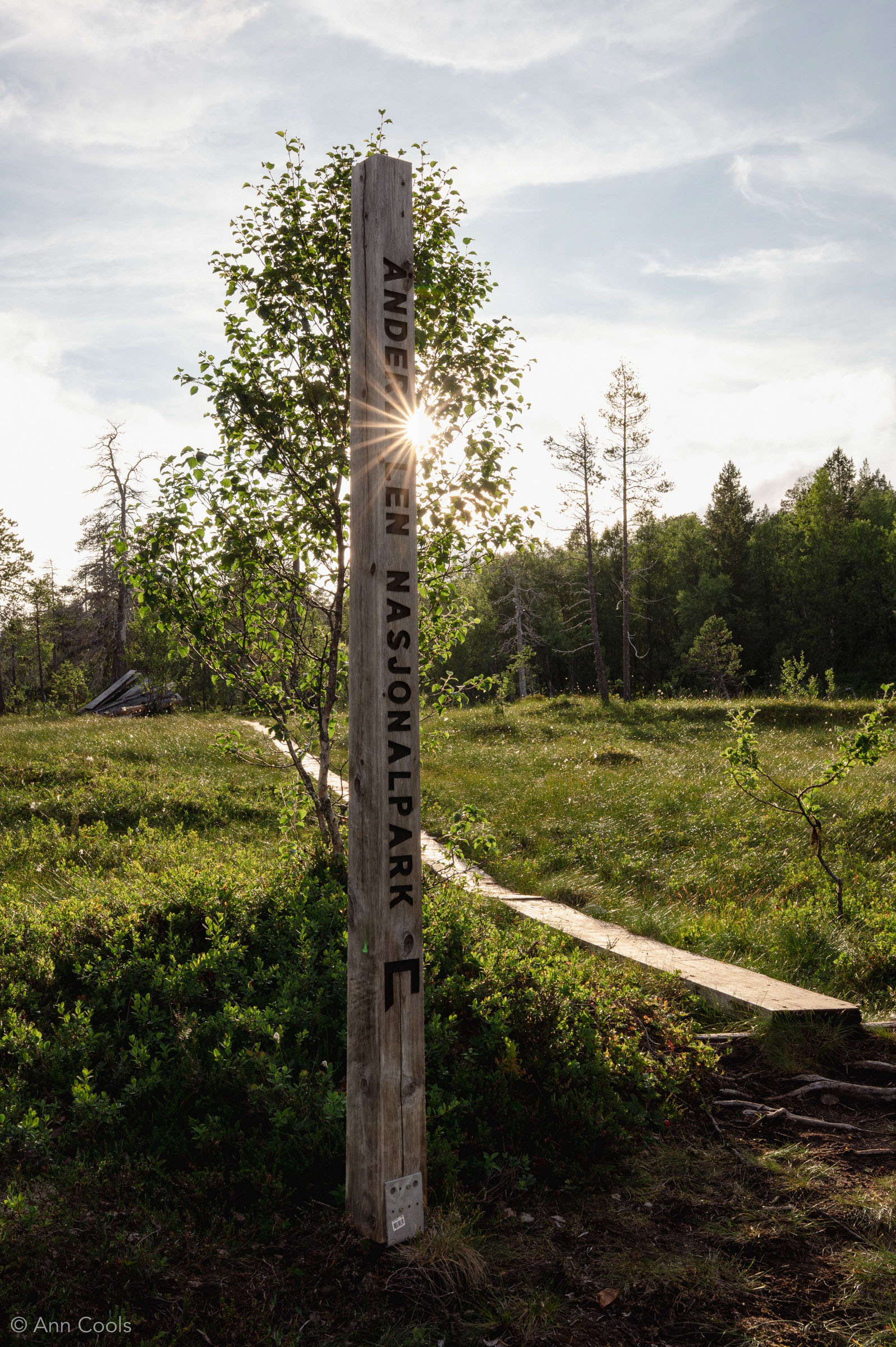
Over the past decade, visitor numbers in Ånderdalen National Park have increased nearly tenfold. The same story plays out around Segla, where a single photograph helped turn a quiet fishing community into a global hiking destination. More people means more footsteps—and in fragile Arctic landscapes, that leaves a mark.
A Helping Hand is a simple idea with surprisingly tangible results: if tourism leaves a footprint, why not give something back?
From visitors to volunteers
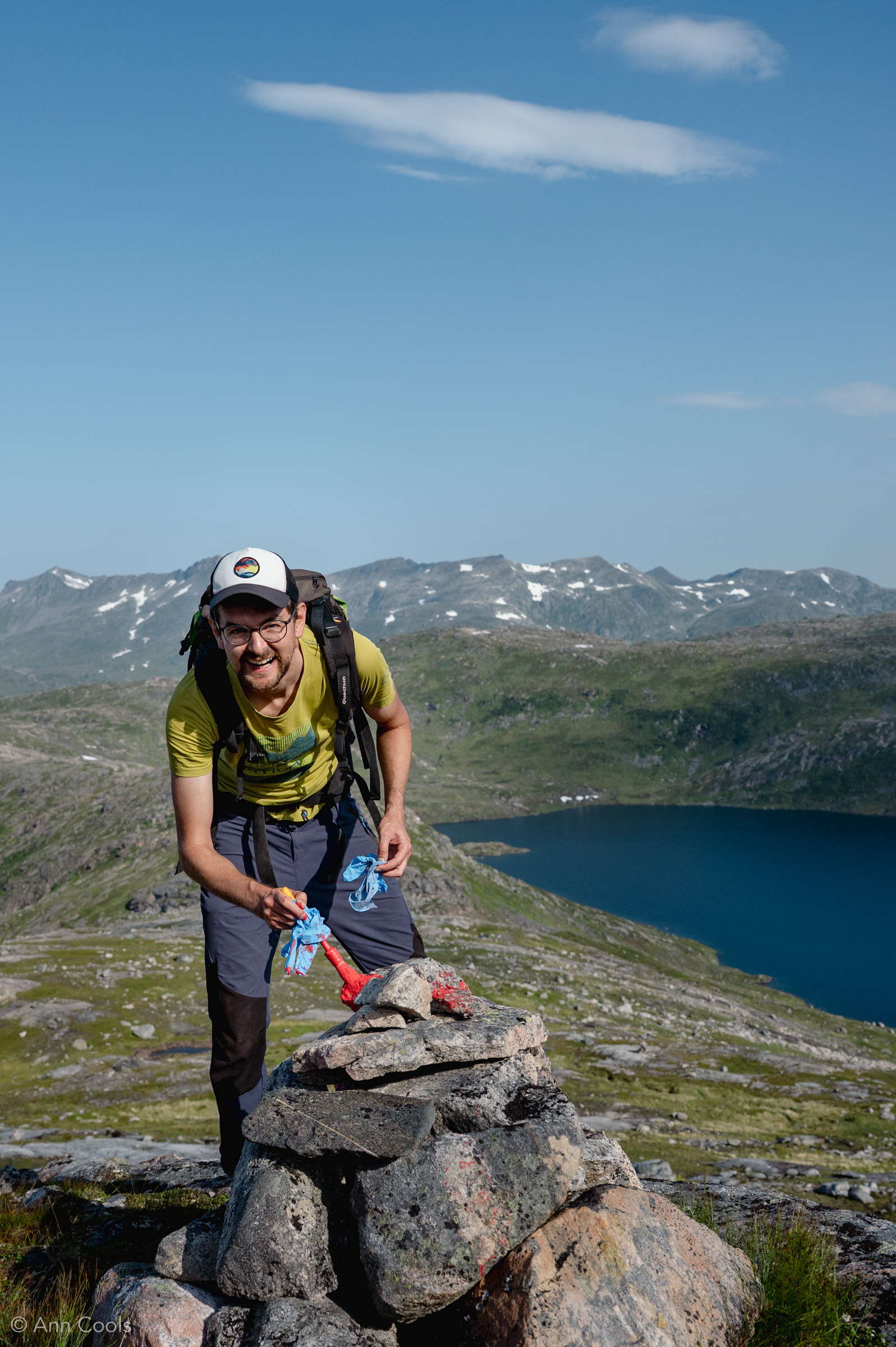
The project, initiated by Rissa Citizen Science in collaboration with local authorities, invites volunteers to step into the landscape—not just as hikers, but as caretakers.
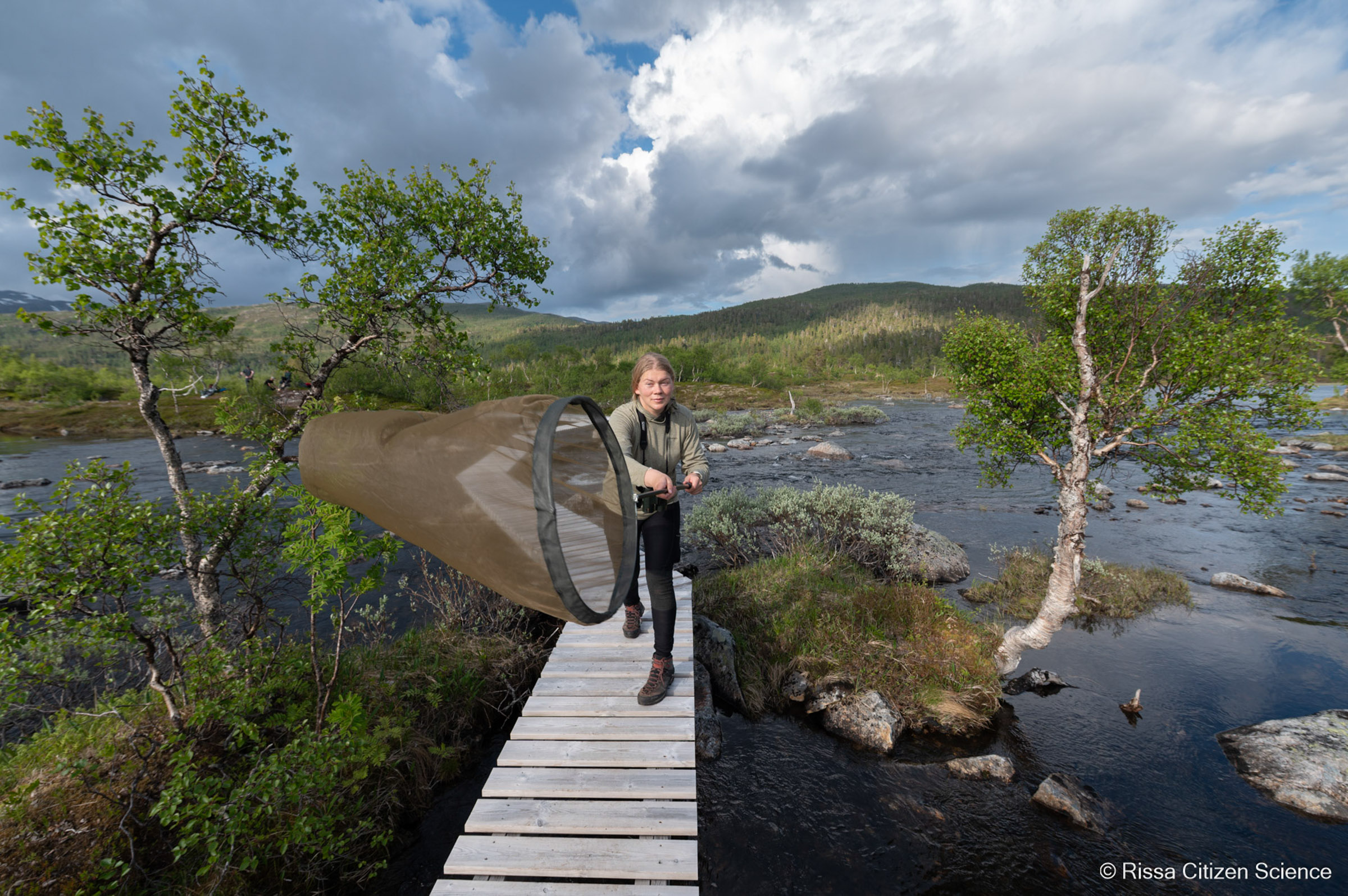
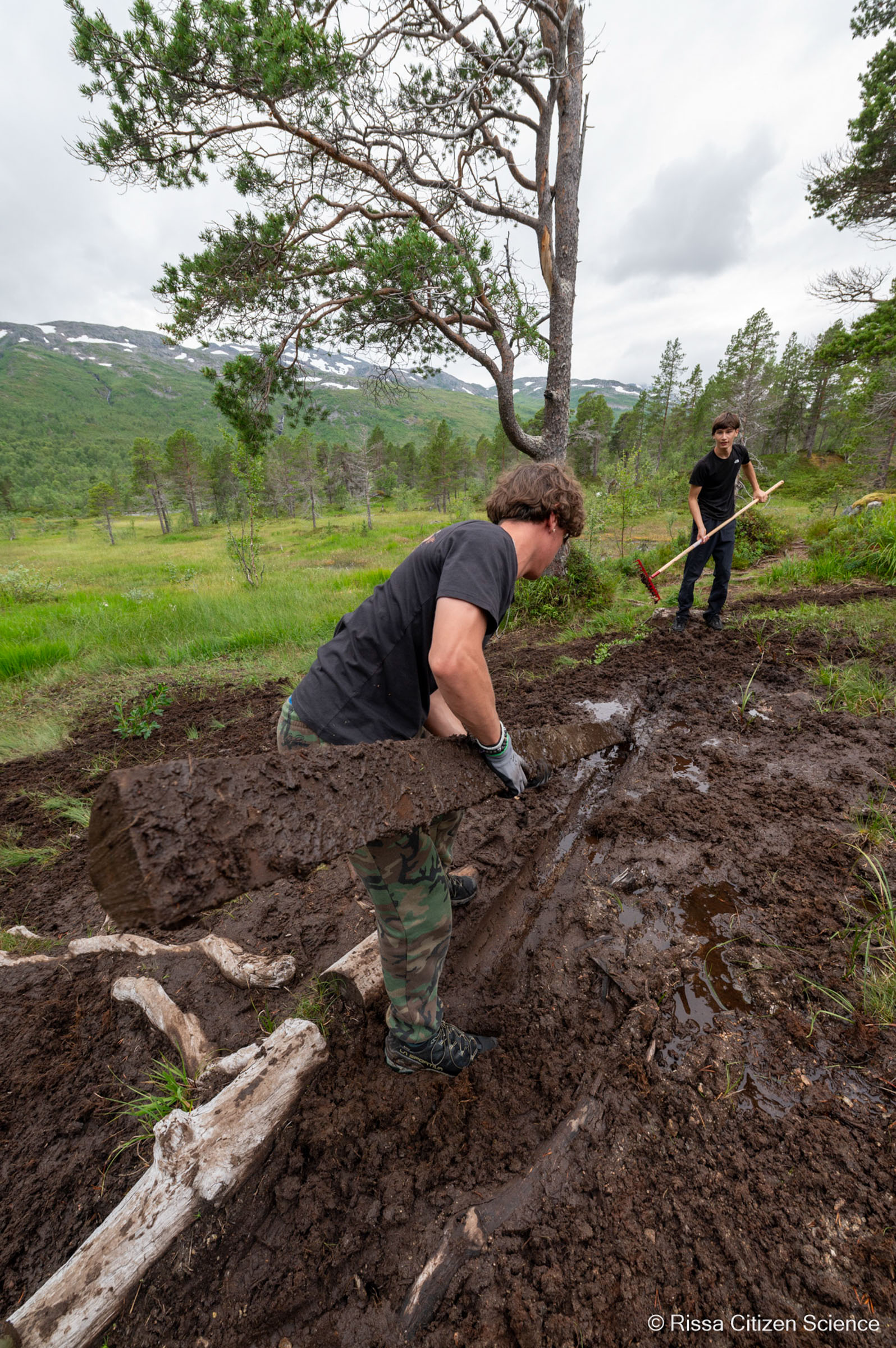
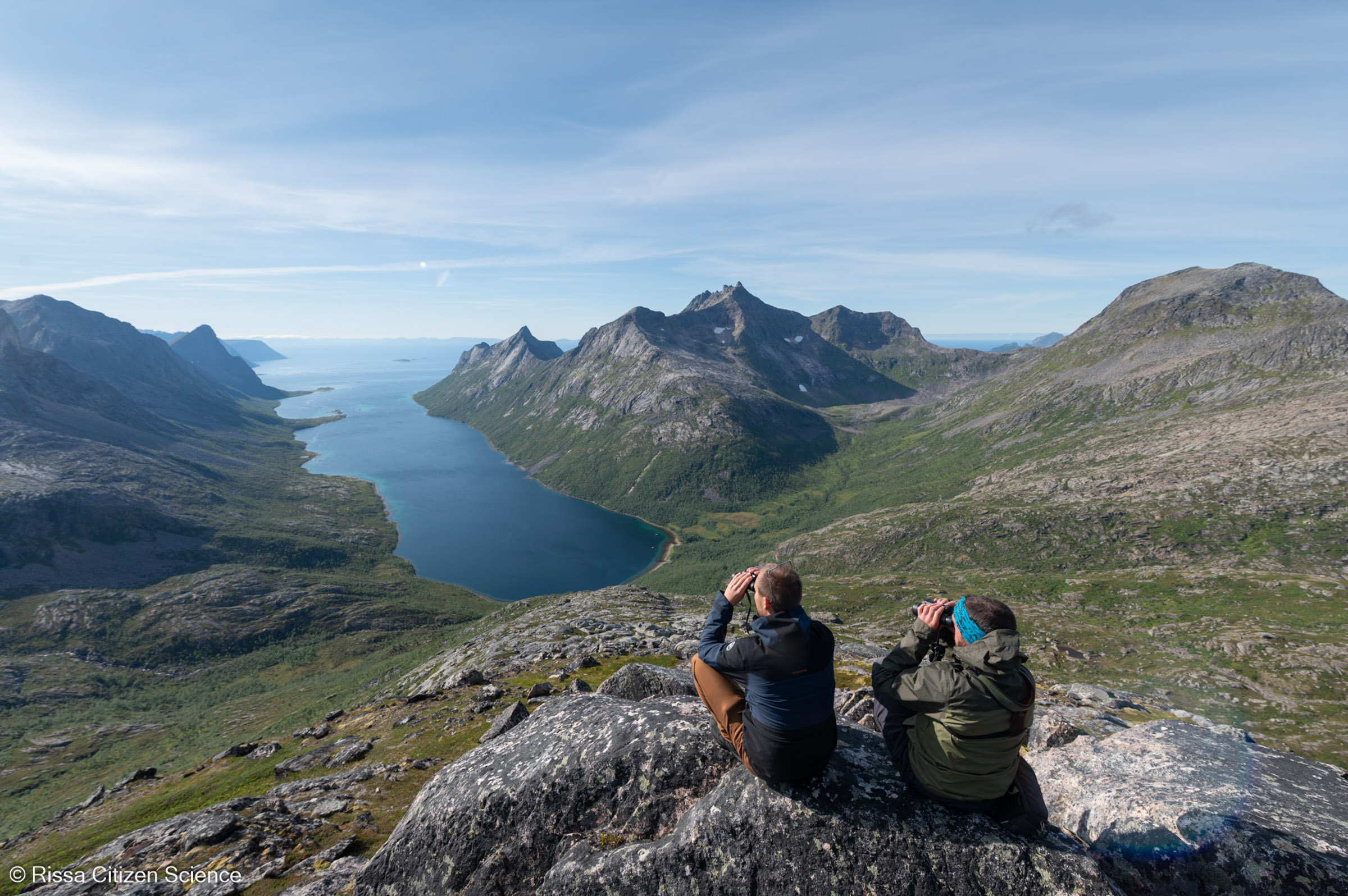
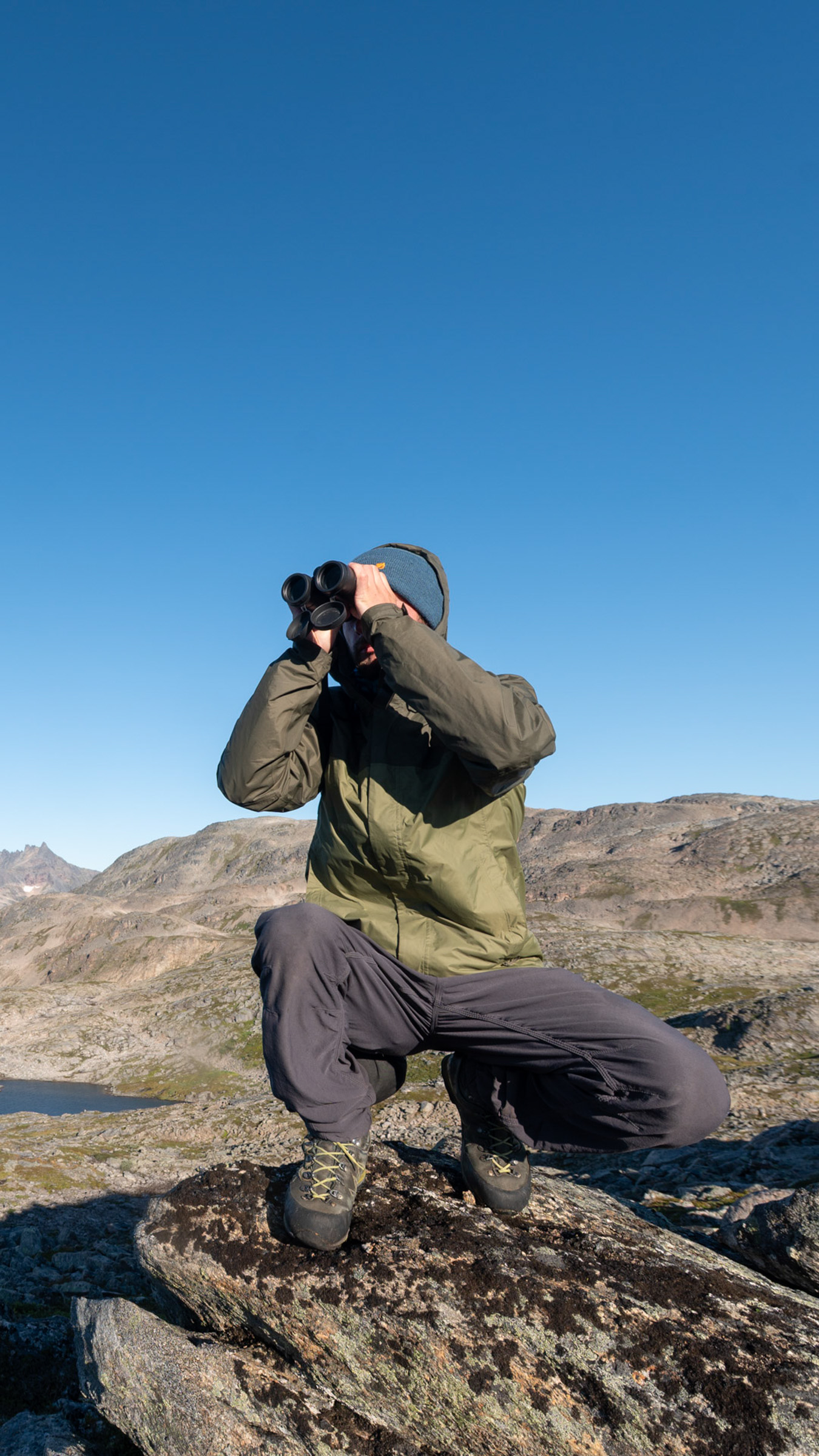
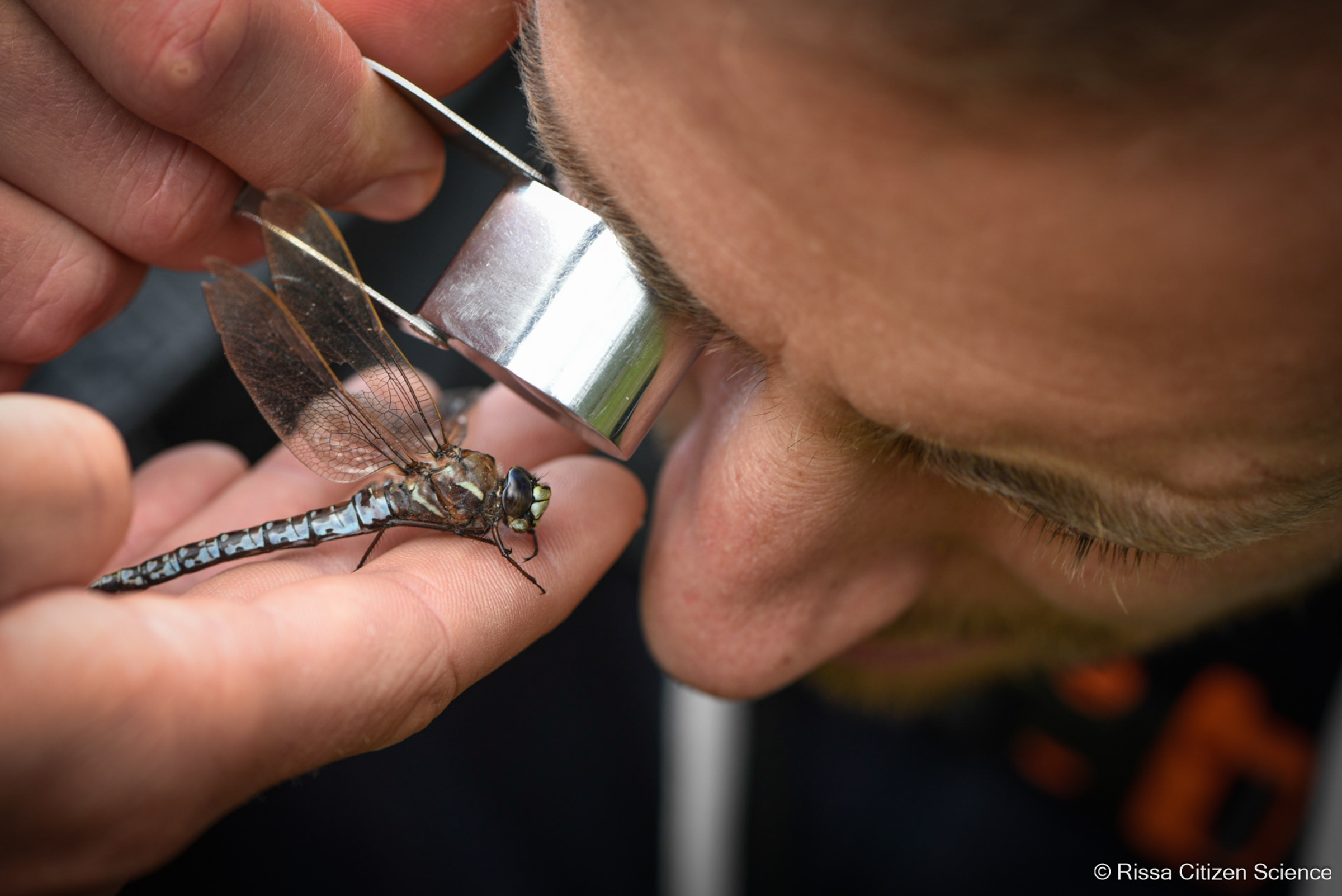
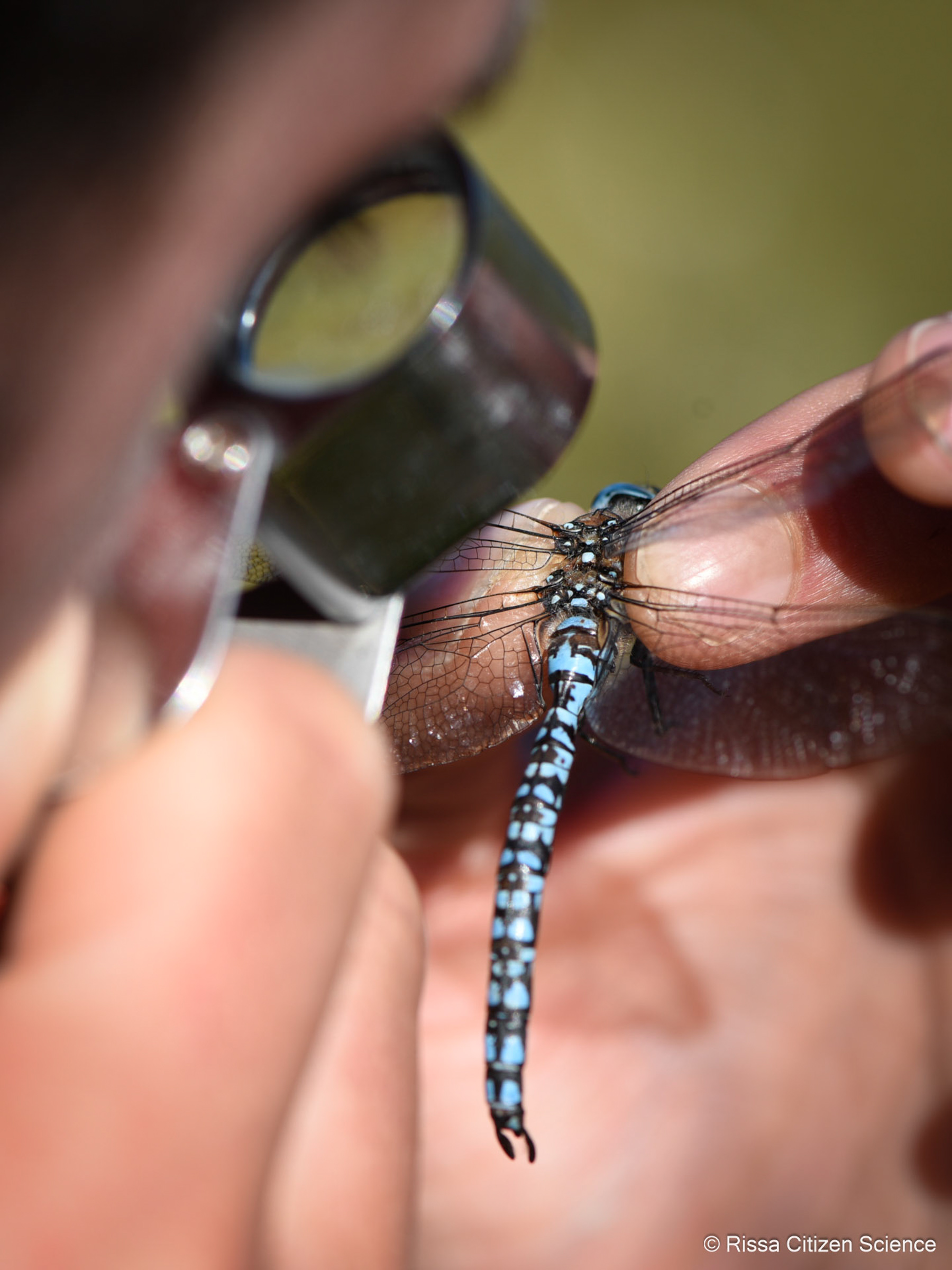
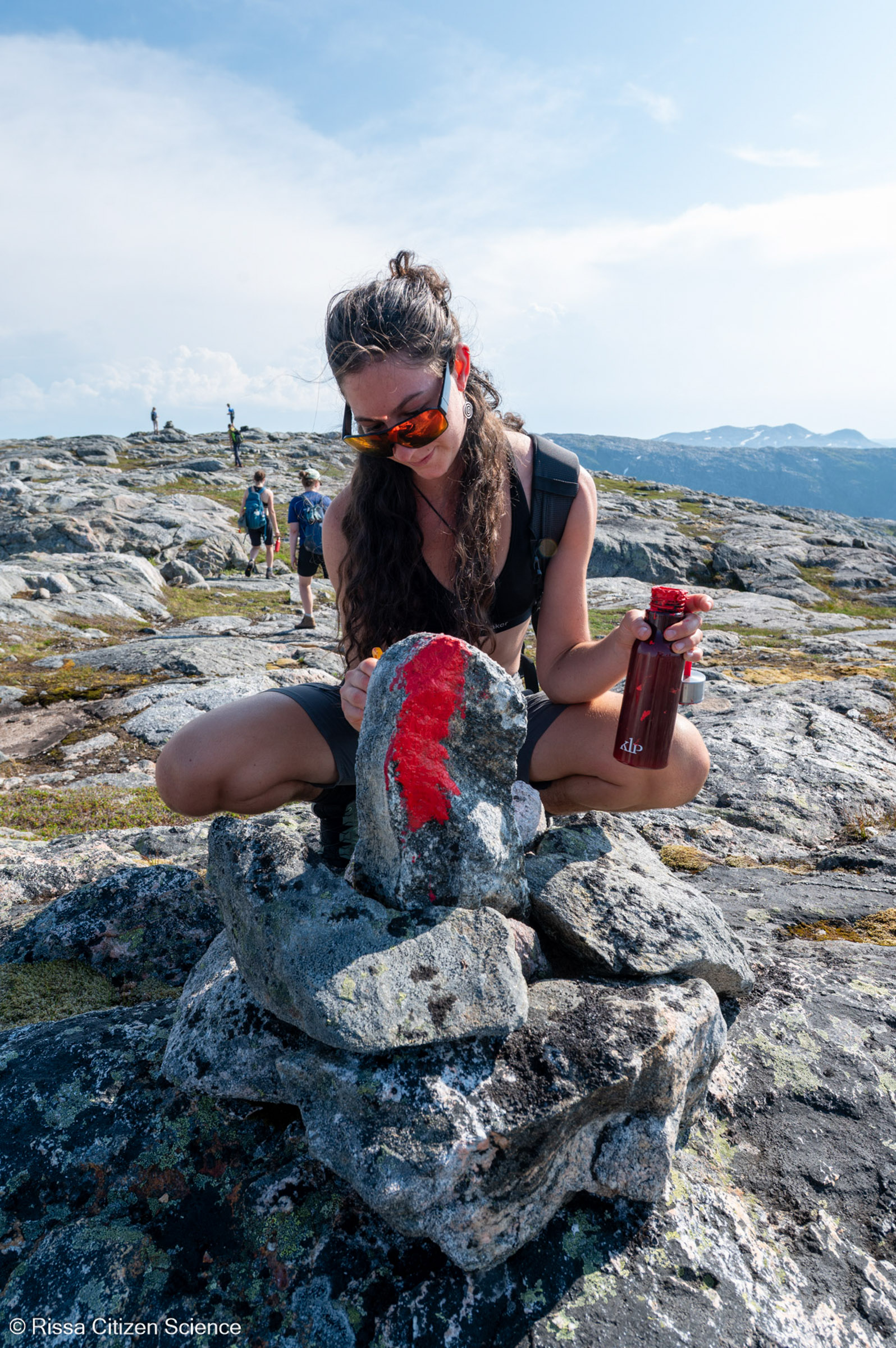
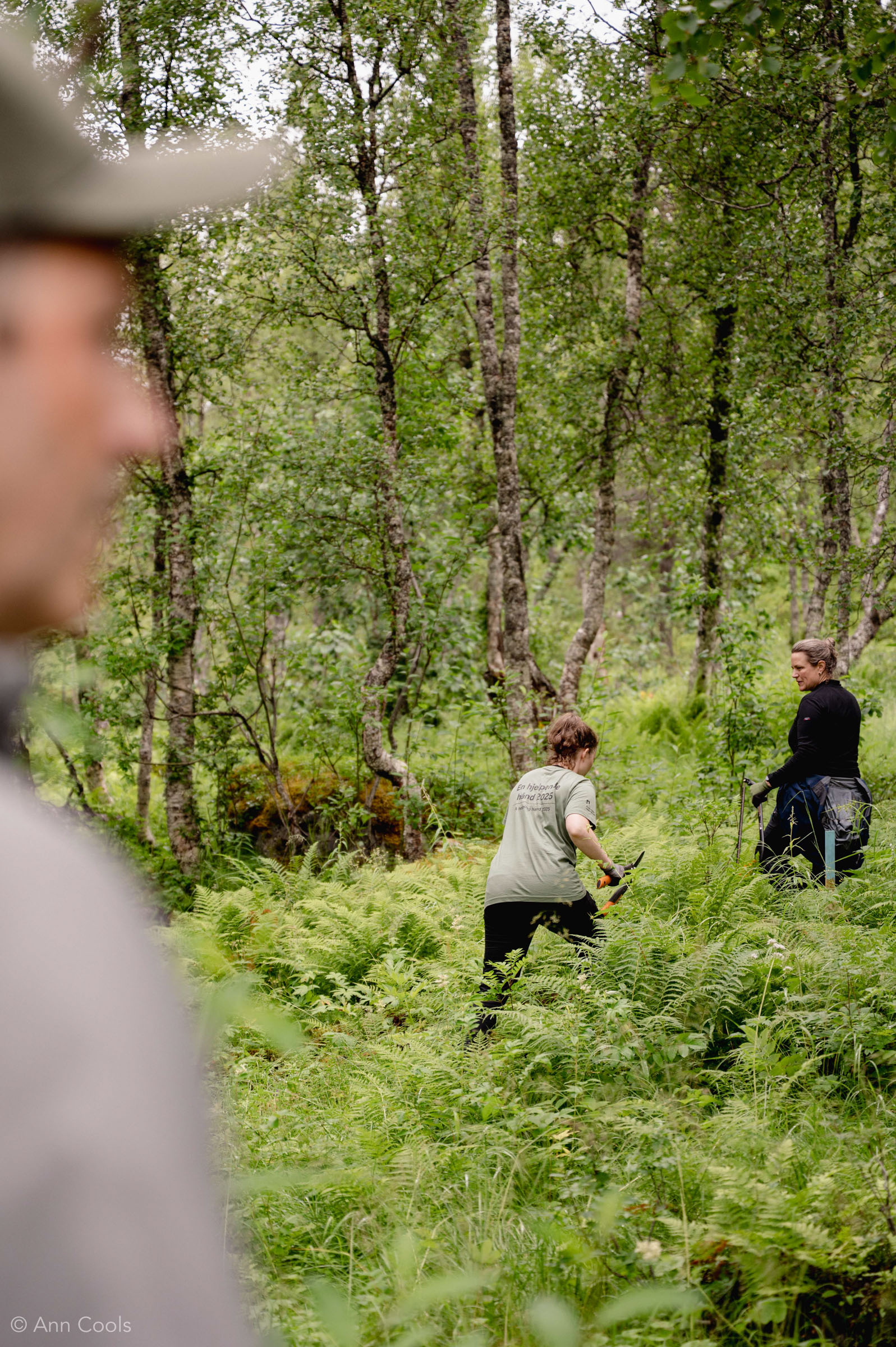
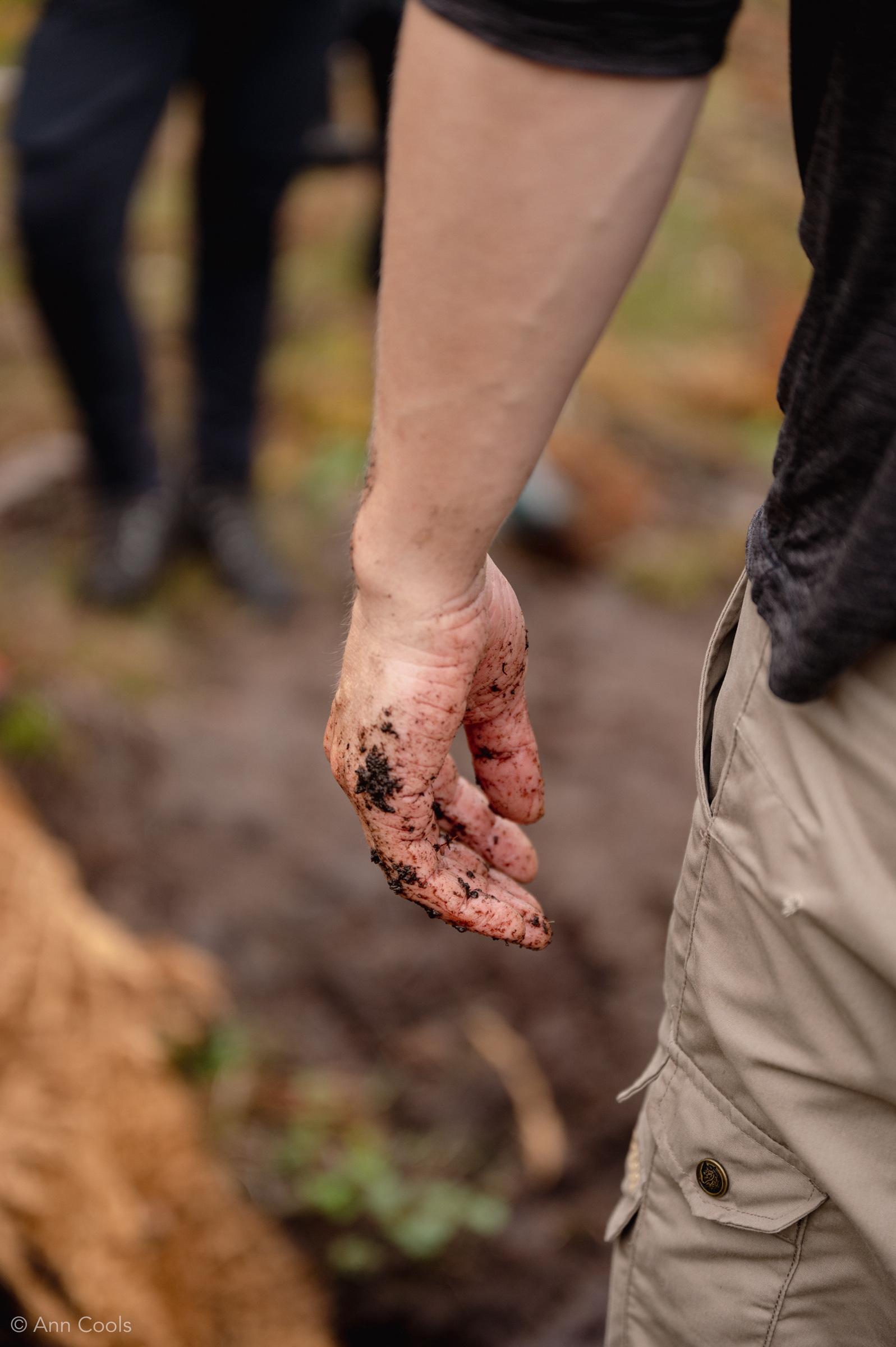
For a few days in summer, participants trade panoramic views for practical work. They repair trails, restore wetlands, map biodiversity and help guide future visitors along more sustainable routes. It’s hands-on, often muddy, occasionally demanding—and deeply rewarding.
And crucially, it’s not about expertise. Motivation matters more than experience.
When a trail becomes a problem
In the Arctic, nature recovers slowly. A worn path can take decades to heal—if it heals at all.
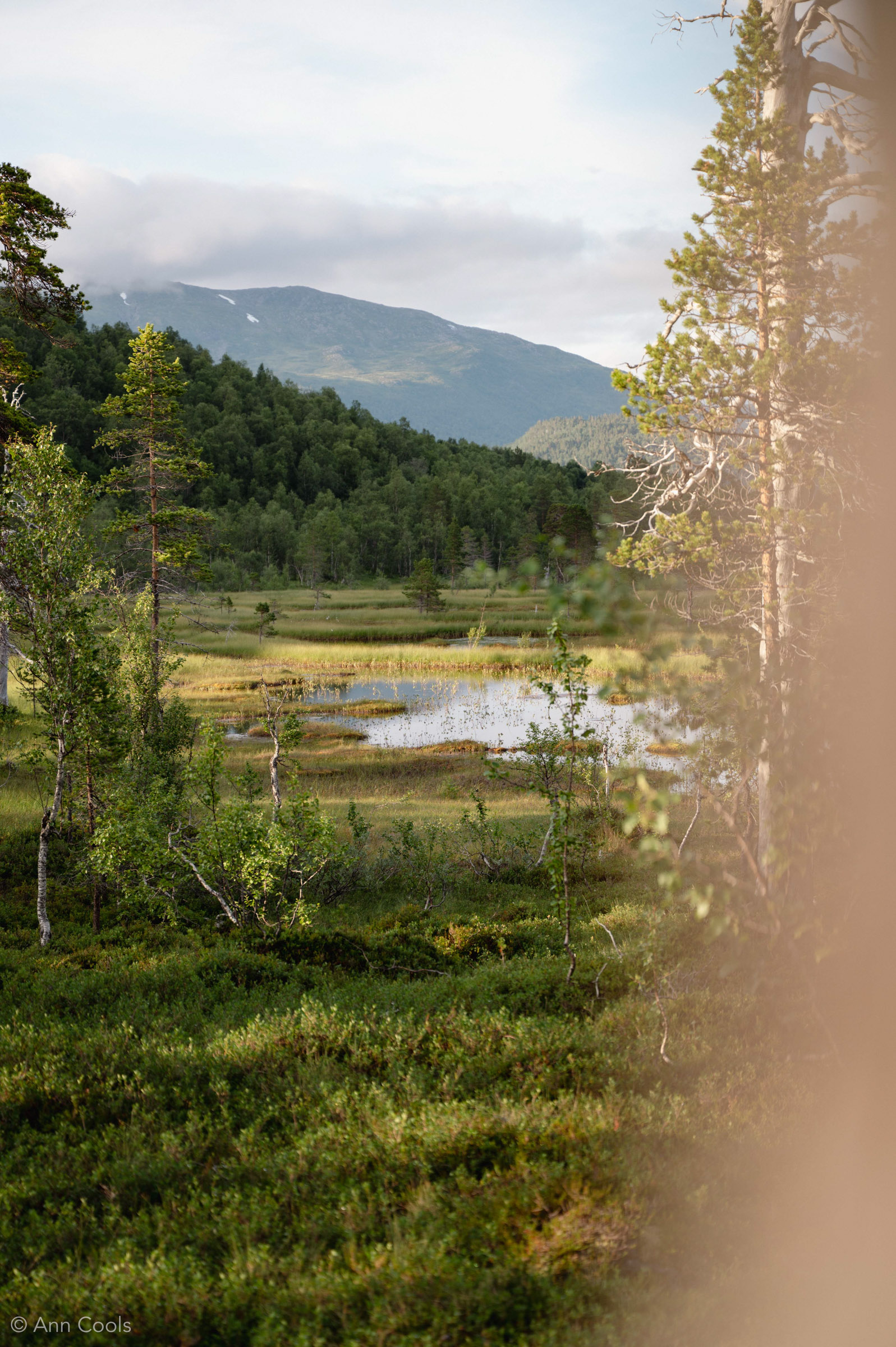
In dry terrain, repeated use strips away the thin layer of soil, exposing bare rock. In wetter areas, the damage is less visible at first, but more serious. Peat bogs—those soft, sponge-like wetlands—collapse under pressure. What begins as a narrow track can quickly spread into a wide, muddy field, as walkers instinctively step aside to avoid the worst patches.
Once water starts flowing freely through these damaged areas, erosion accelerates. Channels form, vegetation disappears, and the landscape begins to change in ways that are hard to reverse.
This is where A Helping Hand comes in.
Repairing, restoring—and rethinking
During the 2025 pilot, a small group of volunteers tackled a surprisingly wide range of tasks.
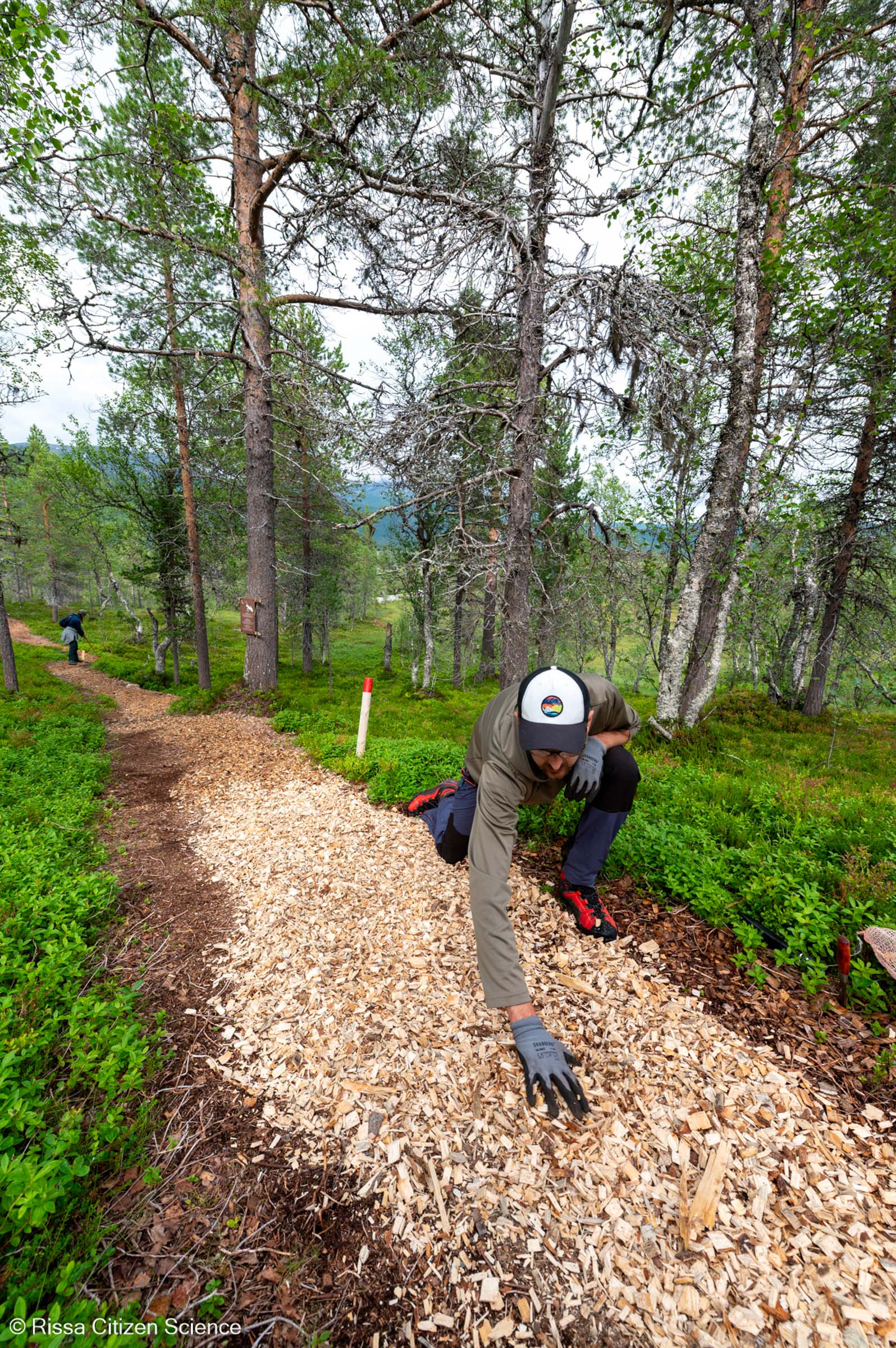
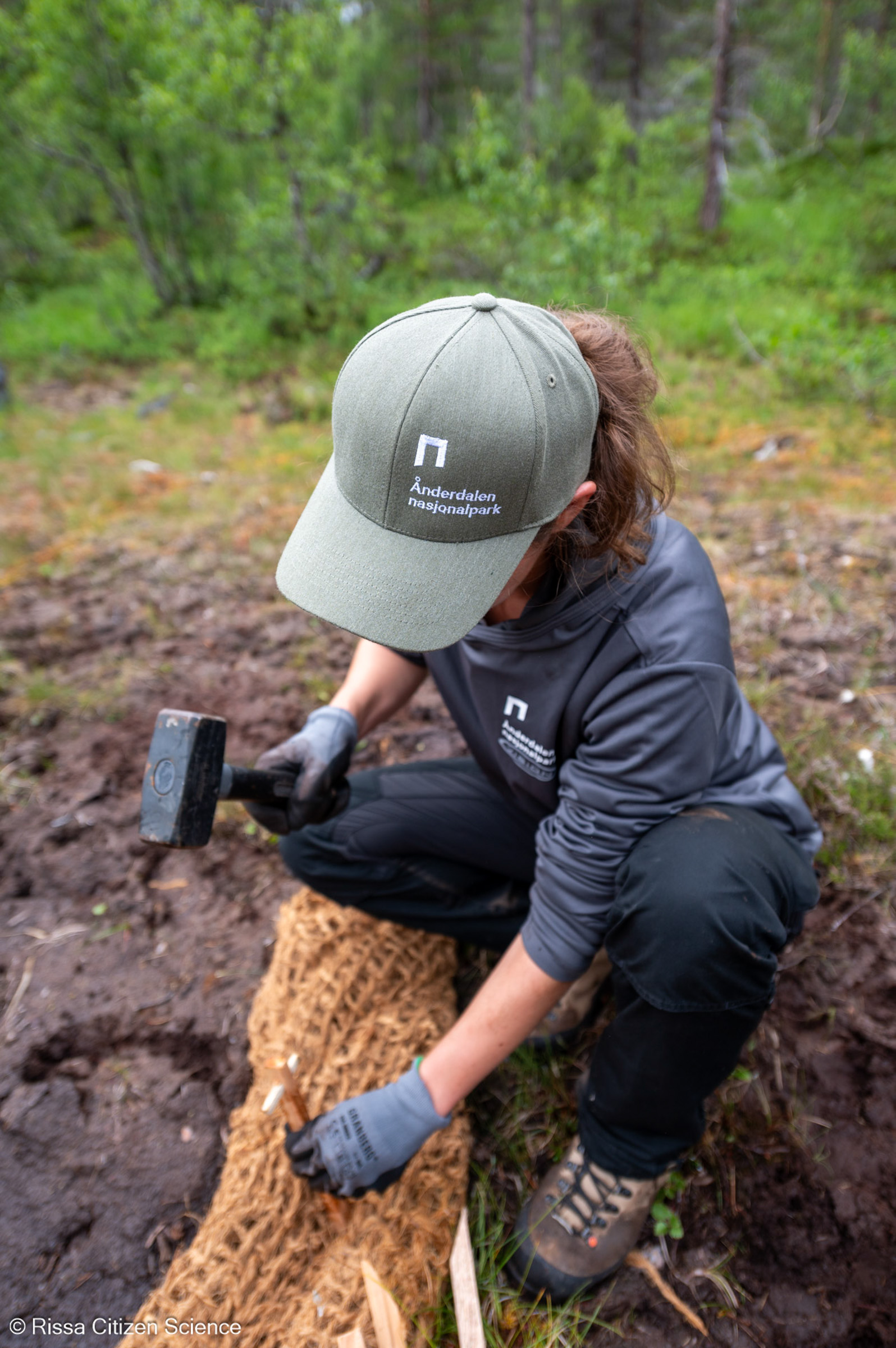
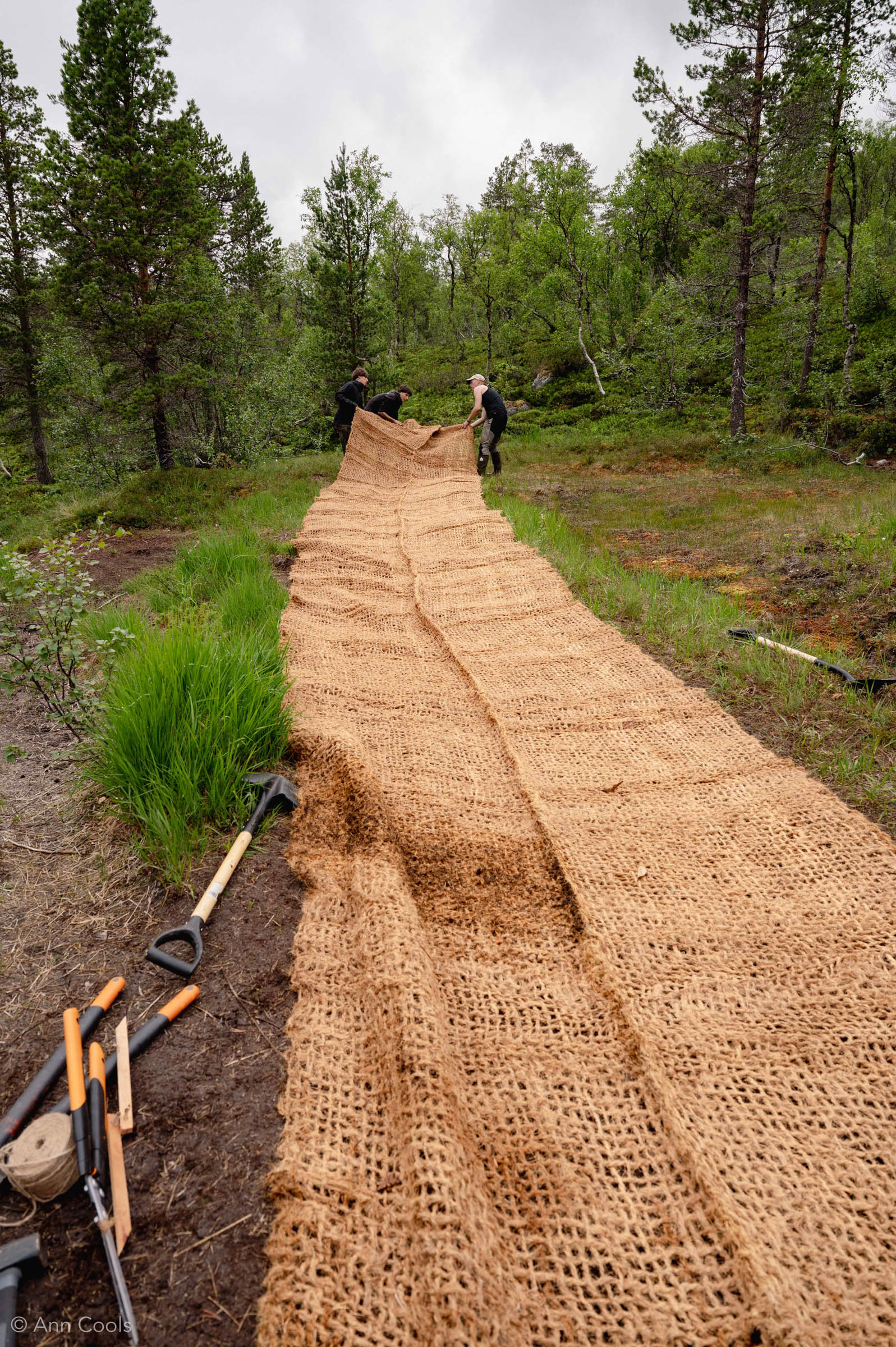
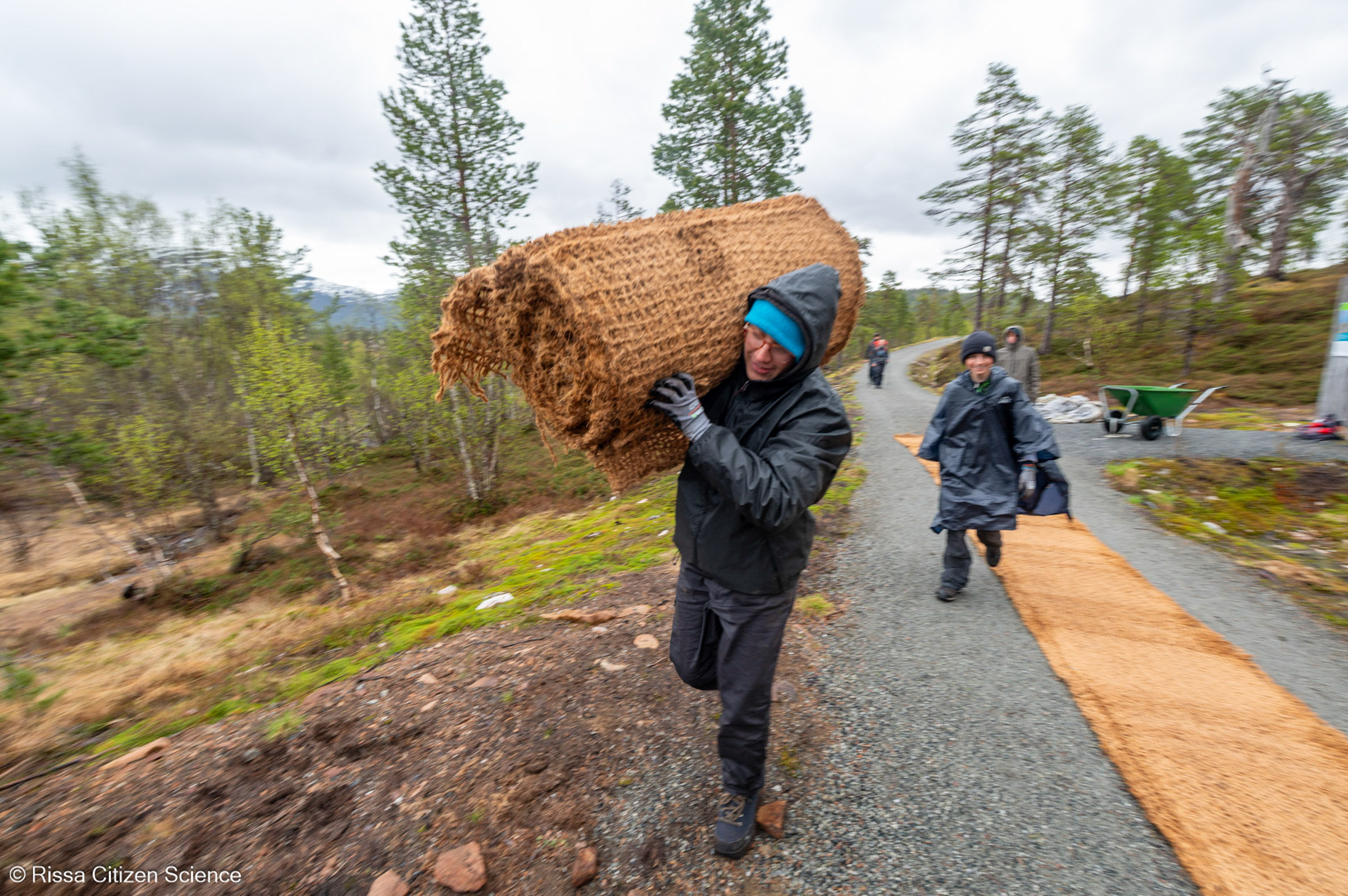
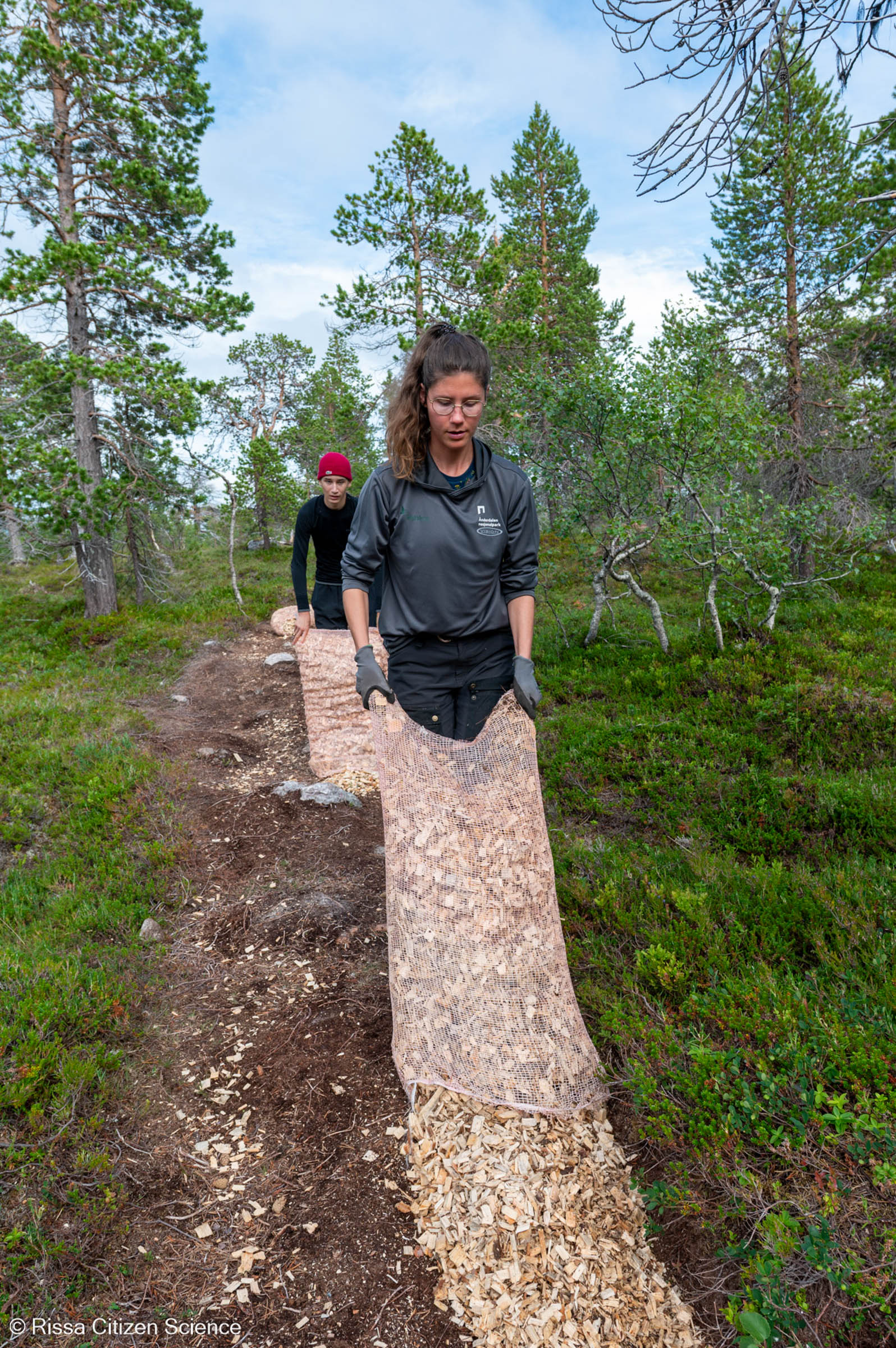
Some worked on damaged sections of trail, laying fibre mats and spreading woodchips to stabilise the ground. Others focused on wetlands, carefully slowing the flow of water so that mosses and plants could return over time. In places where the damage had gone too far, trails were closed entirely—redirecting visitors before the landscape could deteriorate further.
New paths were also created, marked with subtle precision through forest and hillside. The aim wasn’t just to guide people, but to guide them well—away from steep, wet or vulnerable terrain, and along routes that feel natural to follow.
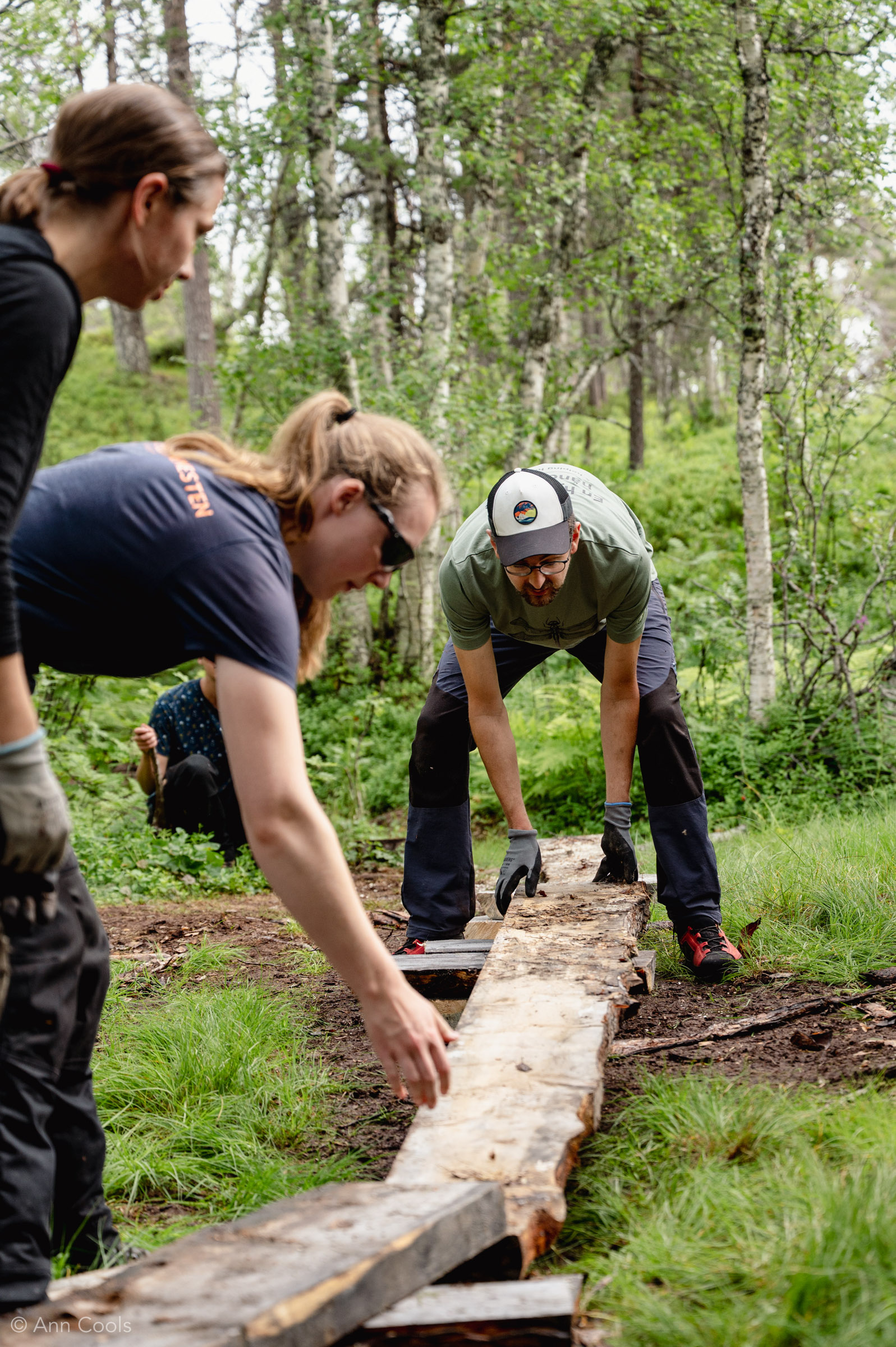
And in the wettest sections, boardwalks were built. Simple wooden structures, but vital ones. They lift hikers above the ground, protecting both the vegetation below and the experience itself.
Life in the field
The workdays are physical, but the rhythm is far from relentless.
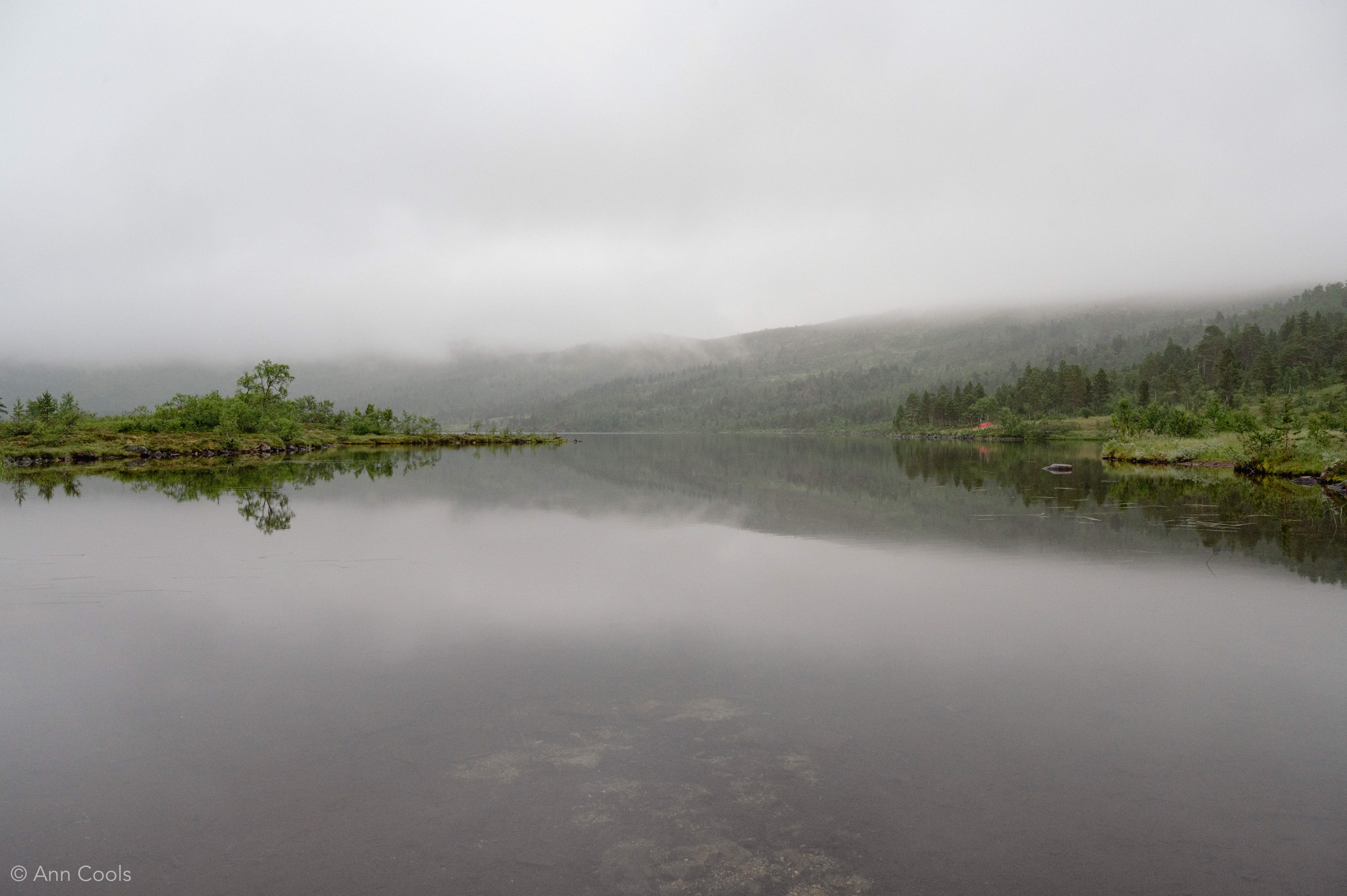
There’s time for shared meals, for stories, for that particular kind of laughter that comes after a long day outdoors. In Ånderdalen, participants camp close to nature, with the quiet hum of insects and the lingering Arctic light stretching well into the evening. Around Fjordgård, the setting is different—steeper, sharper, with views that drop straight into the fjords—but the sense of purpose is the same.
And then there are the small moments: a canoe trip after work, a conversation with a local biologist, a dinner where volunteers and locals sit down together. Not as tourists and hosts, but as people who have spent the week working towards the same goal.
A different way of travelling
A Helping Hand sits somewhere between conservation and travel. You still experience Senja—the mountains, the light, the vastness—but you do so with a slightly different perspective.
You notice where the ground is soft. Where the water flows. Where a shortcut might seem harmless, but isn’t.
And perhaps that’s the point.
Not everyone will sign up for a week of trail repair. But everyone who visits places like Senja leaves some kind of trace. The project simply makes that visible—and offers a way to balance it.
Want to take part?
Participation is open to anyone with a willingness to contribute and a reasonable level of fitness. No prior experience in restoration or fieldwork is required—guidance is provided throughout.
The 2026 edition takes place at two locations on Senja, with slightly different durations and levels of comfort, but similar tasks and shared purpose. Have a look at a photo reportage from 2025 here.
A helping hand – the practical questions
The work focuses on repairing and protecting nature affected by increasing visitor numbers. Typical tasks include restoring hiking trails, stabilising eroded ground, building boardwalks in wet areas, and closing or rerouting paths that have been damaged beyond repair. Volunteers may also contribute to simple biodiversity mapping, depending on the group’s interests and expertise. All work is guided by local experts, and no prior experience is required.
A Helping Hand takes place in late July and early August, when conditions in the Arctic are at their most accessible. In 2026, the programme runs from 26 July to 2 August in Ånderdalen National Park, and from 30 July to 2 August in Fjordgård/Segla. Exact dates and updates are published on the organiser’s website.
Not at all. No previous experience in conservation or outdoor work is required. The project is designed to be inclusive, and all participants receive guidance from experienced team leaders throughout the week.
What matters most is your motivation and willingness to contribute. As long as you’re comfortable spending full days outdoors and taking part in physical tasks, you’ll fit right in.
The work can be physically demanding at times. Tasks may involve hiking in steep terrain, carrying materials, and working outdoors for several hours a day. That said, the pace is manageable, with regular breaks and a strong focus on teamwork. You don’t need to be an athlete, but you should be comfortable with full days outside in varied weather conditions.
Not at all. While the days involve meaningful, hands-on work, there’s plenty of time to unwind and enjoy the surroundings. Shared meals, good conversations and small adventures—like a swim, a paddle or an evening walk—are all part of the experience.
The social side of the project is just as important as the work itself, and many participants leave with new friendships as well as a sense of having made a real difference.
You don’t need any specialised tools—these are provided on site. However, you should bring suitable outdoor clothing and personal gear for Arctic summer conditions, including waterproof layers, warm clothing and sturdy footwear. If you are joining the Ånderdalen site, you will also need camping equipment such as a tent, sleeping bag and cooking gear. A detailed packing list is shared before arrival.
For full details about the programme, application process and practical information, visit Rissa Citizen Science.
This is where you can express your interest, learn more about the different sites, and stay updated on any changes to the project.
On Rissa Citizen Science’s website, you can sign up directly.
For travel inspiration, local tips and practical information about the island, visit Visit Senja Region.
Here you’ll find ideas on what to see and do before or after your stay, as well as useful information to help you plan your trip.
This article is a sum-up of information provided by Rissa Citizen Science including their recruitment page and the report from 2025. AI was used to structure the information – and then both Rissa Citizen Science and Arctic Norway have proof-read it.