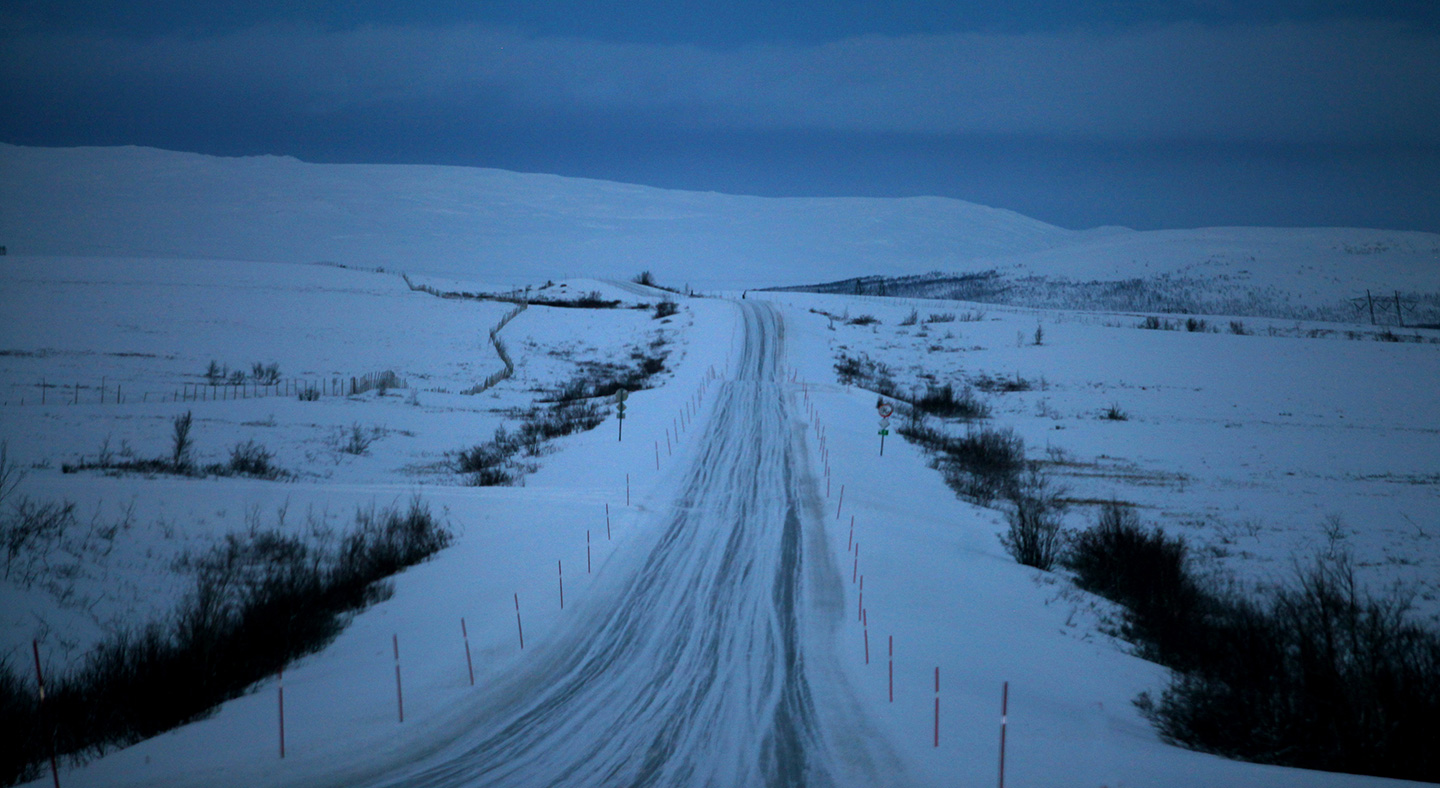
Not everyone should drive in winter in Arctic Norway. Daylight is short and roads are narrow, winding and often icy. If you regularly drive in alpine or Nordic winter conditions, this should pose no problem for you. But if your daily life is frost-free and your winter experiences limited, driving on ice and snow might be a bad idea.
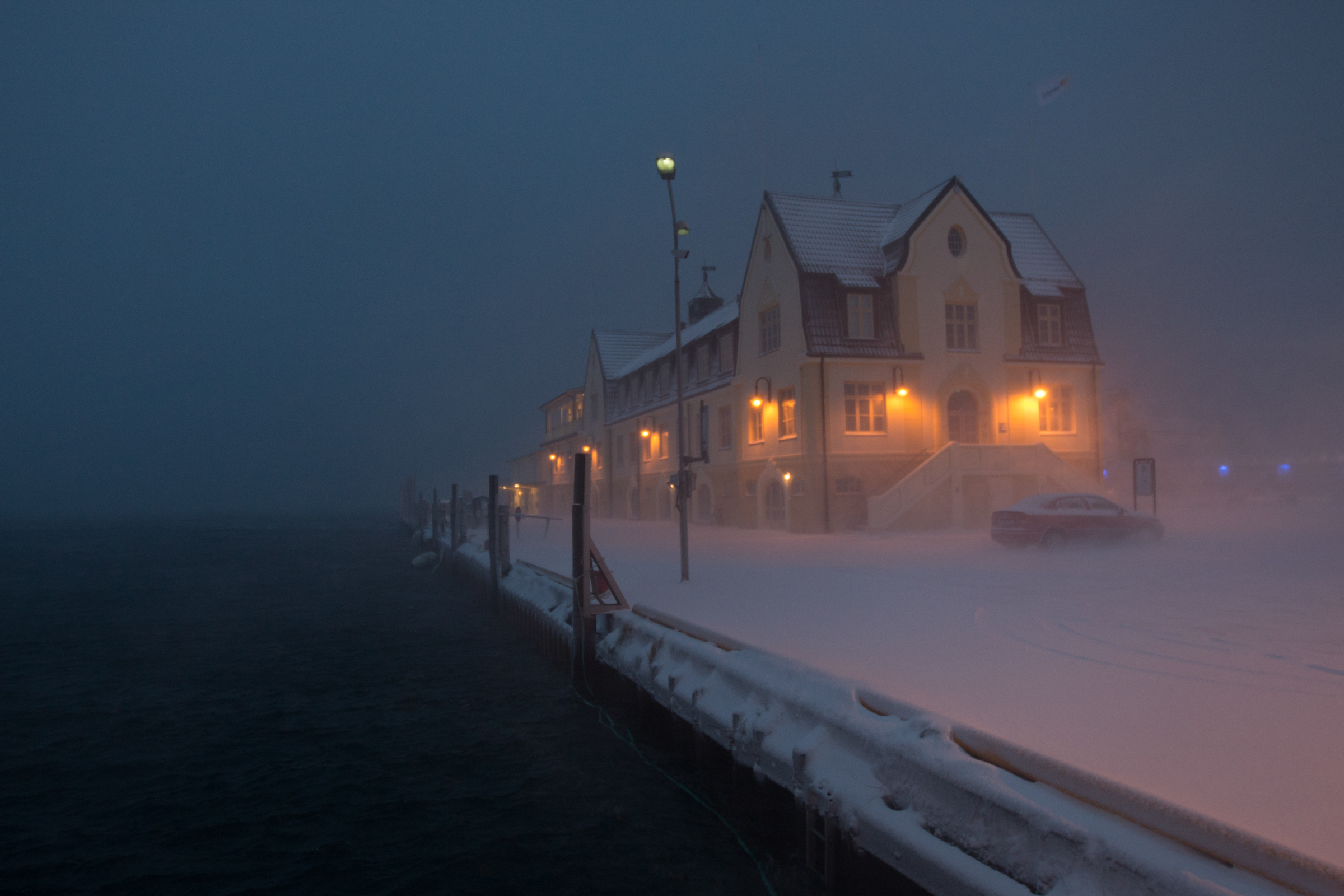
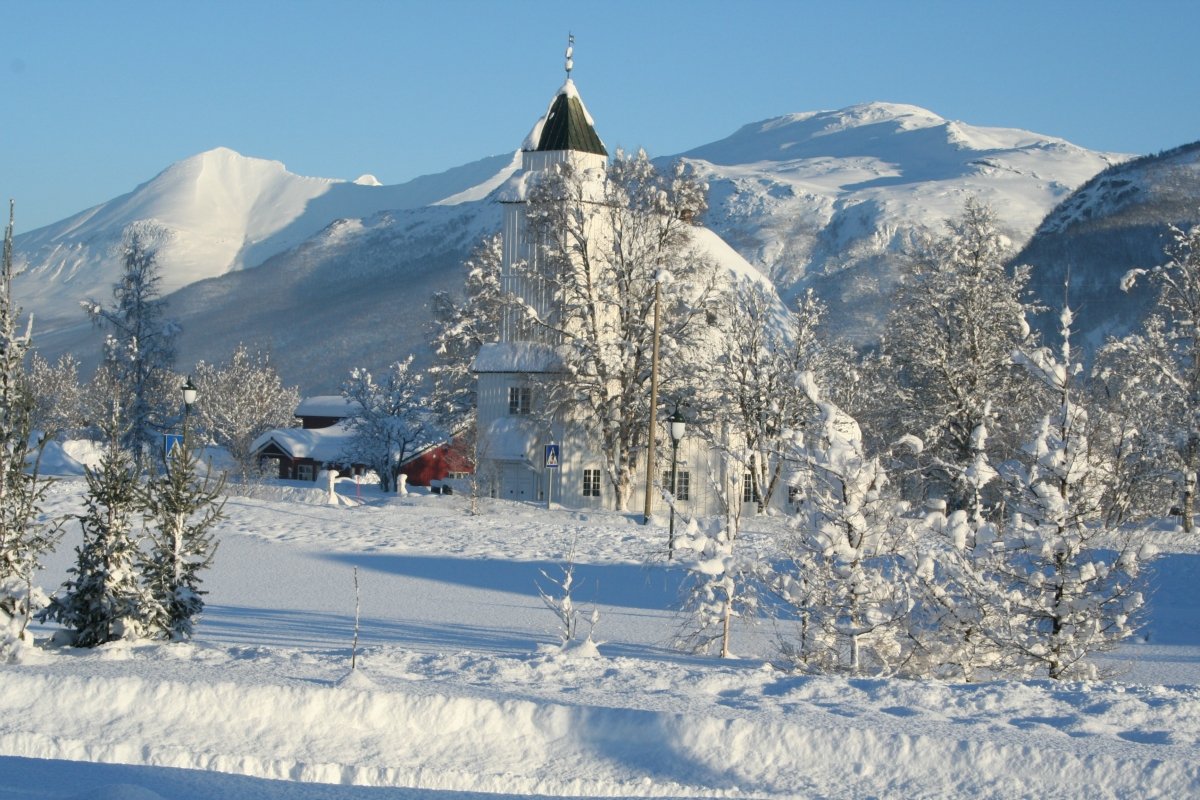
Why choose public transport?
Public transport is first of all much safer for inexperienced winter drivers It also allows you to look out of the window instead of focusing on the road. You arrive rested, ready to look for the Northern Lights, and parking is not an issue. Best of all, it can be organised easily. There is a good network of buses and express boats fanning out of Tromsø; to the fjords and alps of Lyngenfjord, to the fairytale island of Senja, to the friendly city of Harstad. Why don’t more tourists take the bus or boat? Probably because they can’t find out when it leaves. This article aims at helping you with that.
Where do we travel from Tromsø?
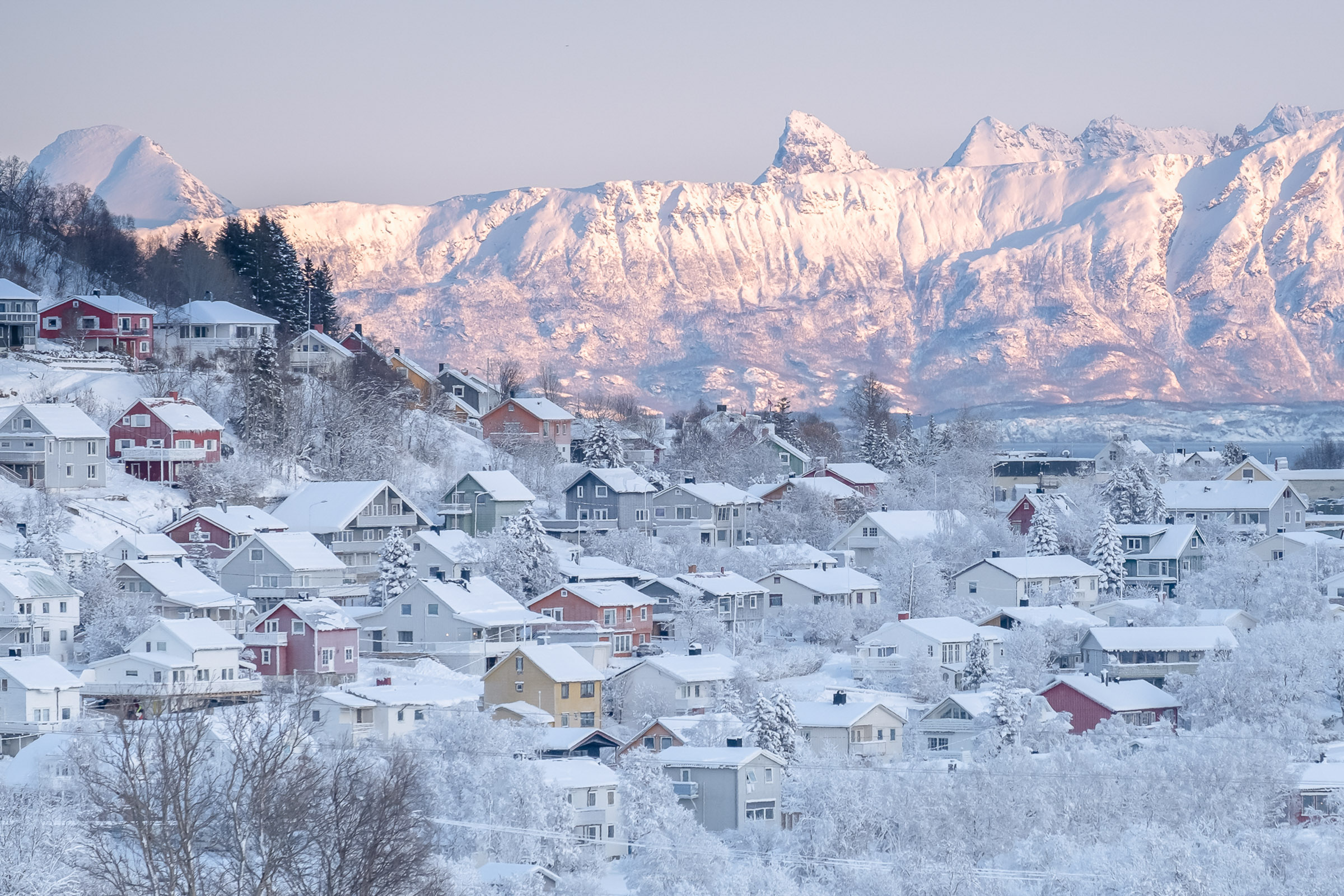
This article is Tromsø-based. Many travellers start their voyage in Tromsø, given the many direct flights from major hubs in Europe. A winter holiday in Tromsø gets so much better if you can include a few relaxing nights in a hut or resort in Senja, in Sommarøy or somewhere in the Lyngenfjord area. Harstad is Tromsø’s friendly and handsome little brother, with good food and plenty to see. The Lofoten Islands are further away – on the map and in mood. Narvik is drama – in war and in wilderness. Or maybe the North Cape, Alta and Hammerfest are your goal.
NEARBY ESCAPES:
The unhurried traveller will find calm, beauty and relaxation in snug cabins and peaceful holiday villages not far from Tromsø.
Sommarøy is a close escape from Tromsø
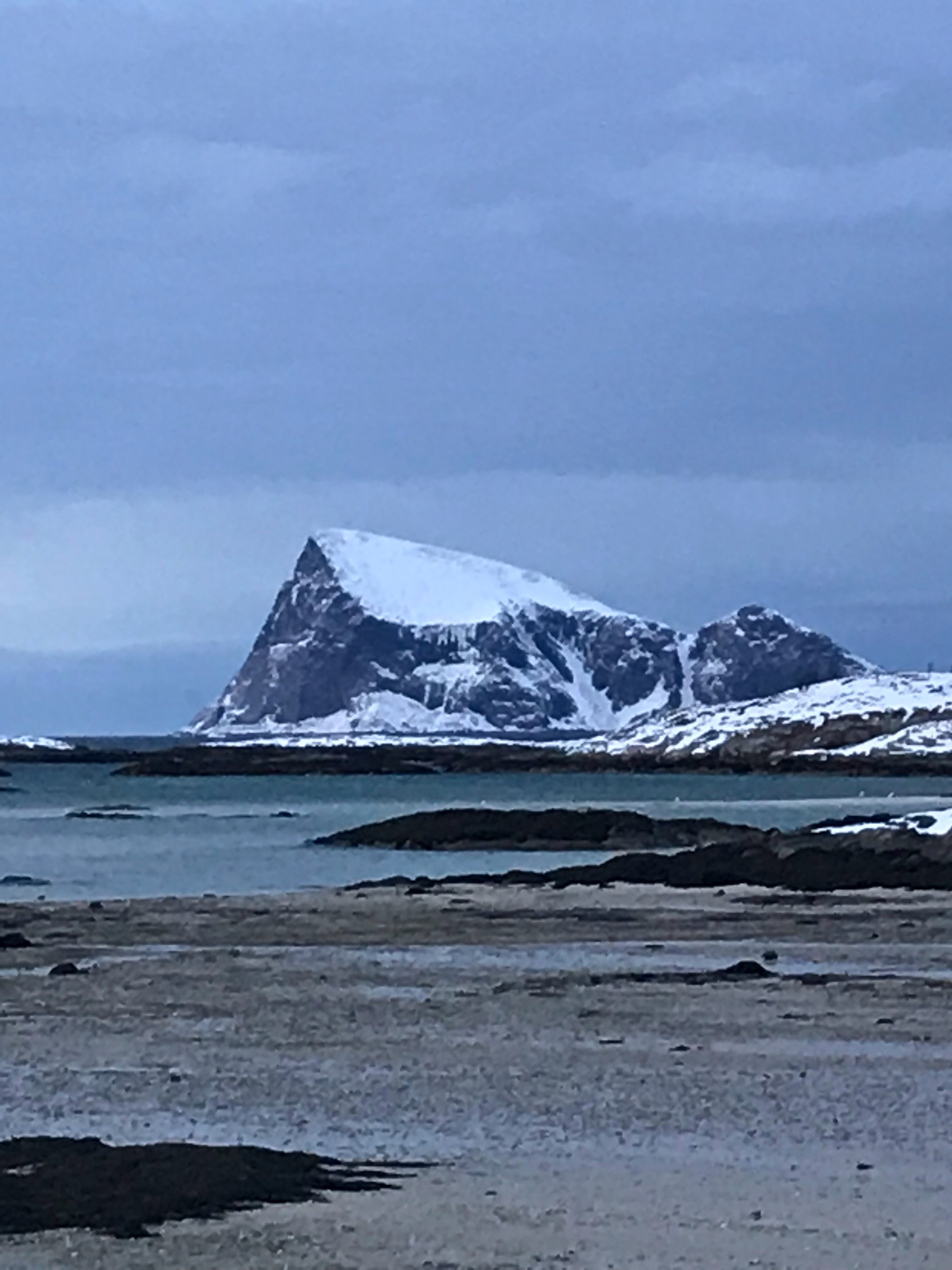
The nearest “resort”-like location to Tromsø is the fishing village of Sommarøy. There is a bus or two going there every day. Except Saturday – except in the skiing season.
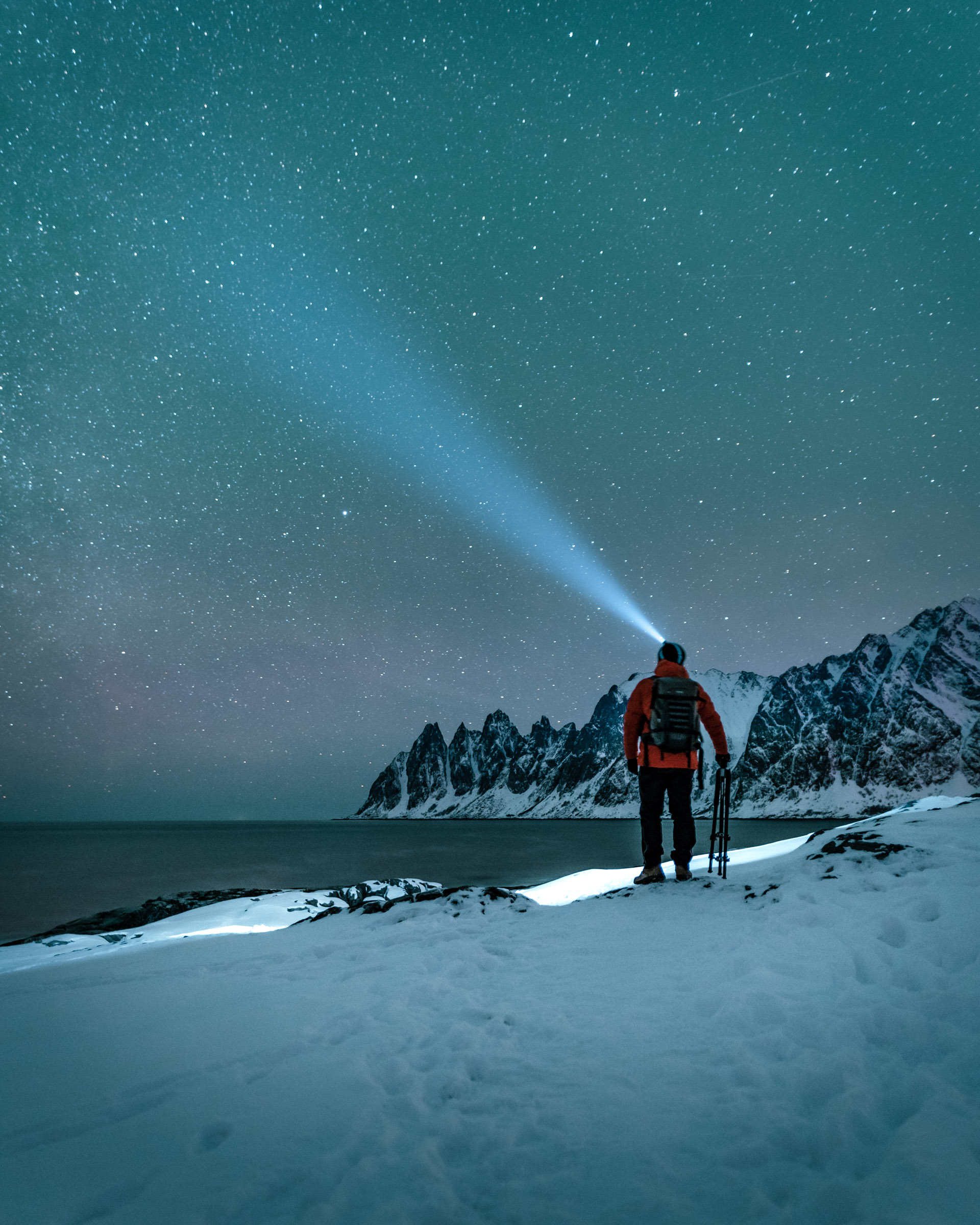



The island of Senja is relaxed beauty
In the busy winter season, the various places of accommodation have joined forces to organise a bus transport to Senja. If you are staying in one of the holiday villages, resorts or small hotels on this fairytale island, you can be taken to the reception door from Tromsø’s airport (and city centre) hassle-free.
If their timetable doesn’t suit you, you can use the regular public transport.
A: There is an express boat running 2-4 times a day to Finnsnes (and on to Harstad).
B: From Finnsnes, there are buses going to localities around the island of Senja. However, these do not run very often. Have your hotel/accommodation help you find out. Some of them also pick up in Finnsnes.
C: Alternatively, there is also an express boat to the port of Lysnes on the island’s northeastern side. From here, buses go to communities on the northern side of the Island, notably to Botnhamn and Lysnes.
D: Another option is to take the express boat to Finnsnes and hire a car there. This will save you many kilometres of driving and limit the driving to little-trafficked side roads.
In short: Senja is perfectly reachable by public transport, but you need to coordinate boat and bus times carefully – or let your accommodation arrange the transfer. Keep in mind that the bus services to rural areas are limited in the week-ends.
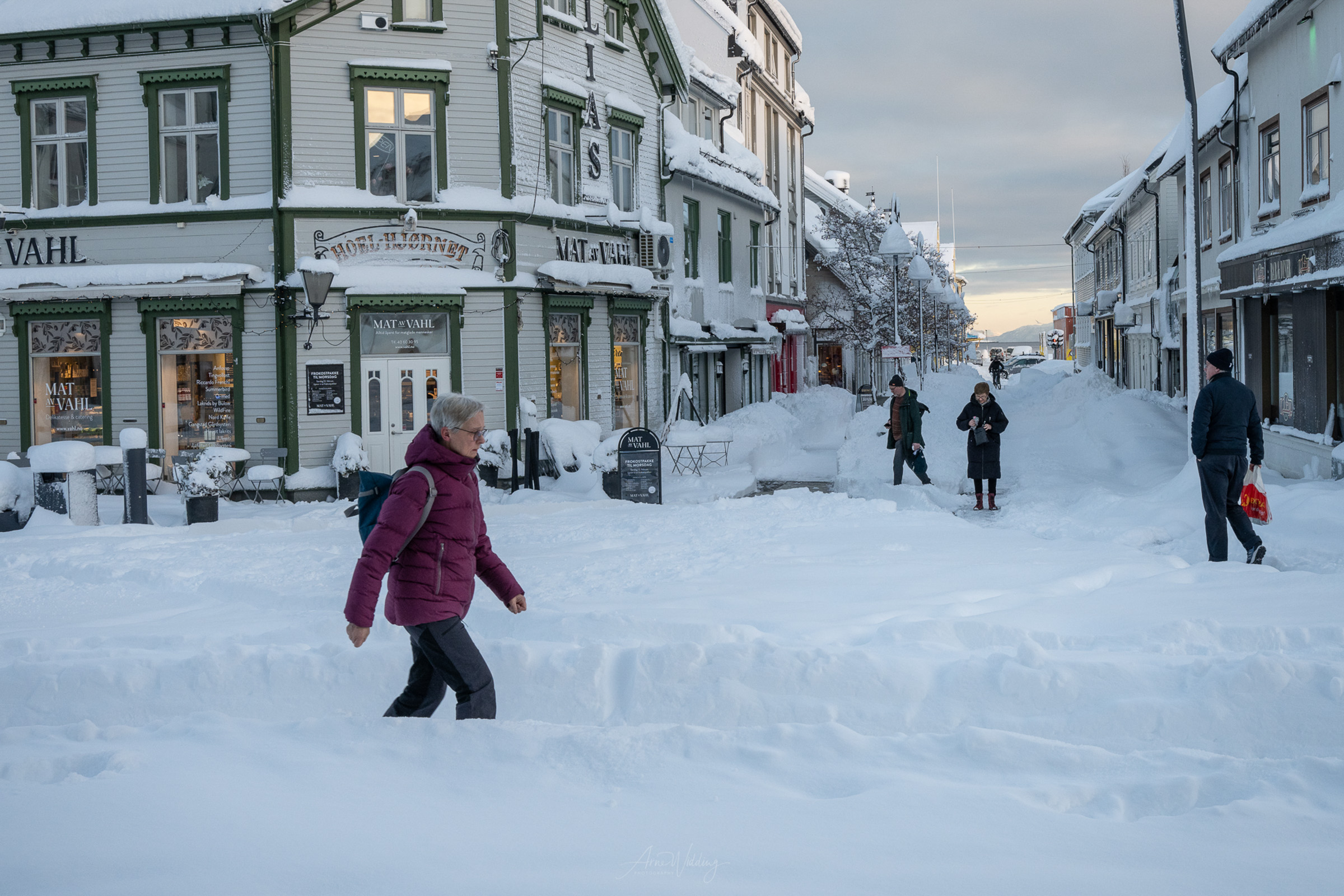
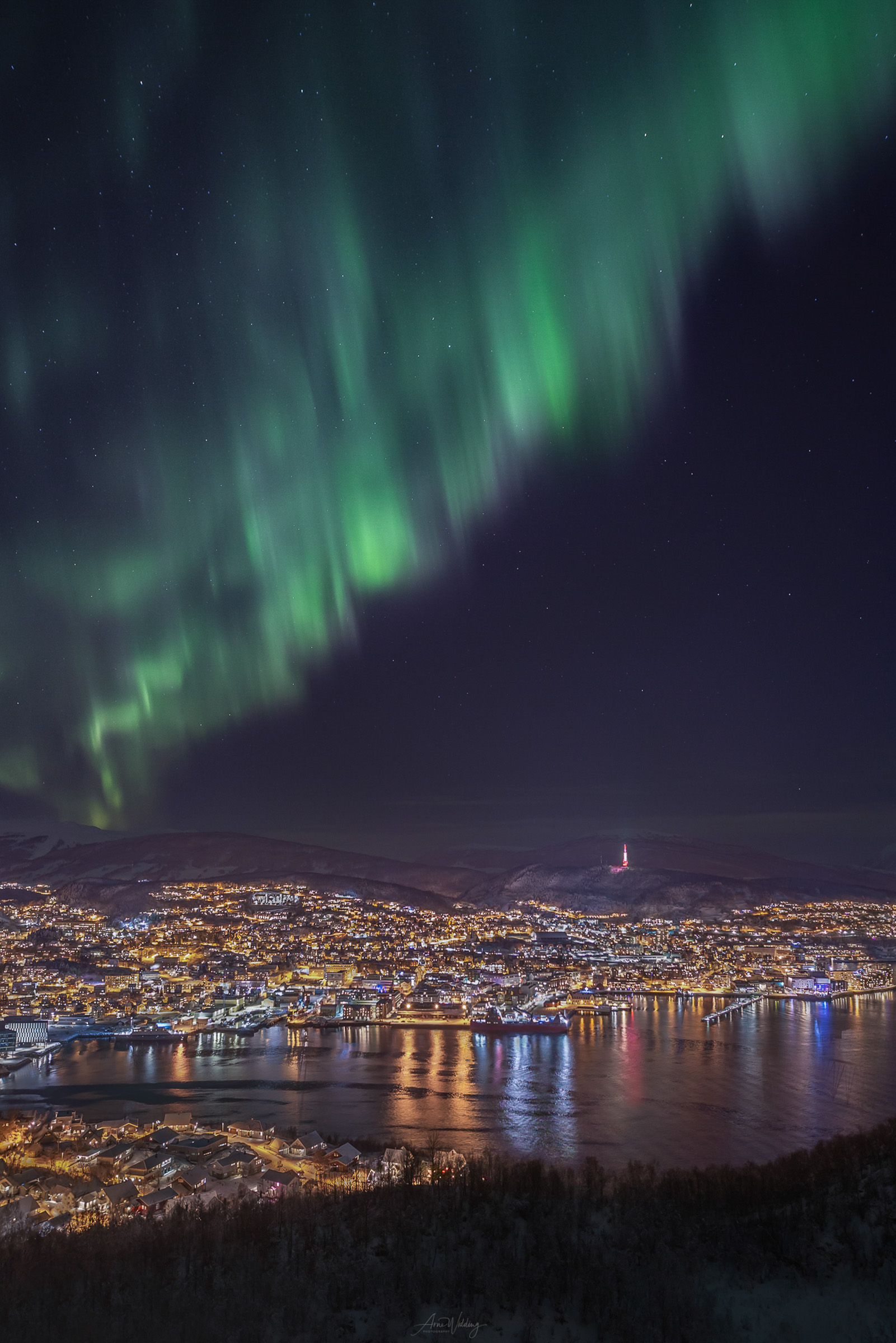

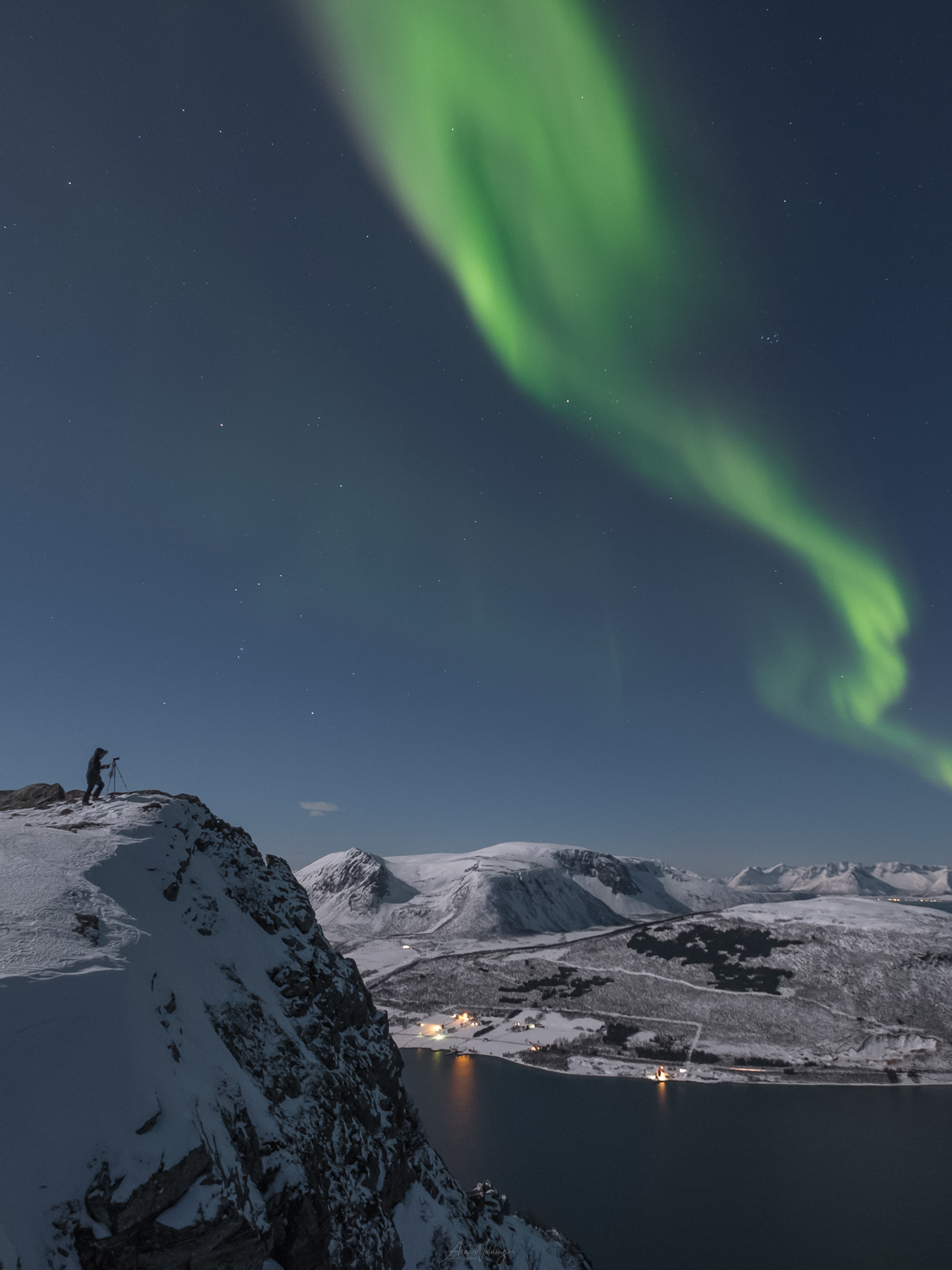
The city of Harstad is reached fast and comfortably
The express boat Tromsø – Harstad is a very reliable and comfortable way of travelling. It departs 2 to 4 times a day and takes about 3 hours, stopping in Finnsnes and a couple of other ports on the way. There is a simple cafeteria onboard, and most of the sailing goes through sheltered waters. The same distance by car would take you around 4.5-5 hours – doing a long detour inland. Book ahead – and have a guaranteed seat.
Go beyond the Lyngen Alps by bus or boat
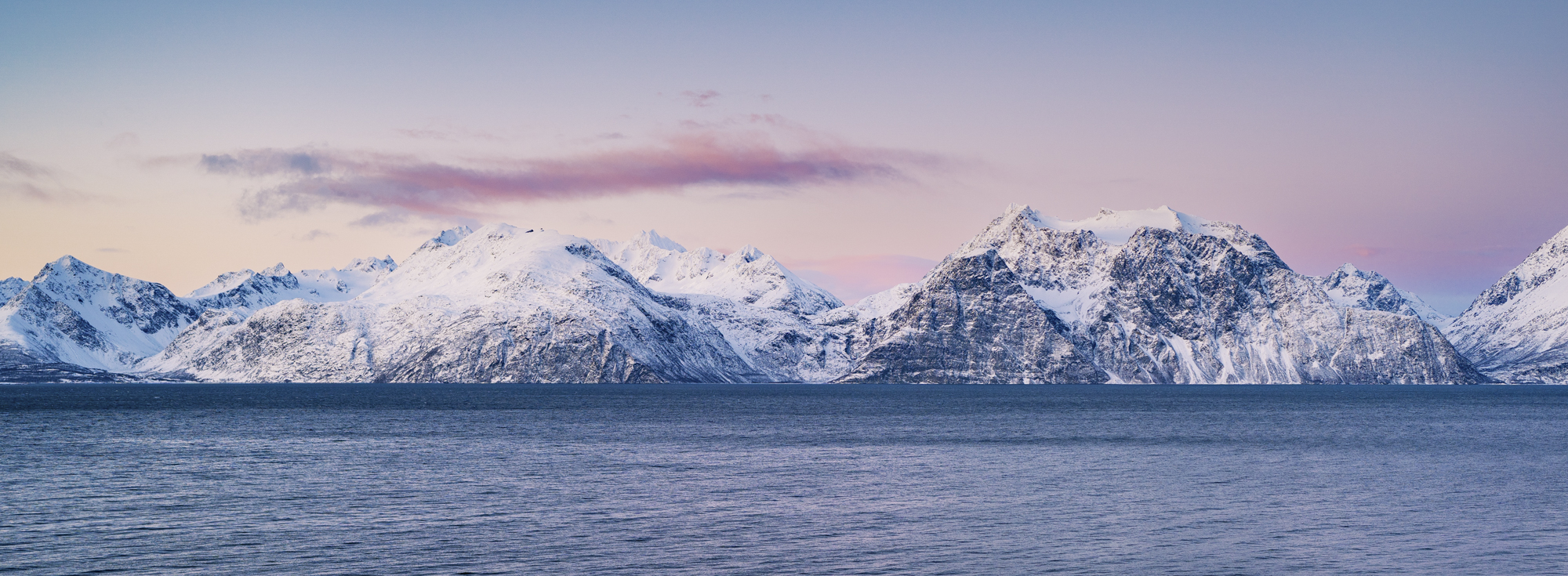
The very scenic Lyngenfjord area, sporting great Northern Lights chances, is the place for relaxed stays in comfortable accommodation. The various villages and settlements are connected with Tromsø in different ways; bus or express boat.
The whales in Skjervøy:
In the darkest winter months, the waters off Skjervøy are full of whales. If you want to go to Skjervøy and spend the night there, there are several options.
A: In the whale season, Arctic Route operates a service directly from Tromsø to Skjervøy, and you can get there and back in the same day.
B: The legendary Hurtigruten sails every evening from Tromsø, arriving in Skjervøy late at night. You can dine on board and maybe see the Northern Lights from the ship. Hurtigruten and Havila share the operation.
C: There is an expressboat most days of the week, stopping at various points. It is quicker and cheaper than the Hurtigruten – and a good and comfortable alternative.
D: Bus 150/155 from Tromsø to Skjervøy takes around 4 hours, with one bus change.
Bus 150 takes you through the Lyngen Alps:
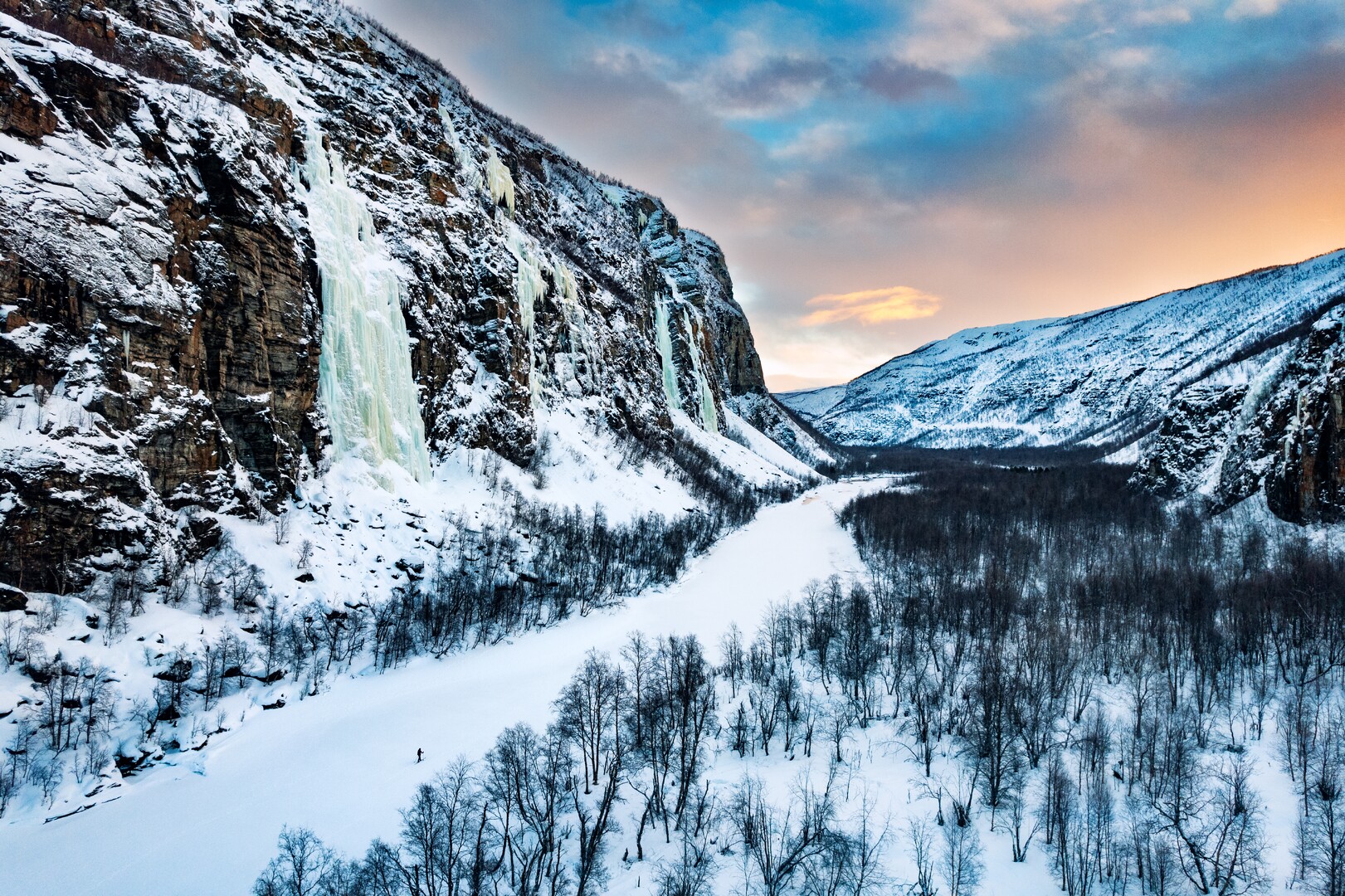
The bus line Tromsø-Alta involves two very scenic fjord crossings and passes through the Lyngen Alps on the way. If you have booked accommodation in Svensby, Lyngseidet, Olderdalen, Spåkenes, Sørkjosen and Storslett, this is your bus. Onwards connections by bus take you to Nord-Lenangen (150) and Skjervøy (465). Buses go at least once a day.
Bus 160 takes you deep inland along majestic fjords:
No less scenic is the bus ride taking you from Tromsø to Nordkjosbotn and then on to Oteren, Skibotn, Manndalen, Birtavarre, Olderdalen, Spåkenes and Sørkjøsen. Among others. It runs once a day, except Saturdays.


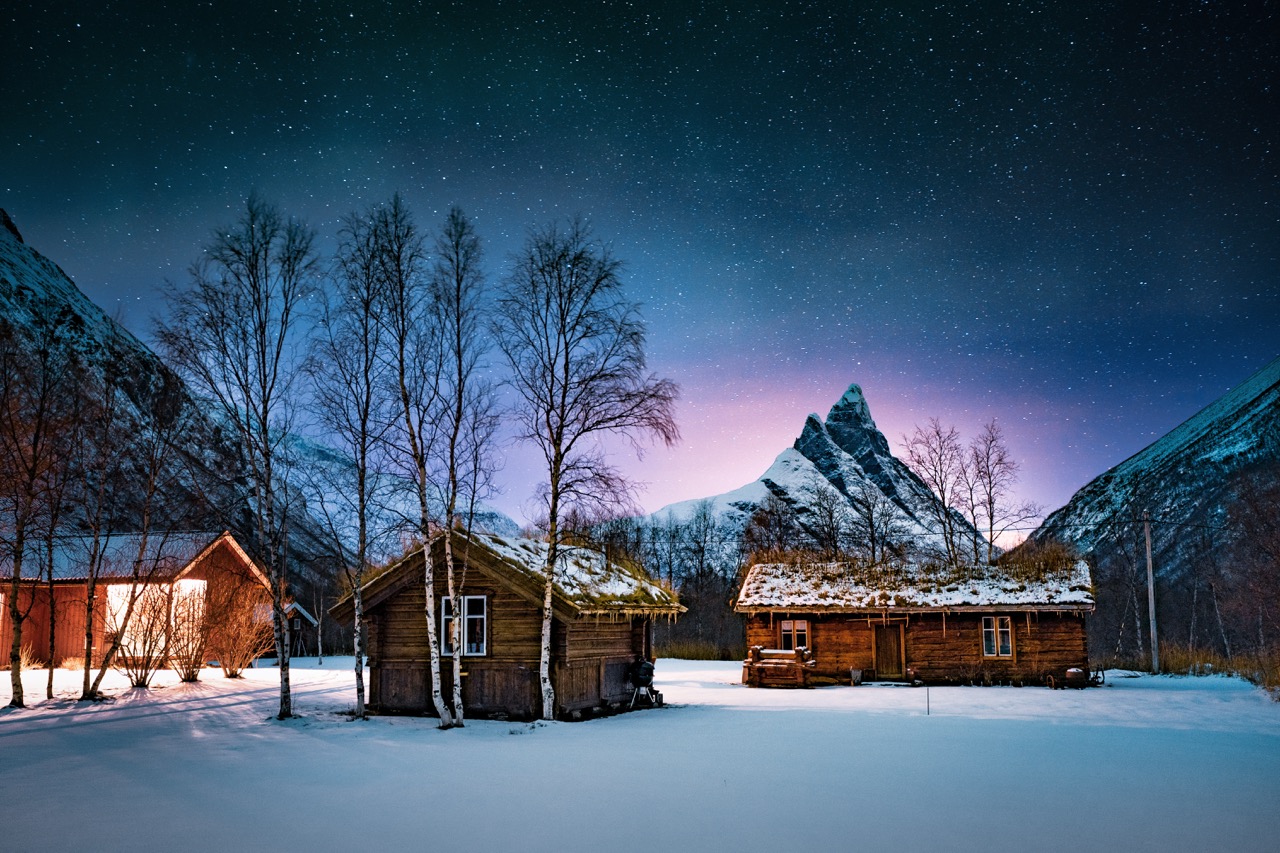
ADVENTURES FURTHER AWAY
Going further afield takes some planning – but it can easily be done by public transport.
To the Lofoten islands by land, sea and air
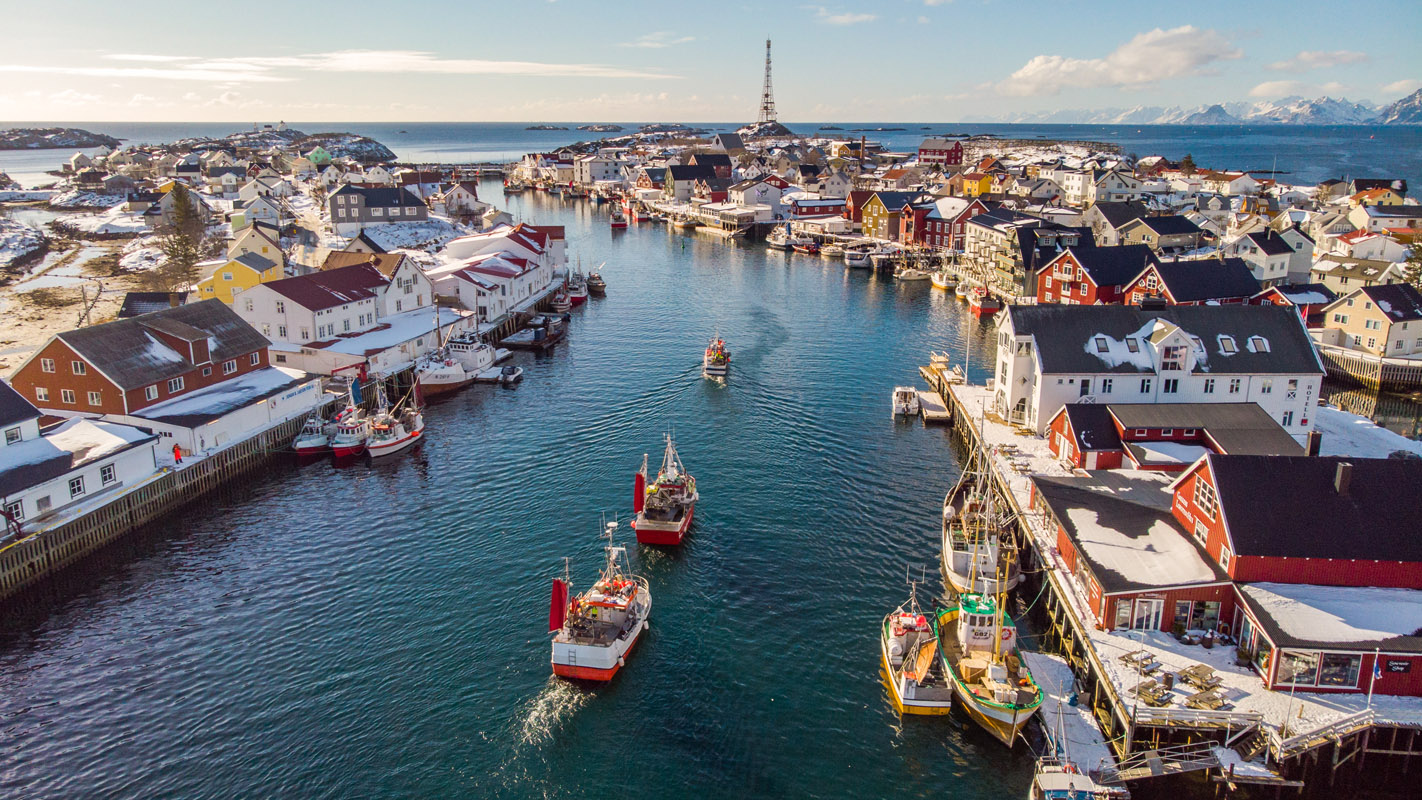
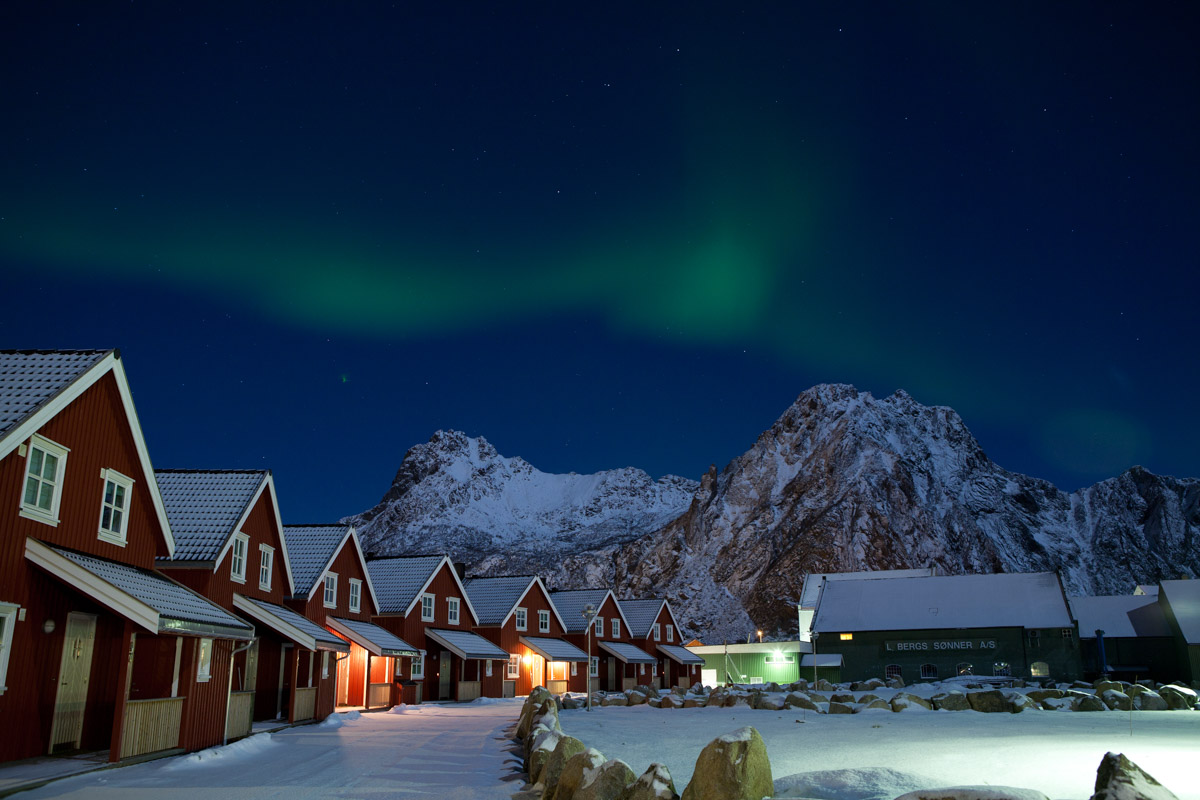
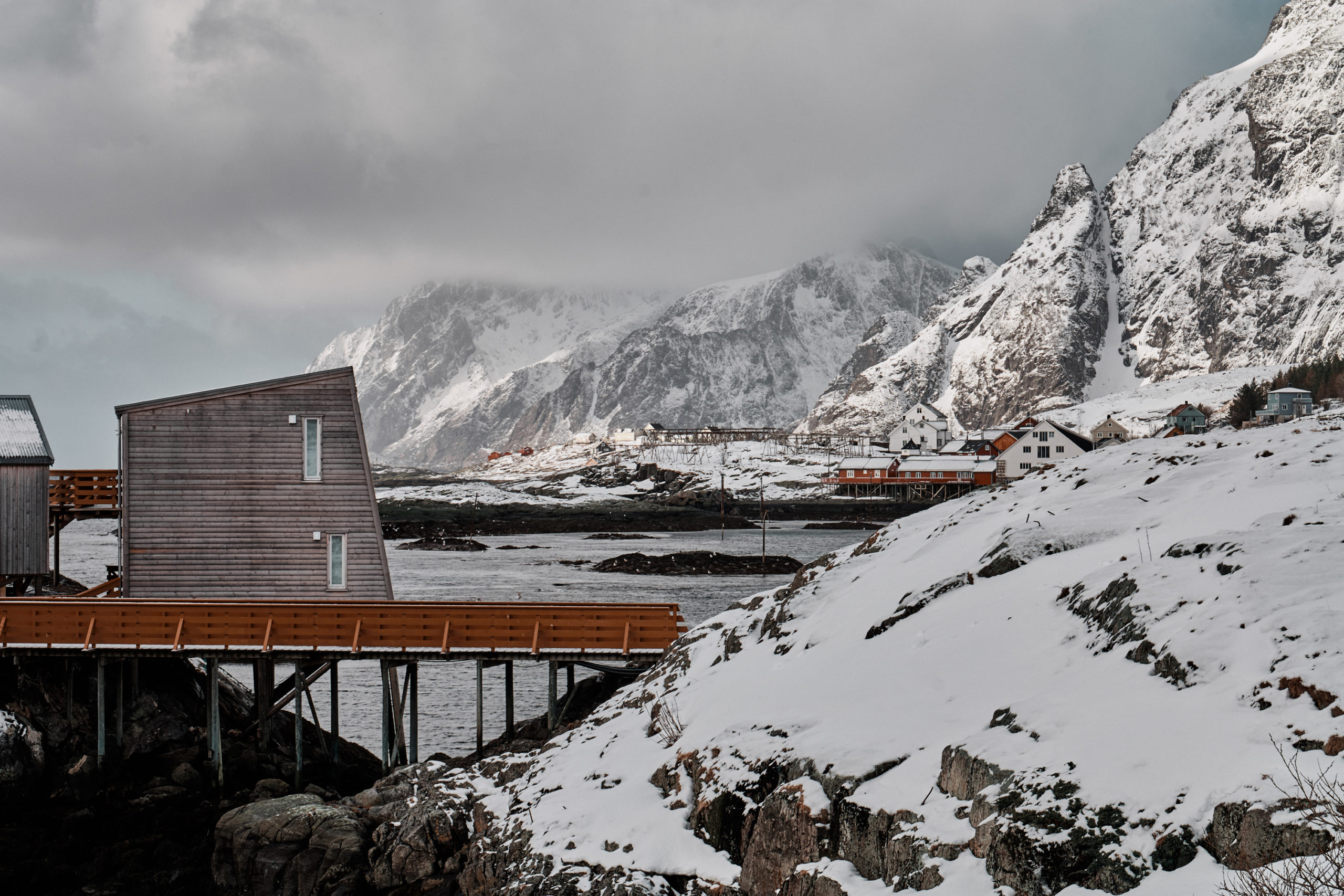
The legendary islands of Lofoten are not exactly around the corner and should be carefully planned in from home. The drive there by car is long on winter roads in the dark. The public transport options are all scenic, safe and lovely.
There are five realistic ways to reach Lofoten without driving all the way yourself.
A: Sail in style along the coast:
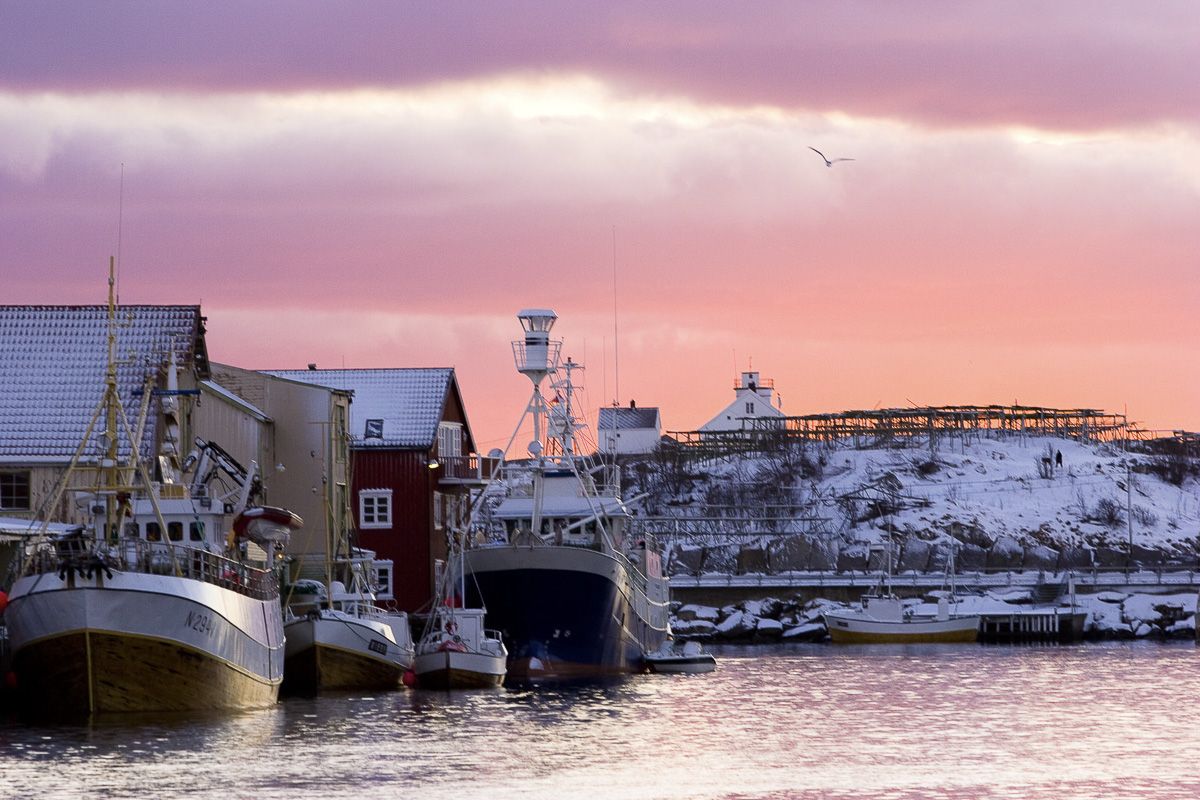
The Hurtigruten, these days a shared operation between the companies Hurtigruten and Havila Kystruten, sails every day past midnight from Tromsø to Svolvær/Lofoten, taking around 17 hours. Get a cabin, have a buffet lunch and walk around the blue city of Sortland when in port. However, you should definitely prebook this voyage as part of your holiday planning-
B: The Catamaran/Bus combo is fast and comfy:
A very time-efficient, beautiful and comfortable way of reaching Svolvær/Lofoten is to take the express boat in the morning (usually at 7) from Tromsø to Harstad, then go on a local bus from Harstad to the bridge of Tjeldsundbrua. From here, there is an express bus coming from Narvik, going to Svolvær, and then on to the whole archipelago, with Å as its ending point. This combo works Monday to Friday. Use Svipper to find the exact hours.
C: Bus all the way
A very reliable, albeit long, alternative, is to go by bus all the way. It can be done every day of the week and takes 8 to 10 hours. Consider the 10-hour tour, as it allows you to taste the “Bjerkviking” – a legendary burger at Bjerkvik during a welcome break. Again, Svipper has the exact hours.
D: Fly to Lofoten
A good time saver is the plane. Lofoten has two airports, Leknes (LKN) and Svolvær (SVJ), and you book directly with the airline Widerøe, flying smaller, comfortable propeller machines. It is a very good idea to plan well ahead, as there is a demand for the seats. Why not go overland or by sea one way, and do it the easy way the other?
E: Rent a car in Lofoten
If you want to avoid the long drive from Tromsø to Lofoten on slippery roads in winter darkness, but still want to have the flexibility of a rental car when exploring the islands – rent the car for a day or three in Lofoten. This saves you a lot of kilometres on winter roads. Then you get to Lofoten by the means listed above.
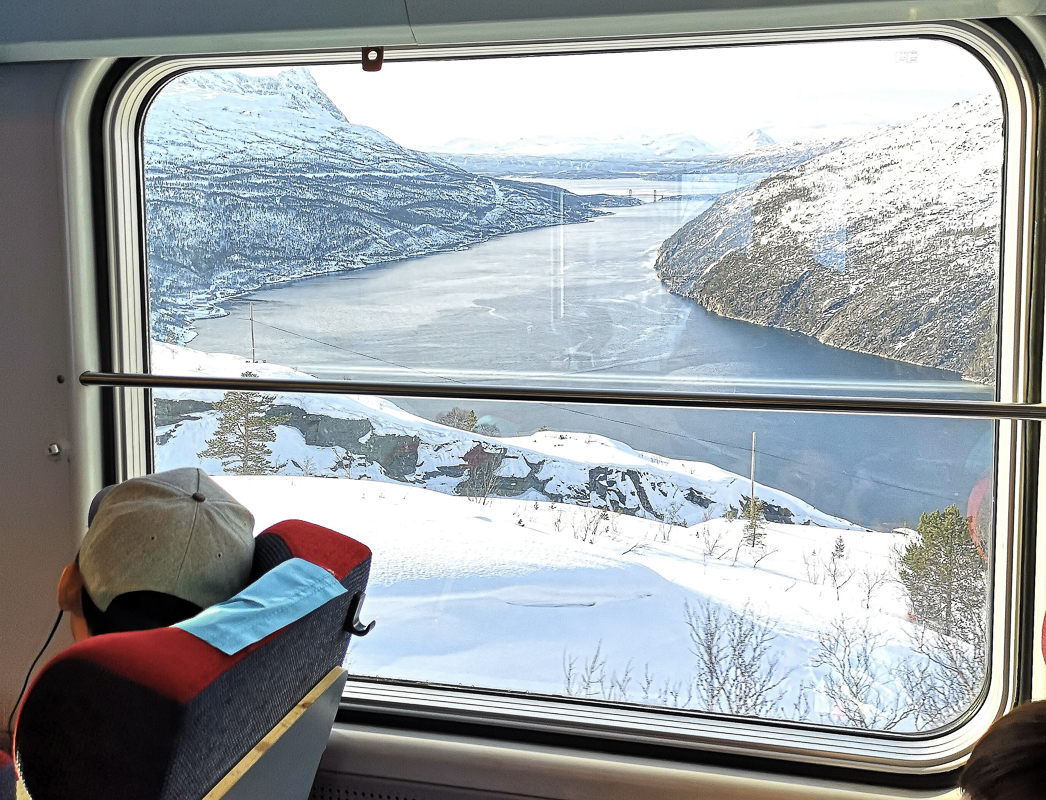
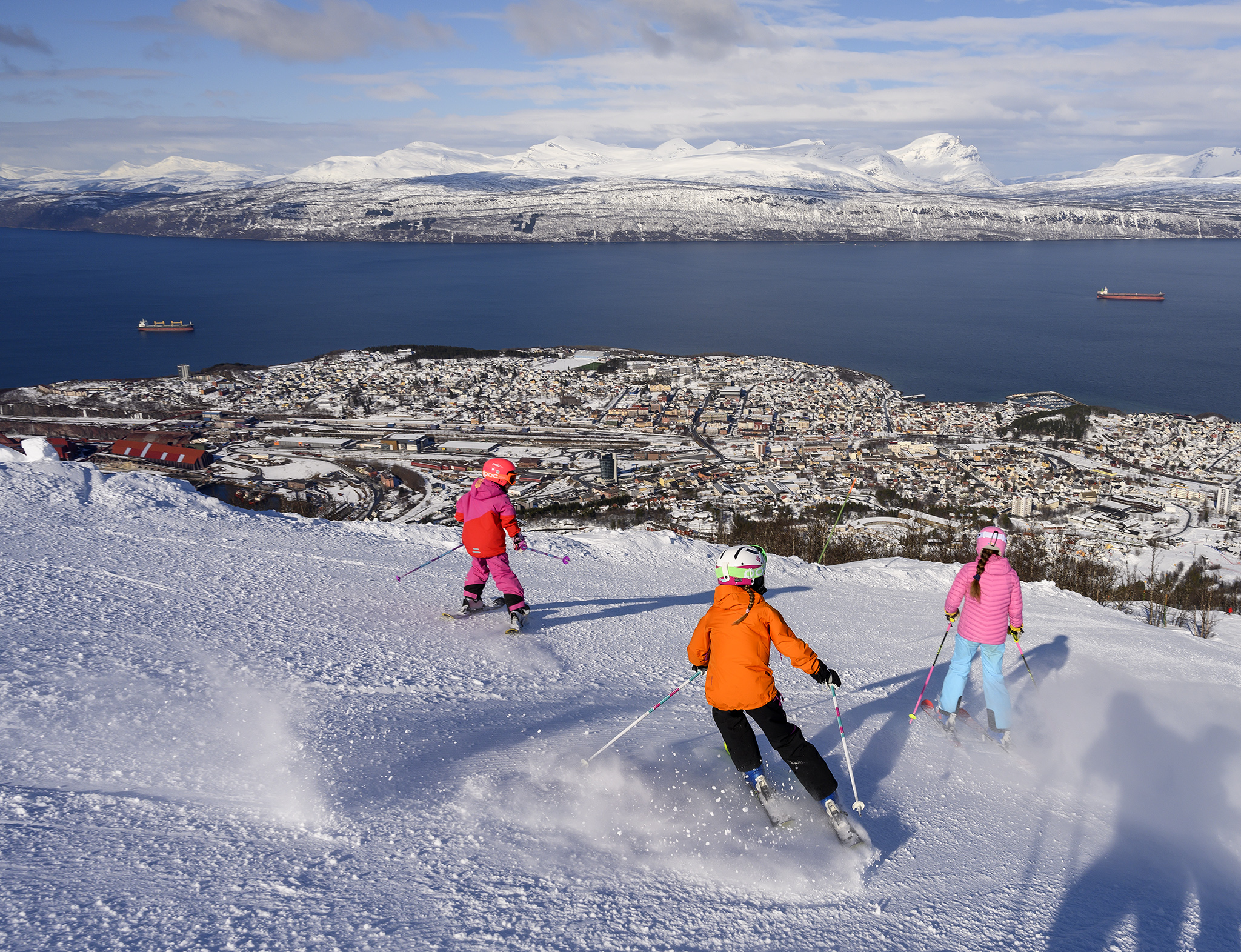
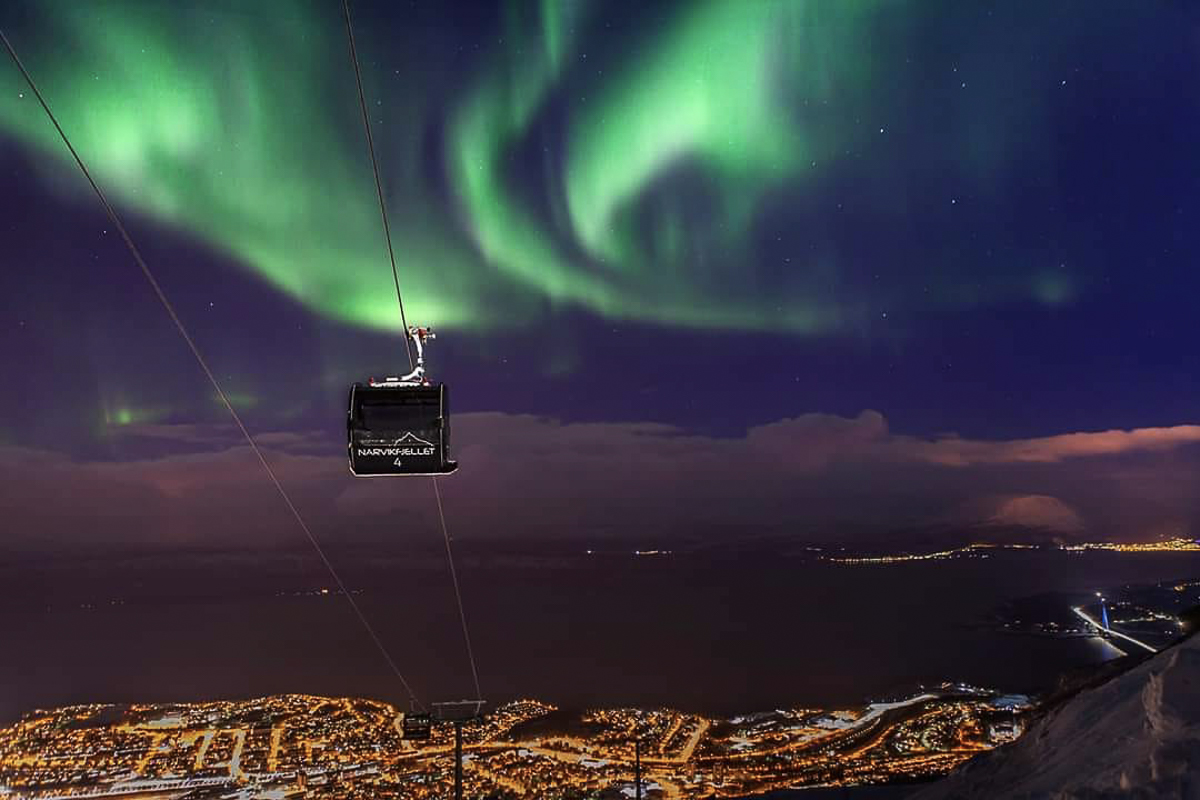

Narvik is the gateway to Arctic Sweden
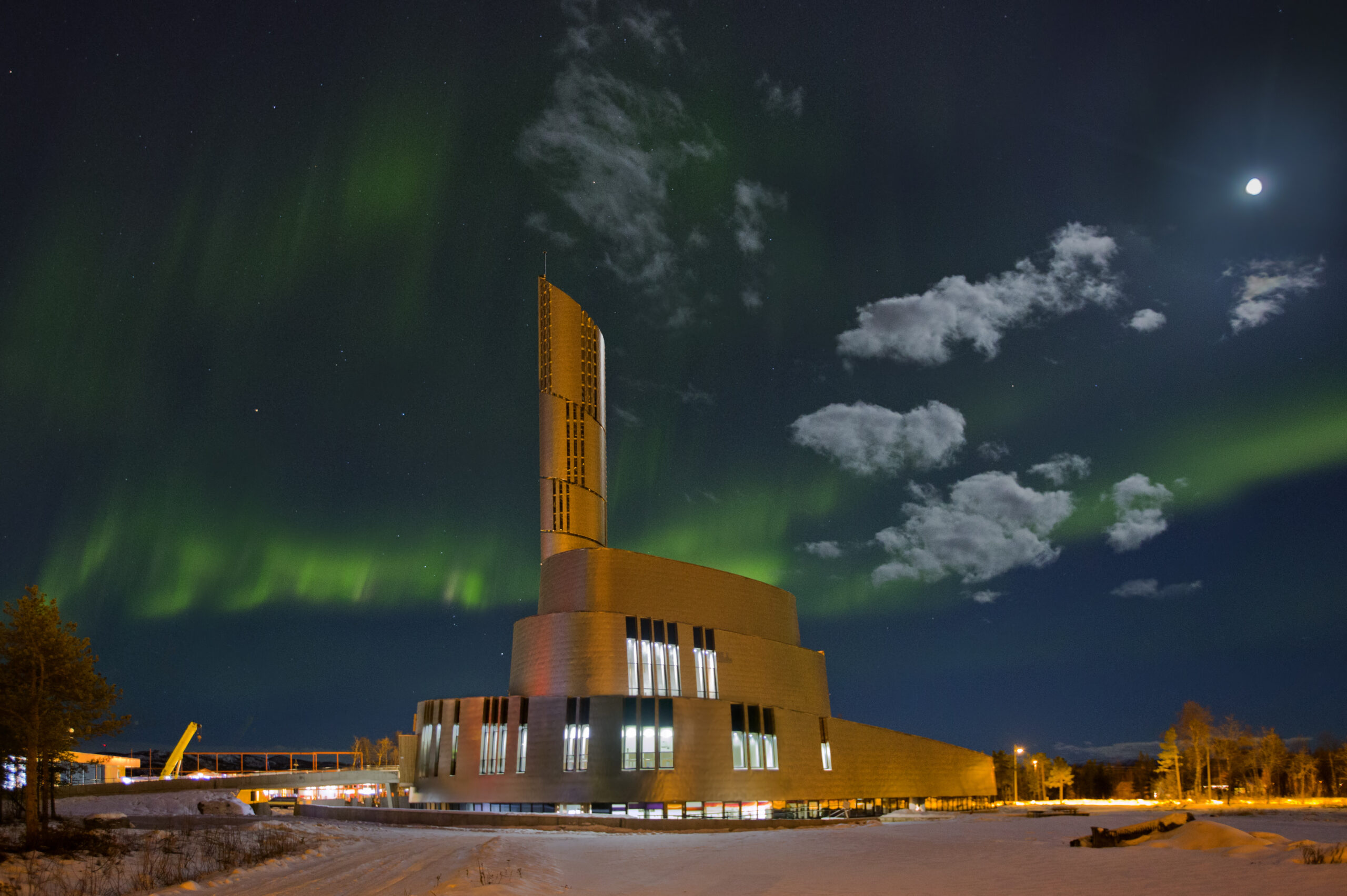
Wintry, dramatic Narvik is easily reached by bus 100 in 4 hours. Alternatively, Arctic Route operates a service between Tromsø and Narvik, stopping at hotels and resorts like Trollbakken, Bardufoss Hotel, Lapphaugen and Gratangen – as well as the safari park Polar Park.

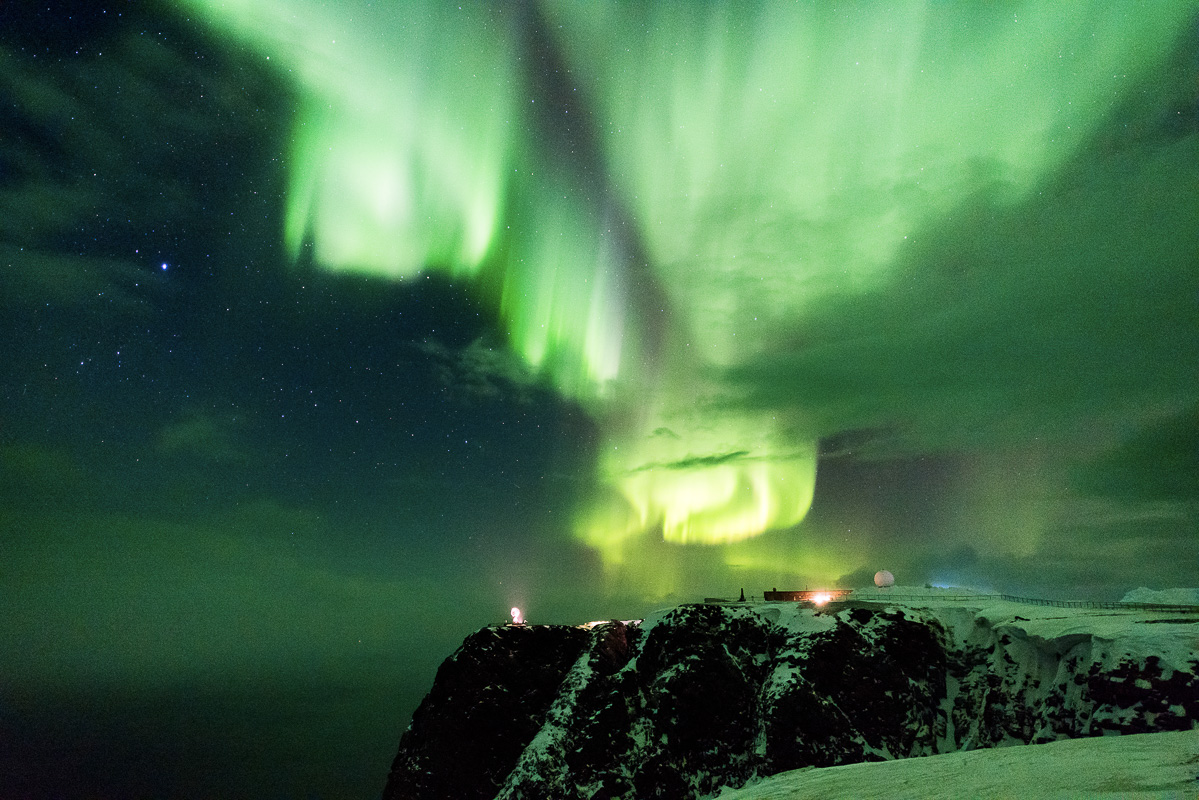
Alta, Hammerfest and the North Cape
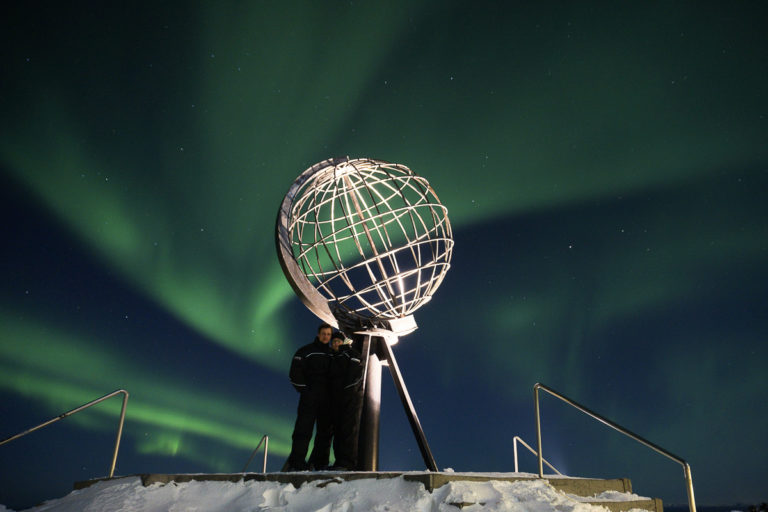
Are you serious about getting as far north as possible? Alta, Hammerfest and the North Cape form an attractive triangle of activities, attractions and the feel of the “end of the world”. Going here requires a bit of planning, and a bit of flexibility because of the weather. But if done by public transport, it’s a completely safe adventure.
Alta: Alta, known for its UNESCO-listed rock carvings and excellent winter activities, is 380 km (or 290 km + two ferry crossings) east of Tromsø.
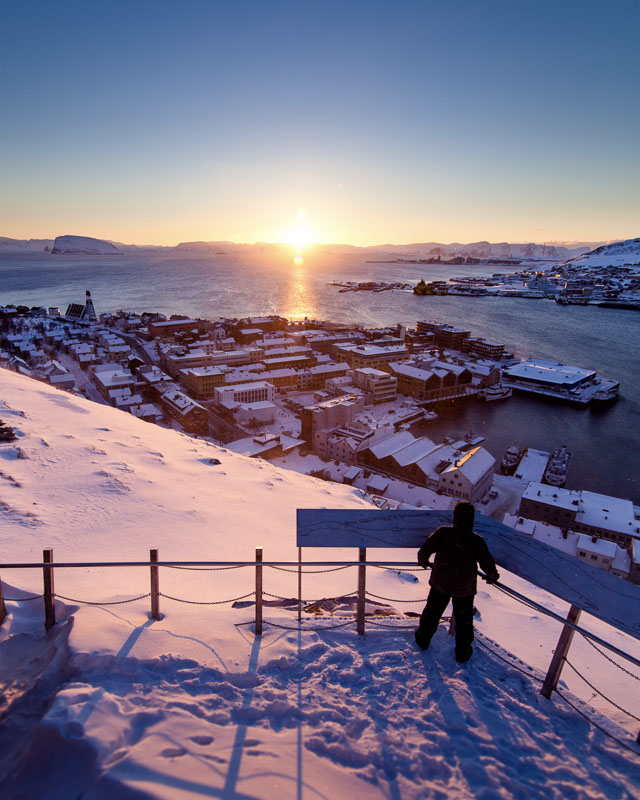
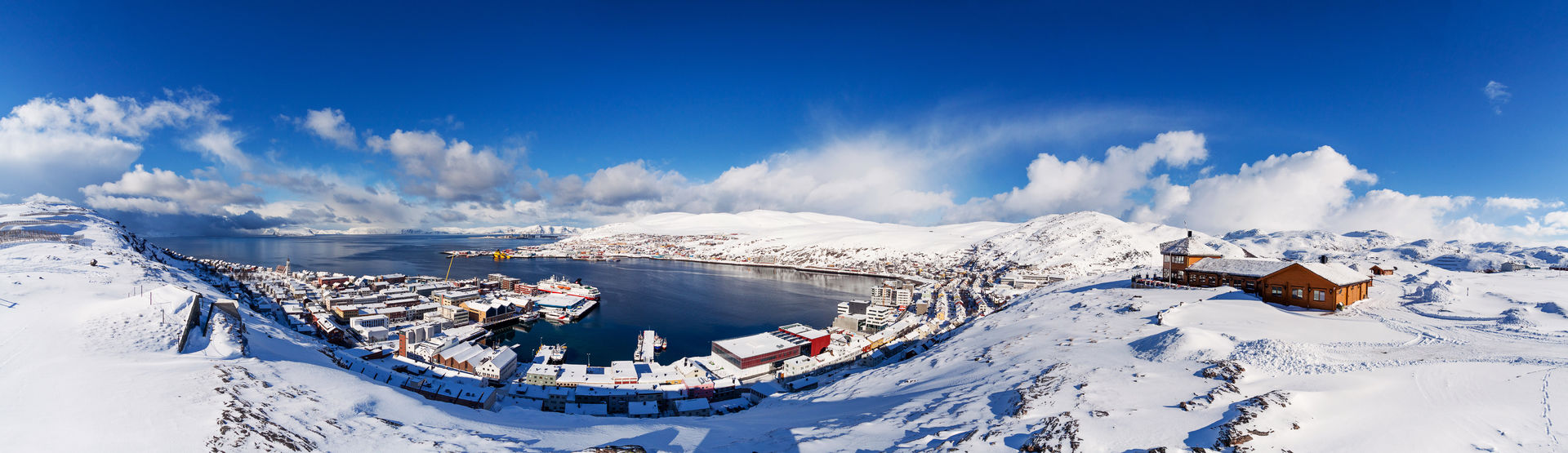
Hammerfest: The world’s northernmost city is atmospheric and scenic, a 140 km away from Alta.
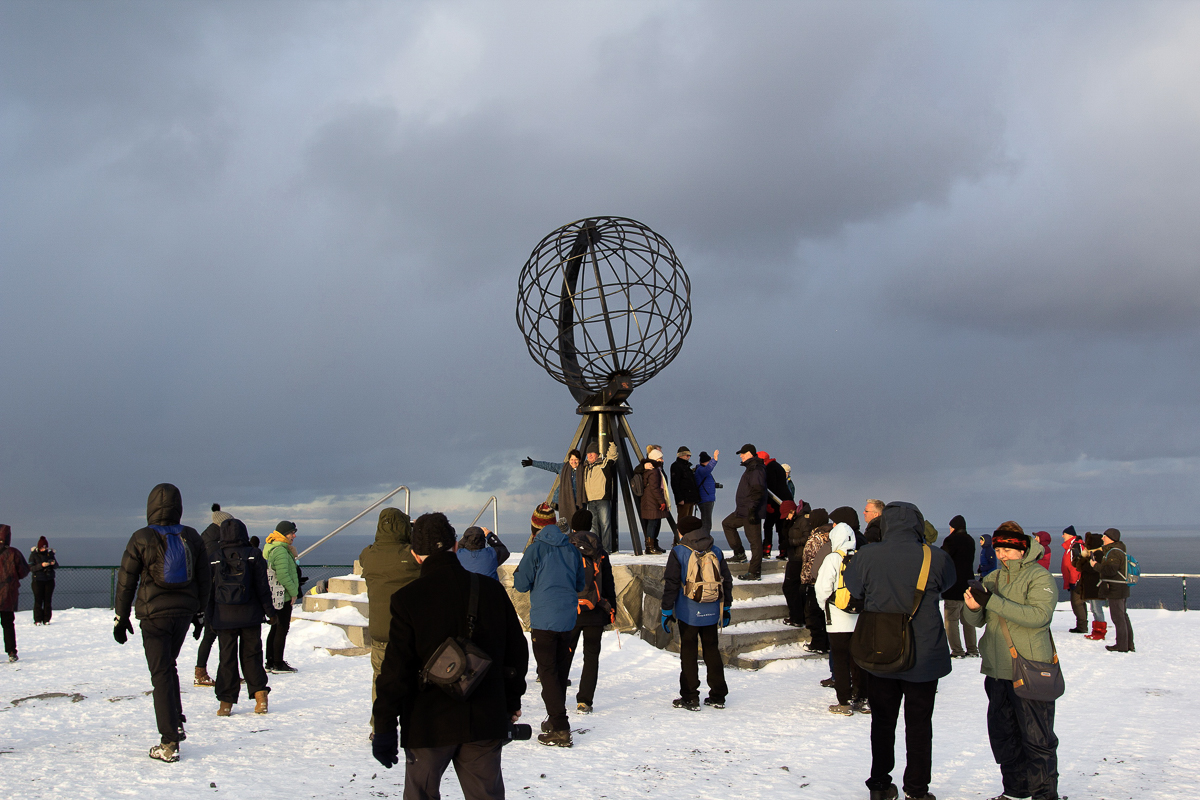
Honningsvåg and the North Cape: A bus following the snowplough goes to the very end of Europe. Honningsvåg is half an hour away from the Cape, and is a picturesque fishing town.
There are three ways of going from Tromsø to the Alta/Hammerfest/North Cape area:
A: Overnight Hurtigruten: The legendary shipping line sails overnight from Tromsø to Hammerfest (early morning) and Honningsvåg (towards noon) – and returns as a daytime sailing (departure early morning from Honningsvåg – past noon from Hammerfest, arriving at midnight in Tromsø). Two companies – Hurtigruten and Havila – share the route.
B: Fly north: The white and green little planes of Widerøe fly to all three locations. Book early to get a good price
C: The bus north: Bus 150 leaves Tromsø for Alta daily, it takes around 6 hours and includes two ferry crossings.

Buses and boats in the area: Once in the Alta/Hammerfest/North Cape area, you can travel easily by public transport. There are buses between Alta, Hammerfest and Honningsvåg a couple of times a day. There is also an express boat between Alta and Hammerfest.
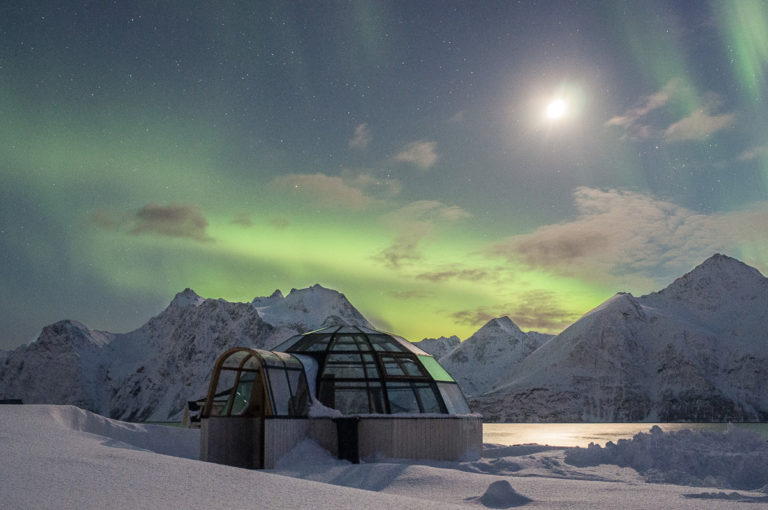
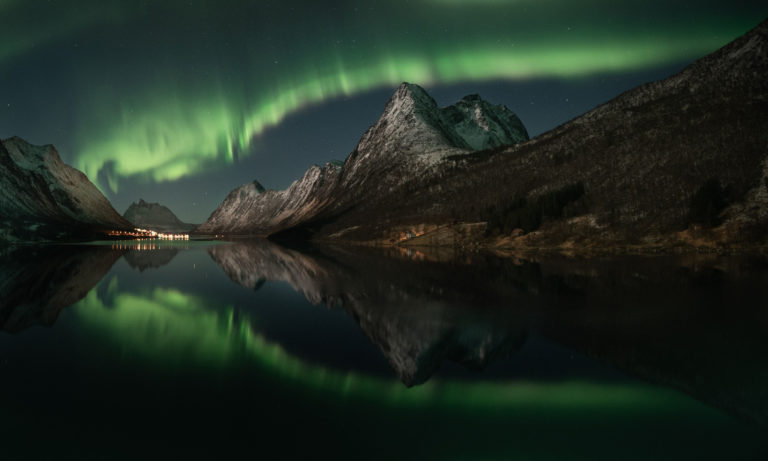

Border crossing experiences
True wanderers think beyond borders. In Arctic Europe, Sweden and Finland are easily reached – and each brings a distinct character.
The classical train from Narvik to Sweden
Two daily train departures leave Narvik for Sweden, stopping in Abisko and Kiruna. From here, you can continue by to destinations such as the Jukkasjärvi Icehotel.
Drive overnight to Santa’s home in Finland
If you have been good, a visit to Santa in Rovaniemi might be in place. Crossing the border is done with the private bus line Arctic Route, stopping notably in the border village of Kilpisjärvi and the Levi skiing area.
Can I trust public transport in Arctic Norway?
Public transport in the north is usually very reliable, and there are very few cancellations or delays. Usually, if you have a bus change, the connecting bus waits for the incoming bus.
Cancellations and delays are usually caused by bad weather. Then it is usually not a good idea to be driving in a rental car either.
- Allow plenty of time between overland transport in Northern Norway and your arrival in Tromsø when finishing your trip and catching a flight home. Local transport companies do not compensate for missed flights caused by bus or boat delays or cancellations.
- There is usually plenty of room on buses and boats. On the express boat, you can now prebook a seat. The major bus lines provide a second bus if the bus is full – albeit sometimes with a little delay.
How do you buy tickets?
Public transport:
Public transport can be booked online, and it can be practical to download some apps.
- EnTur is the National App for public transport. Use it all over the country – highly recommended.
- The Svipper app: Troms County sells tickets via the app called Svipper, attached to a bank or credit card. If you download the app, you can pay bus tickets in the city of Tromsø as well as long-distance buses and express boats, also those extending into neighbouring counties.
- If your trip is entirely within the county of Nordland, you can use their app Reis Nordland. Lofoten and Narvik, notably, are in Nordland.
- If your trip is entirely within Finnmark, you can use the app Snelandia. Alta, the North Cape and Hammerfest are located in Finnmark.
Arctic route:
The private company Arctic Route operates bus lines within Northern Norway and cross-border to Finland.
Hurtigruten:
The two companies operating the Coastal Route – known historically as Hurtigruten – are Hurtigruten and Havila, depending on the day. For day sailings, you can buy the ticket on board there and then. Night sailings (Tromsø-Lofoten, Tromsø-Hammerfest/North Cape) should be pre-booked on their websites.
Widerøe:
The airline Widerøe’s website allows you to book directly. If you book early, you have access to reduced prices.



Good to know about public transport in Arctic Norway
Yes. Buses and express boats are generally very reliable, even in winter. Delays are rare, and if a connection is slightly late, the next bus often waits – within reason. In extreme weather, services may be cancelled, but in those conditions driving yourself is usually not advisable either.
Absolutely. Professional drivers and crews are used to Arctic conditions. Roads are maintained and ferries operate year-round. For visitors unfamiliar with icy roads and winter darkness, public transport is often the safer choice.
For most buses, you can buy tickets on the day of travel via apps such as EnTur or Svipper. Express boats now offer seat reservations, which is recommended in peak season. Overnight sailings with Hurtigruten or Havila should always be pre-booked.
Yes. Senja, Lyngenfjord, Sommarøy, Harstad and even Skjervøy are reachable by a combination of bus and express boat. Some accommodations also offer coordinated transfers from Tromsø.
Yes. You can travel by coastal ship, express boat and bus combinations, long-distance bus, or plane. Many travellers choose to go one way by sea or land and return by air.
You should always allow generous time between long-distance bus or boat travel and your departure flight from Tromsø. Local transport operators do not compensate for missed flights due to weather-related delays.
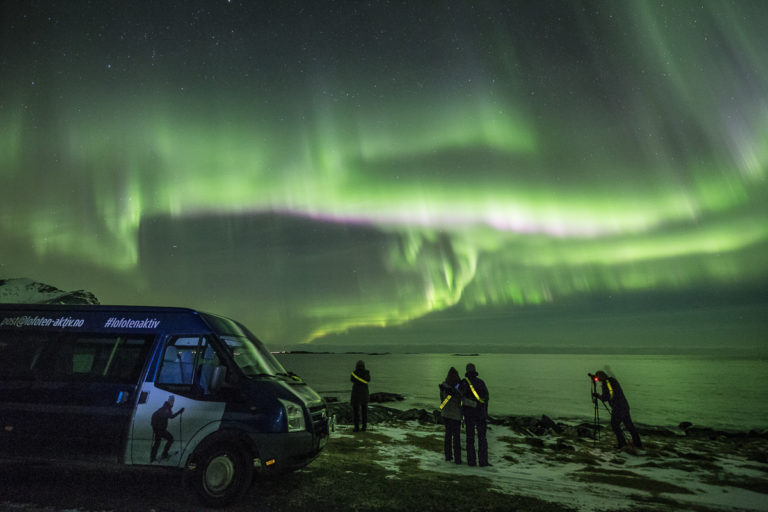
Yes. Many routes run through areas with excellent Northern Lights conditions, especially in Lyngenfjord and on the coastal sailings. On clear nights, you may see the aurora from the bus window or the deck of a ship.
Express boats and coastal ships usually have simple cafeterias and toilets onboard. Long-distance buses typically have toilet facilities, but not always catering – bring water and snacks for longer journeys.
Yes. Narvik has daily train connections to Abisko and Kiruna in Sweden. Private bus services connect Tromsø with northern Finland, including Kilpisjärvi and Rovaniemi.
Often yes – especially if you are travelling alone or as a couple. You also avoid fuel costs, parking fees and the stress of winter driving.