This is Arctic Summer
Imagine a place where the sun doesn’t set..
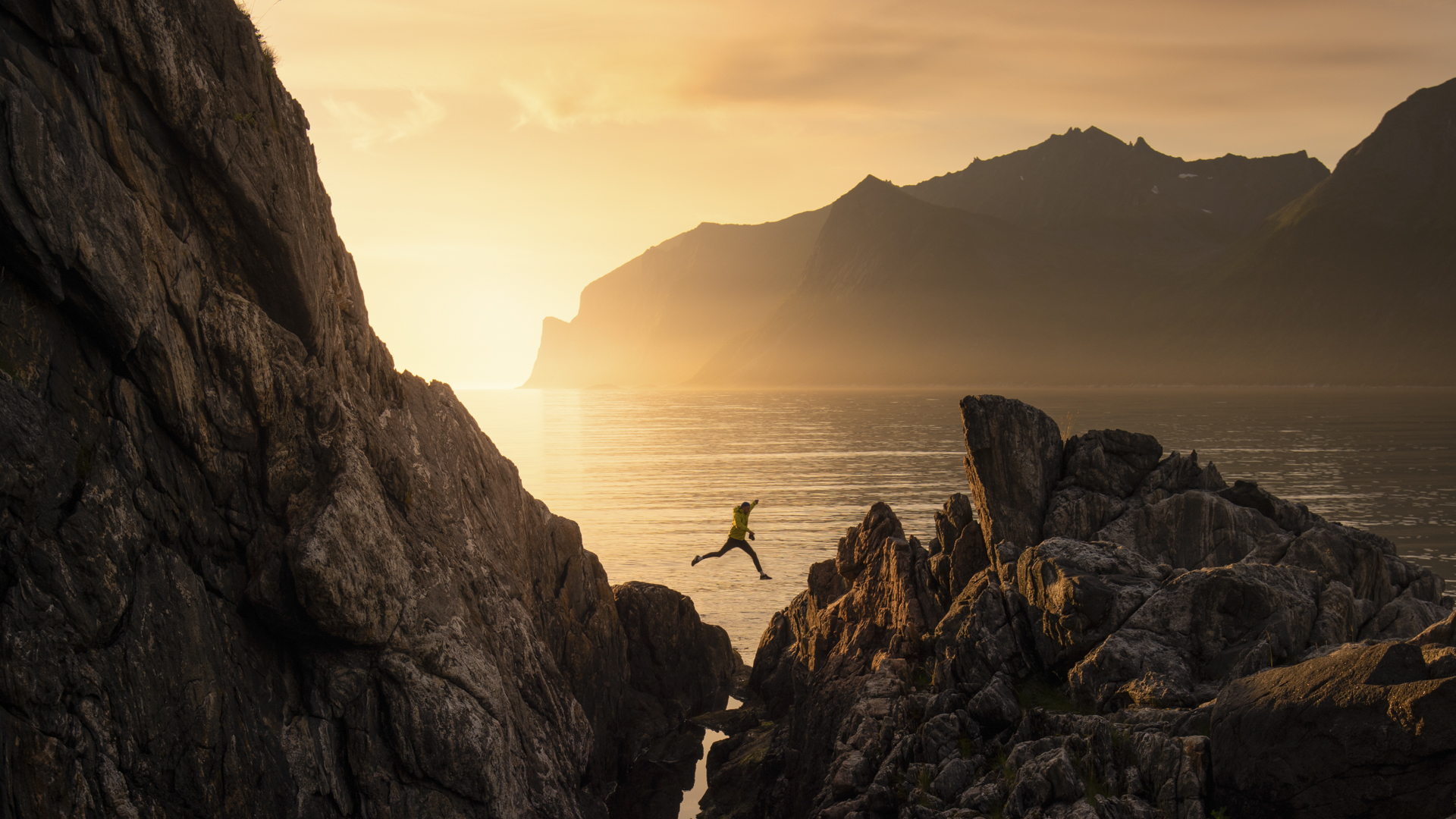
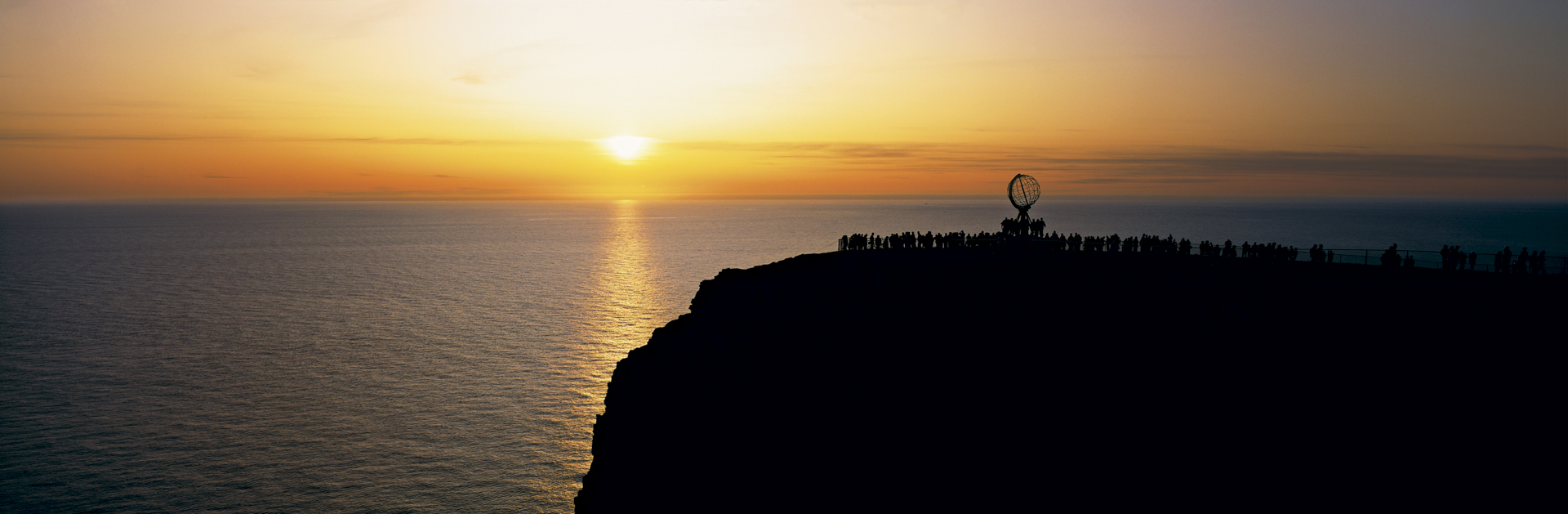
The land of the Midnight Sun
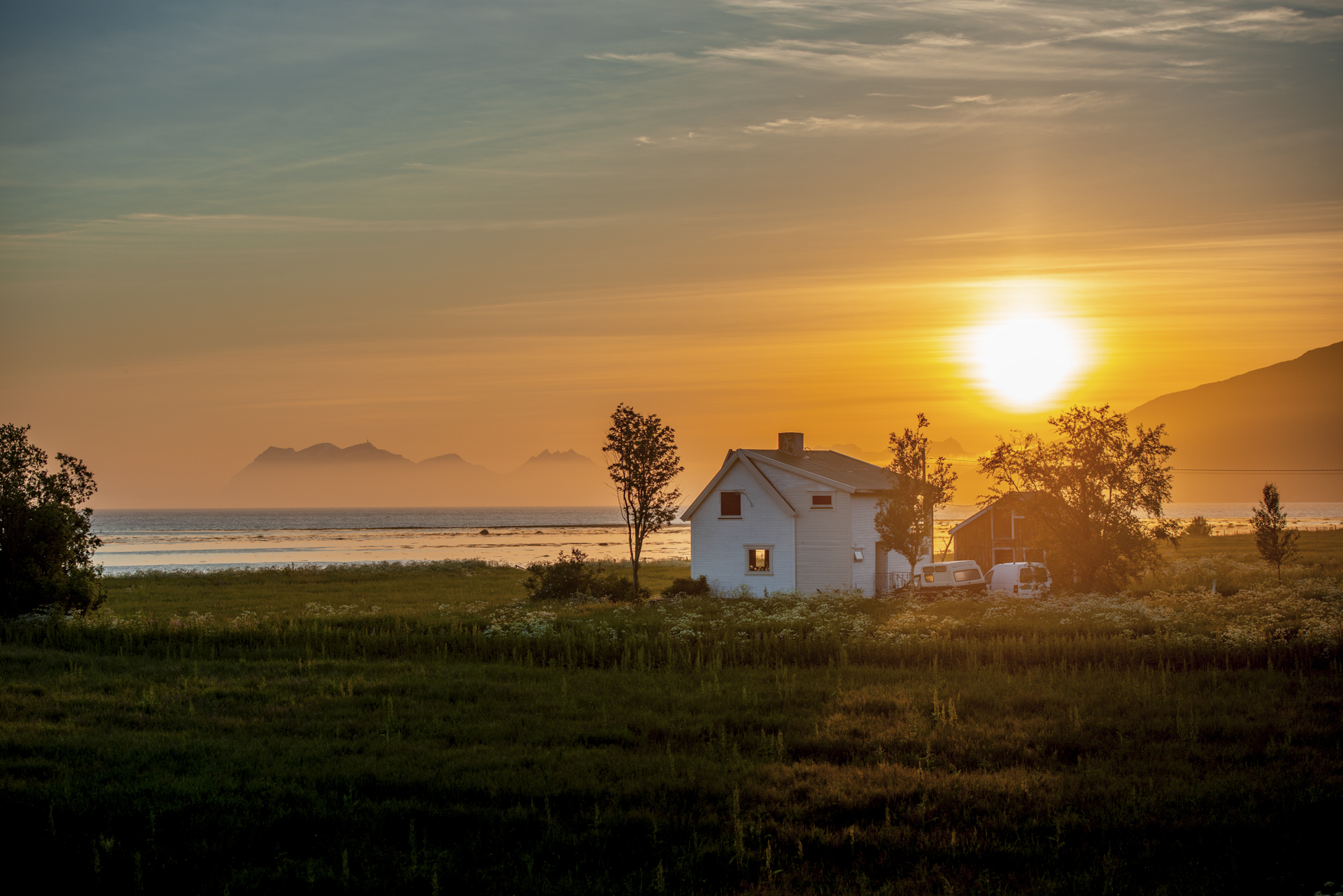
In Arctic Norway, summer is not defined by high temperatures. It is defined by light.
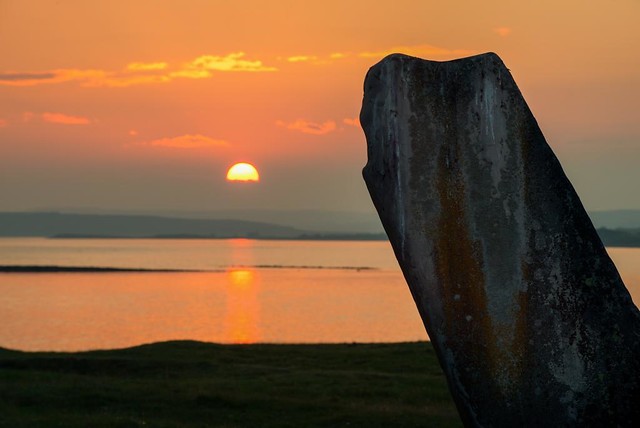
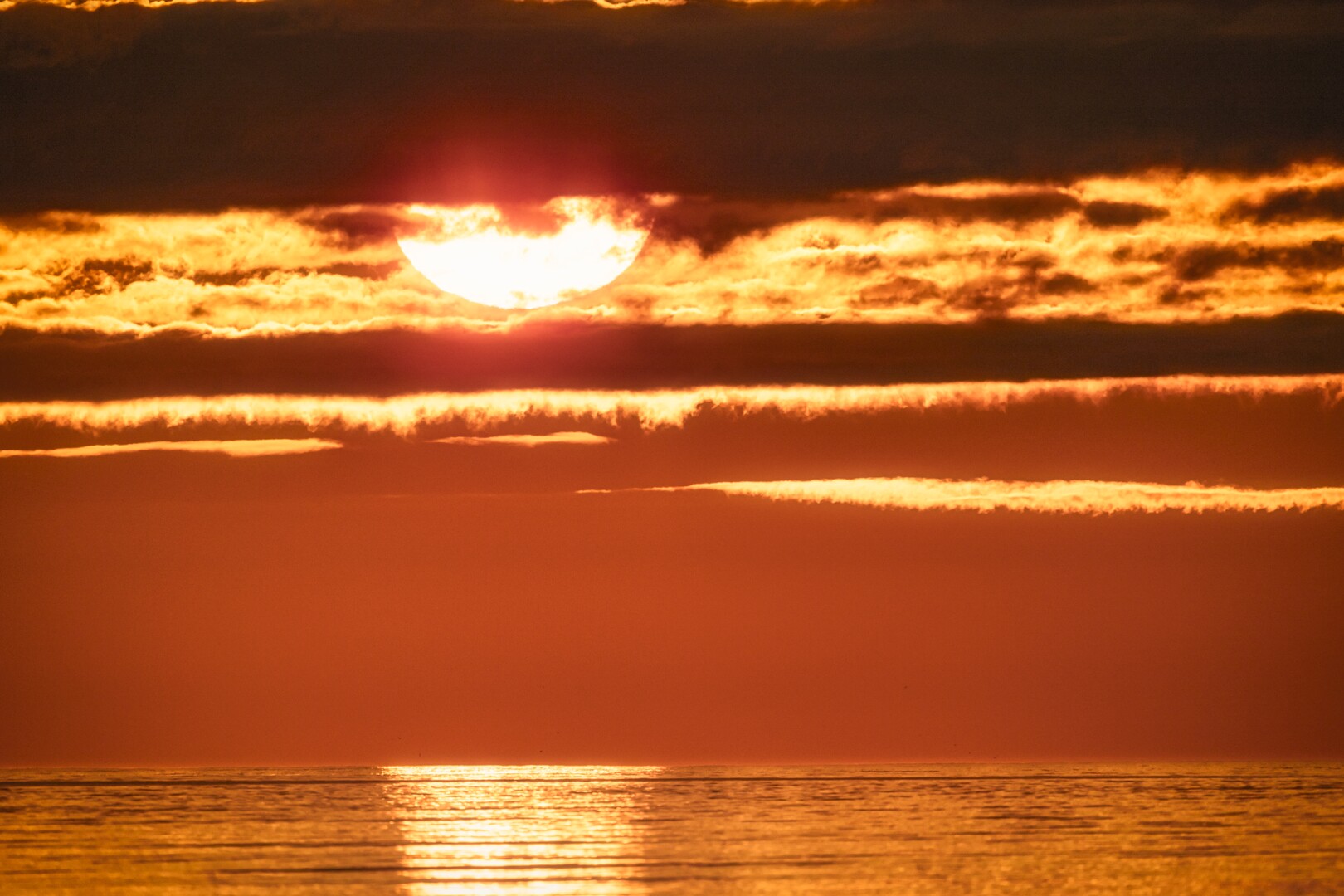
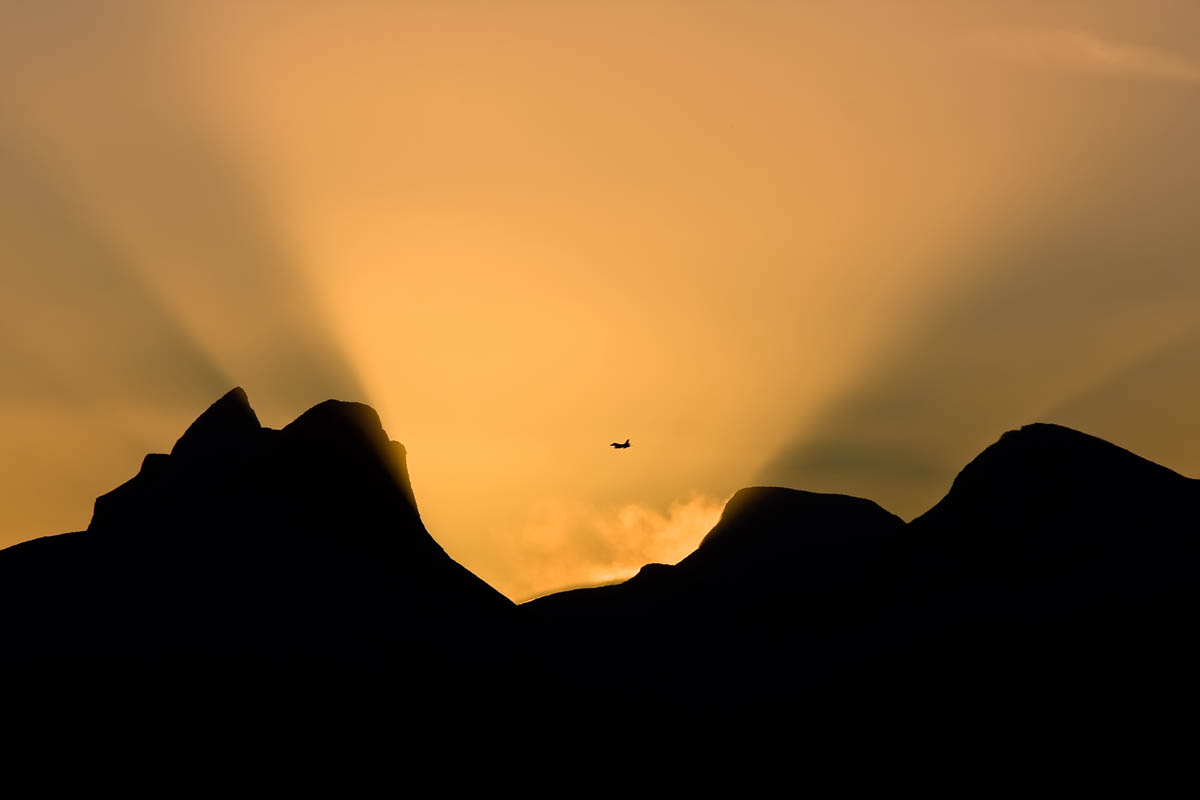
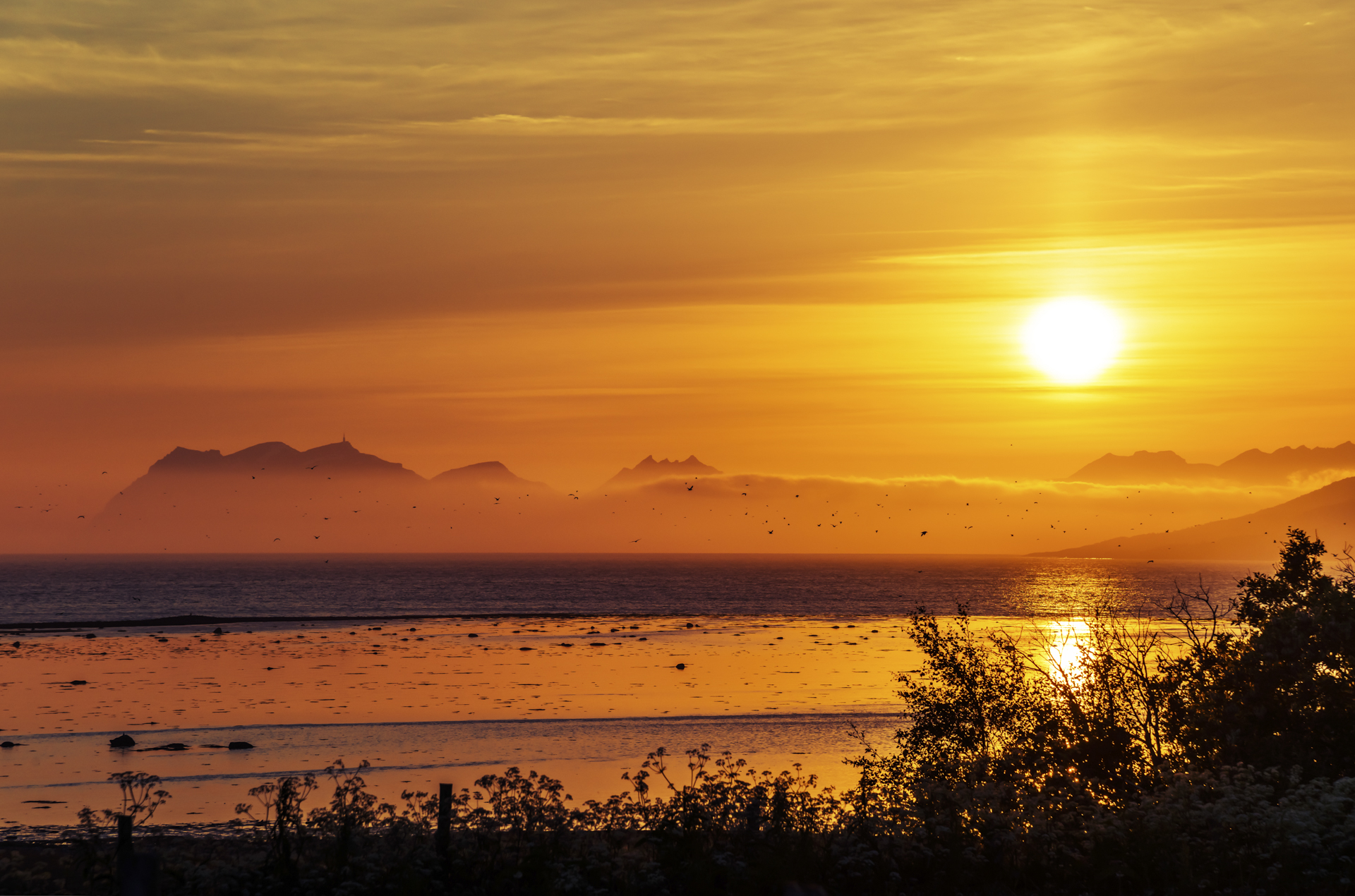
Above the Arctic Circle, the sun stays above the horizon for weeks, circling instead of setting.
This changes how the day works in practice.
Evenings don’t turn into night.
Midnight looks like late afternoon.
And you are no longer limited by daylight.
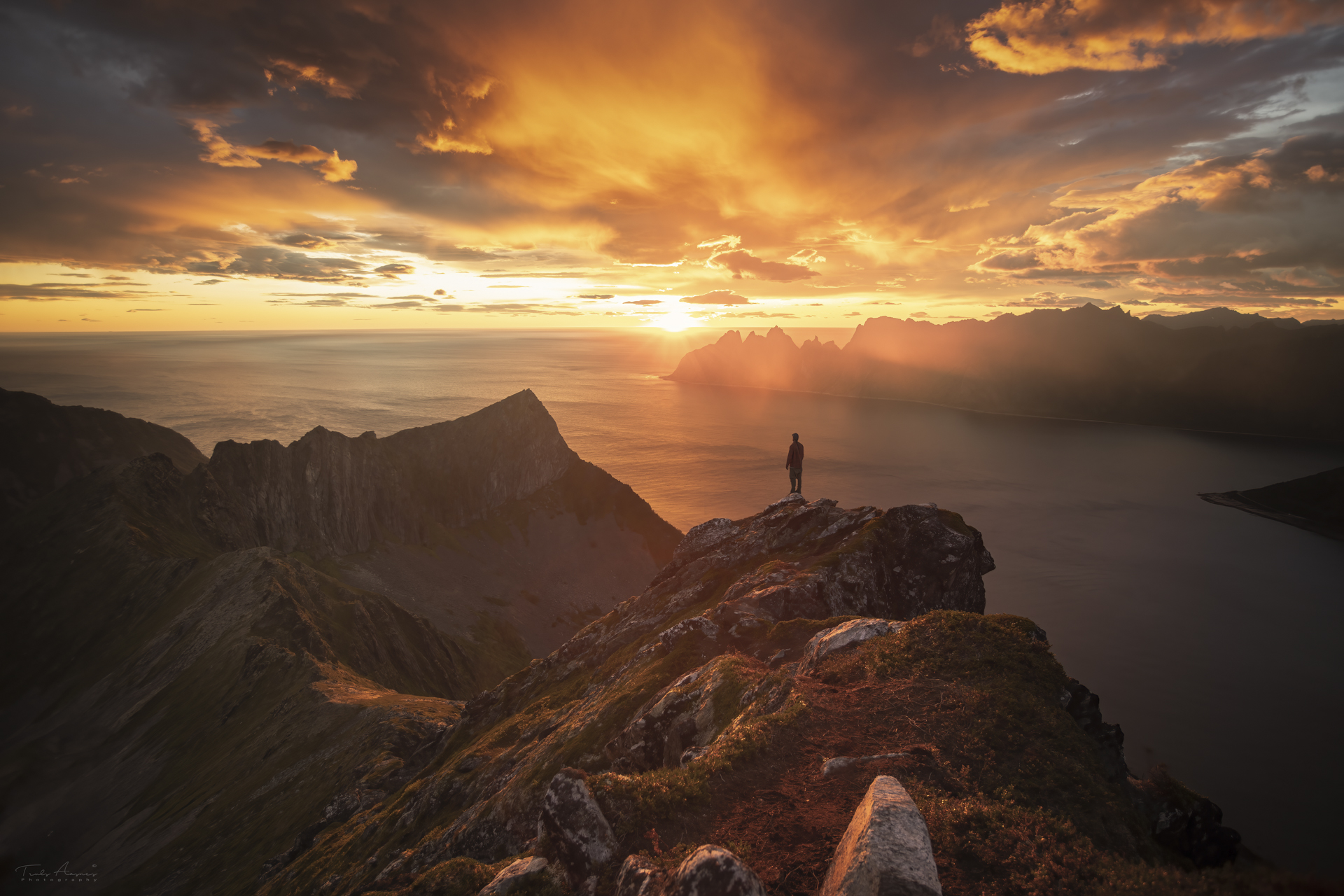
What 24-hour daylight actually means
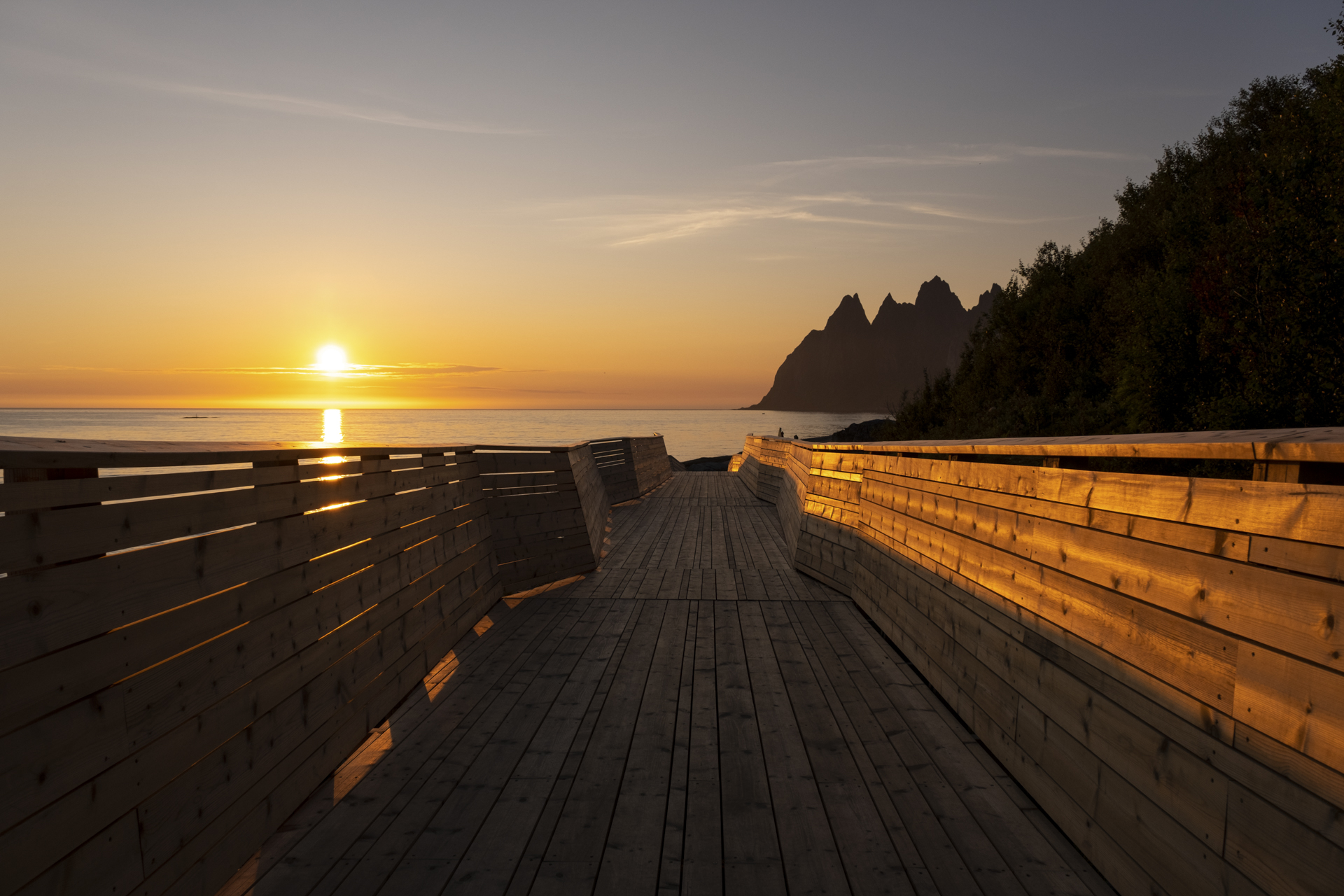
You don’t need to plan around when it gets dark.
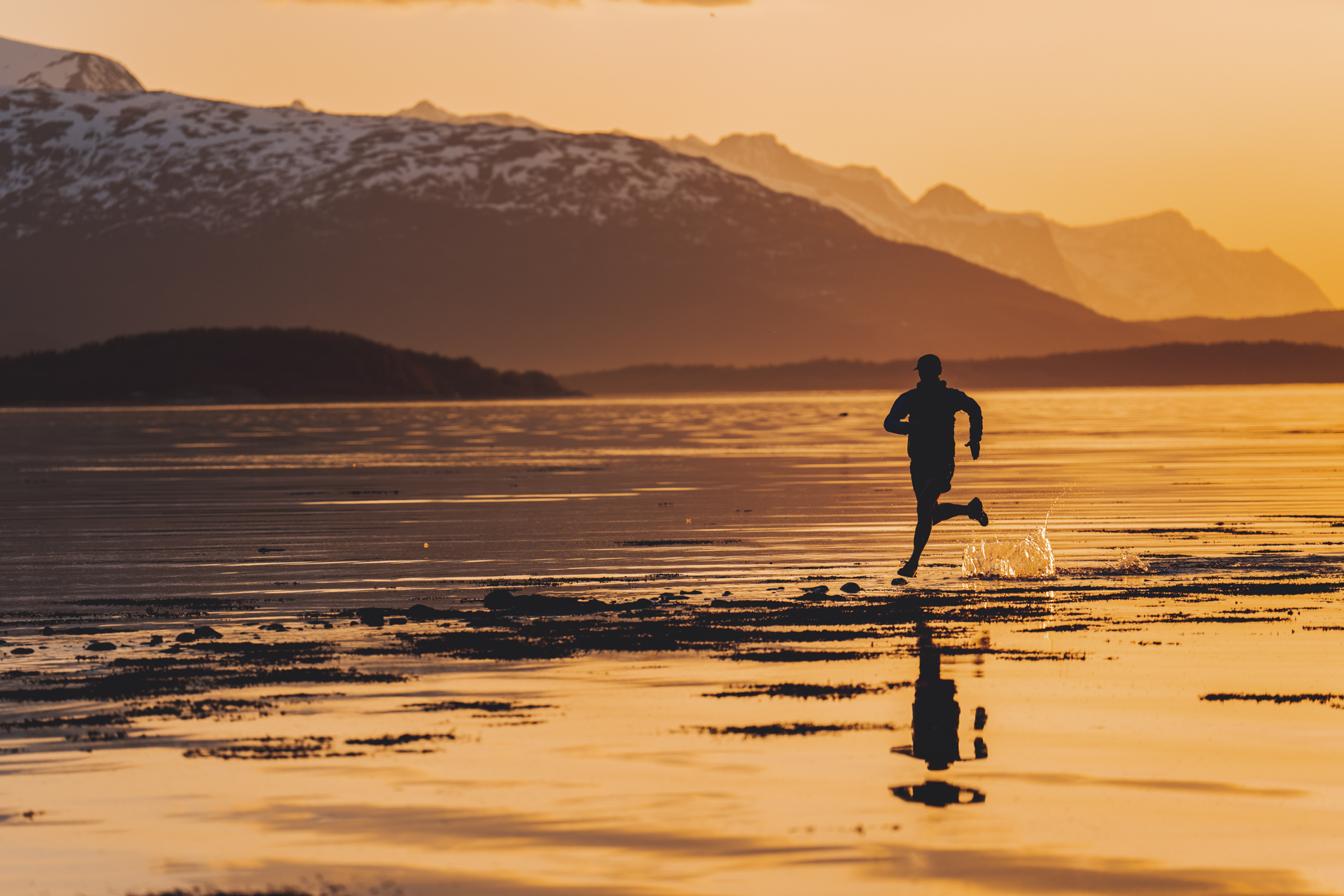
You don’t have to rush to finish an activity.
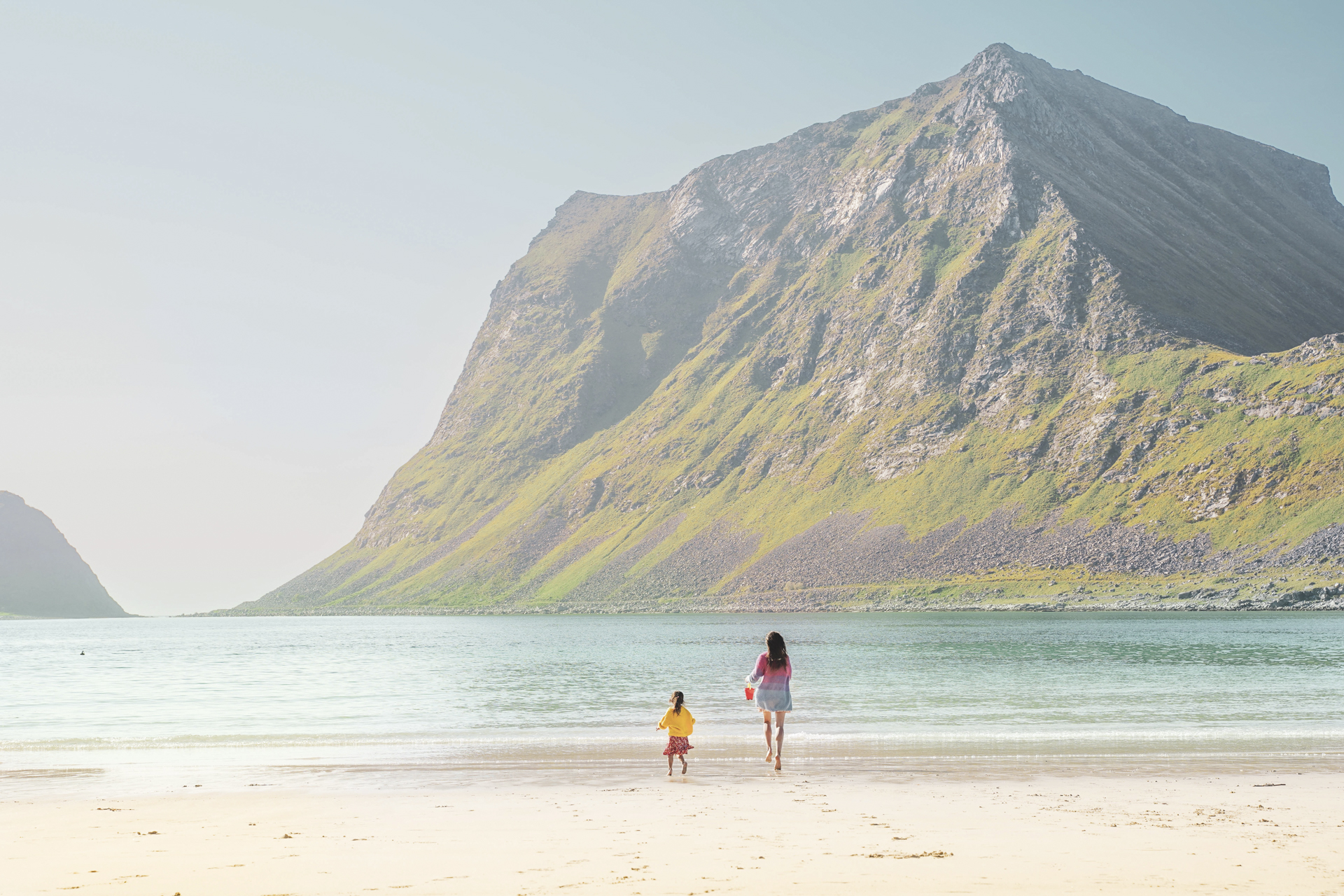
You decide when the day is over.
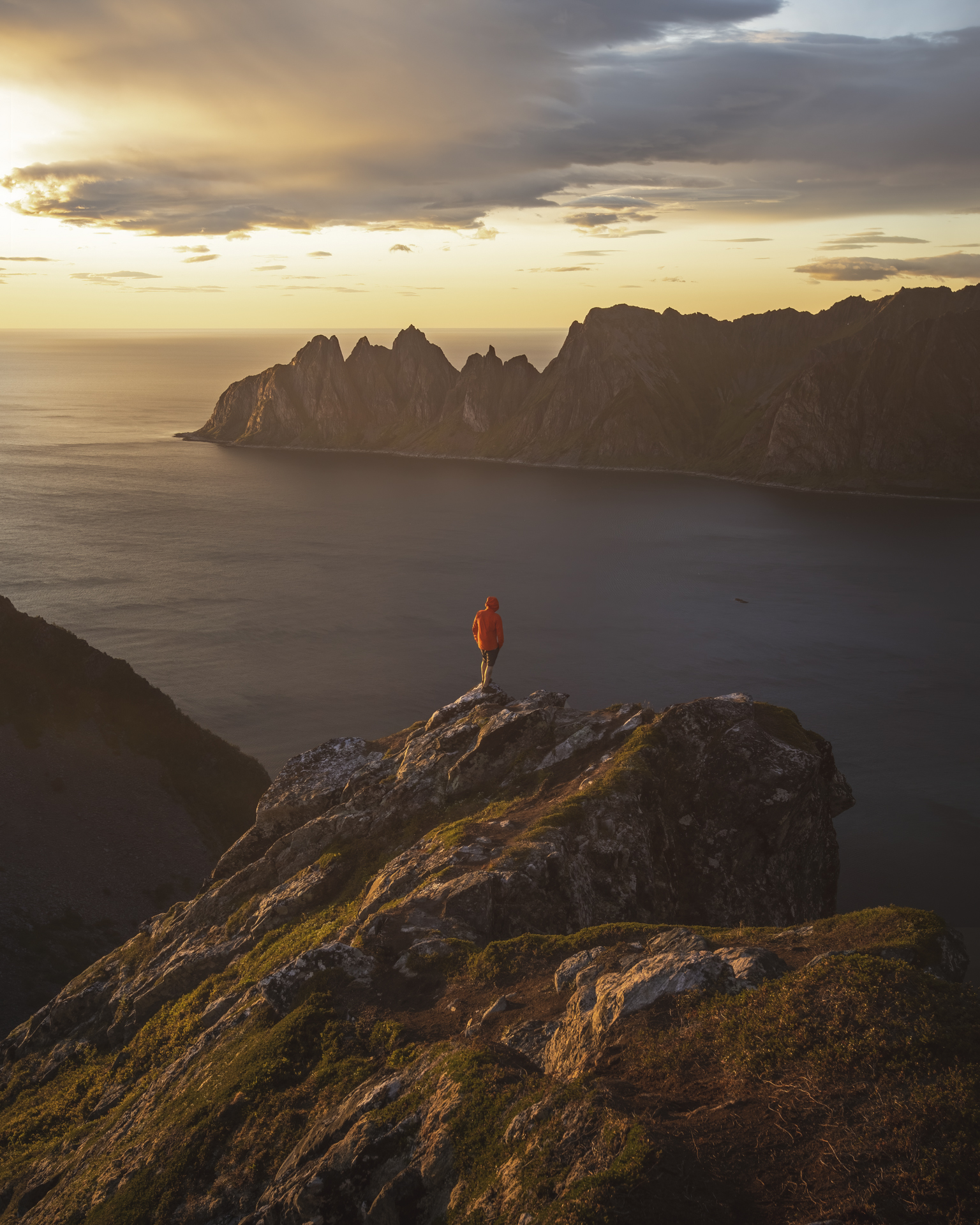
This gives you more usable time — not just to see more, but to experience things at your own pace.
How to spend your summer in Arctic Norway
So what do we do with the extra time?
We stay outside – hiking, biking, paddling, or relaxing in bright daylight, long into the night. We do late meals, experience music festivals, or simply hang out together, and experience the cultural life in Arctic cities.
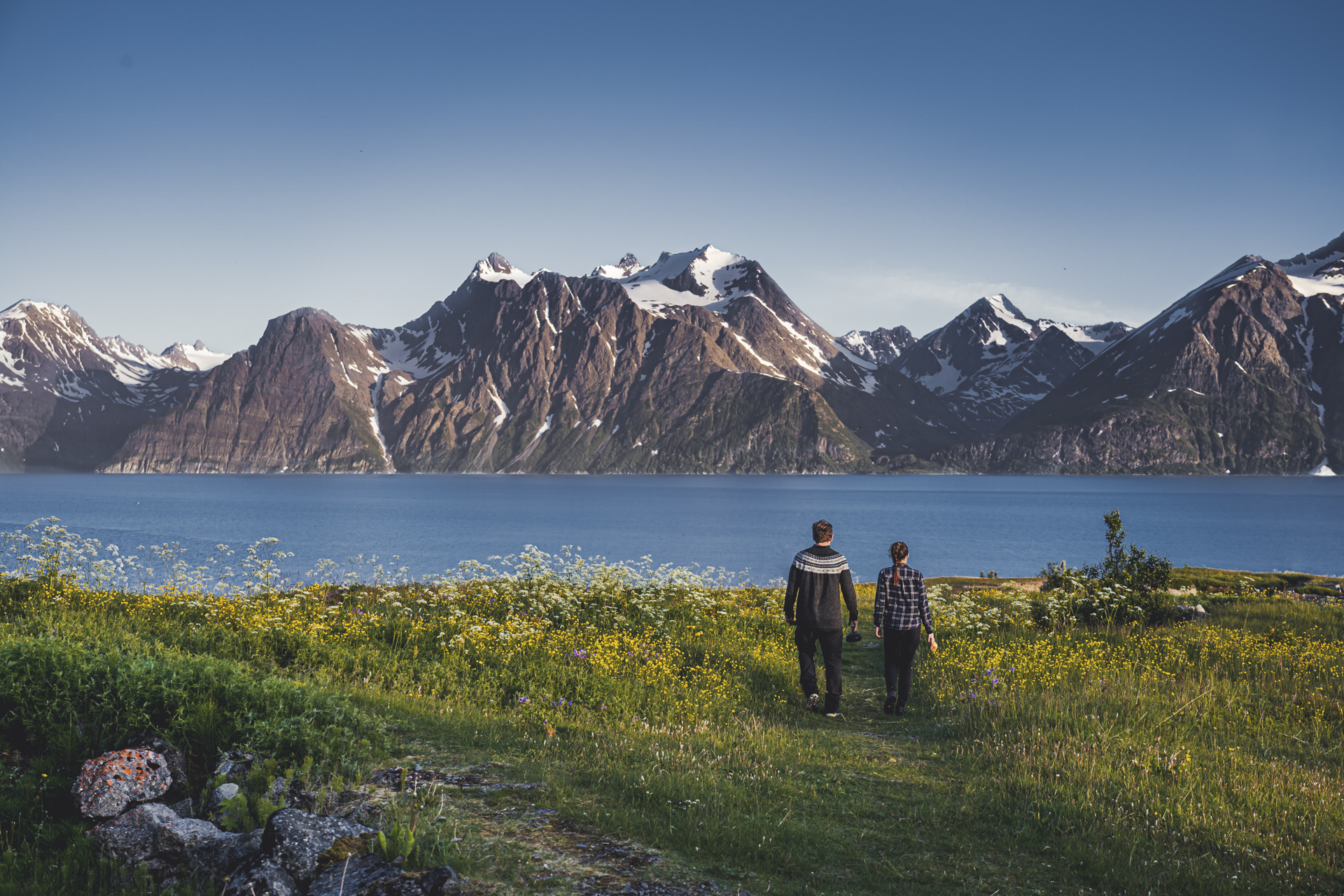
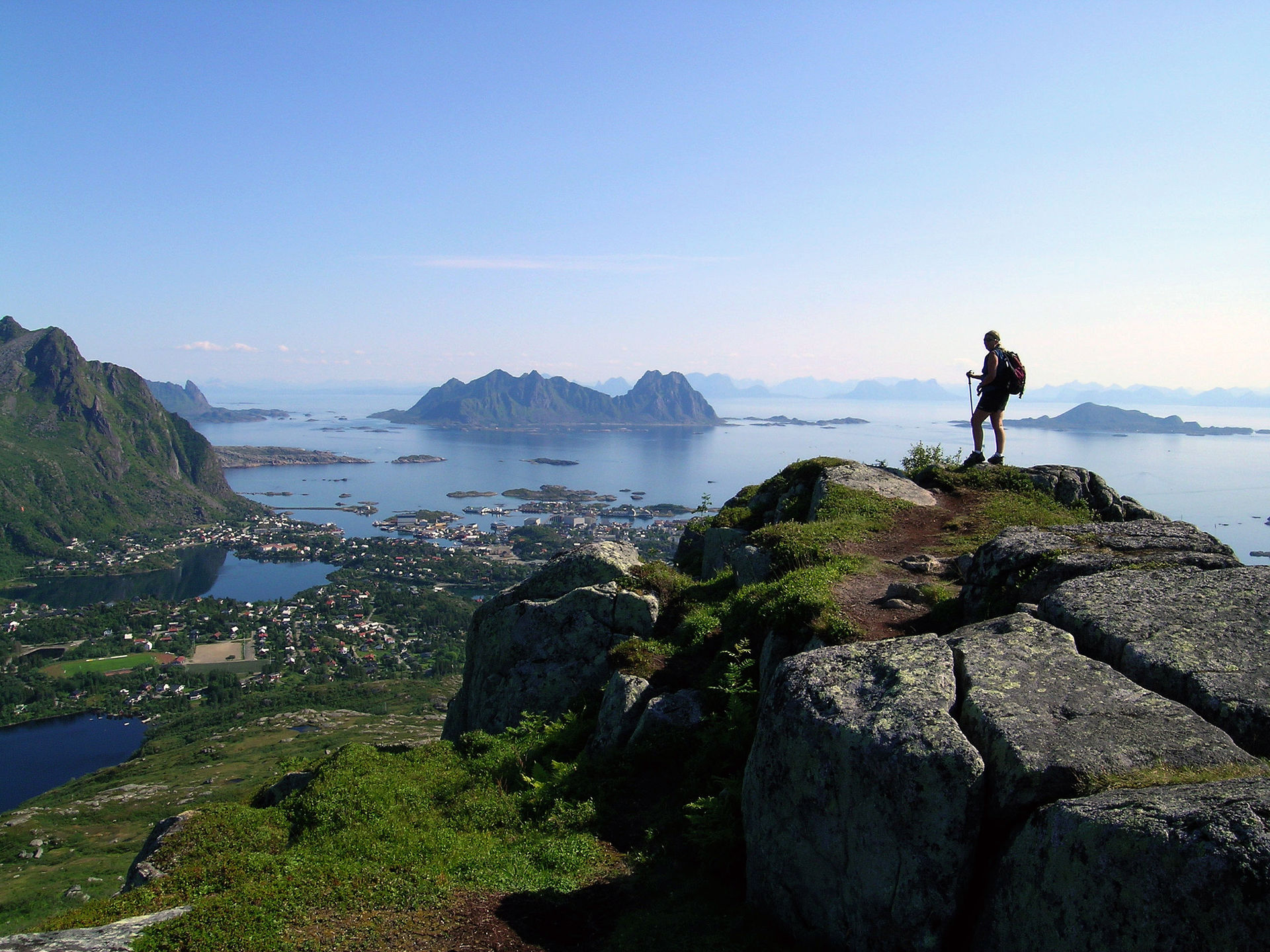
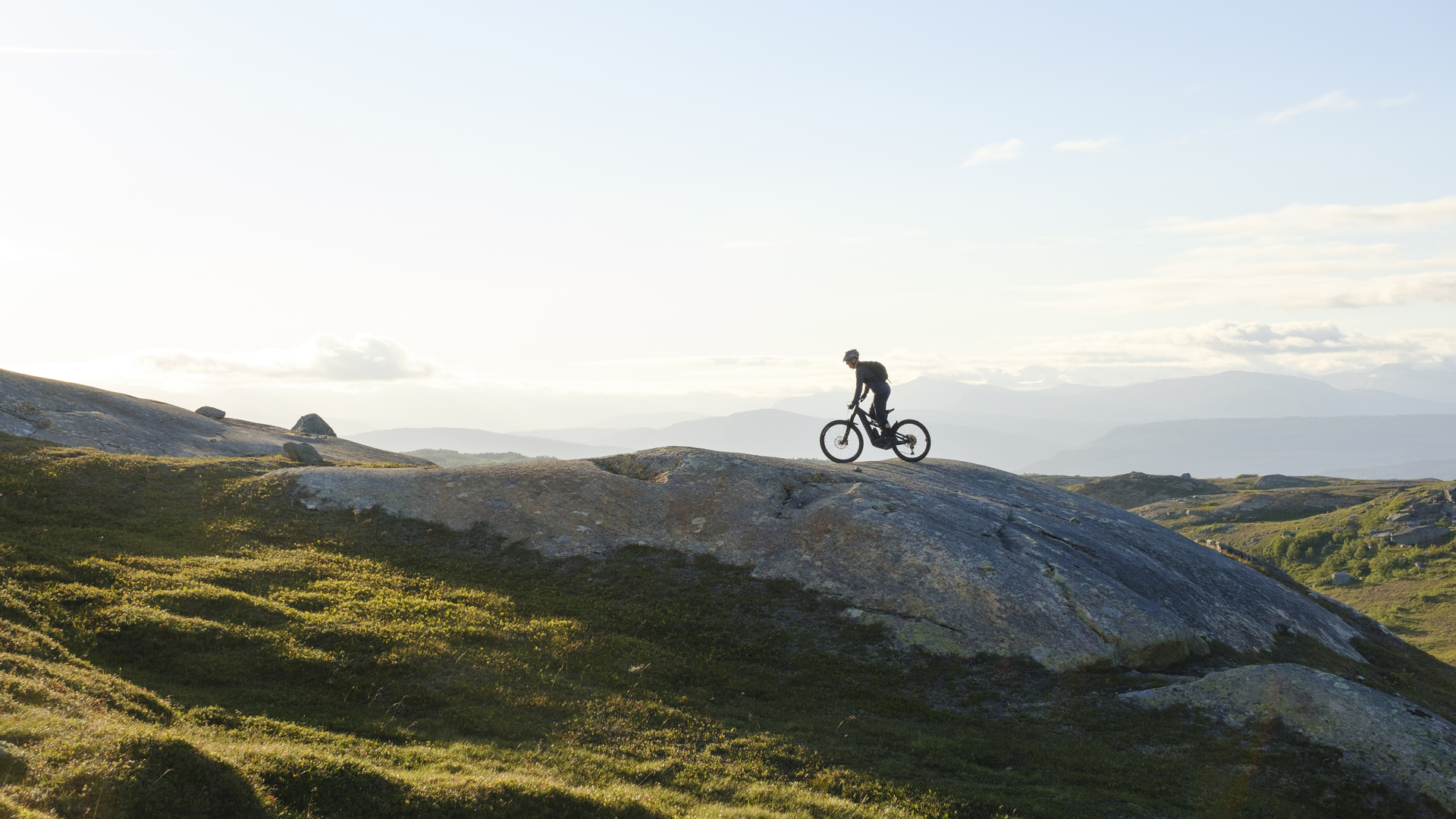
Hiking and cycling across varied terrain
Imagine a place where every part of the landscape inspires movement.
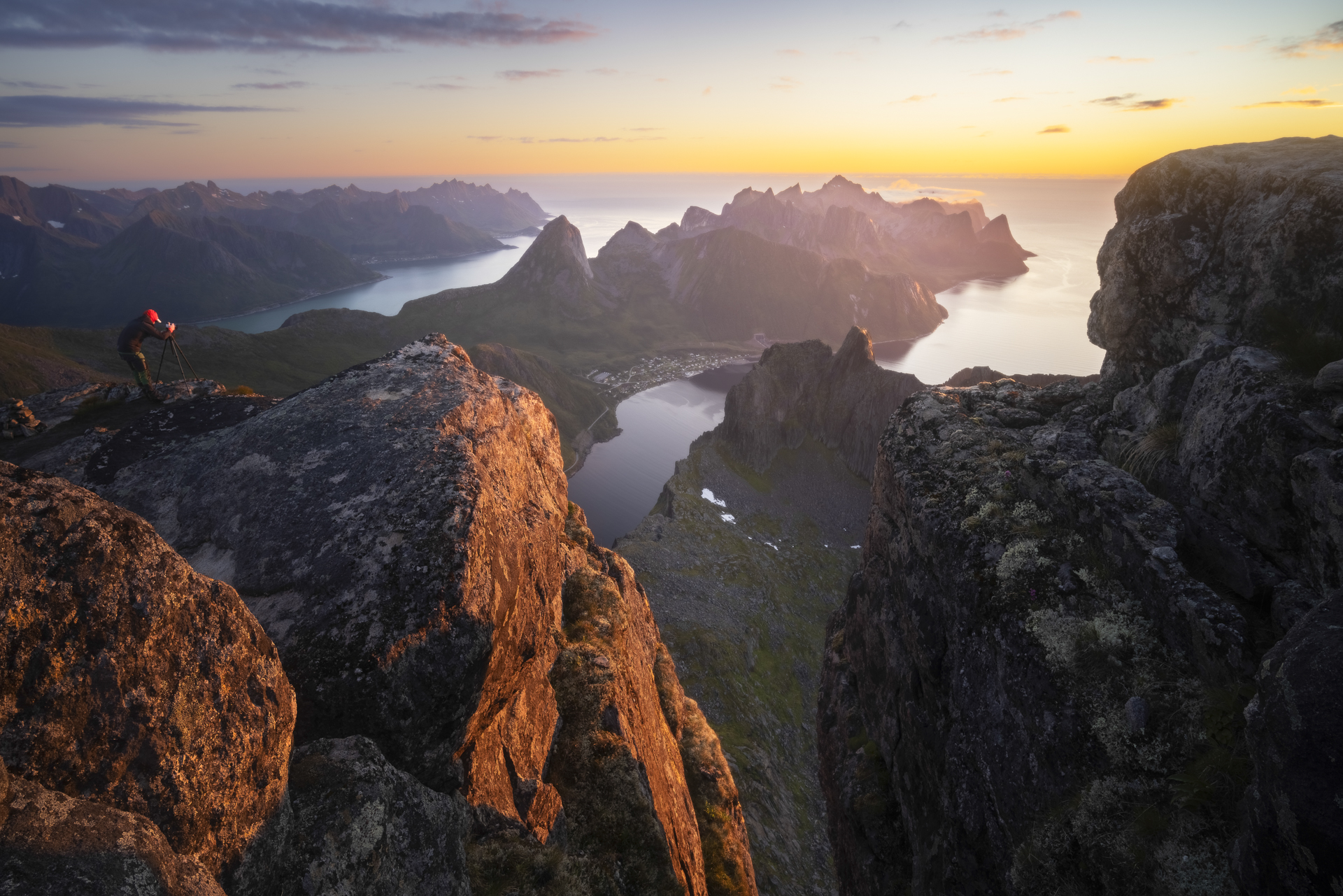
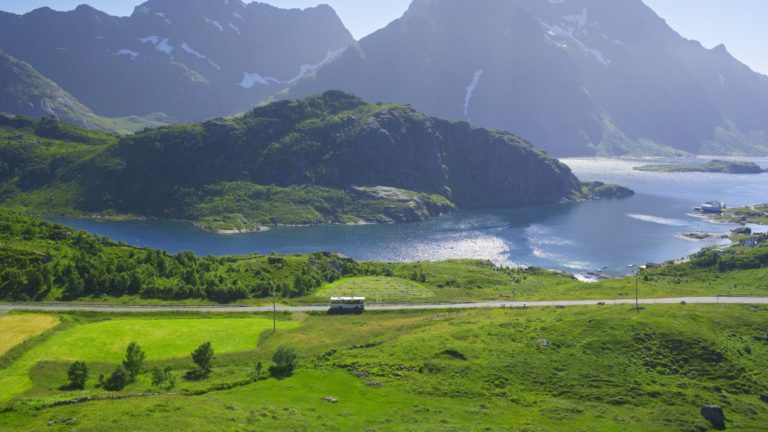
Mountains rise directly from the sea, and trails start close to towns and roads.
You’ll find everything from short, accessible walks with immediate views to long, demanding hikes that take you from sea level to steep peaks within a few hours.
Ridgelines, summits, and open viewpoints are often within reach, even on shorter routes.
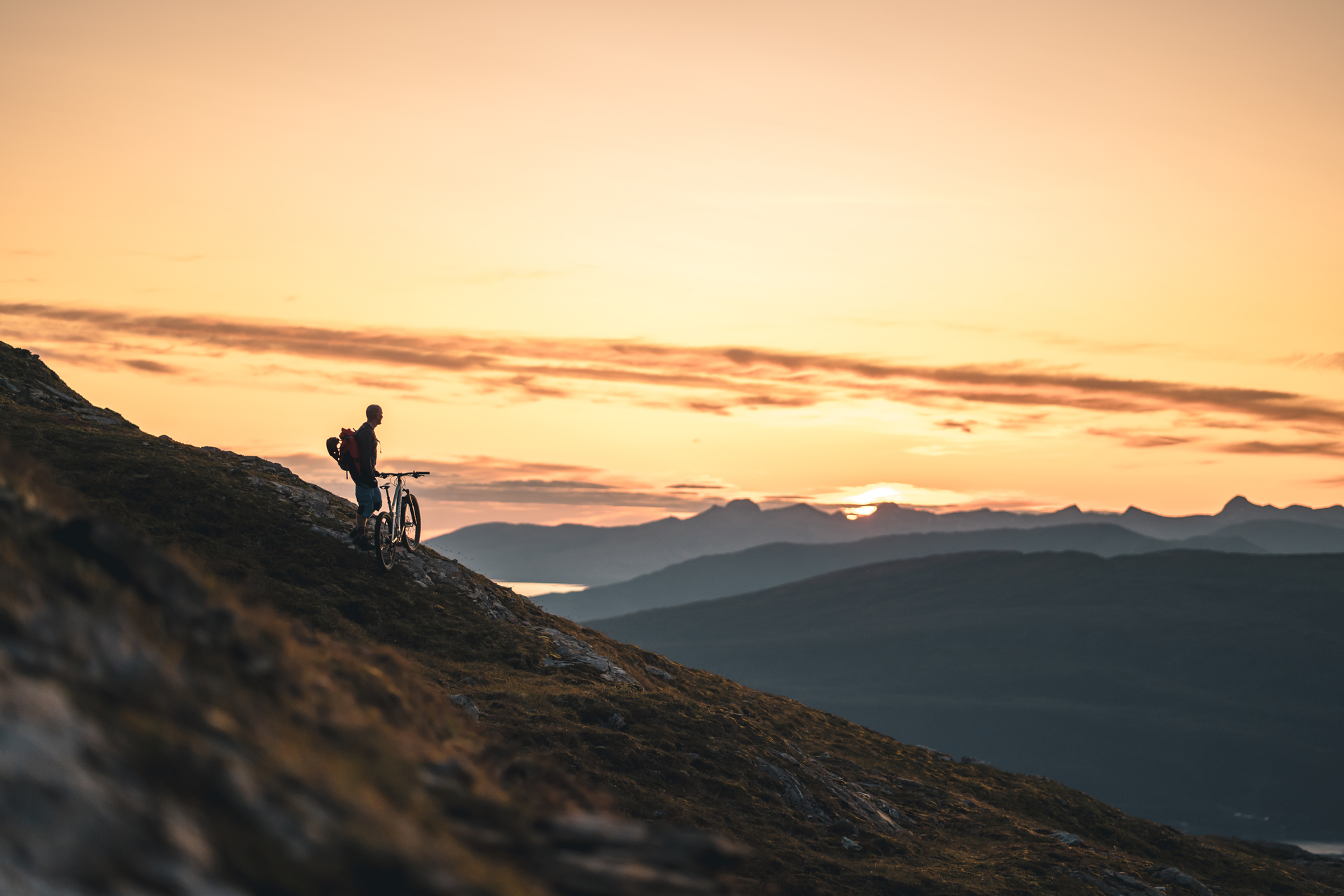
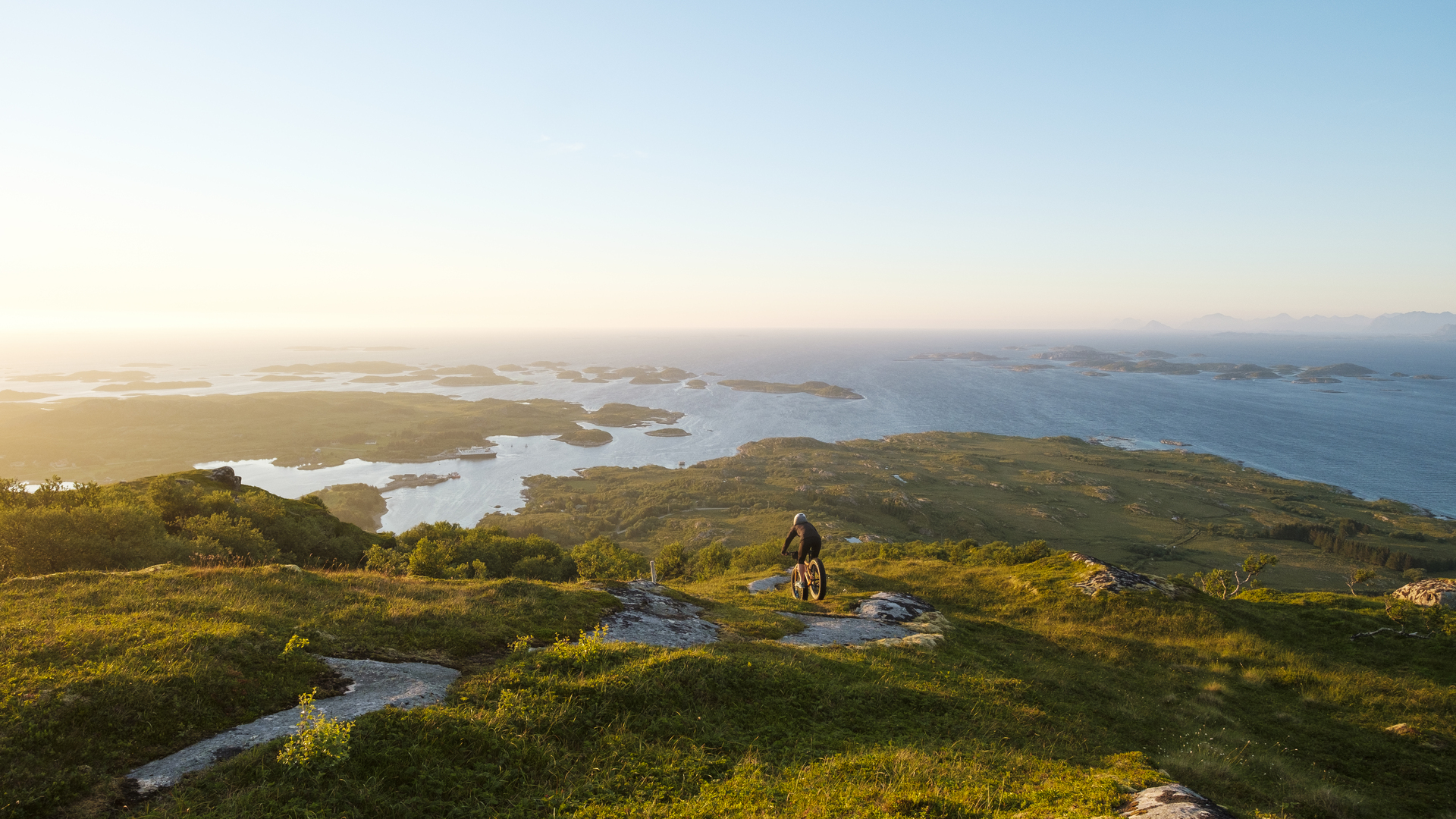
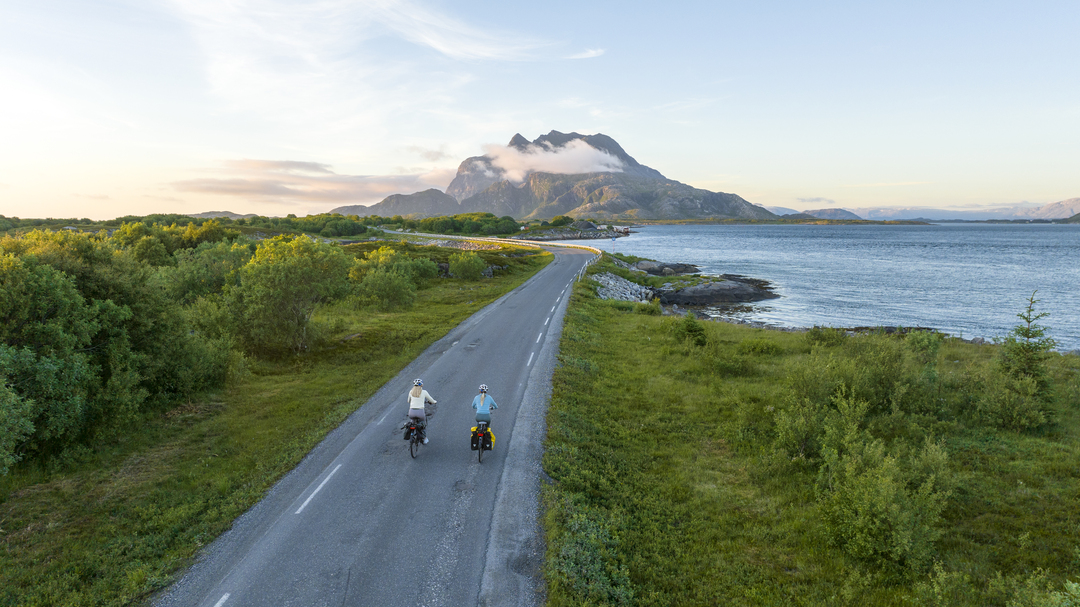
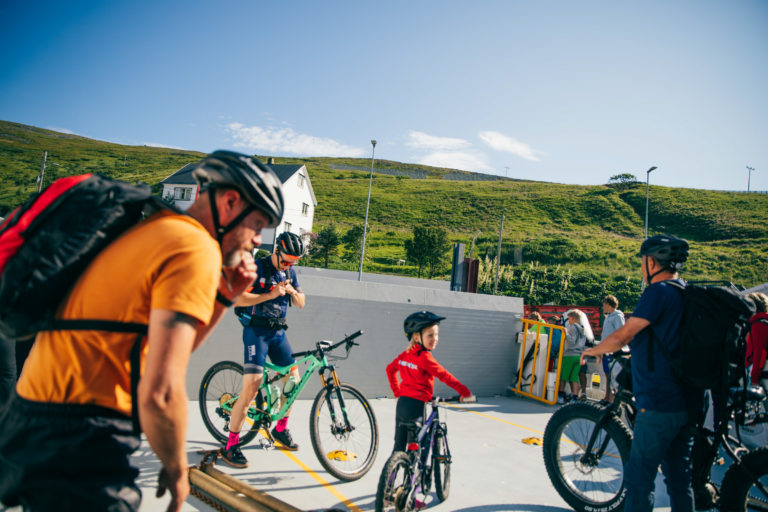
Cycling offers another way to move through the landscape.
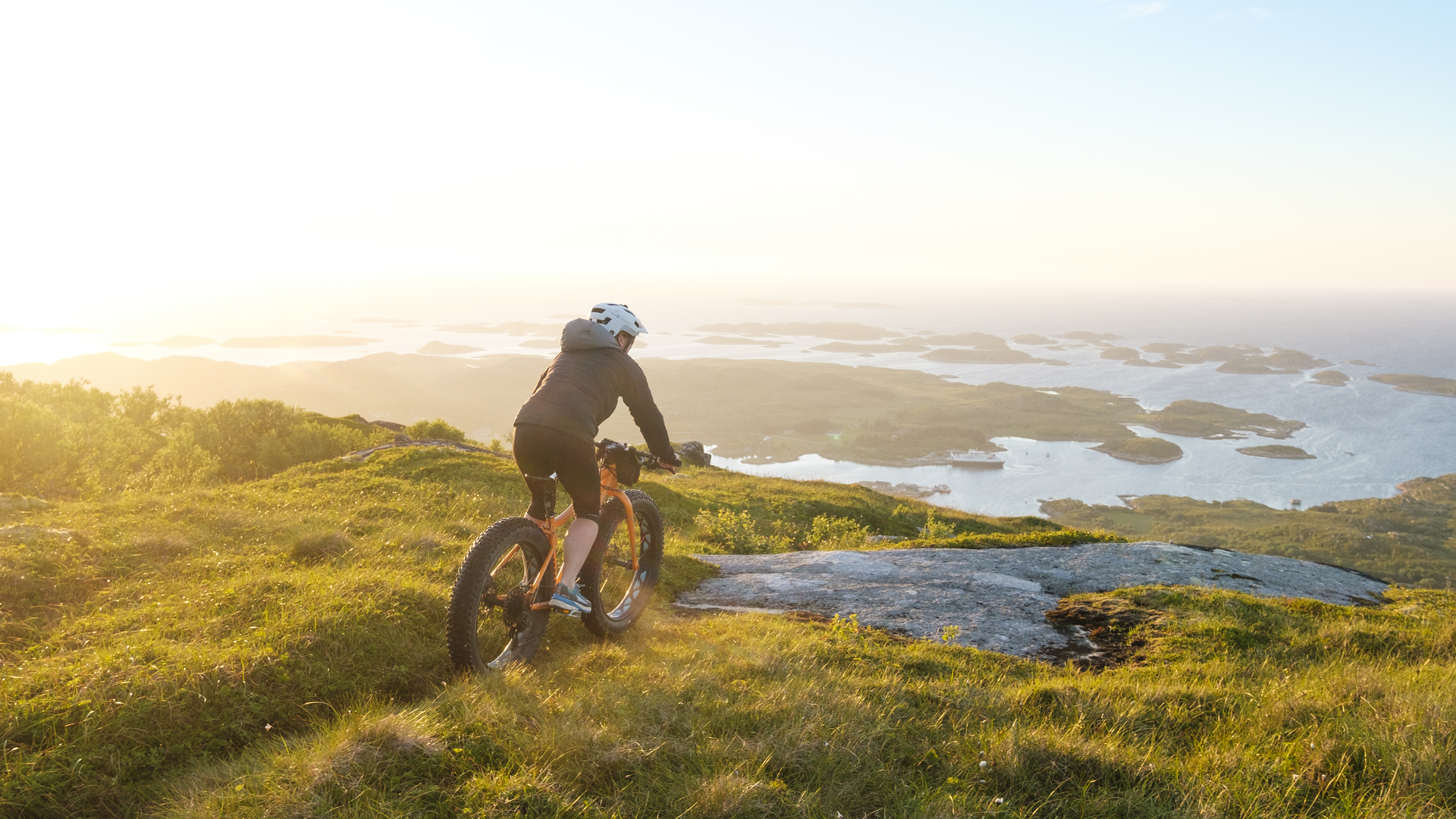
Quiet roads connect islands, follow the coast, and pass through small communities with limited traffic and wide surroundings.
You decide the pace.
You decide how far to go.
Exploring fjords and coastline
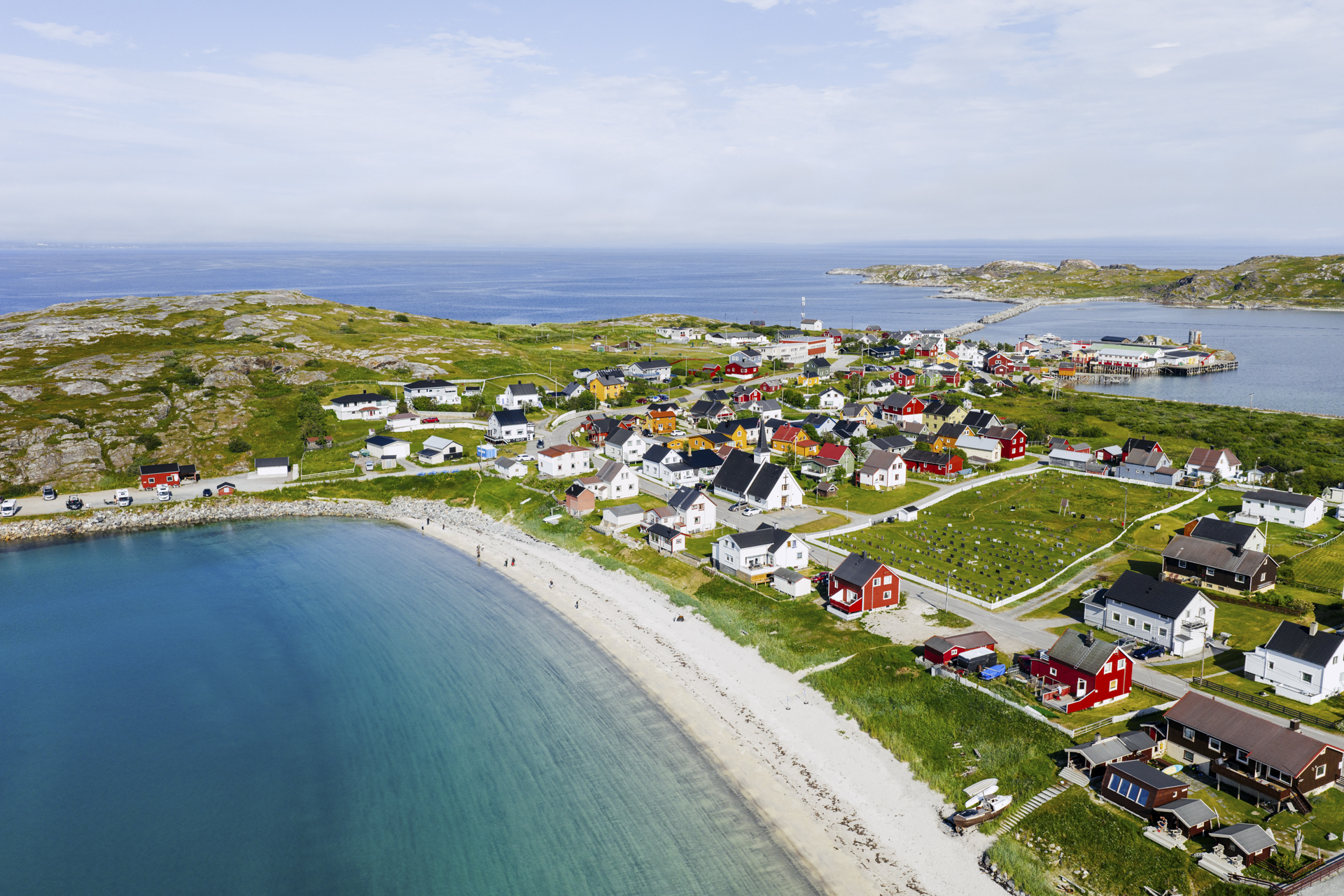
The coastline is part of everyday activity in Arctic Norway.
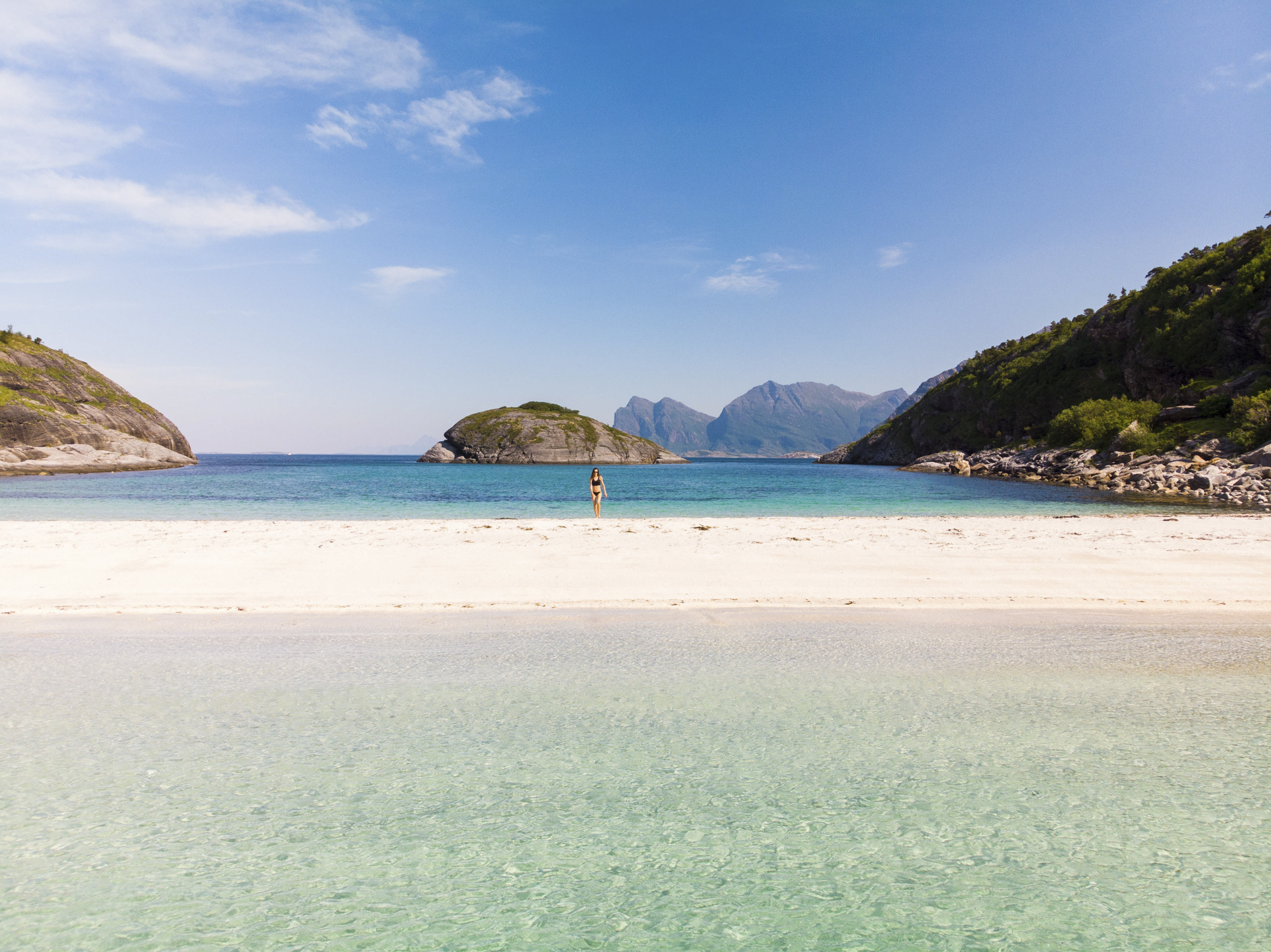
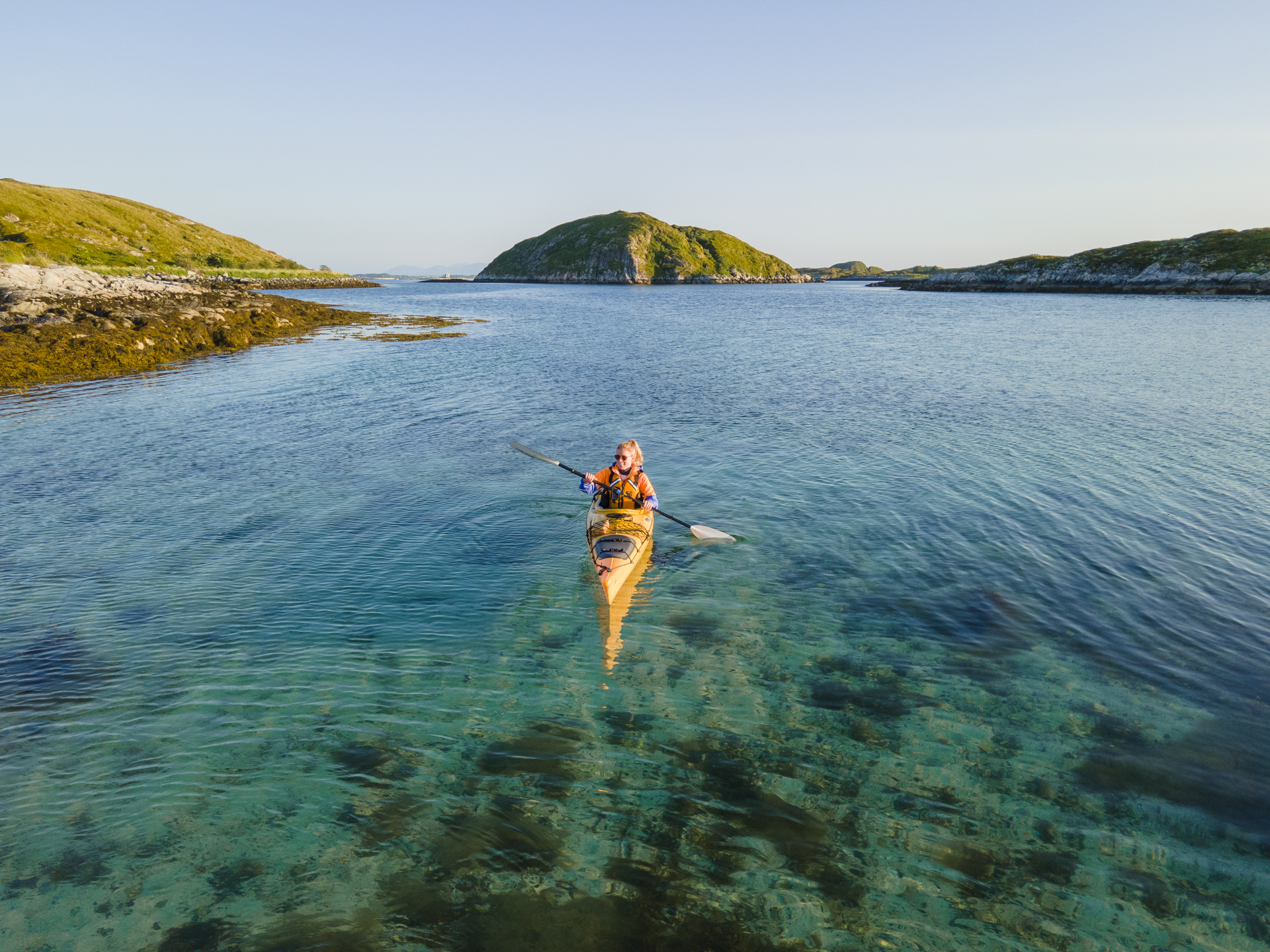
Fjords and sheltered waters provide good conditions for kayaking, paddling, and swimming.
The water is cold and clear, offering a direct and refreshing experience.
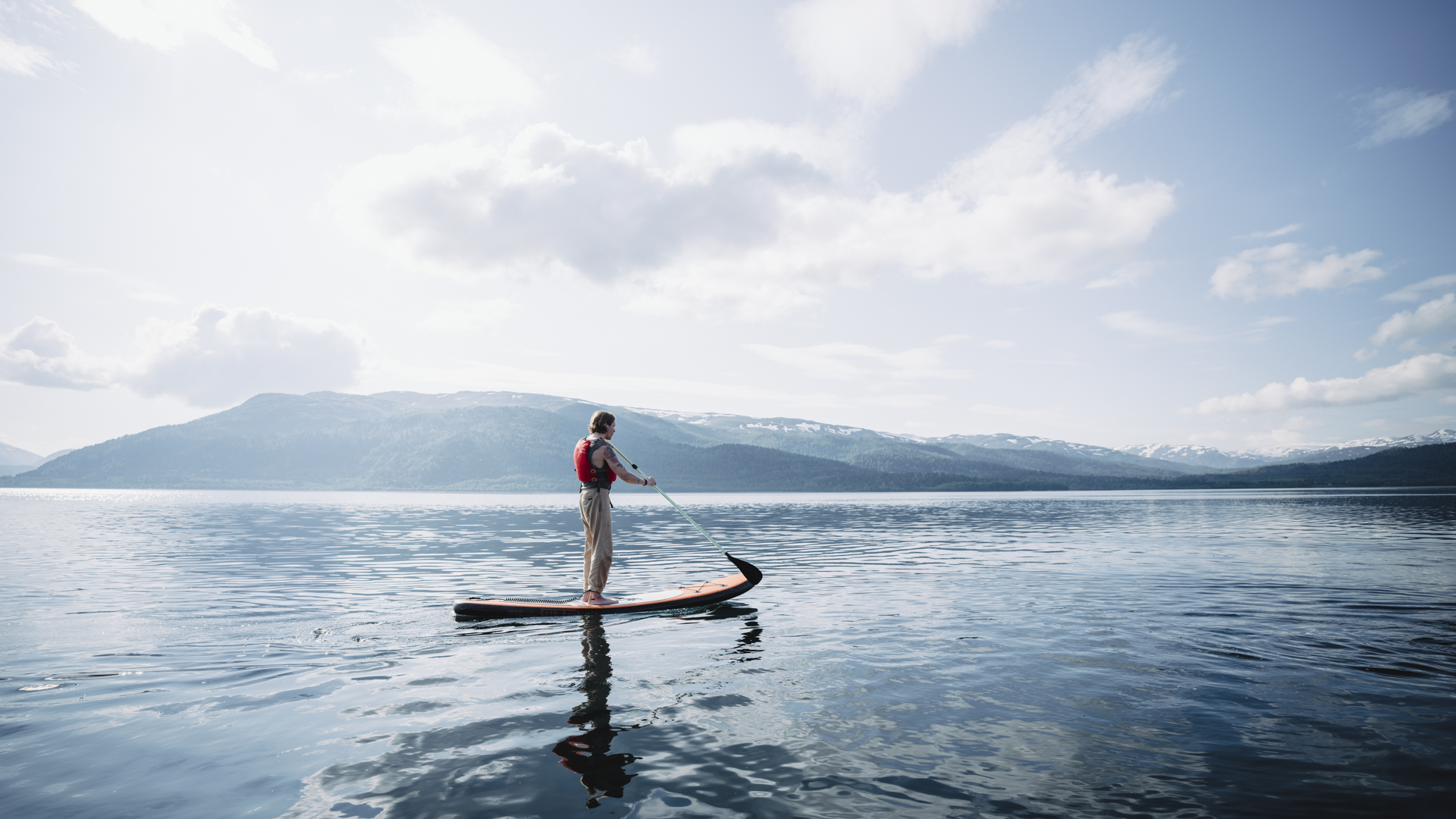
Out on the water, the pace is slower and quieter.
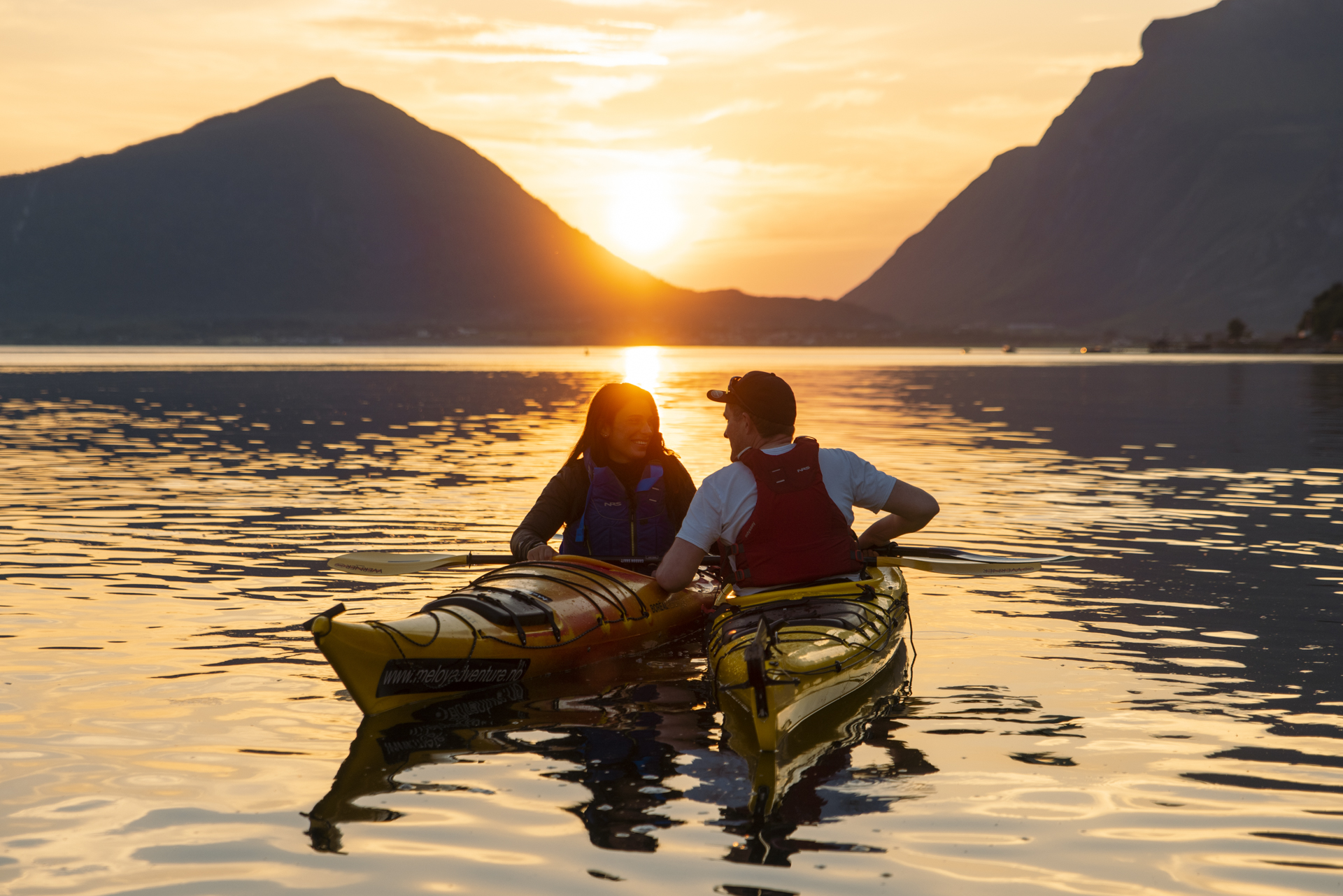
You travel quietly through the landscape, often close to wildlife, with changing light conditions throughout the day and night.
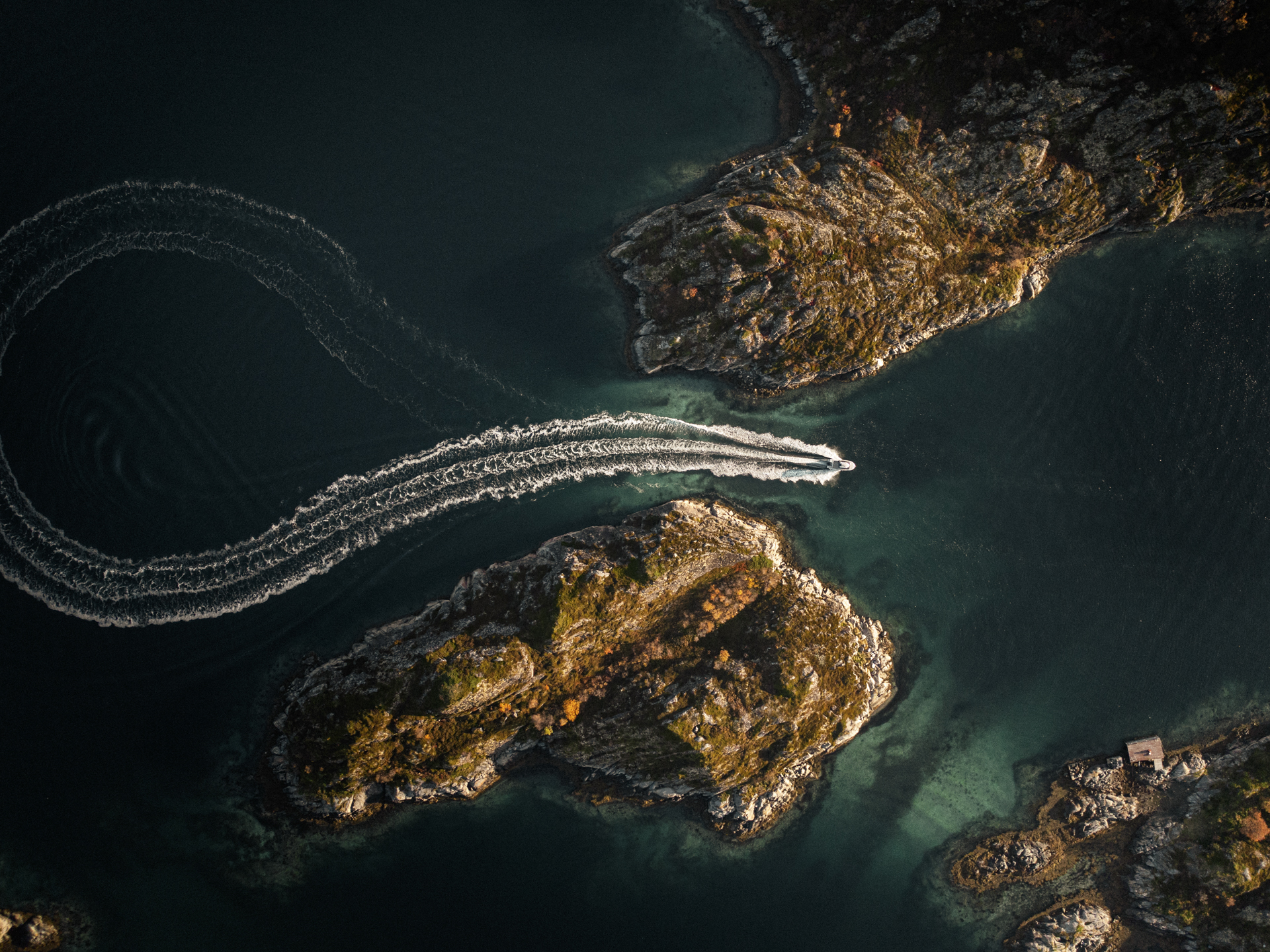
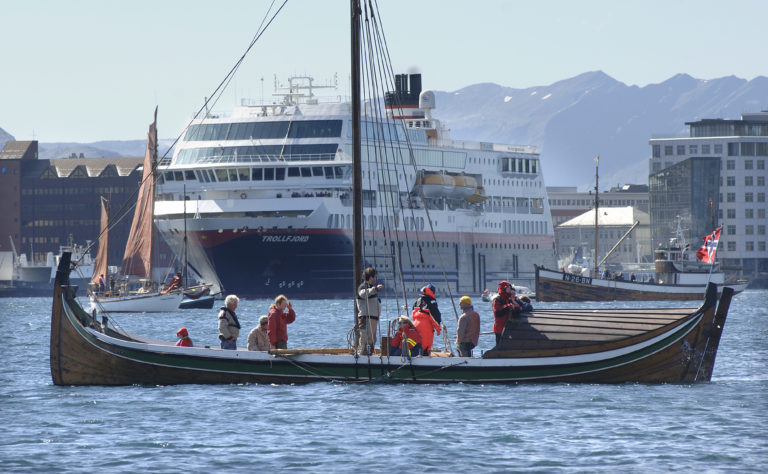
Boat trips and fjord cruises provide access to islands, open sea, and more remote areas.
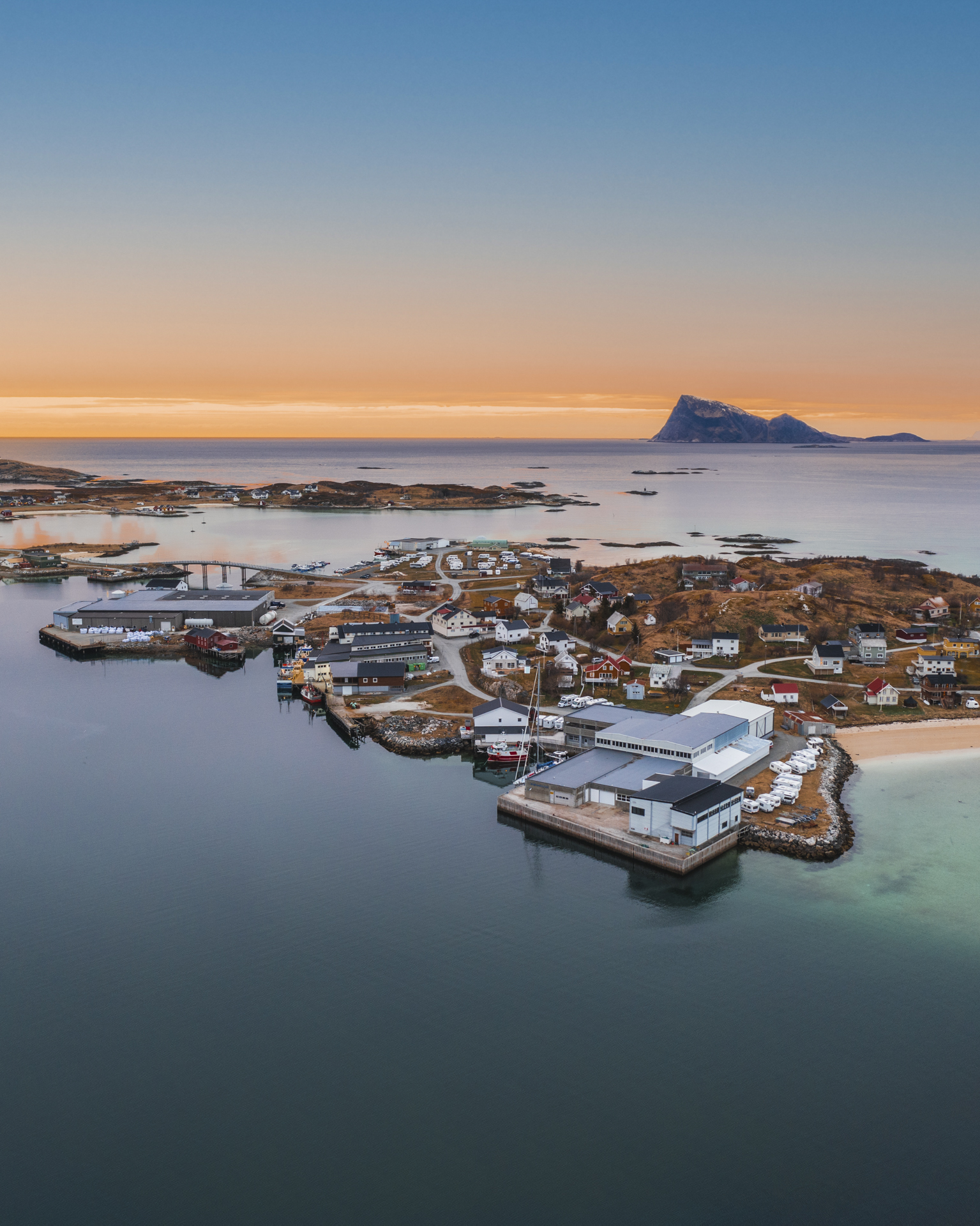
Fishing remains a central part of life here.
Cold, nutrient-rich waters support species such as cod, halibut, and Arctic char, making Arctic Norway one of Europe’s most productive fishing regions.
Cities, food, and cultural life
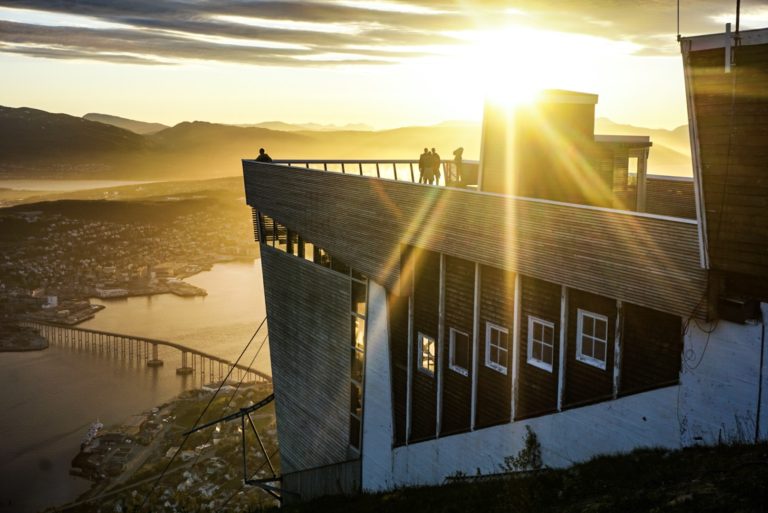
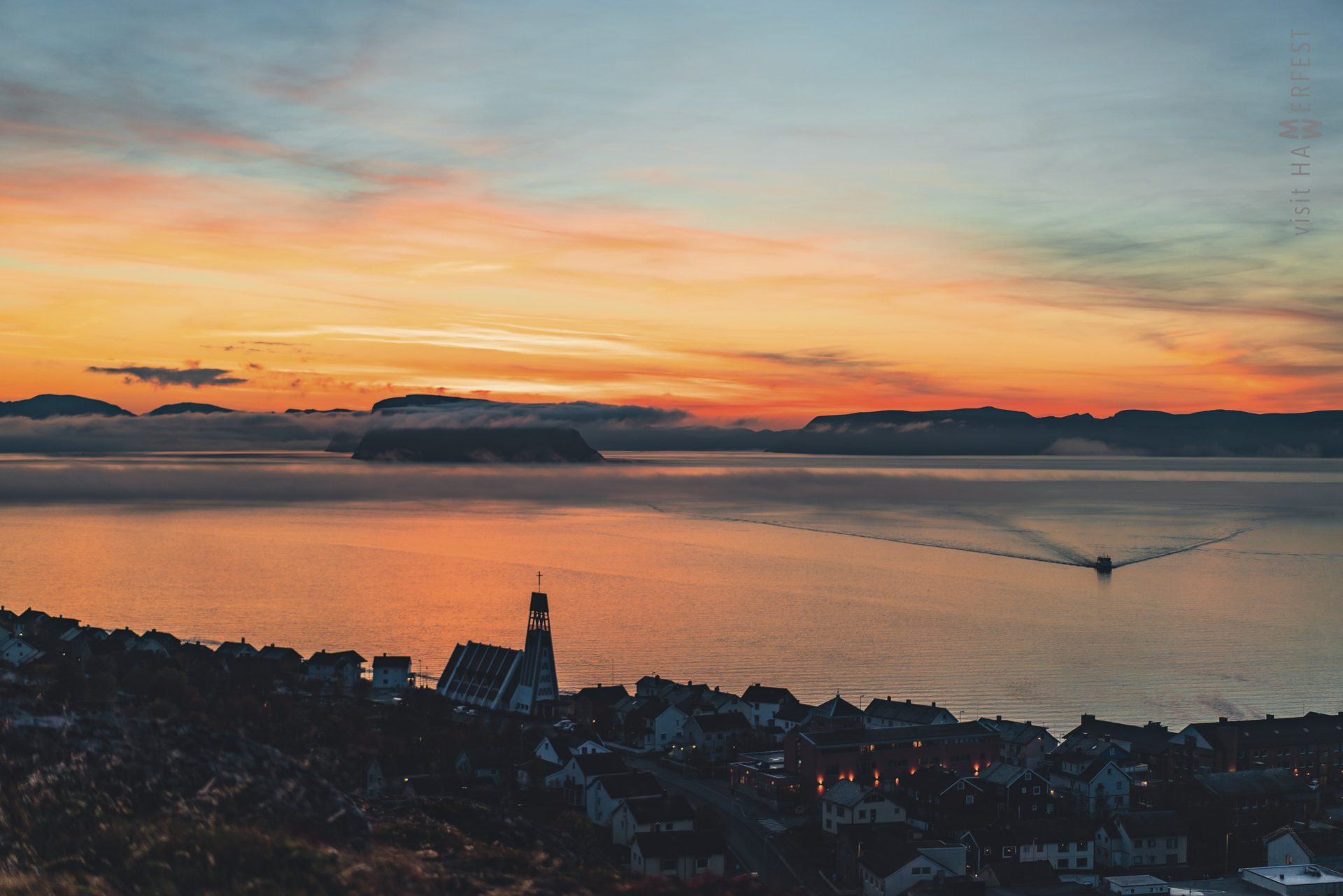
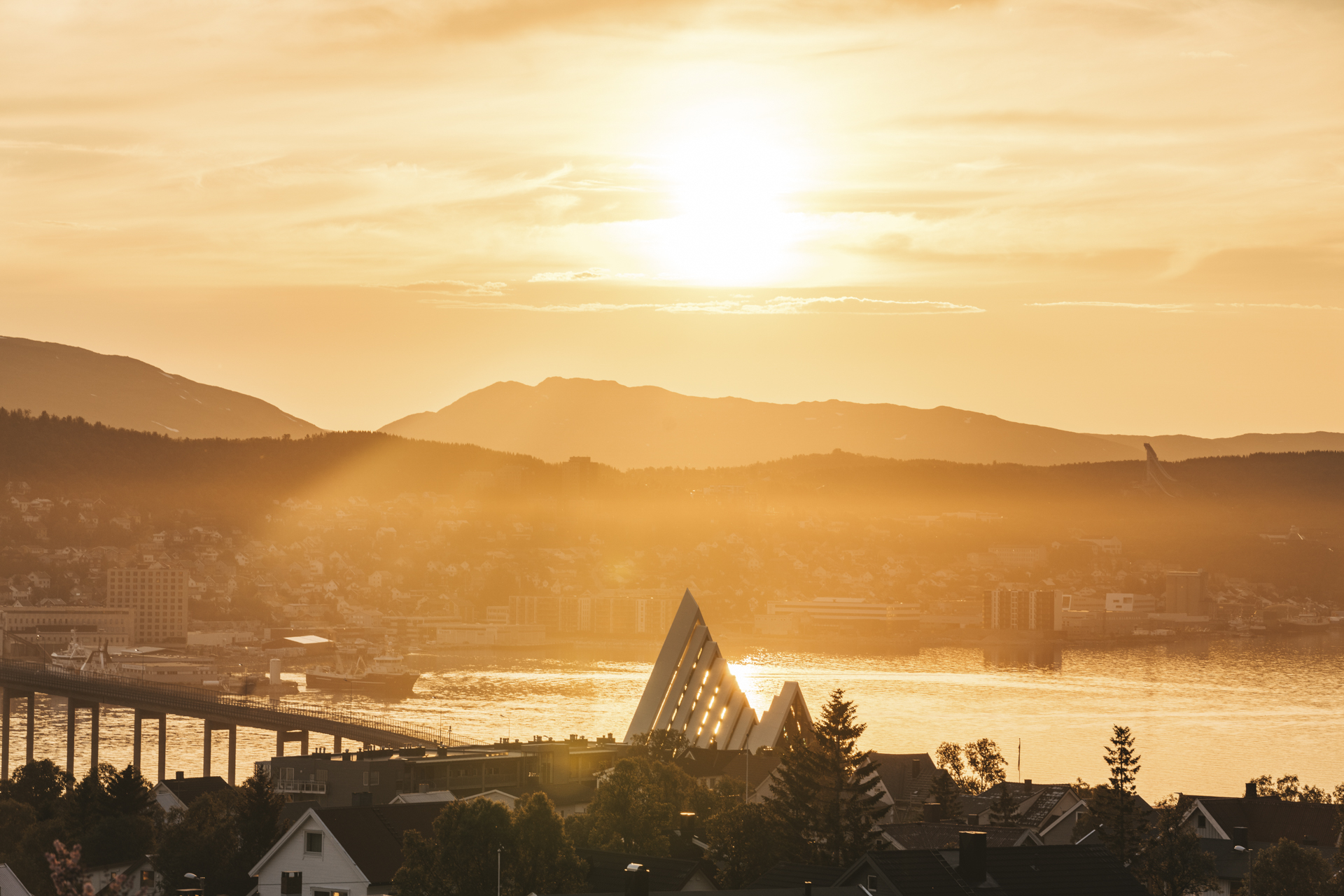
Cities like Tromsø, Bodø, Alta, and Narvik combine cultural life with easy access to nature.
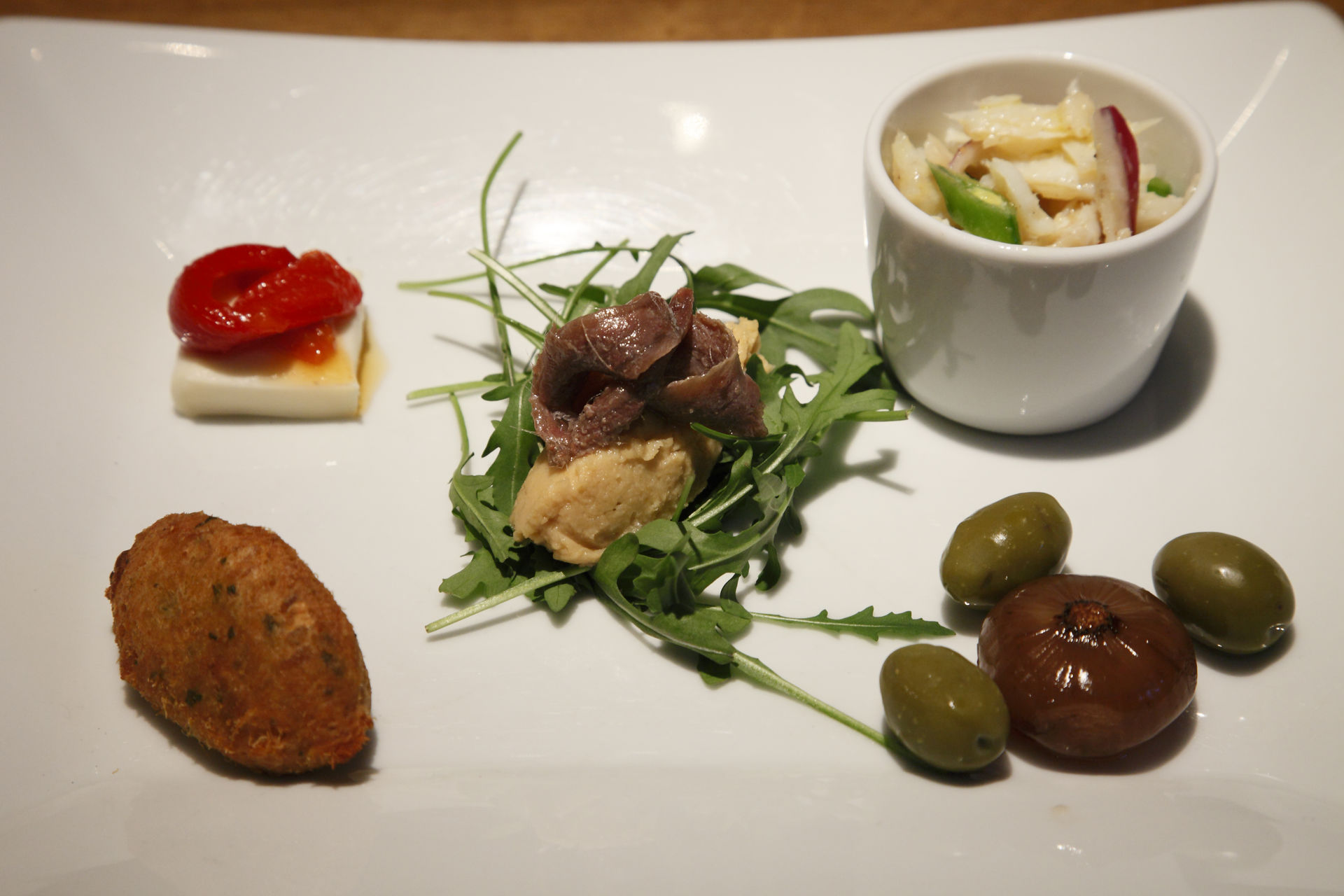
Food reflects the seasons.
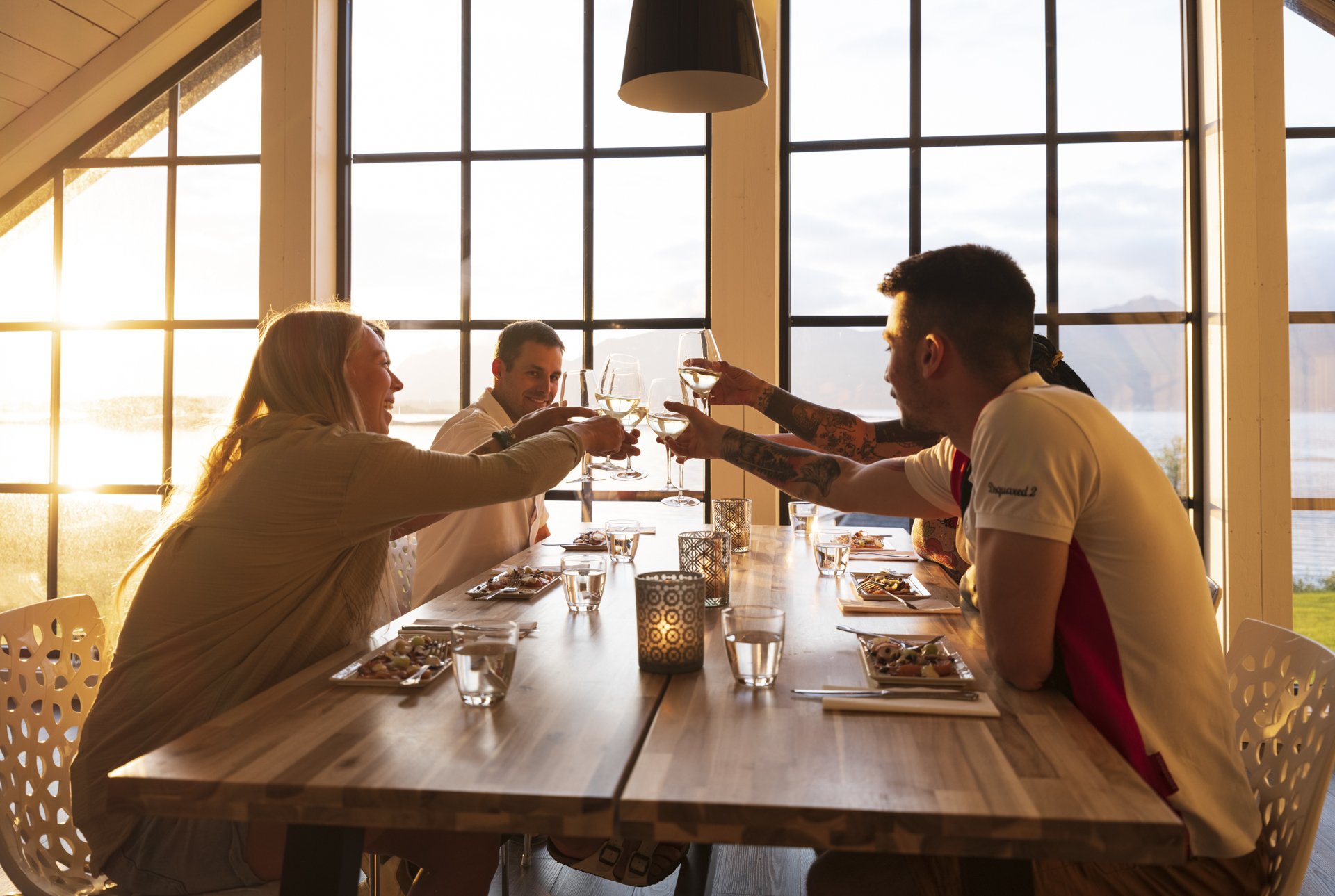
Seafood, local ingredients, and seasonal produce are central, often served in relaxed settings where meals are unhurried.
Summer is also a season for festivals and events.
Concerts and gatherings take place in both urban and outdoor settings, often informal and closely connected to the surroundings.
You might find yourself at a concert late at night, still in full daylight.
Easy to reach. Hard to leave.
Arctic Norway feels remote, but isn’t. Getting here is easier than it looks.
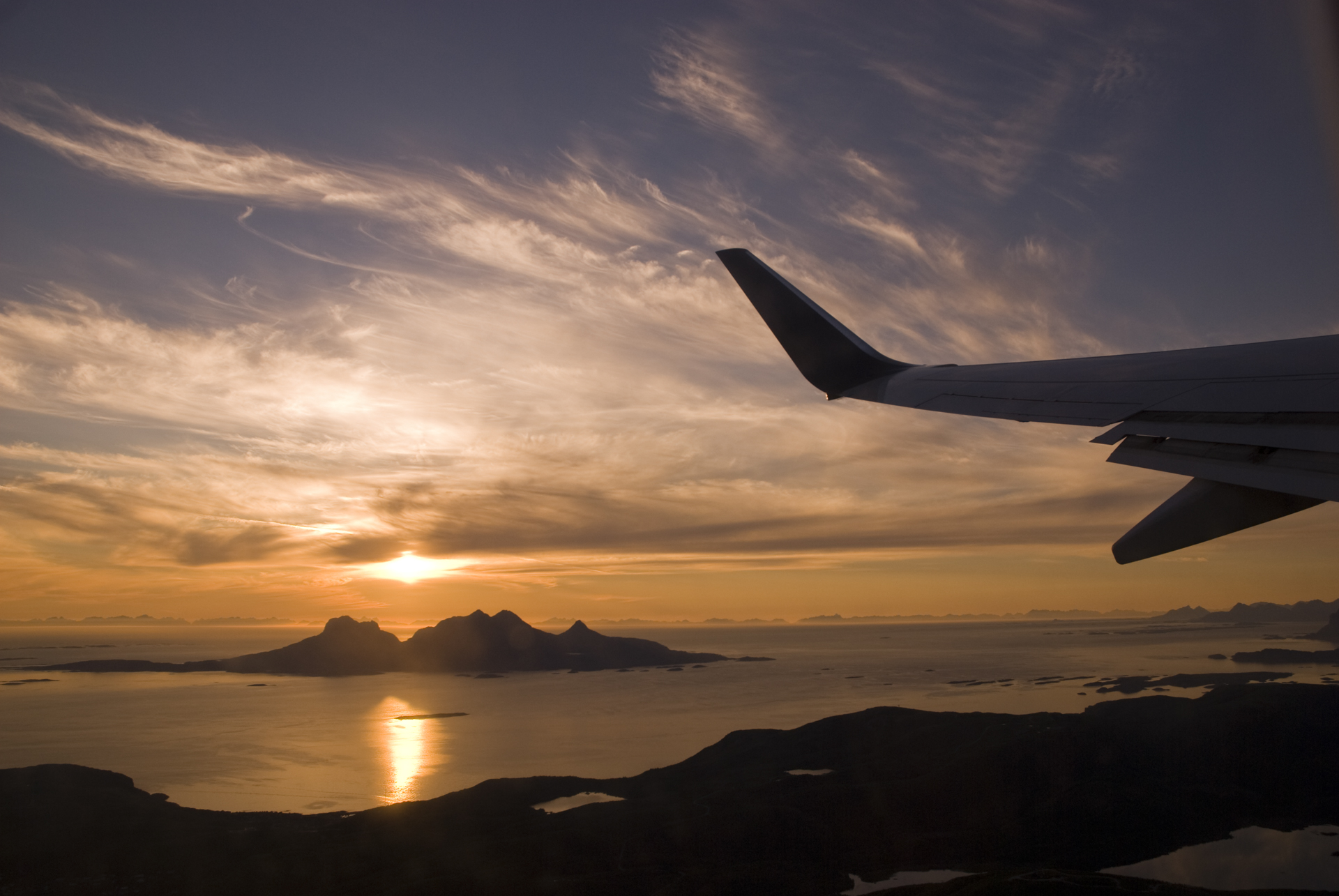
Fly to Arctic Norway
Airports in Tromsø, Bodø, Evenes (Harstad/Narvik), and Alta offer direct and connecting flights, with increased frequency during summer.
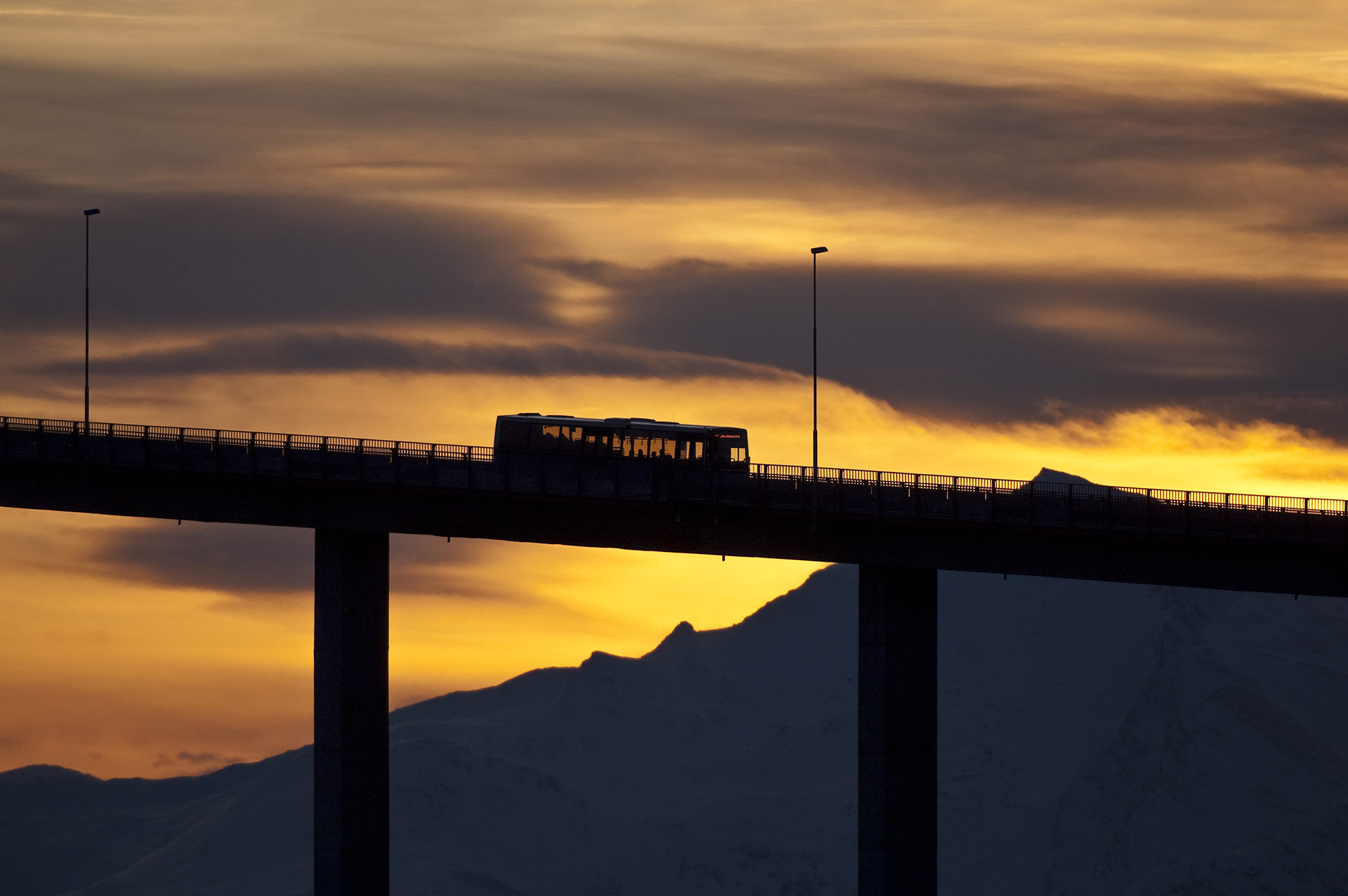
From there, travel continues by regional flights, ferries, buses, or rental car.
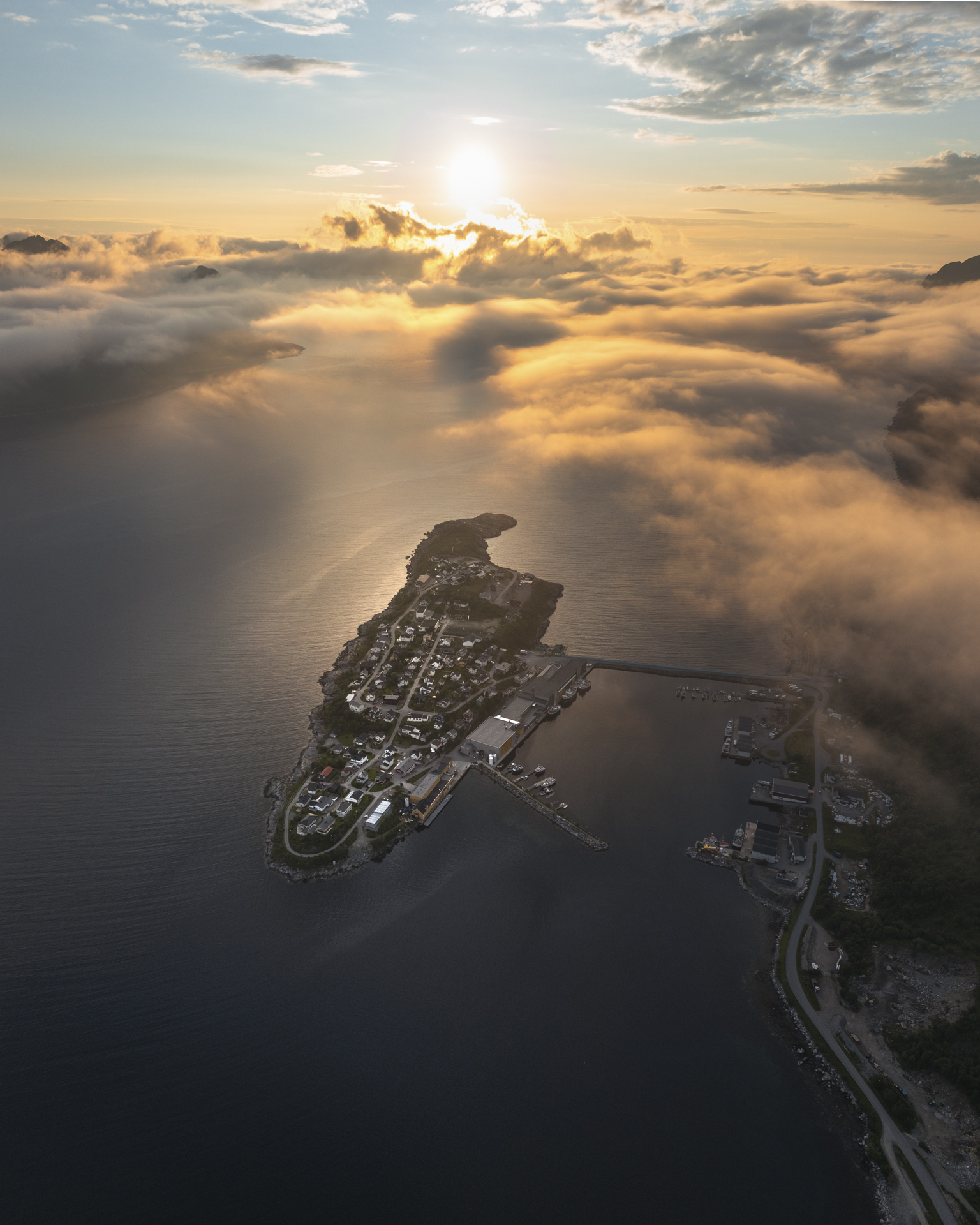
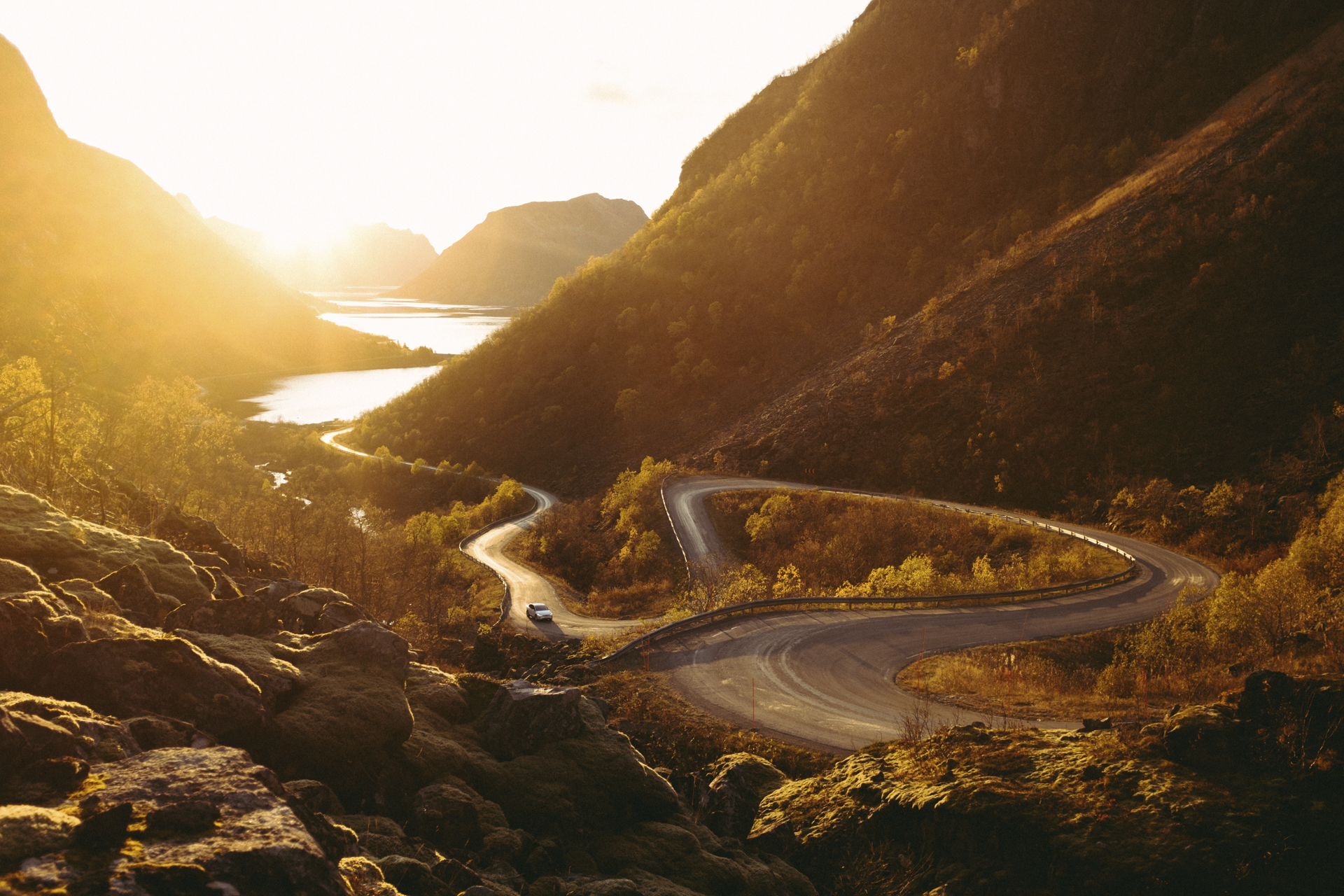
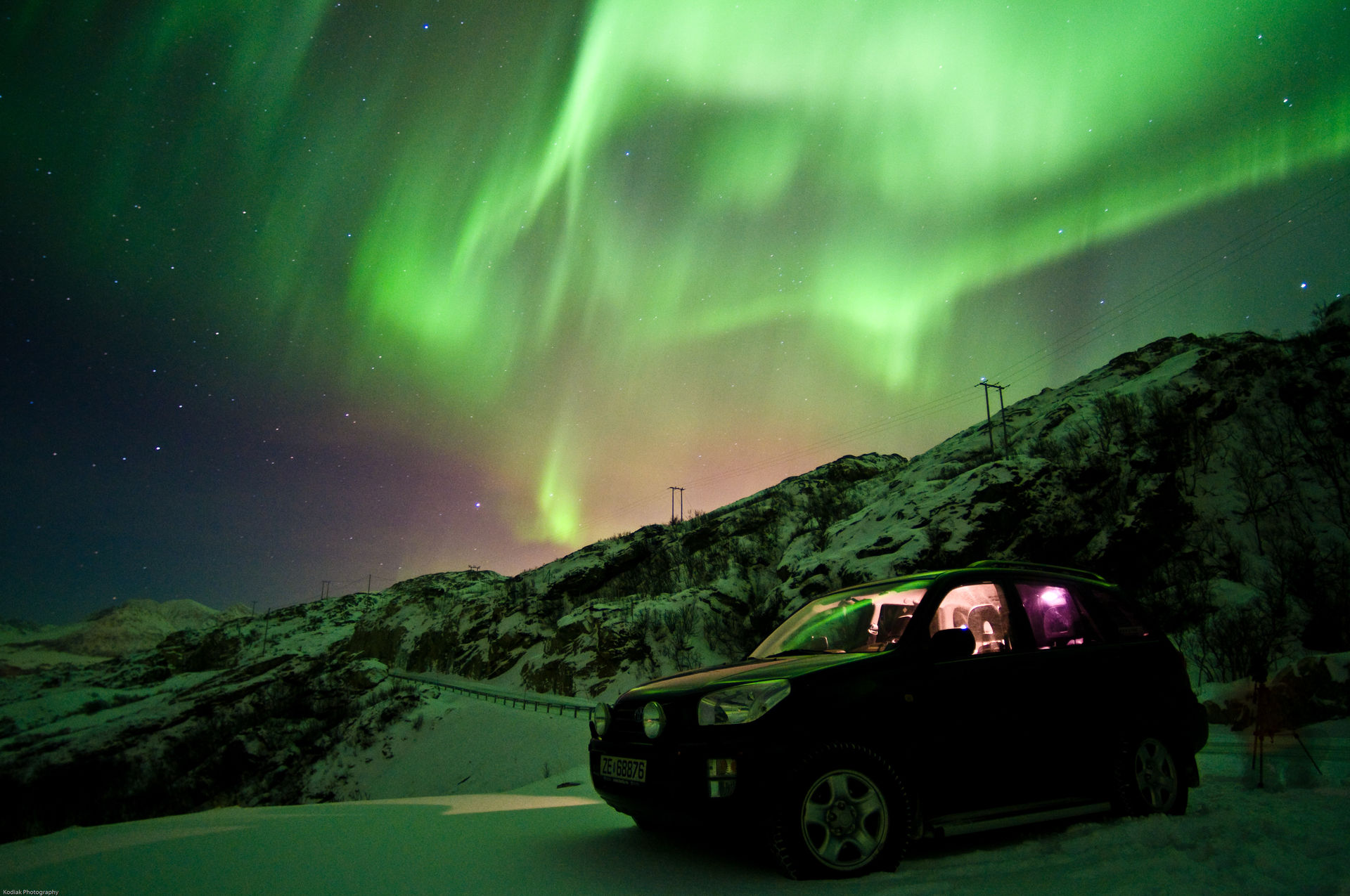
Driving is a common and practical way to explore the region, with scenic routes and manageable distances between destinations.
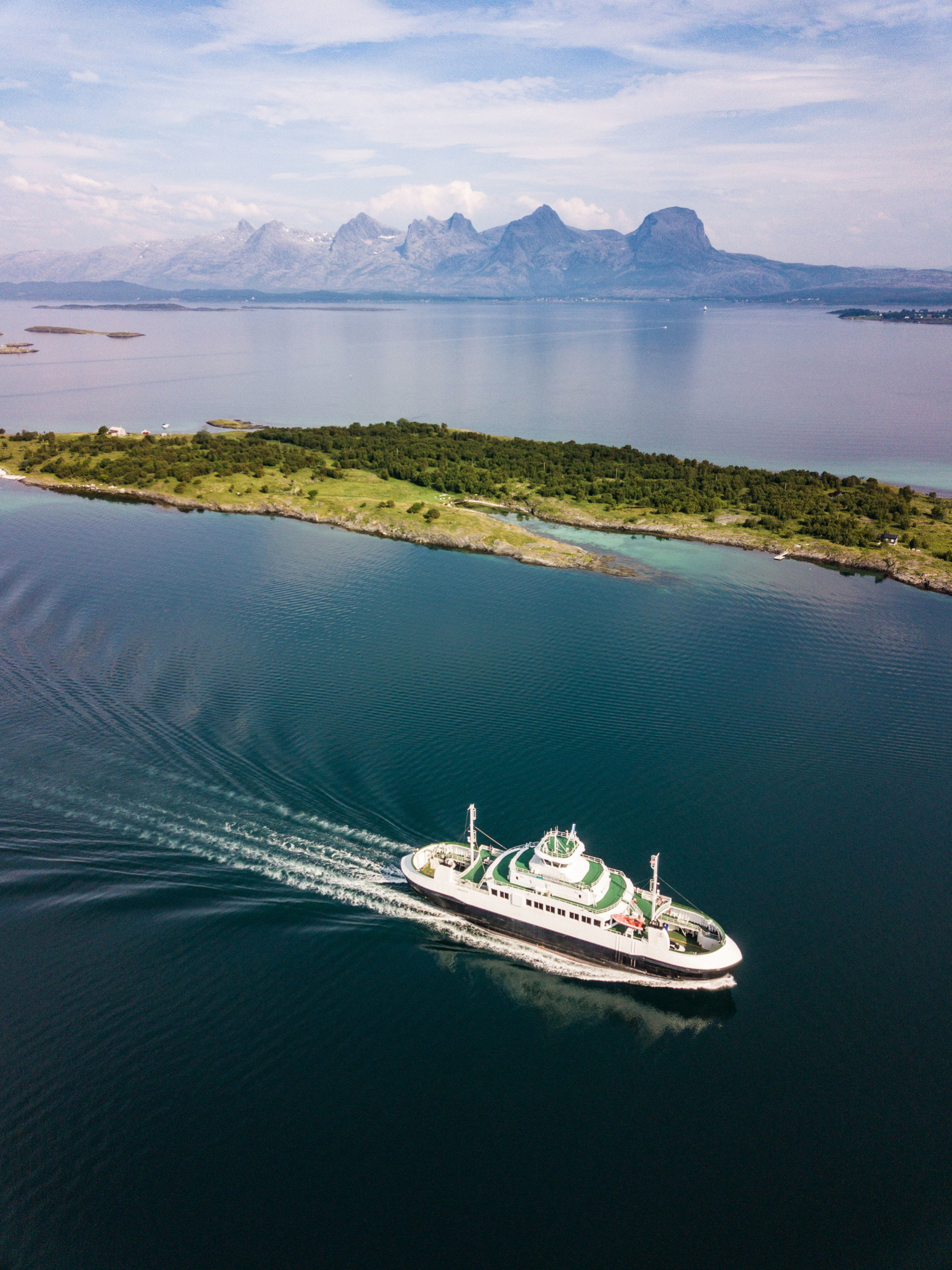
Coastal ferries and express boats connect towns and islands, offering another way to experience the landscape.
What to know before you go
Before you head out, a few practical things are worth knowing.
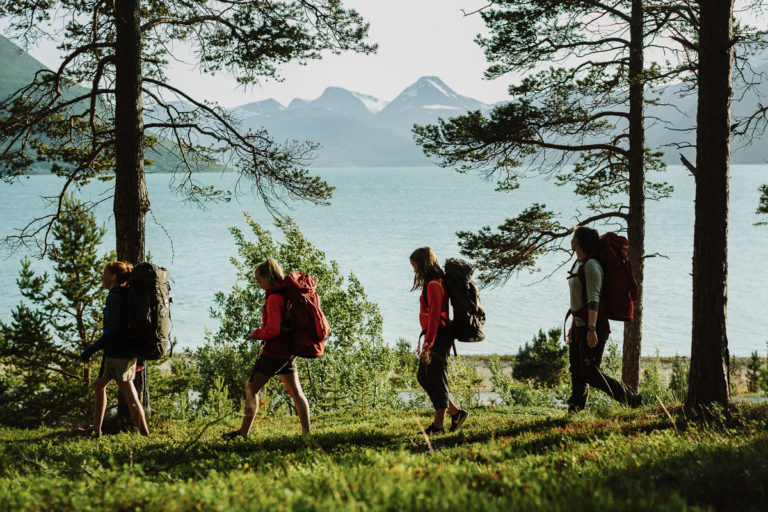
The Right to Roam (Allemannsretten) allows you to move freely in nature, including hiking, camping, and picking berries. With this freedom comes responsibility: respect private property, wildlife, and the environment. Leave no trace.
Open fires are generally prohibited between 15 April and 15 September, unless conditions are clearly safe and local regulations allow it. Always check before lighting a fire.
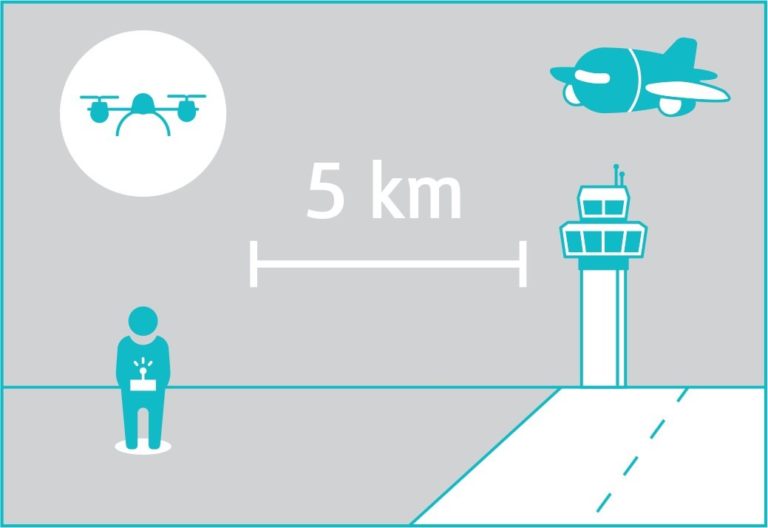
Drone use is regulated and requires awareness of national rules, restricted areas, and privacy considerations.
Weather conditions can change quickly, even in summer. Check local forecasts (yr.no) before heading out.
Preparation and appropriate clothing are essential for safe travel in the outdoors.
Start planning your Arctic summer
Endless daylight gives you more time to explore, move, and experience.
How you use that time is up to you.